

Why the "Classmate Rough Notebook" Question Keeps Coming Up
Someone calls. They say: "I need a classmate rough notebook. Can you supply?"
And I get it. Classmate has built a reputation over decades. Their rough notebooks are everywhere — in school bags, on shop shelves, in bulk orders from government tenders. The name means something. It means quality that doesn't break, paper that takes ink without bleeding, and a price that works for bulk orders.
But here's the part that surprises most buyers: you don't actually need the Classmate brand. You need what that classmate rough notebook represents — consistent quality, reliable binding, and a notebook that doesn't fall apart halfway through the year. And there are manufacturers who can give you that. Sometimes better. Sometimes at a price that makes you stop and think.
I've been in this industry since before most of these brands existed. I've seen what works and what doesn't when you're ordering in bulk. So let me walk you through what a classmate rough notebook actually is — and what your alternatives look like when you're buying for a school, a college, or a corporate order. If you're serious about bulk orders, Sri Rama Notebooks has been manufacturing this stuff since 1985.
What Exactly Is a Classmate Rough Notebook?
Let's get the basics straight. A classmate rough notebook isn't one specific product. It's a range. You've got your standard 172-page notebooks, the 192-page ones, and the thinner 120-page variants. They come in three sizes primarily — Long (27.2 cm x 17.1 cm), Short (19.5 cm x 15.5 cm), and sometimes King Size (23.6 cm x 17.3 cm).
Here's a quick look at what you're getting:
- Paper quality: Usually 54 to 56 GSM. Not fancy. Does the job. Takes ballpoint and gel ink without ghosting on the other side.
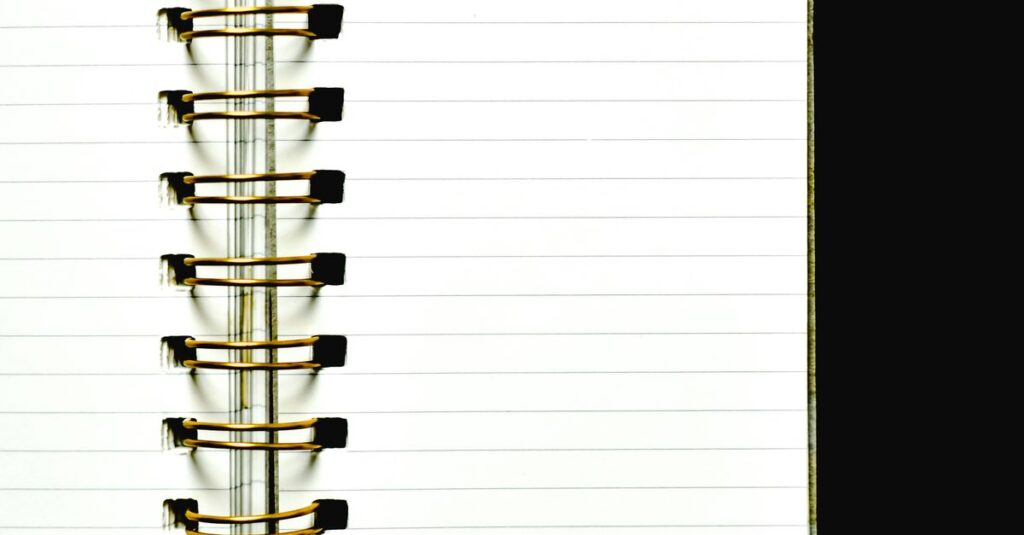
- Binding: Stitched. Always stitched in the rough notebooks. That's what "rough" means — a stitched spine that lies flat when open.
- Cover: Thick paper or light card. Designs vary but they're practical. Meant to last a term.
- Ruling: Usually single ruled (SR) or double ruled (DR) for younger students.
But here's what nobody tells you
The paper in a classmate rough notebook is perfectly fine. But it's also nothing special. The magic is in consistency — every batch is pretty much the same. That matters for schools who've been ordering the same notebook for ten years and need it to feel identical. But if you're a procurement manager looking at costs, you might find that the same specifications from a quality manufacturer cost 15-20% less.
The question isn't "should I buy Classmate?" The question is: "should I pay for the brand name, or should I buy the same thing without the logo?"
Classmate Rough Notebook vs. Other Brands — The Real Comparison
I get asked this every other week. So let me just put it in a table. No fluff.
| Feature | Classmate Rough Notebook | Generic / Local Brand Notebook | Manufacturer Direct (like Sri Rama) |
|---|---|---|---|
| Paper GSM | 54–56 GSM | 50–60 GSM (varies wildly) | 54–60 GSM (consistent per batch) |
| Binding Type | Stitched | Stitched or stapled | Stitched, strong |
| Page Count | 120–192 pages | 80–200 pages | Can match exactly |
| Cover Material | Thick card | Variable quality | Thick card or custom |
| Price (per unit bulk) | ₹18–₹30 | ₹10–₹20 | ₹12–₹22 |
| Customization | No (fixed design) | Sometimes | Logo, cover, ruling |
| Consistency | High | Low to medium | High (if you pick right) |
Notice something? The gap between Classmate and a manufacturer like us isn't about quality. It's about the middlemen. Classmate has a huge distribution network. You pay for that. When you buy direct from a manufacturer, you skip three sets of hands. That's where the saving comes from.
Expert Insight
I remember a call I got maybe two years ago. A school principal from a town near Eluru. She'd been ordering Classmate rough notebooks for her school for seven years. She was frustrated because the prices kept creeping up. She asked me: "Is there really a difference?" I sent her samples of our Long notebook — same GSM, same page count, same stitched binding. She called back a week later. "I can't tell them apart. My students can't tell them apart. Why did I not do this earlier?" I didn't have a good answer for her. Seven years is a long time to pay extra. She's been ordering from us ever since.
Who Actually Buys Classmate Rough Notebooks in Bulk?
Let me tell you about a real order I handled. A man named Rajesh — he's 42, works as a procurement officer for a chain of schools in and around Rajahmundry. His job: make sure 12,000 students have notebooks at the start of each academic year.
Rajesh had been buying Classmate rough notebooks for years. It was just… the default. No one questioned it. Then one year, the distributor told him prices were going up by 18%. His budget didn't move. He had to find another way.
He found us through a referral. We sat down — him, me, two cups of chai that went cold because we were too busy talking — and we worked out specifications. Same paper weight. Same ruling. Same stitched binding. Custom cover with the school's name and logo. He saved enough in that single order to buy 800 extra notebooks for students who couldn't afford them. He told me that himself. I think about it a lot.
Anyway. The point is: the buyers who stick with Classmate rough notebooks are usually people who haven't bothered to look elsewhere. Once they do, the math becomes hard to ignore.
Who else orders them?
- Government schools — tenders that specify Classmate by name (sometimes ends up being more expensive than necessary)
- Private schools — buying in bulk for the year
- Distributors in small towns — where Classmate is the only brand parents ask for
- Corporate CSR programs — donating notebooks to under-resourced schools
And honestly? If your tender says "Classmate or equivalent," you have room to negotiate. "Equivalent" is doing a lot of work in that sentence. Use it.
What You Need to Know Before You Buy in Bulk
I've seen buyers make the same mistakes for twenty years. Here are the big ones:
Mistake 1: Assuming all 54 GSM paper is the same
It's not. And I mean it's really not. Paper quality depends on the raw material — wood pulp versus recycled, the bleaching process, even the humidity in the factory when it's made. Two notebooks can both claim 54 GSM and feel completely different. One bleeds ink. One doesn't. The only way to know is to ask for a sample. Actually hold it. Write on it. Never trust a spec sheet alone.
Mistake 2: Ignoring the binding
A classmate rough notebook has stitched binding. That means the pages are sewn together, not just glued or stapled. Stitched notebooks lie flat. They don't lose pages after three months of rough handling. Some manufacturers try to pass stapled notebooks off as "rough books." They're not. If you're buying for students, make sure the binding is stitched. It's more expensive to make, but it lasts.
Mistake 3: Not checking the ruling
Single ruled. Double ruled. Four ruled for the little ones. I've seen orders go wrong because someone said "ruled notebook" and the buyer assumed single ruled. Check. Confirm. Get a physical sample.
Frequently Asked Questions
Frequently Asked Questions
What paper quality does a Classmate rough notebook use?
Classmate rough notebooks typically use 54 to 56 GSM paper. It's good quality for everyday school use — takes ballpoint and gel pen without much ghosting. Not fountain pen friendly, but that's not what it's designed for.
Can I get a classmate rough notebook with my school logo?
Not directly from Classmate — they don't do custom printing for small bulk orders. But a manufacturer like Sri Rama Notebooks can make notebooks with the same specifications and print your school logo on the cover. Same quality. Your branding.
What sizes does a classmate rough notebook come in?
The most common sizes are Long (27.2 cm x 17.1 cm) and Short (19.5 cm x 15.5 cm). King Size (23.6 cm x 17.3 cm) is also available but less common for rough notebooks. Page counts range from 120 to 192 pages typically.
Is a classmate rough notebook better than a local brand?
It's more consistent, yes. Classmate has strict quality control. But a good local or regional manufacturer can match the quality at a lower price — especially if you're ordering in bulk. The key is to test samples before committing.
Why is a classmate rough notebook called "rough"?
In Indian stationery, "rough" refers to a stitched notebook meant for rough use — daily writing, practice work, class notes. The stitched binding lets the notebook lie flat and withstand heavy handling. It's different from a "fair" notebook which is usually spiral-bound or premium.
So What's the Bottom Line?
The classmate rough notebook is a solid product. I'm not here to say it isn't. But if you're buying in bulk — for a school, a college, or a corporate order — you owe it to your budget to look at alternatives. The same quality exists without the brand markup. It takes a little more effort to find the right manufacturer, to test samples, to build a relationship. But once you do? The savings stack up. Year after year.
I don't think there's one right answer for everyone. Some buyers still prefer the brand. That's fine. But if you're here, reading this, you're probably the kind of person who wants to know what else is out there. So here it is. You know what to look for now. The rest is just picking up the phone. Sri Rama Notebooks has been making notebooks before Classmate existed. We'll be here when you're ready to talk.