What Exactly Are Coil Bound Books?
You've seen them a thousand times. Maybe in a student's backpack, or on a manager's desk. A notebook that lies completely flat when you open it. Pages that turn without fighting you. That's a coil bound book.
I remember the first time I actually noticed the difference. I was in a meeting years ago, trying to take notes in a stitched notebook. Every time I flipped a page, it tugged. The spine cracked. The notebook basically told me I was holding it wrong. Rubbish. Pure frustration.
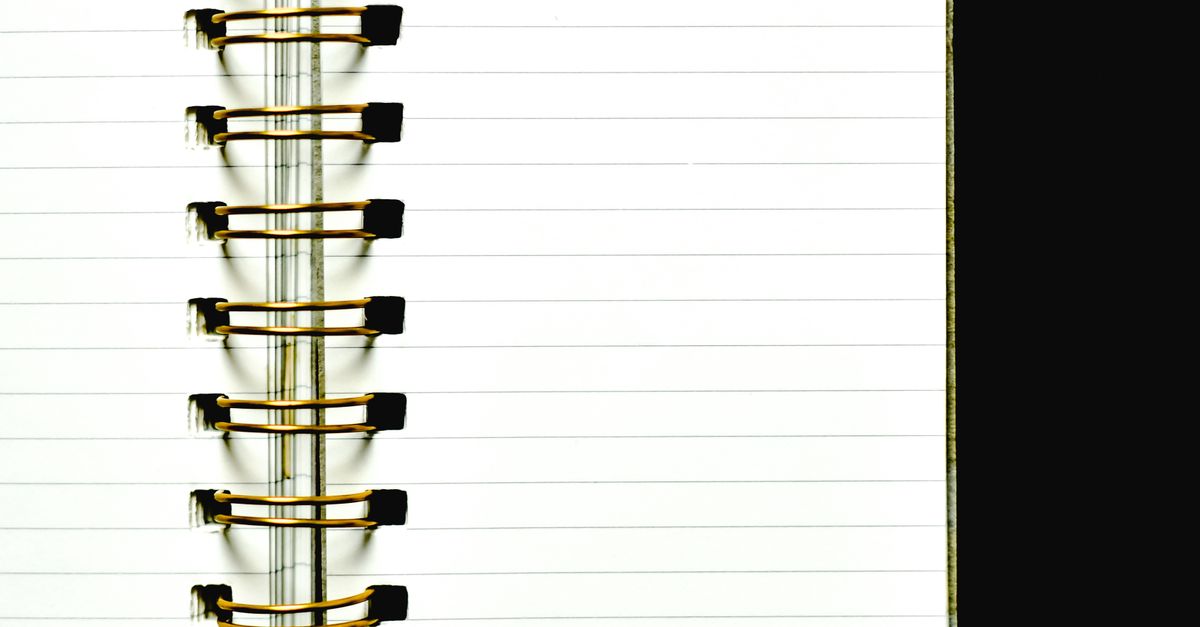
That's when someone slid a coil bound book across the table. And honestly? I never went back. The coil bound books use a metal or plastic spiral that runs through punched holes on the edge of the pages. Simple mechanism. Massive difference in feel.
Here's what most people don't realize — the coil isn't just about convenience. It changes how you use the notebook. You can fold it back on itself. You can tear out a page without wrecking the rest. You can work with the book open to a single page and it stays put. Try that with a glued spine and see what happens.
We've been making these at Sri Rama Notebooks since 1985. Saw the demand grow every single year. Schools. Corporates. Even artists. Everyone wants their book to just… work.
Why People Choose Coil Bound Books Over Stitched or Perfect Bound
Let me be direct — stitched notebooks are fine. They look premium. They feel classic. But they don't behave the same way. I'll take function over form most days, especially when the notebook is going to be used hard.
What the coil gives you
- Full 360-degree fold — Fold it back on itself, use one hand, stand up and scribble.
- Flat lay — No fighting the spine to write near the middle crease.
- Easy page removal — Rip out a page cleanly. The book stays intact. Try that with perfect binding.
- Durability under heavy use — The coil absorbs stress instead of the spine cracking.
I was talking to a procurement manager from a college in Hyderabad last month. He was ordering notebooks for 500 students. His complaint? Every time they ordered stitched books, half the spines were broken by mid-semester. He switched to coil bound. Phone calls stopped. That's not a theory — that's just what happens.
Look, I'm not saying coil is better for everything. A leather-bound diary for a CEO? Sure, go with stitched. It's an aesthetic thing. But for daily use — classrooms, workshops, fieldwork, note-taking that actually gets used — coil bound books win. Simple as that.
Coil Bound vs Spiral Bound — Is There Even a Difference?
People ask me this all the time. Half the time they use the words interchangeably. And I get it. The difference is small. But it matters when you're ordering in bulk.
Here's the breakdown:
| Feature | Coil Bound Books | Spiral Bound Books |
|---|---|---|
| Material | Metal wire (usually steel or zinc-coated) | Plastic or thin metal wire |
| Durability | High — metal coil holds shape over time | Medium — plastic can crack; thin wire can bend |
| Page capacity | Up to 300+ pages with strong coil | Usually 80–150 pages |
| Cost for bulk (per unit) | Slightly higher | Lower |
| Best for | School notebooks, corporate diaries, heavy-use books | Budget notebooks, promotional giveaways |
So which one should you pick? If you're ordering for a school where notebooks get thrown into bags and survive a year, go with coil bound. The extra rupee per book is worth not hearing complaints later. If you just need a basic scribbling pad for a conference, spiral bound does the job.
But honestly, in the last five years, I've seen more and more corporate buyers ask for coil bound. They don't want something that looks disposable. They want quality their employees will actually use.
Expert Insight
I remember something one of our senior production guys told me years ago. He said — and this stuck with me — “A notebook is only as good as its weakest joint.” He was talking about the coil hole punching. If the holes aren't aligned perfectly, the coil will wear down unevenly. Pages will start tearing. The whole book falls apart. He wasn't being dramatic. He'd seen it happen. So we check every batch. Every sheet. Because one bad batch of coil bound books can kill trust faster than anything.
Who Actually Uses Coil Bound Books — A Real Story
Let me tell you about Priya. She's 29, a biology teacher at a government school in Kakinada — about 40 minutes from our factory. She orders books for her class of 45 students every year.
A few years ago, she called me up. Frustrated. The stitched notebooks she ordered were half-destroyed by October. Covers torn off. Pages falling out. She had kids writing on loose sheets stuffed in bags. Not acceptable, she said.
We switched her to coil bound books. She ordered a small batch first — just 60 books. A test run. Two weeks later, she called back. “These work,” she said. “The kids don't even try to tear them. They just flip them open and write.”
She's been ordering from us for three years now. Same spec. Coil bound. 200 pages. Single ruled. She tells every other teacher she meets. That's how coil bound books spread in small towns — one person showing another person what actually works.
(I think about that call sometimes. It was a Tuesday. Hot afternoon. She didn't talk price once. She just wanted a book that stayed intact. That's the kind of buyer I respect.)
What to Look for When Ordering Coil Bound Books in Bulk
If you're buying for a school, a college, or a corporate order, you can't just pick any coil bound book off a shelf. You need to check a few things. I've seen bulk orders go wrong because people didn't ask the right questions.
Check 1 — The coil itself
Is it metal or plastic? If it's metal, is it coated? Uncoated metal can rust over time, especially in humid places. Coastal cities, rainy regions — you want zinc-coated wire. It costs a bit more. It doesn't leave orange marks on pages.
Check 2 — The paper quality
Coil bound books aren't just about the binding. The paper matters. 54 GSM is standard for most school notebooks. But if you're using fountain pens or markers, you want 70 GSM or higher. Bleed-through ruins the experience.
Check 3 — The hole punching alignment
This is the part most buyers ignore. If the holes don't match the coil pitch exactly, the pages will tear. You'll get complaints. And trust me, nobody wants to deal with 500 refund requests over misaligned holes.
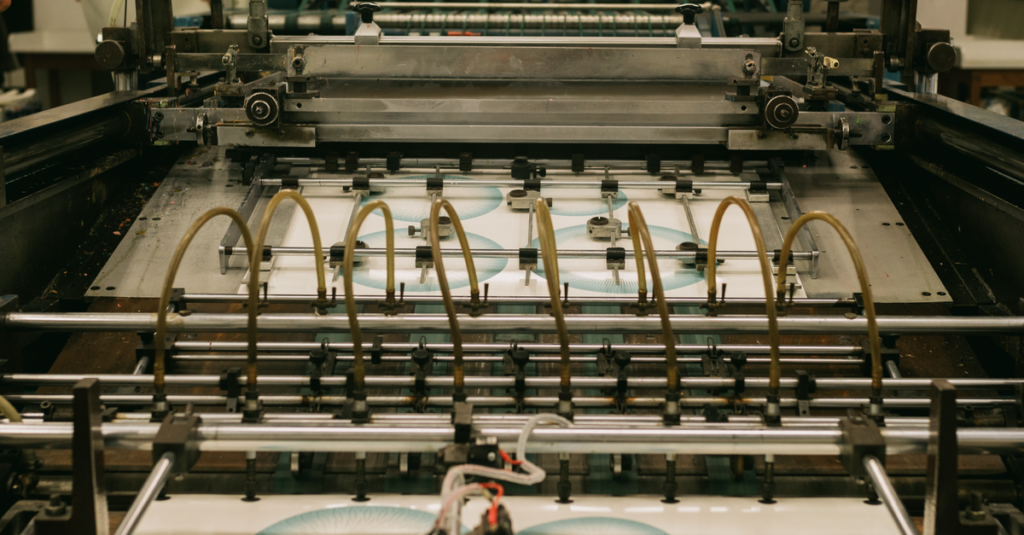
At our factory, we run 30,000 to 40,000 units daily. Every sheet punched before binding. Every coil checked. It's tedious work. But I'd rather be boring than deal with returns.
Frequently Asked Questions
Frequently Asked Questions
Are coil bound books durable enough for school use?
Yes. In fact, they're often more durable than stitched notebooks for classroom use. The metal coil handles bending and folding without breaking. Students can fold the book back or stuff it in a bag. The binding stays intact.
Can you print logos on coil bound books?
Absolutely. We do custom cover printing, logo embossing, and foil stamping on coil bound books. Many schools and companies order their branded notebooks from us. The coil binding doesn't affect customization at all.
What page count works best for coil bound books?
For standard use, 100 to 200 pages is ideal. The coil handles that range smoothly. For thicker books up to 300 pages, we recommend using a stronger metal coil and thicker wire. Avoid going beyond 300 pages — the coil becomes too bulky.
Do coil bound books lie completely flat?
Yes. That's the main advantage. Unlike stitched books, coil bound books open fully flat. You can write across the entire page without fighting a spine crease. This makes them popular for note-taking, journaling, and classroom use.
How are coil bound books different from spiral bound?
Coil bound uses a continuous metal wire through pre-punched holes. Spiral bound usually uses plastic or thinner wire. Coil bound is stronger, lasts longer, and handles more pages. Spiral is cheaper but less durable. For bulk school orders, coil bound is usually the better choice.
Final Thoughts — Are Coil Bound Books Worth the Investment?
Two takeaways from everything I've said. First: coil bound books are built for real use — not for shelves. They survive bags, desks, floor spills, and daily handling. Second: the difference in price over stitched books is small, but the difference in user experience is huge. I've seen it play out across hundreds of orders.
I don't think there's a universal right answer here. Maybe you need stitched for one batch and coil for another. But if you're ordering for people who will actually use these books every day — don't cheap out on the binding. It's the part that touches every single page turn.
We've been making coil bound books since 1985. If you want to talk specs or place a bulk order, reach out to Sri Rama Notebooks. We'll get you samples first. That way you know exactly what you're getting.