What Exactly Is Coil Binding Printing?
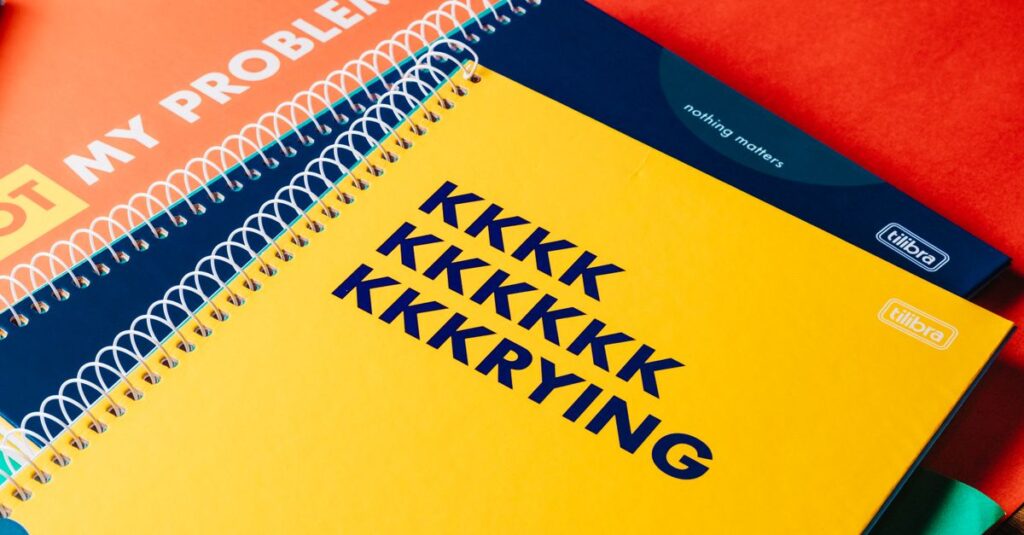
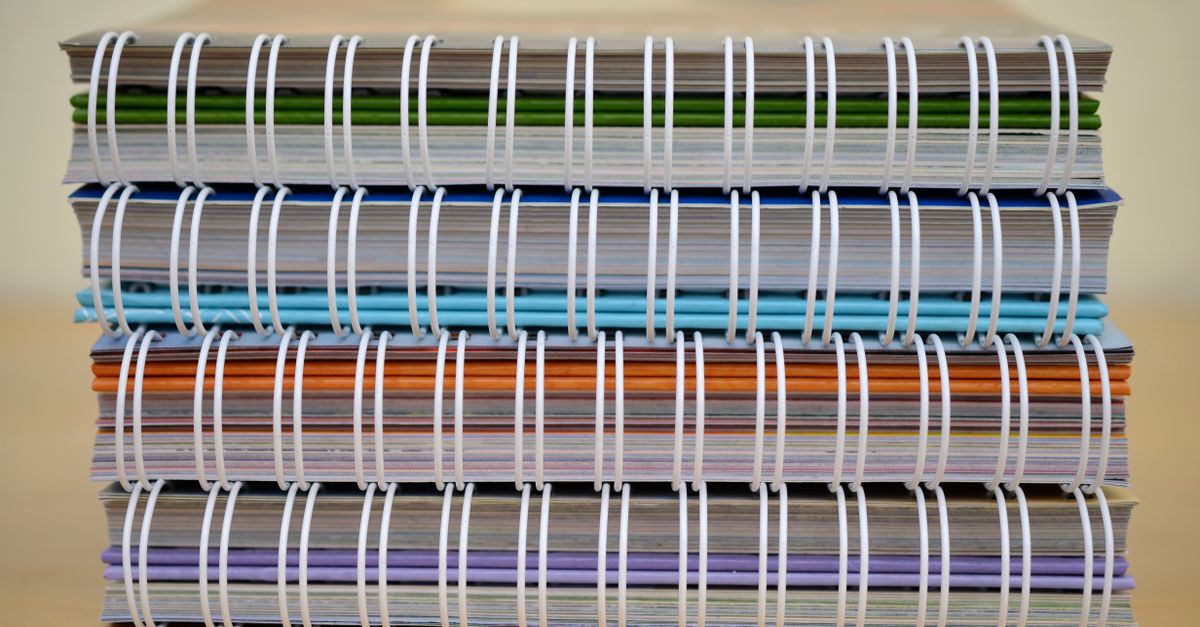
Let's start with the basics. Coil binding — also called spiral binding — is a method where a plastic or wire coil is threaded through punched holes along the spine of a stack of paper. The coil is then crimped at both ends to hold it in place. The “printing” part means the pages are printed first (usually offset or digital), then bound. So coil binding printing is the whole process: print, punch, coil, finish.
I've seen people confuse it with comb binding or wire-o. But coil is different — it's continuous, so the notebook lays completely flat and can rotate 360 degrees. This is huge for students, architects, or anyone who needs to fold the cover back.
Most coil binding printing uses plastic coils in sizes from 1:1 to 5:1 pitch (holes per inch). The right pitch depends on paper thickness and number of pages. For a standard 200-page notebook, we typically use a 3:1 pitch with a 14mm coil diameter. Gets it right every time.
If you're ordering bulk notebooks for your school or company, understanding this stuff saves you from headaches later. And I've seen plenty of those.
Sri Rama Notebooks has been doing coil binding printing since 1985. We know the ins and outs.
Why Choose Coil Binding for Bulk Orders?
There's a reason corporate diaries and school notebooks often use coil binding. It's not just about looks.
First, durability. A well-made coil binding won't break even after months of daily use. The plastic coils are flexible and strong. Compare that to glued perfect binding that cracks over time.
Second, it lays flat. This matters more than people admit. A notebook that won't stay open is useless. Coil binding solves that. You can write on the back of the last page without fighting the spine.
Third, customization. We can print your logo, choose coil color to match your brand, even use different paper colors for sections. That kind of flexibility matters for corporate gifts or school districts wanting consistency.
Let me tell you a quick story. I remember a call with Mr. Suresh, procurement manager at a Hyderabad-based company. He was tired of cheap notebooks that fell apart after two months. He ordered a sample run of coil-bound diaries from us — 500 units. Six months later, he called back to order 10,000. He said complaints dropped. No, that's not a marketing script. That actually happened.
But coil binding isn't for every situation. If you need thin notebooks (under 40 pages), stitched binding might be cheaper. For thick account books, perfect binding often wins. So where does coil fit? Right in the middle — the sweet spot for most notebooks between 60 and 400 pages.
Coil Binding vs Other Binding Types
I get asked to compare binding types all the time. Here's a quick table I use when talking to buyers.
| Binding Type | Durability | Lay Flat | Customization | Cost (Bulk) | Best For |
|---|---|---|---|---|---|
| Coil Binding | High | Yes | Excellent (coil color, print) | Medium | Notebooks, diaries, manuals |
| Perfect Binding | Medium | No (needs breaking) | Good (only spine) | Low | Paperbacks, thick books |
| Stitched Binding | Very High | Partial | Limited | Low | Thin notebooks, exercise books |
| Wire-O Binding | High | Yes | Good | Medium-High | Calendars, premium diaries |
Honestly, coil binding hits a nice balance. Not the cheapest, but not the priciest. And for the durability you get? Worth it.
One thing I should mention: coil binding printing requires precise punching. If the holes are off even by a millimeter, the notebook looks crooked. That's why we use automated punch machines — no room for error.
The Printing Process Behind Coil Binding
Let me walk you through how we actually do coil binding printing at our factory in Rajahmundry.
Step one: print the pages. For bulk orders (30,000–40,000 notebooks daily), we use offset printing. It's faster and more consistent than digital for large runs. We print on 54 GSM writing paper standard — smooth enough for pens, thick enough to avoid bleed.
Step two: collate and punch. Pages are grouped by section (if you want dividers or different colored sheets). Then a hydraulic punch creates the holes. The machine punches multiple stacks at once — hundreds of pages per minute.
Step three: coil insertion. This part always fascinates me. The coil is fed from a spool, cut to length, and automatically threaded through the punched holes. Then the ends are crimped and rolled back so they don't snag on bags. It's fast — about one notebook every 2 seconds on the high-speed line.
Step four: quality check. We flip through each notebook to make sure the coil is tight, pages are aligned, and the cover is clean. If we miss something, the customer will notice. So we don't skip this.
I remember one time a few years ago — I was standing next to the coil inserter, watching the tension. The operator, a guy named Ravi who's been with us since the '90s, adjusted a dial by half a turn. “Too loose and the notebook won't close,” he said. Then he showed me a notebook with a slightly loose coil. It drove me crazy just seeing it. That kind of detail is what sets good coil binding printing apart from bad.
Key Considerations When Ordering Coil Binding Printing
If you're about to place a bulk order, here are things I wish every buyer asked before signing.
- Paper thickness: Thicker paper (like 80 GSM) needs a larger coil diameter to accommodate the extra bulk. Otherwise the notebook won't close flat.
- Coil color options: We stock black, white, blue, red, and silver. Custom colors for large orders. Matching your brand color? Do it.
- Cover material: Laminated card stock, hard cover, or even leatherette. Each affects cost and durability.
- Minimum order quantities: For standard sizes like A5 or Long notebook, we can do as low as 500 units. For fully custom sizes, 2000+.
- Lead time: Typically 10–15 working days after approval of final artwork. Rushes possible for an extra charge.
Most people forget to ask about sample approval. Always request a physical sample before full production. We send free samples to serious buyers. That way you can feel the coil, test the lay-flat, and see the print quality yourself.
I've had clients skip this step and then ask for reprints because they didn't like the coil color or paper shade. Don't be that buyer.
Common Mistakes to Avoid with Coil Binding Printing
After decades in this business, I've seen the same errors again and again. Let me save you the trouble.
- Choosing the wrong coil pitch. A 3:1 pitch works for most notebooks, but if you have very thick pages (like art paper), you need a wider pitch like 4:1 or even 5:1. Otherwise the paper tears near the holes.
- Ignoring spine margin. Content near the spine gets lost if you don't leave enough margin. For coil binding, we recommend at least 12mm from the edge of the page to the first line of text.
- Not aligning covers correctly. The cover must match the page size exactly — otherwise the coil holes won't line up. We print covers simultaneously with pages to avoid misalignment.
- Skipping test runs. I can't stress this enough. A test of 20–50 notebooks costs little but can reveal issues you never imagined. We had a client who wanted metallic silver coil, but the silkscreen ink on the cover smudged against the coil during production. A test run caught it. Full production would have been a disaster.
Honestly, most problems come from assuming all coil binding printing is the same. It's not. The machines, the coil quality, the paper compatibility — they vary. That's why you work with a manufacturer who's done it for decades.
Frequently Asked Questions
What is the difference between coil binding and spiral binding?
They're the same thing. Coil binding is often called spiral binding, especially when using plastic coils. Both involve a continuous helix threaded through holes. We use the terms interchangeably.
Can I get custom colors for the coil?
Yes. We stock black, white, blue, red, and silver as standard. For orders of 10,000+ notebooks, we can source custom CMYK-matched colors. Expect a small lead time for custom colors.
Is coil binding suitable for thick notebooks (over 300 pages)?
It can work, but we recommend switching to perfect binding beyond 300 pages. Coil binding becomes bulky and the notebook won't close as neatly. For 200–300 pages, coil is excellent.
How long does it take to produce 10,000 coil-bound notebooks?
Typically 10–15 working days after artwork approval. For standard sizes and common paper, we can sometimes deliver within a week if press capacity is free. Always confirm lead time before placing order.
Can you print my logo on the cover?
Absolutely. We offer full-color offset printing, foil stamping, embossing, and custom cover design. Send us your logo and we'll produce a dummy for approval. No extra cost for the design service.
I don't think there's one perfect answer for every bulk notebook order. But if you need something that lasts, looks professional, and doesn't fight back when you open it, coil binding printing is a strong choice. The question isn't whether you should use it — it's whether your supplier knows how to do it right.
That's where we come in. Sri Rama Notebooks has been solving these problems since 1985. Give us a call or drop an email. We'll send you samples.