Introduction
I'll be honest — most people don't think about binding until the notebook falls apart. Then it's all you think about. You're holding loose pages, wondering who thought glue alone was enough. That's where coil bound printing comes in. It's not new. But it's the one method that just works. No broken spines. No pages scattering. If you're ordering notebooks in bulk — for a school, a corporate event, or a store — you want something that lasts. And coil bound printing is probably your best bet. Sri Rama Notebooks has been doing this since 1985. I think we've seen enough binding failures to know what sticks.
What Exactly Is Coil Bound Printing?
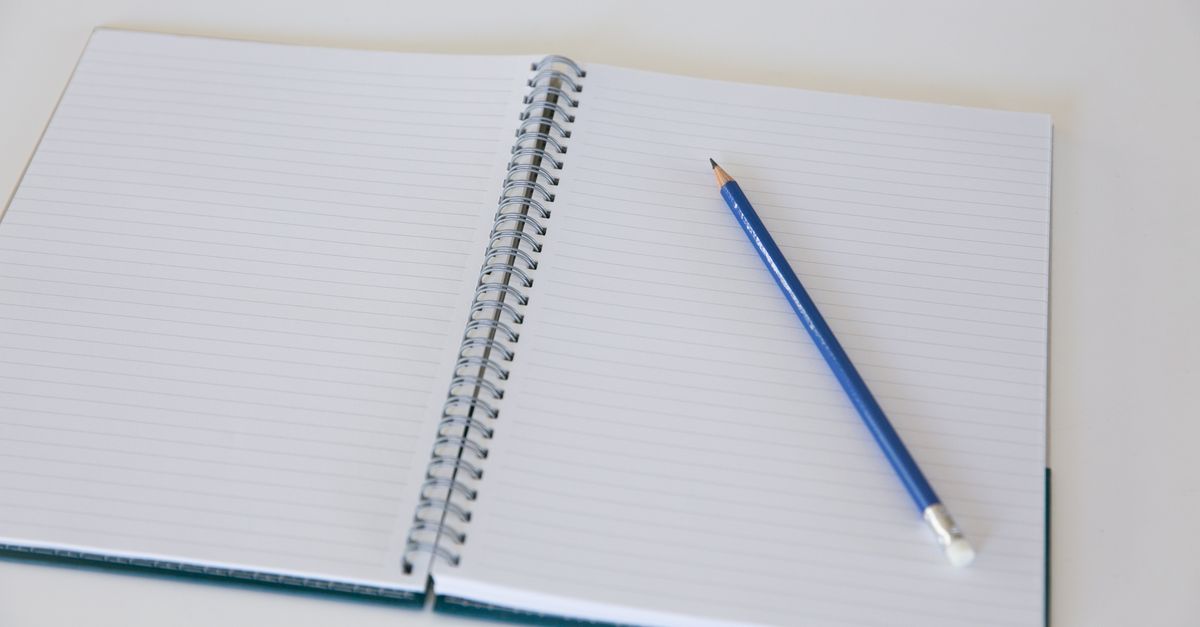
Coil bound printing is exactly what it sounds like — you print the pages, then bind them using a plastic or metal coil that winds through holes punched along the edge. The coil stays flexible. It lets the notebook open flat. No fighting with the spine, no cracked glue. Three things happen when you choose coil bound printing:
- The pages stay put — no falling out even after months of use.
- The notebook lies flat on a desk. Try that with a stitched notebook.
- You can fold the cover back completely. Handy when you're writing in a tight space.
Most people think spiral binding and coil bound printing are the same. They're close, but not identical. Coils are usually thicker and more durable. But that's a separate thing. The point is — if you've ever used a notebook that wouldn't stay open, you know why this matters.
Expert Insight
I remember visiting a print shop in Vijayawada about ten years ago. The owner showed me a stack of notebooks that came back from a school — every single one had the pages torn out. Stitched binding, cheap thread. He said, "From now on, I only recommend coil bound for anything that gets heavy use." I didn't fully agree then. But after seeing thousands of notebooks over the years, I think he was right. At least for notebooks that get carried around every day.
How Coil Bound Printing Compares to Other Binding Types
Not all binding is the same. And if you're ordering in bulk, the difference matters. Here's how coil bound printing stacks up against the two most common alternatives.
| Feature | Coil Bound (Spiral) | Stitched Binding | Perfect Binding |
|---|---|---|---|
| Durability | High — coils don't break easily | Medium — thread can snap over time | Low — glue dries and cracks |
| Lay-flat ability | Excellent | Poor — spine fights you | Fair — needs pressure |
| Cost for bulk orders | Moderate — economical at scale | Low — cheaper materials | Moderate — glue and machinery |
| Customization options | High — can print on cover and coils | Limited — cover only | Moderate — cover and spine |
| Page count flexibility | Works for thin and thick notebooks | Best for thin notebooks | Best for thick books |
You'll notice stitched binding is cheaper. But cheap doesn't mean better. I've seen schools order stitched notebooks and then reorder within six months because the pages fell out. Coil bound printing costs a bit more upfront, but you save the headache. And the money.
Real Story: Why a School in Rajahmundry Switched to Coil Bound Printing
Suresh, 38, is the procurement manager for a large private school in Rajahmundry. Every year, he orders 8,000 notebooks for students. Two years ago, he ordered stitched notebooks. By the second term, parents were complaining. Pages were coming loose. Kids were taping them back. Suresh was embarrassed. He called me — actually, he called our office. He said, "I need something that doesn't fall apart." We suggested coil bound printing with a plastic coil. He ordered 5,000 units as a trial. That was last year. This year, he ordered 12,000. He told me the teachers noticed immediately: no more loose pages, no more complaints. "It just works," he said. I think that's the best review you can get.
What to Look for When Ordering Coil Bound Printing in Bulk
If you're buying coil bound notebooks for your organization, here's what I've learned from handling thousands of orders.
- Coil material: Plastic coils are lighter, metal coils are stronger. For school notebooks, plastic is fine. For corporate diaries, metal gives a premium feel.
- Hole punch alignment: If the holes are even slightly off, the pages won't turn smoothly. Check a sample before committing.
- Paper quality: Coil bound printing works with any paper weight, but 60+ GSM is ideal for writing without show-through.
- Cover thickness: A flimsy cover makes the coil look cheap. Go for 250 GSM or higher.
One more thing — don't assume all manufacturers are the same. I've seen printers use thin coils that bend after a month. You need someone who understands the process, not just the price.
Common Misconceptions About Coil Bound Printing
People ask me weird questions sometimes. Like "Doesn't the coil leave marks on the table?" No. Metal coils sit slightly above the surface. Plastic coils? They barely touch. Or "Can I use both sides of the paper?" Yes — that's the whole point. The coil doesn't block any writing area. Another one: "Is coil bound printing only for thin notebooks?" Actually, we've done coils for notebooks with 300 pages. You just need a thicker coil. The hold is still strong. The only real downside is that you can't easily remove pages once they're bound. But honestly, when do you need to? If you're taking notes, you want them to stay.
Frequently Asked Questions
Frequently Asked Questions
What is coil bound printing?
Coil bound printing is a method where printed pages are bound together using a plastic or metal coil that threads through punched holes. It creates a durable, flexible notebook that opens flat and lasts longer than glued or stitched binding. Ideal for schools and businesses.
Is coil bound printing suitable for thin notebooks?
Yes, coil bound printing works for any page count, from 40 pages to 400 pages. The coil size adjusts accordingly. For thin notebooks, a smaller diameter coil keeps the binding neat and compact without adding bulk.
Can I get custom logo printing on coil bound notebooks?
Absolutely. We print custom logos, text, or full-color designs on the cover. The coil itself can also be color-matched to your brand. We've done thousands of custom coil bound notebooks for corporate clients and schools.
How long does coil bound printing take for bulk orders?
For orders up to 10,000 units, we typically deliver in 10-15 working days. Larger batches may take 20-25 days. We maintain a daily production of 30,000-40,000 units, so even big orders move quickly.
Is coil bound printing more expensive than other binding?
It costs slightly more than basic stitched binding, but less than premium perfect binding. The per-unit price drops significantly for bulk orders. Considering the longevity and user experience, it offers better value than cheaper alternatives.
Conclusion
Coil bound printing isn't flashy. It's not the latest trend. But it's the most practical binding method for notebooks that actually get used. Two things I want you to remember: one, the lay-flat feature alone makes it worth it. Two, the durability saves you from reordering next year. I still think there's no perfect binding method — every one has trade-offs. But coil bound comes closer than most. If you're planning a bulk order and want something that lasts, Sri Rama Notebooks can help. We've been doing this long enough to know what works.