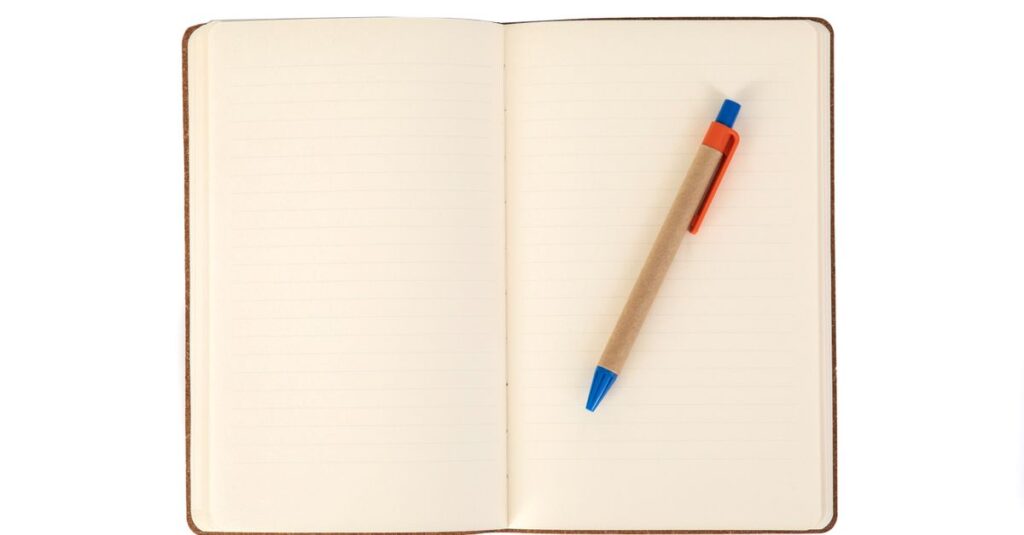
Most notebooks fall apart before you finish them. Not because of what you write — because of how they're put together. You open a new notebook, and within a week the spine cracks, pages start falling out, and you're left with a mess. That's where book hard binding comes in. It's the difference between something that lasts a month and something that lasts years. If you're ordering in bulk — for a company, a school, or a corporate gift — you don't want cheap binding that dies halfway through the year. You want the real thing. And honestly? Most people don't even know what hard binding actually means. They just know they want something that feels solid. Something that won't embarrass them when a client opens it. If that sounds familiar, Sri Rama Notebooks has been doing this since 1985. We know what works.
What Is Book Hard Binding?
Here's the short version: hard binding — also called case binding — is when the cover of the book is made from a rigid material, usually cardboard or thick paperboard, wrapped in cloth, leather, or paper. The pages are sewn or glued into a separate case. That's it. But the details matter.
The process is old. Really old. Think 15th century. But the reason it's still around is simple: it works. The pages don't tear out. The spine doesn't crack into two pieces. And the cover protects the inside from coffee spills, bent corners, and the general abuse of being shoved into a bag.
Most cheap notebooks use perfect binding — where pages are glued to the spine. That's fine for a notepad you use once. But for something you keep, like a diary or a company logbook? Hard binding is the only real option.
I'll tell you what: when I first started working here, I didn't get why some customers insisted on hard cover. I thought it was just about look. But then I saw a notebook that had been through three years of field work in a construction site. The cover was scuffed, sure. But every page was intact. That's the difference.
Why Choose Hard Binding for Your Bulk Orders?
If you're ordering five thousand notebooks for your company, you're not thinking about how they look on a shelf. You're thinking about how they'll hold up in an office, in a meeting, in someone's bag for two years. Hard binding gives you that durability. It's not about luxury — it's about not having to replace them.
Let me give you a real example. A procurement manager I know — let's call him Ramesh, 43, works for a mid-sized IT firm in Hyderabad — ordered two thousand diaries last year. He went with perfect binding because it was cheaper. Six months later, half of them had pages falling out. He called me, frustrated. He didn't want to spend twice as much again to replace them. That's when he switched to hard binding. His words: 'I should have done this from the start.' I hear that a lot.
Here are some reasons hard binding makes sense for bulk orders:
- Lasts longer — pages stay secure even after heavy use
- Looks professional — opens flat, no spine crease
- Customizable — you can stamp logos, add foil, emboss
- Protects the content — thick cover keeps pages safe
The thing is, you pay a little more upfront. But you don't pay again later. That's not just economics — that's logic.
Hard Binding vs Perfect Binding: Which One Should You Choose?
Most people don't realize there's a big difference between the two. They both look like notebooks. But under the hood, they're completely different animals. Here's a quick comparison:
| Feature | Hard Binding | Perfect Binding |
|---|---|---|
| Cover material | Rigid board (hardcover) | Soft cardstock (paperback) |
| Page attachment | Sewn or glued to a case | Glued directly to spine |
| Durability | High — lasts years | Medium — pages can fall out |
| Cost per unit | Slightly higher | Lower |
| Best for | Diaries, corporate gifts, premium notebooks | Notepads, cheap notebooks, temporary use |
| Customization | Easy (embossing, foil stamping) | Limited to printed covers |
| Lay-flat ability | Usually yes | No — crease in middle |
Now, I'm not saying perfect binding is bad. For a cheap notepad you use once and throw away? Fine. But if you're buying in bulk for your organization, hard binding is the better bet. Every single time.
How We Make Hard Bound Notebooks at Sri Rama Notebooks
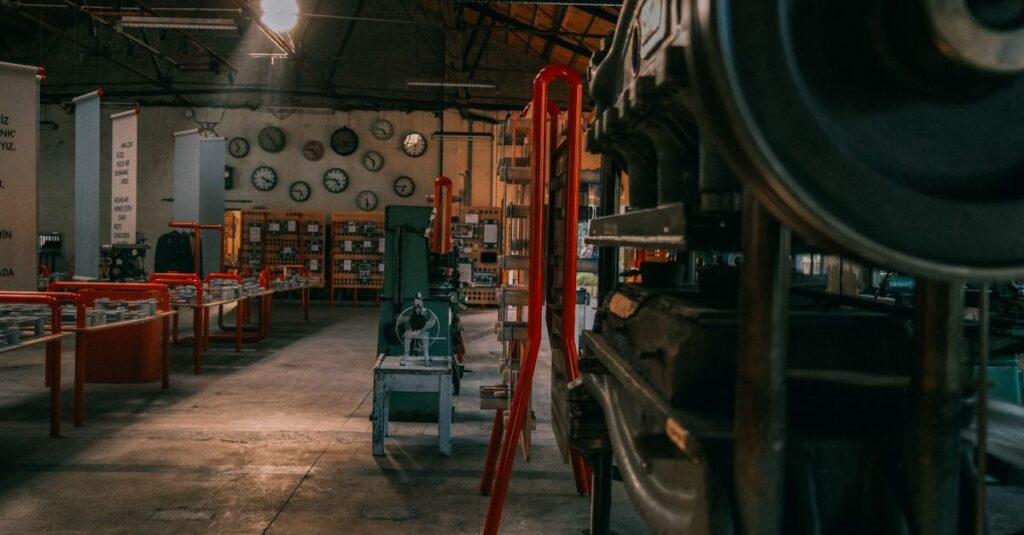
We've been doing this since 1985. That's forty years of gluing, sewing, and pressing. I've watched the process hundreds of times, and I still find it satisfying. Here's how it works:
- Printing the pages. We start with good quality paper — usually 54 GSM or higher. Sheets are printed and folded into sections called signatures.
- Sewing the signatures. Each signature is sewn to the next using thread. This creates a strong foundation. No glue yet.
- Making the case. The cover is cut from thick board, wrapped in cloth or paper. The spine gets a hollow tube so it opens smoothly.
- Casing in. The sewn page block is glued into the case. We press it under weight for several hours.
- Finishing. Foil stamping, embossing, logo printing — whatever you need.
It sounds simple, but the skill lies in the details. If the glue isn't right, the pages won't stay. If the spine is too tight, the book won't open flat. We've figured out the balance over decades. I remember one time in the 90s, a machine broke down and we had to do half a batch by hand. Those notebooks? They actually came out better. Not sure if that's a lesson or just luck.
Expert Insight
I was talking to our production head last week — he's been here for 25 years. He told me something I keep thinking about. He said the biggest mistake people make is thinking hard binding is just about the cover. 'It's not. It's about how the inside holds the outside.' He pointed to a reject pile. 'See those? The cover was perfect. But the pages weren't sewn tight enough. They gave up after six months.' That's the part nobody sees. The part that matters.
Customization Options for Hard Bound Diaries and Notebooks
One of the best things about hard binding is how much you can customize it. It's not just 'pick a color and add your logo.' You have real choices. Here's what we offer at Sri Rama Notebooks:
- Cover materials: cloth, leather (genuine or faux), paper, or a combination
- Foil stamping: gold, silver, copper, or custom colors
- Embossing: raised or debossed logos and text
- Custom endpapers: printed with your brand pattern or message
- Ribbon bookmarks, page edges, rounded corners
The possibilities are endless. But I'll be honest — sometimes less is more. I've seen companies go overboard with foil and embossing and the notebook ends up looking like a trophy. For most corporate clients, a simple cloth cover with a debossed logo looks classy. It's about restraint.
And yes, we do private label and OEM. You can sell these under your own brand. We've done it for companies in the US, UK, and Australia. If you need something specific, just ask. We've probably done it before.
Frequently Asked Questions
What is book hard binding?
Book hard binding (or case binding) is a method where the cover is made of rigid board wrapped in cloth or paper, and the pages are sewn or glued into a separate case. It’s more durable than softcover binding and is commonly used for premium notebooks, diaries, and corporate gifts.
How long does a hard bound notebook last?
For everyday use, a hard bound notebook can last several years without falling apart. The pages are sewn and glued into a sturdy cover, so they don’t tear out easily. Many of our clients report five years or more of regular use before any wear shows.
Is hard binding better than perfect binding for bulk orders?
For bulk orders where durability matters, yes. Hard binding costs a bit more per unit, but it saves money in the long run because you don’t have to replace notebooks. Perfect binding is cheaper upfront but can lose pages within months of regular use.
Can I customize hard bound notebooks with my company logo?
Absolutely. At Sri Rama Notebooks, we offer foil stamping, embossing, and custom printing on the cover. You can also choose the cover material, endpapers, and add ribbon bookmarks. We handle both small and large orders with quick turnaround.
What sizes are available for hard bound notebooks?
We manufacture hard bound notebooks in all standard sizes: King, Long, Short, A4, A5, and Crown. We also do custom sizes for bulk orders. Just let us know your requirement, and we’ll make it.
Look, I don't have a magic answer for whether hard binding is right for every situation. But if you're ordering notebooks that people will actually use — not just collect dust on a shelf — then hard binding is the safer choice. I've seen too many bulk orders go wrong because someone tried to save a few rupees. They always regret it. The question isn't whether you can afford hard binding. It's whether you can afford the alternative. If you want to talk specifics, we're here. Sri Rama Notebooks — call or email us anytime.