Why Finding the Right Card Print Shop Matters More Than You Think
Let me be honest with you — most people pick the first print shop Google throws at them. Then they wonder why the colors look washed out, or the card stock feels like paper from a kid's coloring book. It's frustrating, right?
I've seen it happen dozens of times. A client walks in, hands over their logo and contact details, expects magic. What they get is something that looks like it was printed on a home printer in 2008. And then they search for a card print shop near me again — this time, more careful. More skeptical.
Here's the thing. I work at Sri Rama Notebooks. We've been in Rajahmundry since 1985. We print notebooks, diaries, and yes — business cards. Lots of them. And I've learned a thing or two about what separates a good print job from a bad one.
If this sounds familiar, Sri Rama Notebooks might be worth a look.
Anyway. Let me tell you what I've seen.
What Most People Get Wrong When They Search for a Card Print Shop Near Me
Three things happen. Almost every time. First — they assume all print shops are the same. Second — they only compare price. Third — they forget to check the paper thickness until it's too late.
I talked to a guy named Arjun last month. He owns a small real estate firm near Kakinada. Wanted 500 business cards for his team. He ordered from a shop down the road. Paid 600 rupees. Got the cards in two days.
And they were terrible. The logo looked like a smudge. The paper bent when you held it. He was embarrassed to hand them out.
So he called me. Asked if we could reprint them. I said yes — but I also asked him what he looked for the first time. He said, “Just the price, honestly.”
That's the mistake. Price matters. But here's what else matters more:
- Paper weight — standard business cards need at least 300 GSM. Anything less feels cheap.
- Printing method — offset printing gives sharper results than digital for bulk orders.
- Finish — matte, glossy, or textured. Each feels completely different in hand.
- Turnaround time — some shops say 24 hours. They often cut corners to meet that.
- Proofing process — do they give you a digital proof before printing? If not, walk away.
Honestly? I think the issue is that people don't know what questions to ask. You don't know what you don't know. And that's okay. But now you know.
Real-Life Micro-Story: Sarita, 34, Marketing Manager, Vijayawada
Sarita was in charge of ordering 2,000 business cards for a product launch. Her company had a tight budget. She found a card print shop near me typed into Google, picked the cheapest option. The cards arrived three days late — and the color of the company logo was wrong. It was supposed to be deep blue. It came out purple. She didn't have time to reorder. She handed out purple cards at the launch. Her boss noticed.
I'm not saying this to scare you. I'm saying these things happen when you rush.
What to Look For in a Card Print Shop — A Practical Checklist
Look, I'll be direct. If you're ordering business cards in bulk — say, 500 or more — you need a shop that understands printing at scale. Not a corner shop with one machine that runs hot every afternoon.
Here's what I check when I evaluate a print shop. And I do this for a living.
1. Do They Offer Customization?
Can they print on different paper types? Thick card stock, recycled paper, textured finish? If the answer is only “one option,” that's a red flag.
2. What's Their Minimum Order?
Some shops won't touch orders under 1,000. Others will do 100. Know this upfront.
3. Do They Have a Proofing System?
A digital proof before printing saves everyone headaches. If they don't offer one, you're gambling.
4. How Fast Can They Deliver?
If they say “tomorrow,” ask how. Rushed printing often means lower quality.
I remember once — this was maybe two years ago — a customer from a bank in Visakhapatnam needed cards in three days. Our press was running at full capacity. I told him four days would be safer. He said okay. The cards came out perfect. He's still ordering from us.
But that's a separate thing.
Offset Printing vs Digital Printing for Business Cards
This is probably the biggest decision you'll make. And most people don't even realize there's a choice.
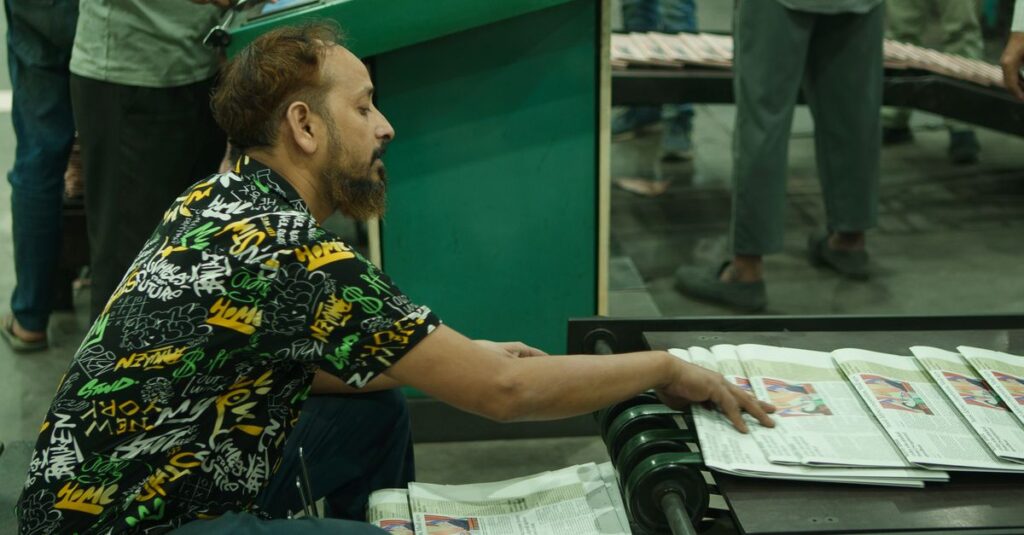
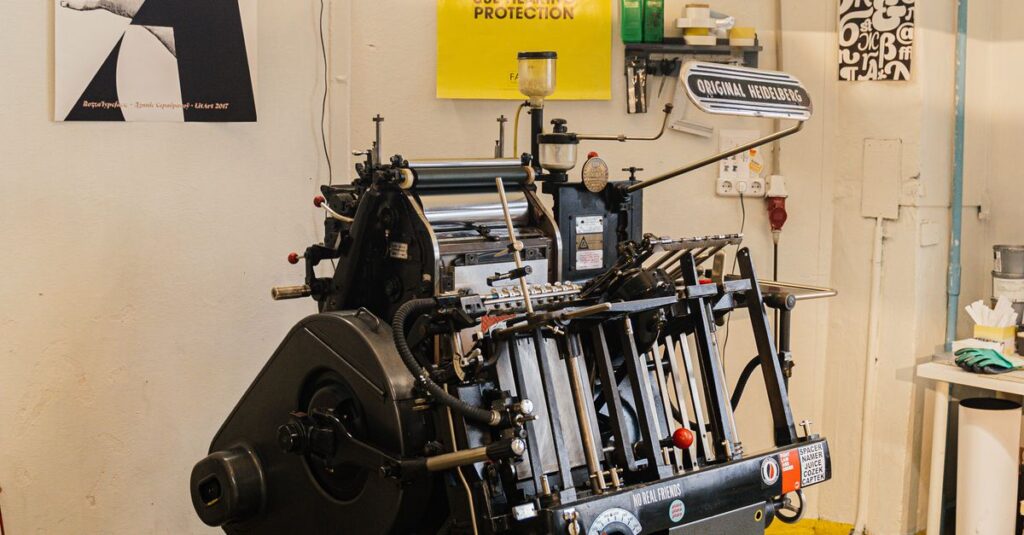
Offset printing uses plates. It's more expensive to set up, but the per-unit cost drops fast once you hit a certain quantity. The colors are richer. The sharpness? Noticeably better.
Digital printing is faster for small orders. No plates needed. But the color consistency can vary between runs. If you order 200 cards now and 200 next month, the second batch might not match the first exactly.
Which one should you pick? Depends on quantity. I'd say — if you need more than 500 cards, go offset. Under that, digital is fine.
Here's a comparison table to make things easier.
| Feature | Offset Printing | Digital Printing |
|---|---|---|
| Setup cost | Higher (plate making required) | Lower (no plates) |
| Per-unit cost (bulk) | Very low | Higher than offset |
| Color accuracy | Excellent, consistent | Good, can vary |
| Turnaround time | Slower (setup takes time) | Faster (direct print) |
| Best for quantity | 500+ | Under 500 |
| Paper options | Wide variety | Limited |
| Detail sharpness | Very high | Moderate to high |
I think — and I could be wrong — that most people prefer offset once they try it. At least for business cards. There's a weight to it. A seriousness.
Expert Insight
I was reading an article from a printing trade magazine last year. One line stayed with me. It said something like: “The difference between a printed card and a great printed card is 10% technique and 90% paper.” I didn't agree at first. I thought technique mattered more. But after twenty years in this business? I think they were right. You can have the best machine in the world. If the paper is flimsy, the card feels flimsy. And people notice. They don't say it out loud. But they notice.
How to Get the Best Price on Bulk Business Card Printing
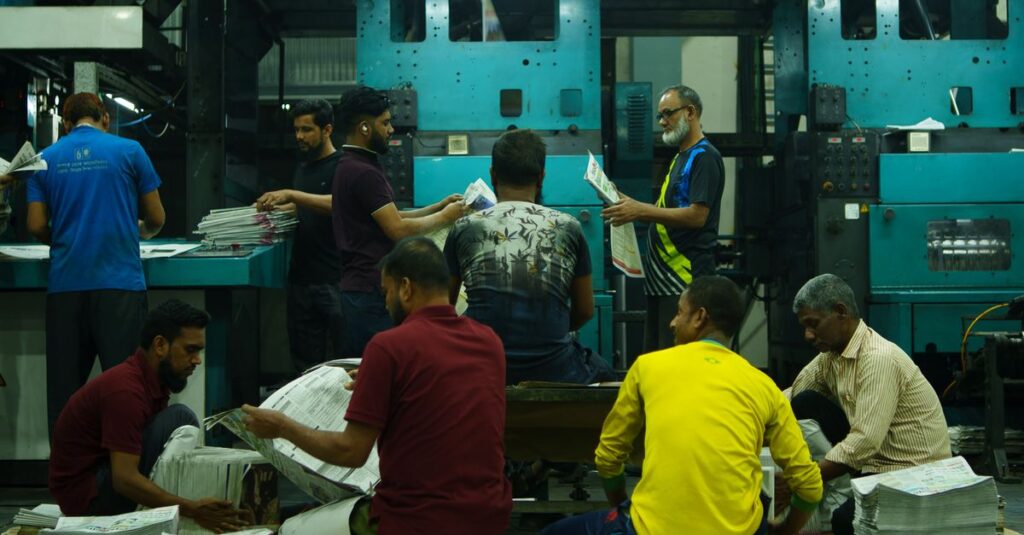
This is where my experience kicks in. I've been on the production side for long enough to know where the costs hide.
- Paper choice matters more than you think. Premium textured paper costs more. Standard 300 GSM gloss is cheaper. Pick what your brand needs.
- Color printing costs more than black and white. Full color on both sides? That's four plates per side. Money adds up.
- Quantity breaks. 1,000 cards is usually the sweet spot. Below that, the setup cost hurts. Above 5,000, you get steep discounts.
- Finishing adds cost. Spot UV, foil stamping, embossing — all look amazing. All cost extra. Decide what's worth it.
I had a client from a tech startup in Hyderabad. He wanted foil-stamped business cards. Gold foil on black matte card. Looked incredible. Cost him about double what standard cards would. He said it was worth it because every card felt like a handshake. I think he was right. But not every business needs that.
The question isn't what looks best. The question is what fits your budget and still makes a good impression.
Frequently Asked Questions
Frequently Asked Questions
What is the best paper weight for business cards?
300 GSM is the standard. It feels sturdy without being too thick. If you want a premium feel, go for 350 GSM or higher. Avoid anything below 250 GSM — it bends too easily.
How long does it take to print business cards in bulk?
For a standard order of 500 to 1,000 cards, expect 3 to 5 business days. Rushed orders can be done in 24 to 48 hours, but quality may suffer. Always ask for a timeline upfront.
Can I get a digital proof before printing?
Most reputable print shops offer a digital proof. It shows you exactly how the card will look. Always ask. A shop that refuses to provide proof is probably cutting corners.
Is it cheaper to print business cards at a local shop or online?
Local shops let you see the paper and finish in person. Online shops often have lower base prices but charge extra for shipping and faster delivery. For bulk orders, a local card print shop near me often gives better value because you can negotiate.
What's the difference between matte and gloss finish for cards?
Matte has no shine — it's smooth and feels modern. Gloss is shiny and makes colors pop. Matte scratches less. Gloss shows fingerprints. Pick based on your brand's personality.
Final Thoughts — Not Everything Needs to Be Perfect
I don't think there's a single perfect card print shop out there. Probably there isn't. What matters is finding a shop that listens, shows you proofs, and doesn't cut corners on paper.
If you've read this far, you probably know what you need. You're just trying to decide who to trust.
We've been printing since 1985. We're not perfect. But we try. And we're happy to send you a sample before you commit to anything.
If that sounds fair — Sri Rama Notebooks is here.