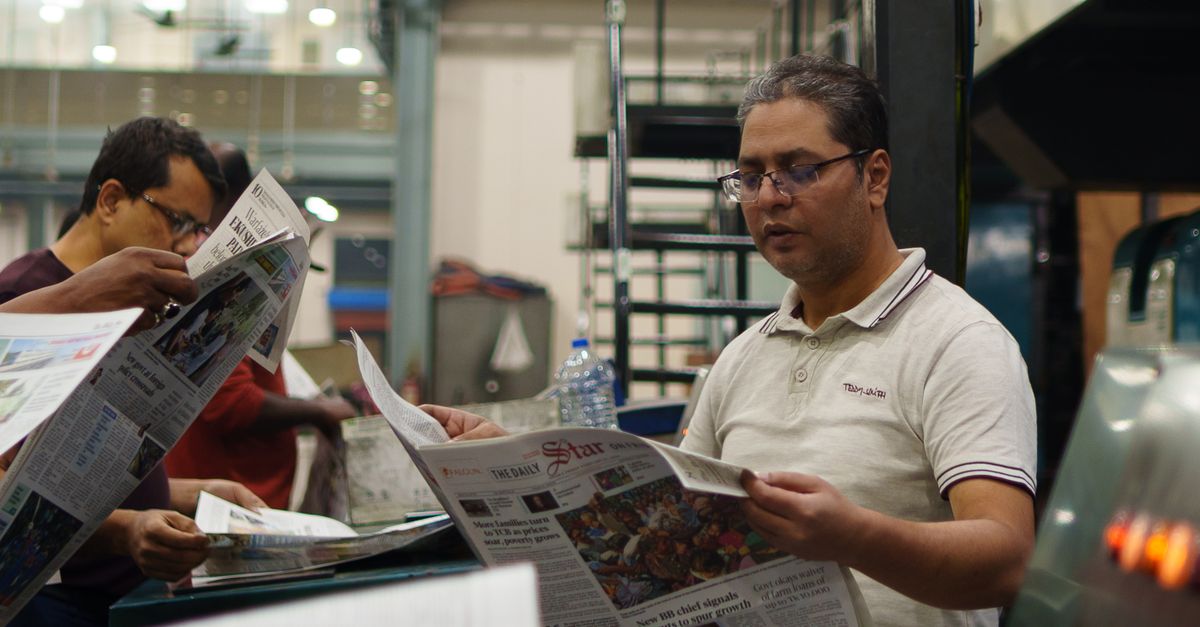
Why the search for cheap printing shops near me is never as simple as it sounds
You type it into Google. Four words: cheap printing shops near me. And you get a list. Maybe ten places. Maybe twenty. And then you start calling, and every single one gives you a different price. Some are half the cost. Some want a minimum you can’t meet. And some — I’ve been there — promise one thing and deliver something else entirely.
Here’s the truth nobody tells you: cheap doesn’t always mean bad. But it almost never means simple. Not when you’re ordering in bulk. Not when you need consistency across a thousand notebooks or diaries. And definitely not when you’re on a deadline.
I work at Sri Rama Notebooks. We’ve been making notebooks since 1985. So I’ve seen the full cycle — customers who start with a local shop, get frustrated, and end up with a manufacturer. This article is about why that happens. And how you can skip the headache.
What the search for cheap printing shops near me actually means
When someone searches for cheap printing shops near me, what they’re really asking is: Where can I get decent quality without burning my budget? That’s fair. Everyone wants value.
But here’s the thing — “near me” adds a hidden constraint. Local shops have limited capacity. They might do small runs well, but bulk? That’s where things get messy. Paper quality varies. Binding falls apart. Colors shift between batches.
I remember a customer — let’s call him Ravi. He runs a school in Kakinada. He wanted 2,000 notebooks for the new academic year. He found a printing shop three streets away. Price was tempting. He placed the order.
Two weeks later, half the notebooks had pages falling out. The other half had misaligned rulings. He ended up reordering from us — and paid twice.
This isn’t to scare you. It’s just that “cheap” at the local shop often means cutting corners. And those corners show up in your hands.
What to check before you commit
- Paper GSM — 54 is standard for notebooks. Anything lower feels flimsy.
- Binding type — stitched or spiral? Perfect binding for thicker books?
- Minimum order quantity — many shops can’t handle bulk without subcontracting.
- Turnaround time — ask if they actually have the capacity.
- Samples — never skip this. See it, touch it, fold it.
The hidden costs of local printing shops
I’ll be direct: local shops aren’t evil. They serve a purpose. Quick flyers, small invitations, maybe a hundred notebooks. But when you order more than that, the cost per unit doesn’t drop the way you’d expect. Why? Because they’re not set up for volume. Their margins are thin. They have to buy paper at retail prices. They don’t have in-house binding lines.
So the “cheap” price you see might be real — but only if everything goes perfectly. One mistake, and you’re paying for reprints. One delay, and you’re missing your deadline.
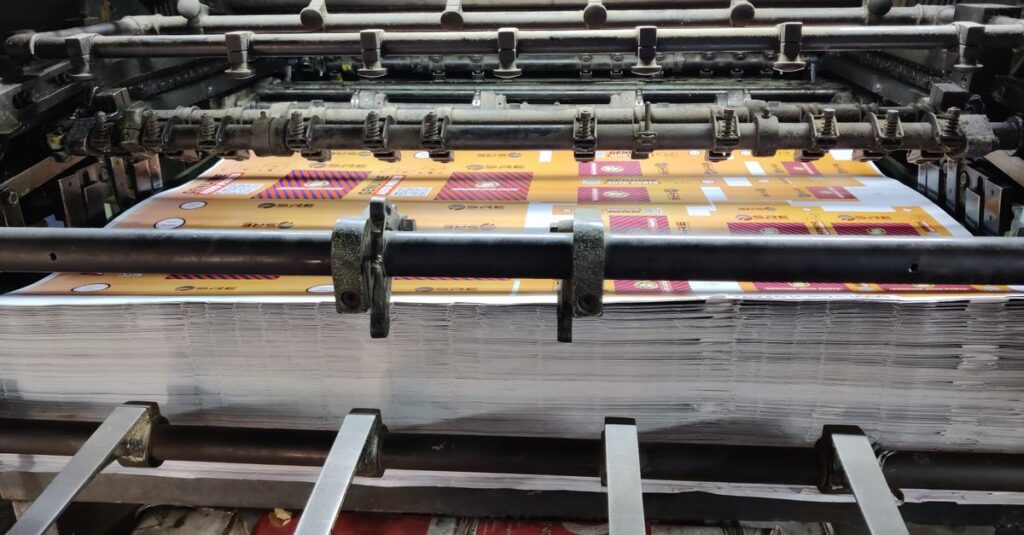
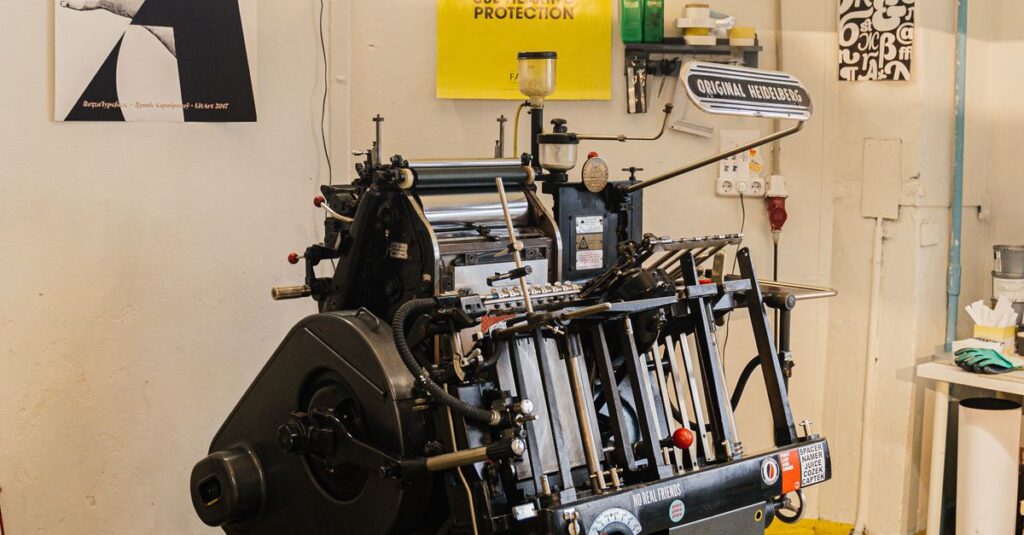
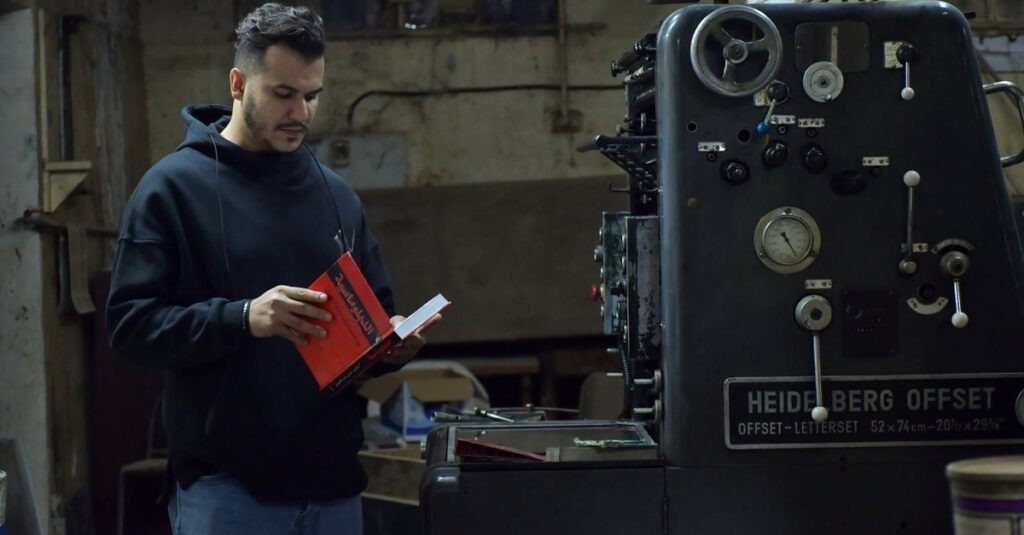
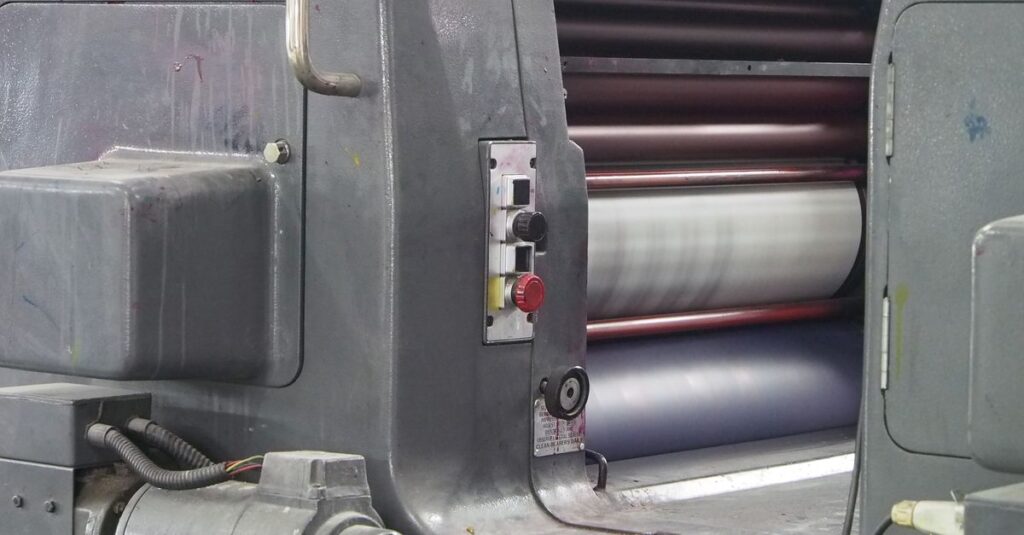
And then there’s the quality gap. A manufacturer like Sri Rama Notebooks runs offset printing with consistent color calibration. Local shops often use digital printers — fine for text, but logos and images lose sharpness. If you’re ordering corporate diaries with a branded cover, that matters.
I’ve heard this enough times now to know it’s not coincidence: almost every bulk buyer who started with a local shop ends up switching within a year. The math just doesn’t hold.
| Feature | Local Printing Shop | Notebook Manufacturer (e.g. Sri Rama) |
|---|---|---|
| Paper cost per unit | Higher (retail pricing) | Lower (bulk procurement) |
| Minimum order | Small runs (100–500) | Bulk runs (500+) |
| Customization options | Basic (size, cover) | Full (logo, binding, ruling, embossing) |
| Quality consistency | Varies per batch | Standardized through production process |
| Turnaround for 2000 units | 3–4 weeks (often delayed) | 7–10 days |
| Price for bulk (2000 notebooks) | ₹30–40 each | ₹18–25 each |
When a manufacturer beats every local shop
Let me give you a specific scenario. You run a corporate office in Visakhapatnam. You need 500 diaries for a client event. You search for cheap printing shops near me, find a place, and they quote ₹75 per diary. That seems fine — until you realize they can’t do foil stamping on the cover. Or custom ruling inside. Or any kind of binding other than stapled.
You call a manufacturer instead. They quote ₹45 per diary — including spiral binding, foil stamped logo, and 200 pages of custom-ruled paper. That’s not just cheaper. It’s better.
Now, obviously, manufacturers have minimum quantities. You can’t order 10 units. But for anyone ordering even 500 pieces, the savings are real. And the quality gap? Noticeable.
I’ll be honest — I don’t think local shops are going away. They’re useful for urgent small jobs. But for bulk, the math is brutal. Every time I see a customer go through three rounds of reprints at a local shop, I think: they could have saved months by going straight to a manufacturer.
Expert Insight
I had a conversation last year with a procurement manager from a college in Vizag. She told me she was tired of negotiating with local printers who raised prices every year. She switched to a manufacturer — not us, someone else — and the first batch was fine. But the second batch had different paper. She didn’t notice until the students complained.
That’s the thing about consistency. A manufacturer runs the same process every day. Local shops change suppliers based on who’s cheapest that week. The result: your notebooks look different from one order to the next. I don’t have a clean solution for that except to find a partner you trust — and test samples every time.
Real-life micro-story
Anita, 42, runs a stationery store in Rajahmundry. She had been buying from the same local printer for years. Last September, she ordered 3,000 notebooks. The printer delivered late — her peak season was ruined. She lost a contract with a nearby school. She called me in frustration. We shipped 3,000 notebooks within a week. Same price. Better quality. She hasn’t gone back since.
How to get the best deal — whether local or manufacturer
I’m not saying never use a local shop. But if you search for cheap printing shops near me and find one, ask these questions before ordering:
- What paper weight do you use? (Ask for 54 GSM minimum.)
- Can you show me a sample of a similar bulk order?
- What’s your backup plan if the machine breaks down?
- Do you outsource any part of the production? (That adds risk.)
If they hesitate on any of these, walk away. Seriously.
And if you’re ordering more than 500 pieces, just call a manufacturer directly. The difference in cost per unit will cover any shipping. Plus you get real customization — embossing, foil stamping, custom paper size, private labeling. Things local shops can’t do.
Look, I’ve been in this industry for decades. The pattern is clear: people who start with cheap local shops eventually upgrade to manufacturers. The smart ones do it on the first order.
Frequently Asked Questions
Frequently Asked Questions
What is the cheapest printing option for bulk notebooks?
The cheapest option for bulk notebooks is direct from a notebook manufacturer. They buy paper in bulk and have automated binding lines. Local shops can’t match the per-unit price at volume. For 500+ notebooks, a manufacturer nearly always wins on cost.
How do I find reliable cheap printing shops near me?
Start by searching online, but verify quality with samples. Check reviews for bulk orders — not just single copies. Ask about paper GSM and binding type. And always compare prices with a manufacturer before deciding. Sometimes the cheapest local shop isn’t cheap in the long run.
Can a notebook manufacturer also do custom printing?
Yes, most notebook manufacturers offer custom printing — logo, cover design, foil stamping, embossing, and private labeling. Sri Rama Notebooks, for example, does full customization for corporate diaries, school notebooks, and OEM orders. It costs less than you’d expect.
What minimum order quantity do manufacturers require?
Minimum order quantities vary, but typically start at 500 units for standard notebooks. Some manufacturers accept 250–300 for special products like corporate diaries. Always ask. The savings per unit increase with larger quantities, so aim higher if possible.
Is it cheaper to print locally or order from a manufacturer in another city?
For small runs (under 200 units), local might be cheaper. For anything above 500, a manufacturer’s lower per-unit cost usually beats any savings on local shipping. Plus you get better quality and more customization. The math is straightforward — compare total cost including shipping.
Conclusion
Two things I want you to take away from this. First, when you search for cheap printing shops near me, don’t stop at the first few results. Get samples. Compare per-unit prices at volume. And second, for bulk orders, manufacturers are almost always the better deal — even if they’re not the closest option.
I don’t think there’s one perfect answer for everyone. Maybe you really need 50 notebooks by tomorrow. That’s fine — go local. But if you’re planning ahead, and you need hundreds or thousands, it’s worth looking beyond the neighborhood. Sri Rama Notebooks has been doing this since 1985. We’re in Rajahmundry, but we ship everywhere. Give us a call when you’re ready to skip the headache.