What Even Is a Color Press? (And Why Should You Care)
Look, I'll be direct. Most people searching for 'color press' don't actually want a technical definition. They want to know: can you print my logo on a notebook without it looking like a faded mess?
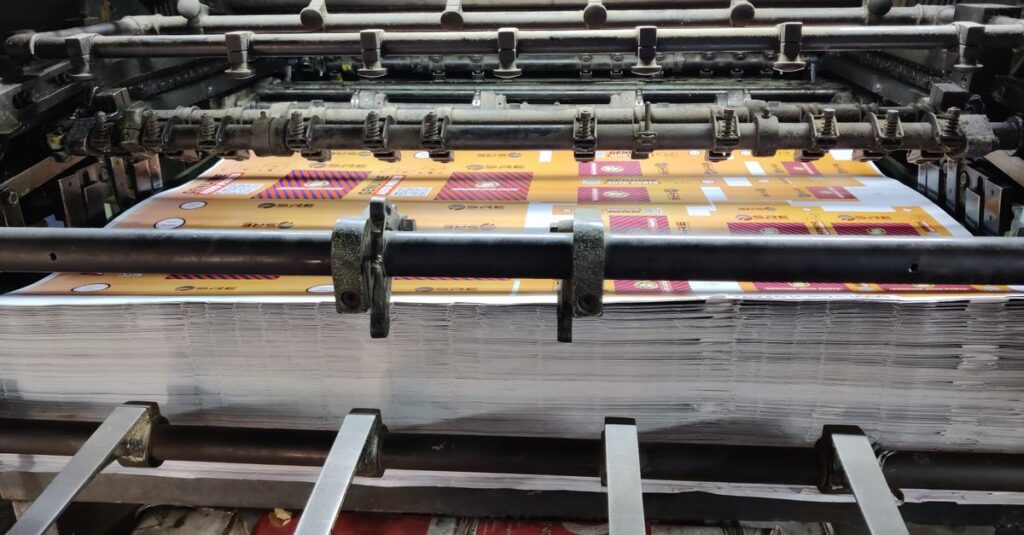
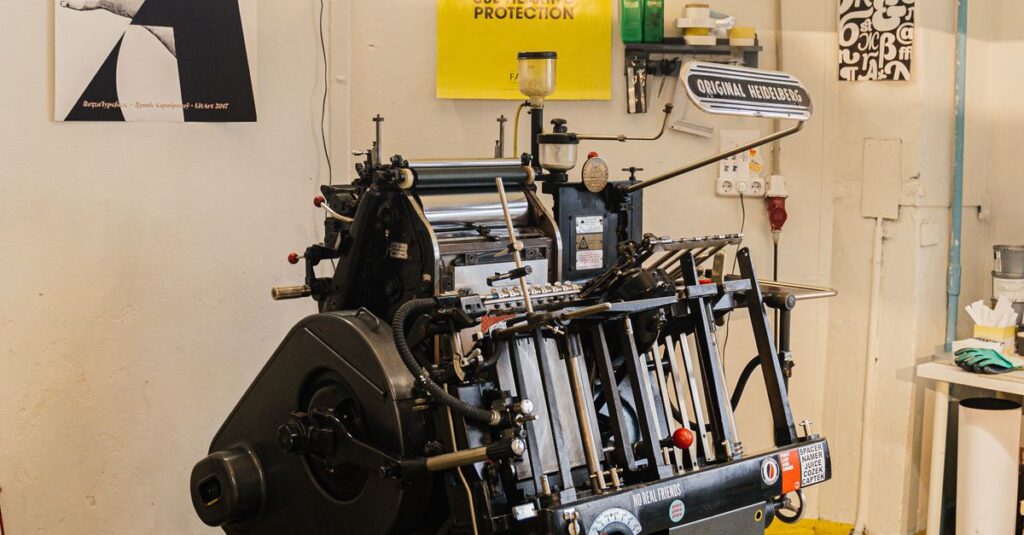
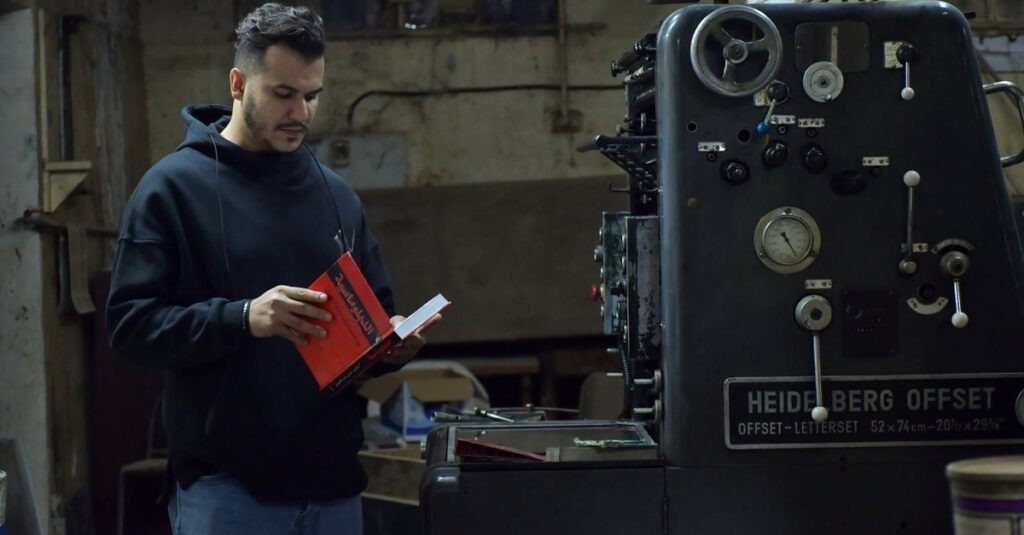
I get it. I've been in this business since 1985 — Sri Rama Notebooks in Rajahmundry — and I've seen enough bad print jobs to fill a warehouse. A color press, at its core, is a printing machine that lays down multiple ink colors in one pass. Cyan. Magenta. Yellow. Black. Sometimes spot colors for brand-specific shades.
But that's the textbook answer. The real answer? It's the difference between your company diary looking professional and looking like a child's art project. And if you're ordering 5000 units for a corporate event, that difference keeps you up at night.
So let's cut through the noise.
How a Color Press Actually Works
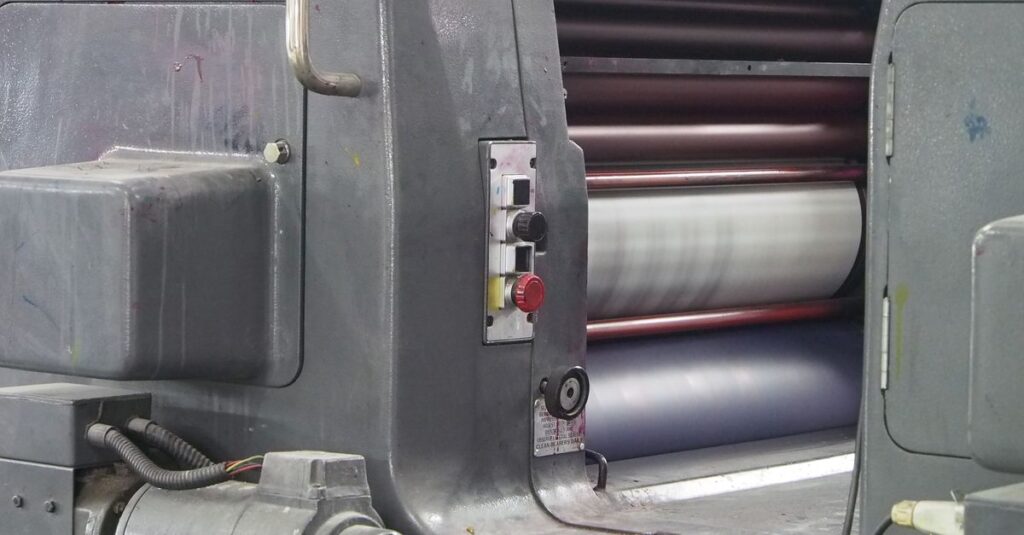
Three things happen inside a color press. And I think that's all you need to know, unless you're planning to fix one yourself.
- Separation — Your design gets split into individual color layers. Each layer gets its own printing plate, one for every color in the image. A standard logo with 4 colors means 4 plates.
- Registration — This is where most printers mess up. The machine has to align each color layer perfectly. If registration is off by even half a millimeter, you get ghosting. Faint double images. Blurry text. Drives me crazy just thinking about it.
- Drying — Ink lands on paper but it's wet. Has to dry before the next sheet stacks on top. Otherwise you get smudging. Ruined batches. Angry customers at 8am on a Monday.
What Makes a Color Press Different From a Black-and-White Press?
The short answer: complexity. A black-and-white press is like making toast. A color press is like making a layered biryani — more ingredients, more timing, more things that can go wrong.
Expert Insight
I was at a trade show in Hyderabad back in 2018. An older printer from Chennai was showing me his new color press. He said something I keep thinking about: 'You can have the best machine in the world. But if your operator doesn't know paper, doesn't know humidity, doesn't know when to stop and clean the rollers — you'll print garbage.' He wasn't selling anything. He was just tired of bad print. I see that tiredness in buyers too, when they come to me after a bad batch from another supplier.
Which is… a lot to sit with.
The Color Press vs. Digital Printing: A Honest Comparison
Here's where people get confused. You've heard 'digital printing' and 'color press' used interchangeably. They're not the same thing. And the difference matters when you're ordering bulk.
| Factor | Color Press (Offset) | Digital Printing |
|---|---|---|
| Setup Time | Slow. Needs plate creation, alignment, test runs. 2–3 hours minimum. | Fast. Hit print. Ready in minutes. |
| Cost Per Unit | High setup cost. But drops drastically after 500+ units. | Low setup cost. But cost per unit stays flat. Expensive for large orders. |
| Color Accuracy | Excellent. Pantone matching is standard. Consistent across 10,000 sheets. | Good enough for photos. But color shifts slightly across prints. |
| Paper Options | Works with almost any paper. Textured, thick, thin, recycled. | Limited to papers that feed through rollers smoothly. |
| Best For | Bulk notebook covers, corporate diaries, branded stationery. | Short runs, prototypes, event materials. |
| Durability | Ink sits on paper. Lasts long if coated. | Toner bonds to paper. Less prone to fading. |
My honest take? For bulk orders — 1000 notebooks or more — a color press wins every single time. For a quick 50 copies of a brochure? Go digital.
What Can Go Wrong With a Color Press
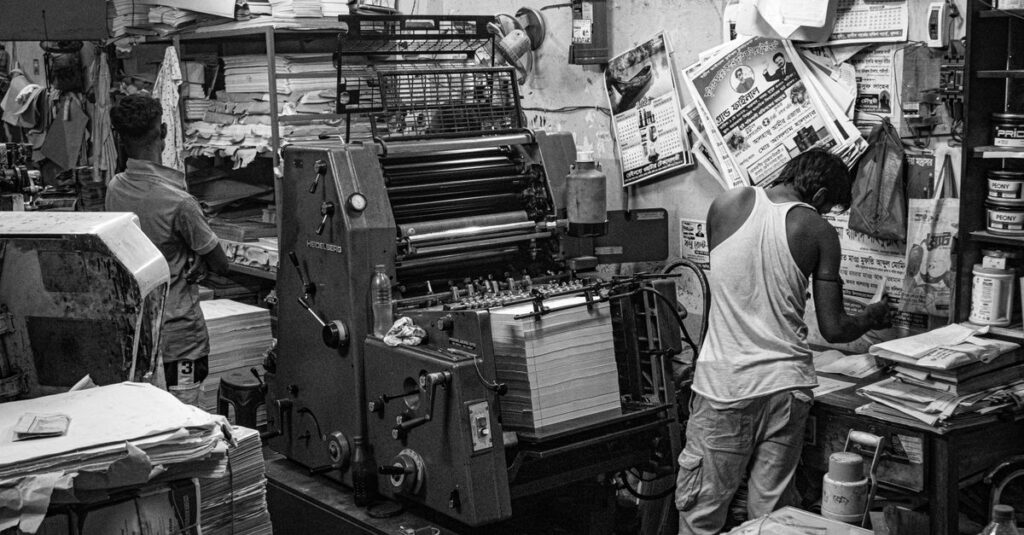
I'll tell you what I tell every buyer who walks into our factory in Rajahmundry. Nothing replaces seeing the press run.
Because things go wrong. Here are the ones I've seen most.
- Color Shift — The first 50 sheets look perfect. By sheet 2000, the blue starts looking purple. Temperature changes in the factory. Ink dries differently. It happens.
- Ghosting — Remember registration problems? Ghosting is when you see a faint double image of the text or logo. It's subtle. Most people don't notice until the batch is delivered. Then they call, frustrated.
- Paper Curl — When color ink lays down heavy on one side of the paper, the paper pulls. Curls. Especially on thinner paper. Your notebook cover suddenly doesn't lie flat.
- Ink Smudge — The press finishes printing. The machine cuts the sheets. If the ink hasn't cured fully, the cutting blade smears everything. That's a total loss.
The question is: does your manufacturer check for these things mid-run? Or do they send the batch and hope?
I know what I do.
A Real Story: When Color Press Saved a Corporate Order
Let me tell you about Suresh. He's 38. Procurement manager for a textile company in Vijayawada. Two years ago, his company wanted 3000 diaries for their dealer meet. Gold foil logo on a dark blue cover. Very specific Pantone shade — 'midnight navy,' they called it.
He went to a digital printer first. The sample looked great. But when the full order came in, the color was off. Not navy. More like a faded indigo. And the gold foil didn't align with the logo. Half the letters were missing the foil entirely.
He brought the batch to me. We ran a test on our color press. Midnight navy matched perfectly — because we mixed the Pantone ink manually, right there in the factory. We printed on cover paper that we knew would hold the foil. The registration was tight. Gold aligned on every single letter.
Suresh has been ordering from us since. He calls it 'the expensive lesson.'
But that's a separate thing.
Why Bulk Buyers Shouldn't Skip Understanding the Color Press
I've heard this enough times now to know it's not coincidence. Procurement managers who understand the printing process get better results. They know what to ask. They know when something is wrong during the proof stage. They save money — not by negotiating price, but by avoiding bad print runs.
Three things I want you to take from this:
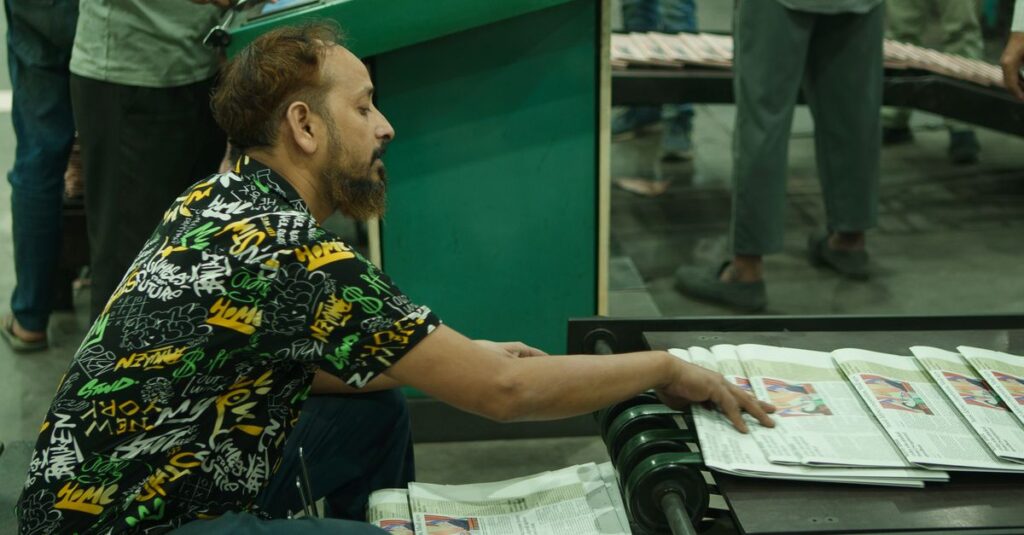
- Color press printing is not magic. It's mechanical, chemical, and human. A good press operator with 15 years experience is worth more than a brand new machine.
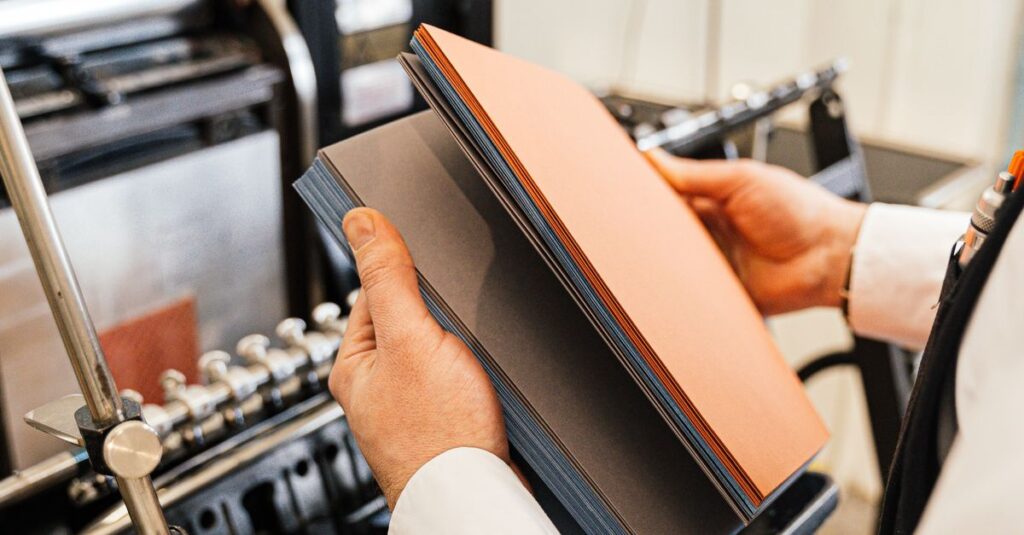
- Always ask for a wet proof. Not a PDF. Not a screen image. A physical print on your actual paper. If the supplier can't give you one, that's your answer.
- Bulk and color are a good match. The setup cost of a color press is high. But once it's running, the per-unit cost drops fast. For orders above 500 units, it's the smarter choice.
I don't think there's one perfect color press. There isn't. But a manufacturer who knows their machine, their paper, and their limits — that makes all the difference. And if you've read this far, you already know what to ask for. You're just figuring out who to trust.
We've been doing this since 1985. You can reach us at Sri Rama Notebooks.
Frequently Asked Questions
What is a color press used for?
A color press is mainly used for printing full-color designs on notebooks, diaries, brochures, and stationery in bulk. It uses multiple ink plates to produce sharp, accurate brand colors. Most common for large orders where color consistency matters across the entire batch.
Is a color press different from a digital printer?
Yes. A color press uses printing plates and wet ink. Digital printers use toner or inkjet technology. Color presses take longer to set up but offer better color accuracy and lower per-unit cost for bulk orders. Digital is better for short runs and quick turnaround.
How many colors can a color press print?
Most commercial color presses print in CMYK — cyan, magenta, yellow, and black. Many also support spot colors for specific brand shades, like a Pantone matching system. Some advanced presses can print 5 or 6 colors including white ink or metallic finishes.
What is the minimum order for color press printing?
At Sri Rama Notebooks, we recommend at least 500 units for offset color press printing. Below that, the setup cost makes it expensive. For smaller quantities, digital printing is more practical. For bulk orders above 1000, color press gives the best value.
How long does color press printing take for notebooks?
For a standard order of 3000 notebooks with a full-color cover, expect 5 to 7 working days. This includes plate making, color matching, printing, drying, binding, and quality checks. Rush orders can be done in 3 days but quality checks remain non-negotiable.