

What Is a Copy Printing Machine? (And Why You Should Care)
You've probably seen the numbers. 30,000 notebooks a day. That's what we produce at Sri Rama Notebooks. And none of that happens without a copy printing machine. Not the fancy digital ones you see in small print shops. The real workhorses. They're big, loud, and they don't stop. But here's the thing — most people who order notebooks in bulk have no idea what a copy printing machine actually does. They just assume the words and lines magically appear on paper. I get it. You don't need to know the mechanics. But when you're comparing quotes from different suppliers, understanding the difference between a copy printing machine and a digital printer can save you a lot of headaches. And money.
Let me explain.
How a Copy Printing Machine Works (The Short Version)
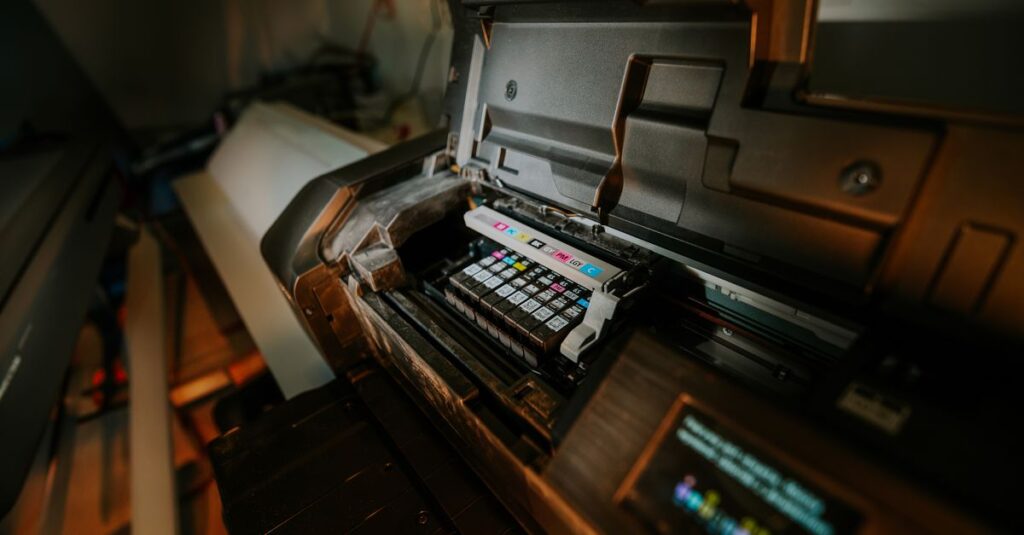
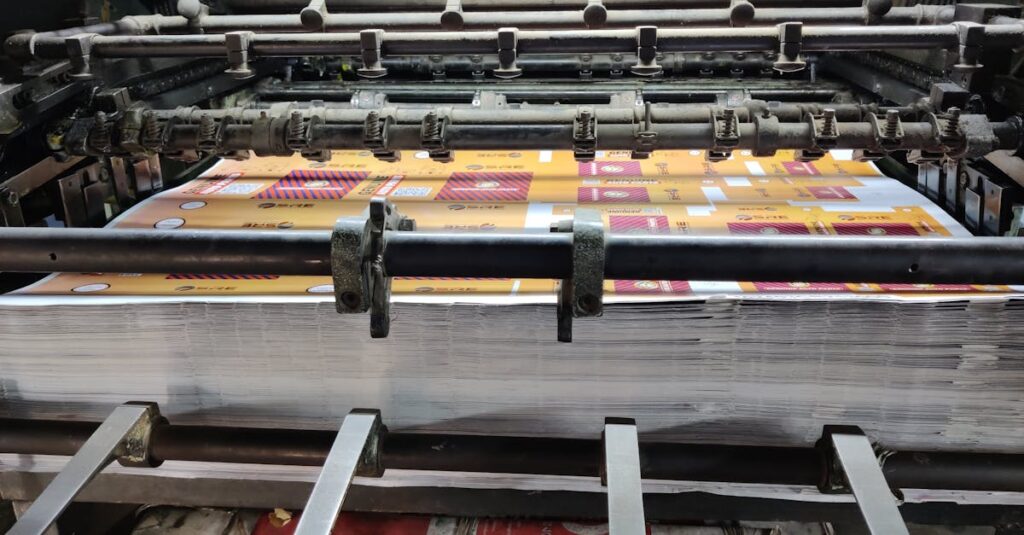
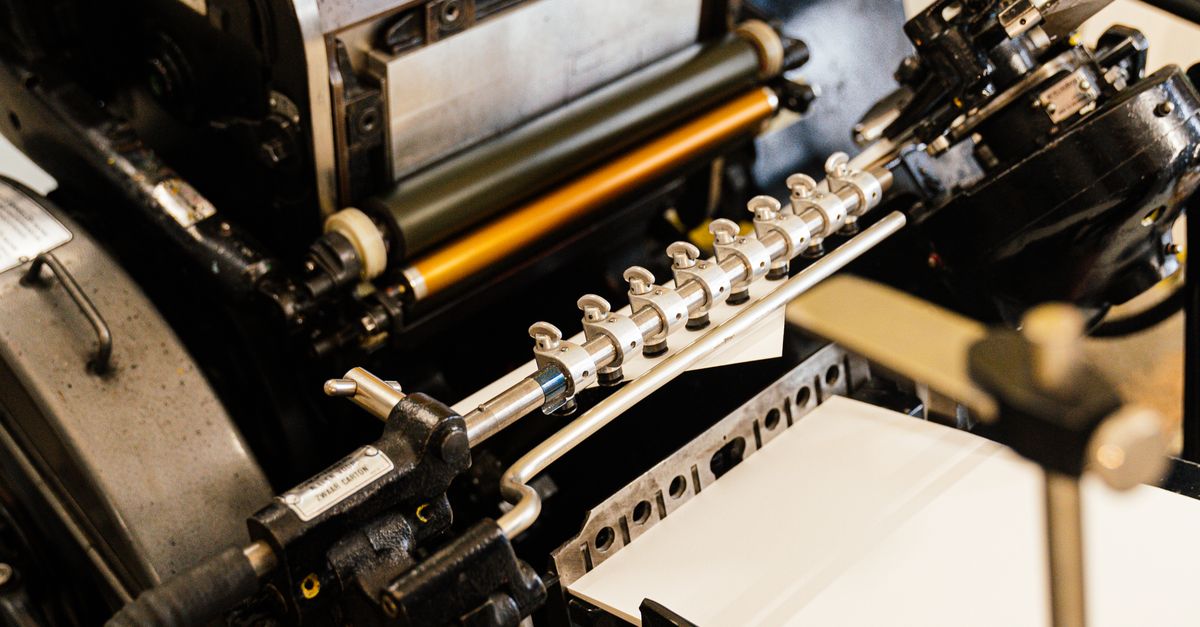
A copy printing machine — in the notebook world — is usually an offset printing press. Not the photocopier you use at the office. I'm talking about a machine that transfers ink from a plate to a rubber blanket, then onto paper. That's the basic idea. It's fast. Really fast. We run ours at about 15,000 sheets per hour. And it's consistent. Every single sheet looks identical to the one before it. That matters when you're printing 50,000 notebooks with your school logo on the cover.
But here's the catch — setup takes time. You need to make plates, align colours, check registration. If you're printing only 500 notebooks, it's not worth it. That's where digital printing comes in. But if you're ordering 10,000 or more, the copy printing machine wins every time. The cost per unit drops like a stone.
What Makes It Different from a Digital Printer?
- Speed: Offset presses are faster once running.
- Quality: Sharper text and more consistent colour.
- Cost: High upfront, but dramatically cheaper per unit for large runs.
- Paper handling: Can handle thicker paper and different sizes.
- Durability: These machines last decades if maintained.
Why It Matters for Notebook Manufacturing
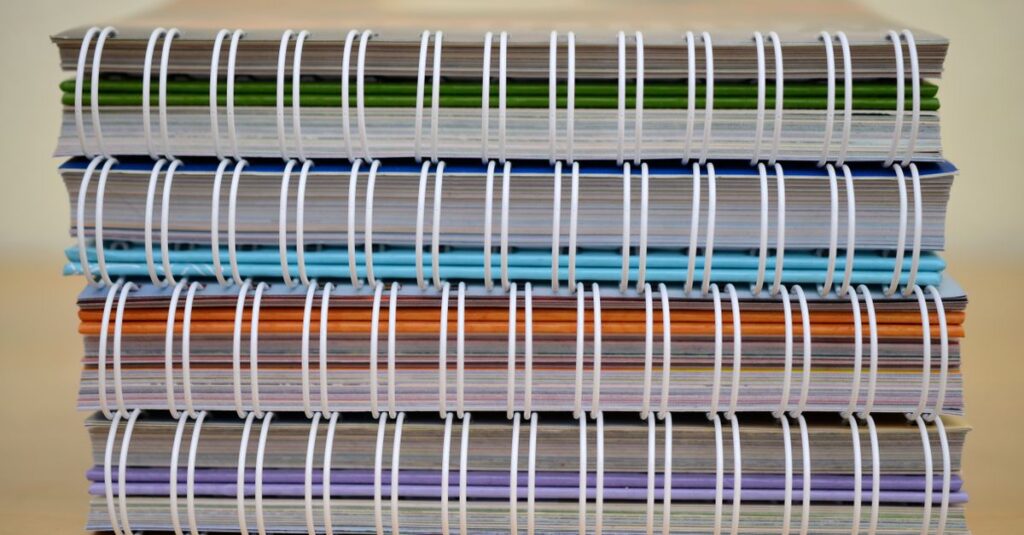
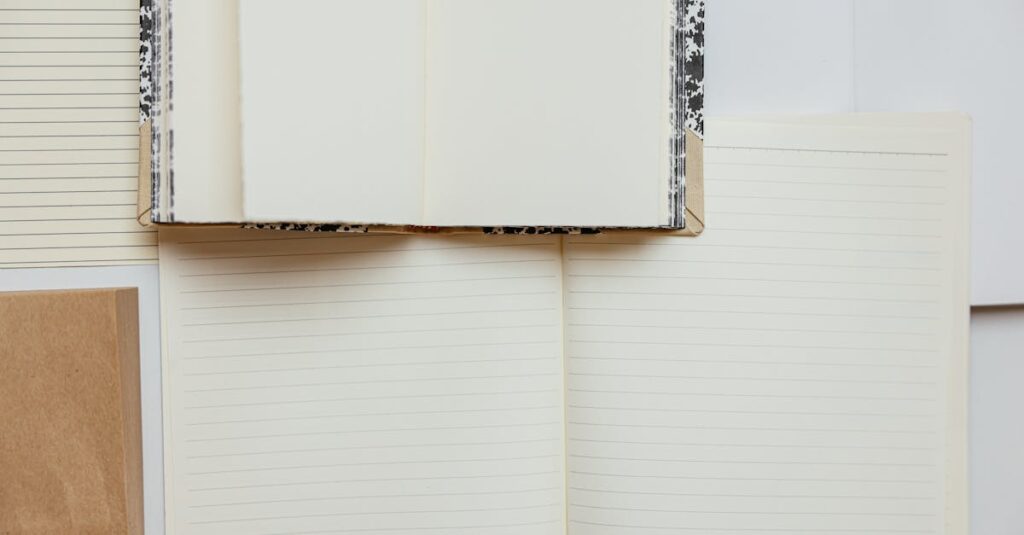
Most notebook manufacturers — including us — rely on copy printing machines for the inside pages. The covers are often done separately. But the ruled lines, the page numbers, the company logos on every page — that's all from the copy printing machine. One pass, two colours, done. I remember a client from a school in Visakhapatnam. They wanted their name imprinted on every page of 20,000 notebooks. The digital printer quoted a price that made their eyes water. We did it on the copy printing machine for half the cost. The quality was better, too. That's not just me saying it — they came back the next year.
Of course, not every job suits a copy printing machine. If you need variable data — like different names on each notebook — digital is better. But for bulk orders with the same design? There's no contest.
Copy Printing Machine vs Digital Printing: A Quick Comparison
| Feature | Copy Printing Machine (Offset) | Digital Printing |
|---|---|---|
| Best for | Bulk orders (5,000+ units) | Small runs (under 1,000) |
| Cost per unit | Very low at scale | Higher, fixed per unit |
| Setup time | 30-60 minutes | Minutes |
| Colour consistency | Excellent | Good, can vary |
| Paper variety | Wide range | Limited to certain stocks |
| Run speed | 10,000-15,000 sheets/hr | ~2,000 sheets/hr |
| Long-term durability | High | Moderate |
Expert Insight: What I Learned the Hard Way
A few years ago, I was talking to a procurement manager from a government office in Hyderabad. He was frustrated because the last supplier's notebooks had pages that faded after a few months. I asked him what printing method they used. He didn't know. I said — look, if the ink is just sitting on top of the paper, it'll rub off. A copy printing machine uses oil-based ink that gets absorbed into the fibres. That's why our notebooks from 1985 still have clear pages. I'm not saying we're perfect. But if you're spending money on bulk notebooks, don't let anyone tell you digital is the same. It's not. It's faster for small runs, sure. But for long-term use? Offset wins. Every time.
Real-Life Micro-Story: A School Order Gone Right
Ravi, 42, is a procurement officer at a private school in Rajahmundry. He ordered 8,000 notebooks last year. The first batch — from a digital printer — had crooked lines and the colours were off. He called us. We sent samples printed on our copy printing machine. He said, 'This is what I wanted.' We delivered in two weeks. He's been ordering from us ever since. Not because we're cheap, but because the quality doesn't change. Every notebook is identical. That's the machine.
Frequently Asked Questions
Frequently Asked Questions
What is a copy printing machine used for?
A copy printing machine (offset press) is used to print large volumes of identical pages, like notebook interiors, workbooks, and diaries. It's ideal for bulk production where consistency and low cost per unit matter.
Is a copy printing machine the same as a photocopier?
No. A photocopier is a digital device for small copies. A copy printing machine is an industrial offset press designed for high-speed, high-volume printing with better quality and lower per-unit costs.
How many pages can a copy printing machine print per hour?
Professional offset presses can print between 10,000 and 15,000 sheets per hour. At Sri Rama Notebooks, we run ours at around 15,000 sheets per hour for standard notebook pages.
What's the difference between offset and digital printing for notebooks?
Offset is better for large runs (5,000+ notebooks) because the cost per unit drops significantly. Digital is better for short runs (under 1,000) with variable data. For quality and durability, offset wins.
Can a copy printing machine print in colour?
Yes, but most notebook printing uses one or two colours for ruled lines and logos. Full colour is possible but more expensive. For bulk single-colour printing, offset is the most economical choice.
Conclusion
Look, I don't expect you to become a printing expert. But next time you're comparing quotes from different notebook suppliers, ask them what kind of printing machine they use. If they say digital for a bulk order over 5,000, that's a red flag. The copy printing machine is still the backbone of the notebook industry. At least for now. I don't know if digital will eventually catch up. But for the price and quality you need, the old workhorse is still the best bet. If you're looking for a reliable manufacturer who uses proper copy printing machines, Sri Rama Notebooks has been doing it since 1985. Give us a call.