You’re staring at a catalog, or worse, a purchase order form from your institution. “Specify notebook size: King, Long, Short, Account.” And for a solid three minutes, you wonder if they’re messing with you. It feels like ordering coffee — suddenly you need to know the jargon just to get the thing everyone uses every day.
I’ve been in this business for decades, and honestly? This is where most bulk orders get stuck. The person in charge of buying notebooks for 500 students or 200 employees isn’t a stationery guru. They just need the right tool for the job and a supplier who doesn’t make it complicated. The paper size you choose dictates everything: usability, durability, cost, even how it’s shipped. Pick wrong, and you’re left with thousands of notebooks that nobody wants to pick up. I’ve seen it happen. If you’re dealing with that kind of volume headache right now, take a look at how we handle it. It’s less about fancy terms and more about what actually works on a desk.
What “Notepad Paper Size” Actually Means (It’s Not Just A4)
So, when someone asks about notepad paper size, they’re usually not asking for the ISO 216 international standard lecture. They’re asking, “What notebook should I buy so it fits in the bag, holds enough notes, and doesn’t fall apart?” The academic A-series (A4, A5) is the global language, sure. But on the ground — in Indian schools, corporate procurement, bulk stationery supply — there’s a whole other, more practical dialect.
We talk in names born from function. “Long” for length. “Short” for portability. “King” for that balanced, do-it-all feel. “Account” for, well, ledgers. These aren’t random. They’re the result of decades of teachers, accountants, and managers saying, “Make it like this.” The “size” is the blueprint. It tells the factory what paper to cut, what binding to use, what cover to print. Get the blueprint wrong, and the whole building is off. Right? And if you’re sourcing custom printed work, that foundation is everything. Our printing service starts with getting this exact blueprint right.
The Four Notebook Sizes Every Bulk Buyer Must Know
Let’s cut through the clutter. If you’re ordering in volume for schools, offices, or distribution, these are the four workhorses. Forget the dozens of minor variations; master these, and you’ve got 95% of your needs covered.
1. The King Size Notebook (23.6 cm x 17.3 cm)
Think of this as the universal soldier. It’s the Goldilocks size — not too big, not too small. It’s what most people picture when you say “school notebook.” Provides ample writing space for subjects with diagrams or longer answers, but still fits easily into a standard school bag. This is the default for a reason. If you’re supplying a general-purpose notebook and you’re not sure, start here.
2. The Long Notebook (27.2 cm x 17.1 cm)
The specialist. The extra length is its superpower. Perfect for listing, vertical calculations, or subjects where ideas need to flow downward (think history timelines, programming code, verbose meeting minutes). It feels more “official” than a King Size. Corporates love it for formal notetaking. High school and college students often prefer it for specific subjects. The binding has to be robust for this one — that spine does a lot of work.
3. The Short Notebook (19.5 cm x 15.5 cm)
Portability. That’s the entire point. It’s for quick jots, reminders, field notes, or as a supplementary pad. Salespeople, field engineers, executives who travel light — this is their go-to. It’s also fantastic for younger students with smaller hands and bags. A bulk order of Short notebooks often gets paired with larger ones for a complete stationery kit. They look deceptively simple, but a poorly made short notebook is just a stack of loose paper waiting to happen. The binding and cover stiffness are non-negotiable.
4. The Account Notebook (33.9 cm x 21 cm)
This is the desktop anchor. You don’t carry this around much; it sits on an accountant’s desk, a warehouse supervisor’s counter, a project manager’s table. The large format is for spreadsheets, ledger entries, broad sketches, and project planning. It demands higher-quality paper (to prevent ink bleed-through) and seriously durable binding — usually stitched or thick spiral. This is a B2B product through and through. The buyers are meticulous because these notebooks become formal records.
Beyond Dimensions: The Real-World Impact of Your Choice
Picking a size isn’t just a geometric exercise. It ripples out into logistics, cost, and user satisfaction in ways procurement managers don’t always see upfront. I was talking to a school supplier last month who told me a story that stuck. He’d switched from a Long to a King Size for a primary school order, thinking he was saving a few rupees per unit. The notebooks arrived. The teachers complained instantly. The kids’ handwriting, which needed the longer line length for practice, looked cramped and messy. The notebooks “worked,” but they made the job of teaching harder. He reversed the order the next term. Cost isn’t just the price on the invoice; it’s the cost of the thing not doing its job.
Think about these hidden factors:
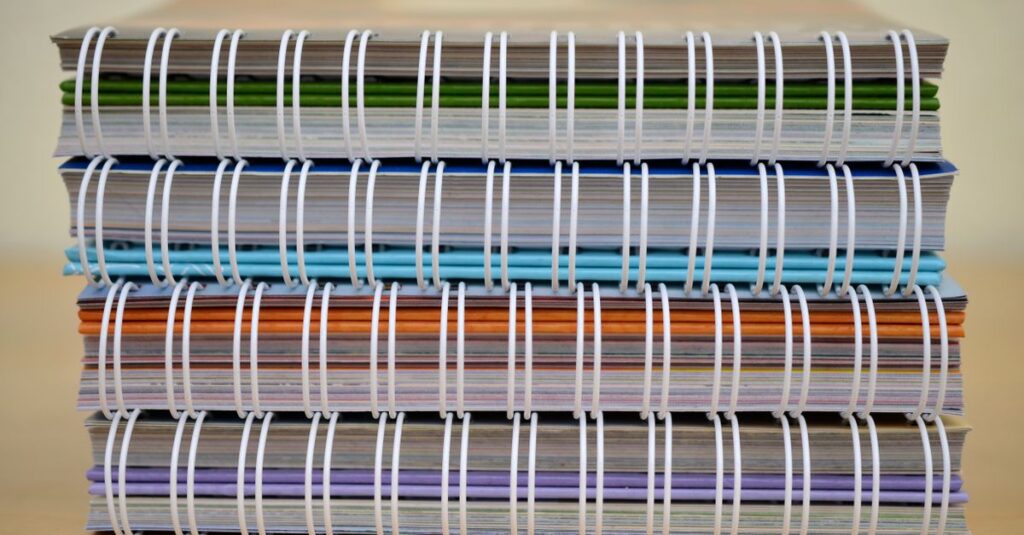
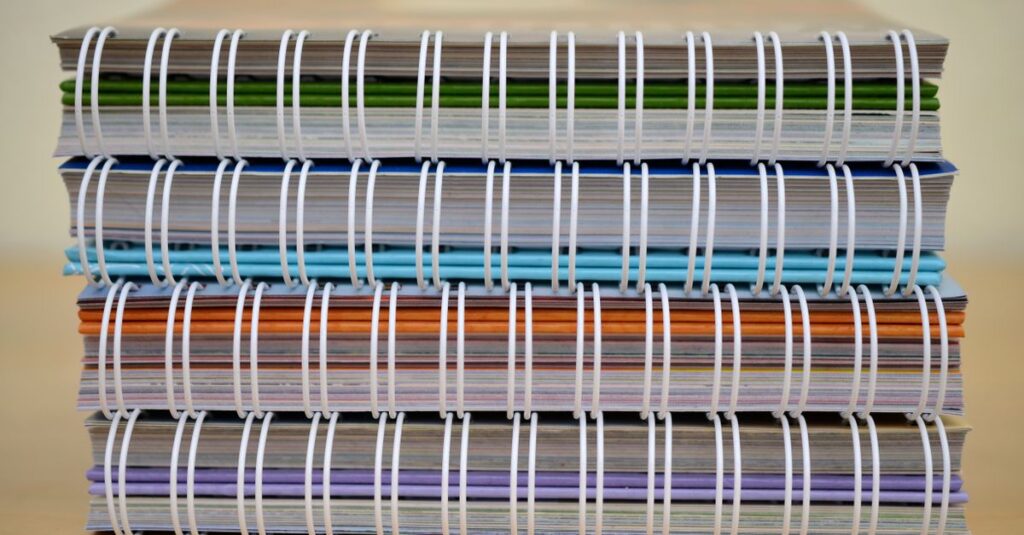
- Binding Stress: A Long notebook’s spine endures more opening/closing force than a Short one. If you cheap out on binding glue or stitching for a Long book, it will fail. Guaranteed.
- Paper GSM & Feel: A larger page (like Account) with flimsy paper will feel floppy and insubstantial. It needs higher GSM to give that authoritative “heft.” A Short notebook can often use a lighter, more cost-effective paper.
- Packaging & Shipping: Account books take up space. You fit fewer in a carton. Shipping costs per unit are higher. Your storage needs change. This directly affects the final landed cost you negotiate.
This is where manufacturing experience isn’t a nice-to-have; it’s what keeps your project from derailing. You need a partner who knows these interactions, not just a vendor who cuts paper to a spec sheet.
King Size vs. Long Notebook: The Bulk Buyer’s Comparison
This is the most common fork in the road for institutional buyers. Let’s lay it out clearly.
| Feature | King Size Notebook | Long Notebook |
|---|---|---|
| Dimensions | 23.6 cm x 17.3 cm | 27.2 cm x 17.1 cm |
| Primary Use Case | General purpose, everyday school & office work | Subject-specific notes, detailed lists, formal corporate minutes |
| Portability | High. Fits standard bags easily. | Medium. Can be awkward in smaller bags or purses. |
| Writing Experience | Balanced space for mixed content (text + some diagrams). | Superior for long-form, linear writing and vertical organization. |
| Binding Durability Needs | Standard stitching or spiral works well. | Requires robust binding (reinforced stitching, thicker spiral) due to longer spine leverage. |
| Cost Implication (Bulk) | Typically the most cost-effective per usable page area. | Slightly higher cost due to more paper per book & stronger binding needs. |
| Best For | Default school supply, general office notepads, wholesale stock. | High school/college STEM subjects, legal pads, executive notebooks, customized corporate diaries. |
See? It’s not about one being “better.” It’s about which tool matches the task you’re equipping people for. Getting this table wrong is how you end up with pallets of unused stock.
The Customization Factor: Size is Just the Starting Point
Once you lock in the size, the real magic — or the real headache — begins. This is my favorite part of the job, honestly. The size is the canvas. Now, what goes on it?
Expert Insight
I was reviewing a custom order for a tech company last year. They wanted a branded notebook for their developers. They’d initially asked for a King Size, unruled. Standard stuff. We got talking about what the developers actually did. They sketched architectures, wrote code snippets, jotted bug notes. We suggested a Long Size, but with a hybrid ruling: the left page cross-ruled (for diagrams and charts), the right page plain. The size change was minor, but the ruling change transformed it from a generic giveaway into a tool their team actively used and requested. The lesson? The most impactful customization often isn’t the logo on the cover; it’s the thought put into the page layout that solves a specific user problem. Don’t just slap your brand on a stock item. Design the item your brand needs.
Think about these levers you can pull:
- Ruling: Single-ruled for essays, four-ruled for young learners, cross-ruled (graph) for engineers, unruled for designers. The ruling guides the hand and the mind.
- Page Count: A 52-page notebook is a quick project pad. A 240-page notebook is a semester companion. This choice affects thickness, weight, and binding again. A thick book in a Short size can become a chunky, awkward cube.
- Paper GSM: 54 GSM is our sweet spot for smooth, everyday writing without bleed-through. But for premium corporate diaries or artists’ pads, you jump to 70-80 GSM. You feel the quality in your hand. It changes the entire perception of the product.
FAQs: Straight Answers for Bulk Notebook Buyers
What is the most popular notepad paper size for Indian schools?
Hands down, the King Size notebook (23.6cm x 17.3cm). It’s the workhorse. It offers the best balance of writing space and portability for a student’s bag, covering most subjects from primary to secondary levels. For bulk school notebook suppliers, this is the core SKU.
Are Long and A4 notebook sizes the same thing?
Not exactly, but they’re close siblings. Standard A4 is 29.7cm x 21.0cm. A Long notebook is typically 27.2cm x 17.1cm — slightly narrower and a bit shorter. The Long size is optimized for binding durability and easy handling, while A4 is a strict paper standard. For most practical bulk ordering purposes, they serve similar formal, long-form writing needs.
How does notebook size affect the binding and durability?
Massively. A larger page size, especially in length, creates more leverage every time the book is opened. A flimsy binding on a Long or Account book will split quickly. That’s why we often recommend reinforced stitching or a thicker-gauge spiral for these sizes. The size dictates the engineering.
What should I consider for custom corporate diary paper size?
Think about usage and prestige. A Long Size feels formal and substantial for desk use. A King Size is more versatile for carrying to meetings. Always opt for higher GSM paper (70+) for a premium feel, and discuss ruling — dated pages for planners, plain for sketchnoting. The size sets the tone for the whole custom piece.
Can you mix sizes in a single bulk notebook order?
Absolutely, and many institutions do. A common mix is King Size for most students, with Long Size for specific higher-grade subjects, and Short notebooks for younger grades or as supplementary pads. The key is working with a manufacturer whose production line is flexible enough to handle multi-SKU orders efficiently without huge minimums per size.
Making the Final Call: It’s About the Hand, Not Just the Spec
Look, after all these dimensions and comparisons, here’s the only test that matters: hand it to the person who’s going to use it. Does it feel right? Does it open flat? Does the paper take ink without ghosting? Does it fit where it needs to live? Your role as a buyer isn’t just to procure units; it’s to source satisfaction. The correct notepad paper size is the one that disappears, letting the user think about their work, not their tool.
I don’t think there’s one perfect answer for everyone. Probably there isn’t. But if you’ve read this far, you’re not just ticking a box on a form. You’re trying to get this right for your people. That’s the whole job. Sometimes, the easiest next step is just to describe your need to someone who speaks the language.