What Is Notebook Manufacturing Capacity Planning?
You place an order for 20,000 notebooks. You think it'll be ready in two weeks. Then the manufacturer tells you four to six weeks. You get frustrated. I get it. But here's the thing — most buyers don't realize a factory isn't a magic machine that can scale up overnight. Notebook manufacturing capacity planning Manufacturing Capacity Planning Explained in simple terms: it's about matching your order size and timeline to what a factory can actually produce, given its machines, workers, and raw material stock.
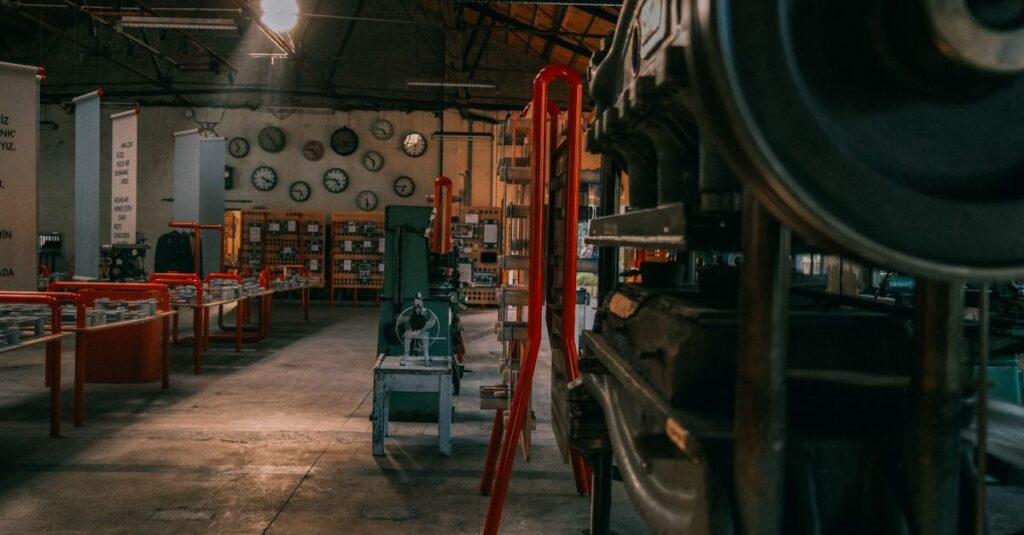
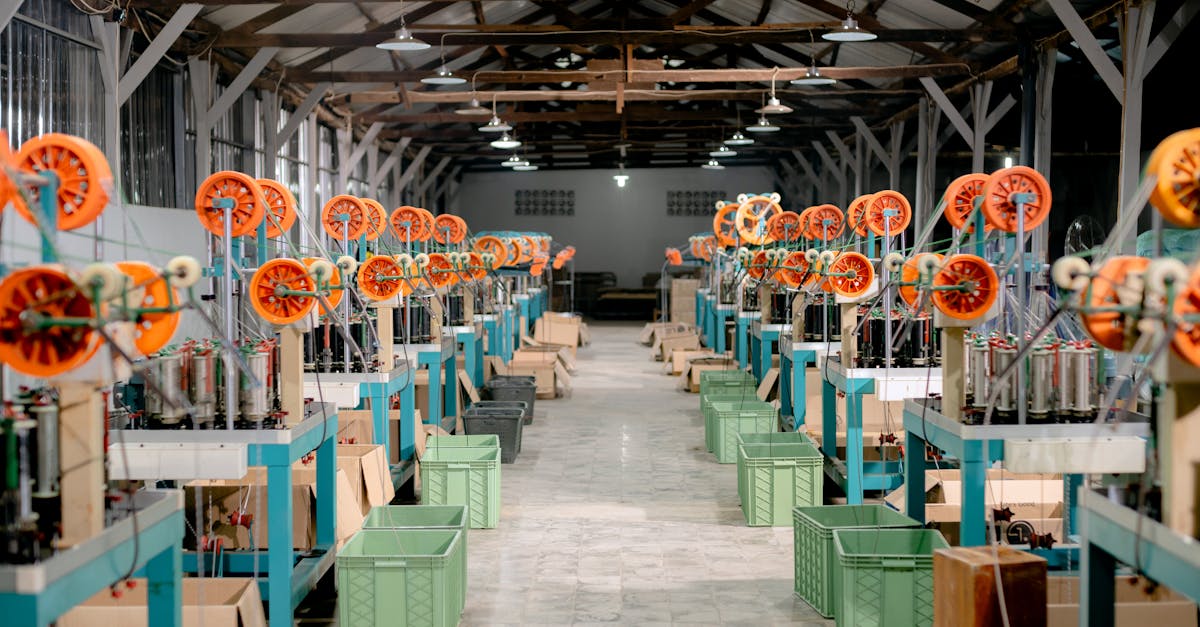
I'm not going to throw jargon at you. This is how it works at Sri Rama Notebooks, a real factory in Rajahmundry that's been making notebooks since 1985. We produce 30,000 to 40,000 units per day. That sounds like a lot. But when you break it down — by paper cutting, printing, ruling, binding, trimming, packaging — each step has a limit.
Think about it like planning a dinner for fifty people. You can only cook as fast as your biggest pot allows.
Why Capacity Planning Matters for Bulk Buyers
The hidden cost of guessing
Most people who order notebooks in bulk — school procurement managers, corporate gifting heads, wholesalers — don't think about capacity until it's too late. They assume the factory can handle any order size, any deadline.
This is where the frustration starts.
Let me tell you about Ravi. He'. He's 42, a procurement officer at a chain of colleges in Vijayawada. Last June, he needed 15,000 notebooks for the new academic year. He called five manufacturers. Three said they'd need six weeks. One said four. One said two weeks but couldn't guarantee the paper quality. Ravi went with the two-week guy. The notebooks came late. The ruling was uneven. He had to reorder from someone else. That someone else was us.
What capacity planning actually tells you
- Realistic lead times — not just what you want to hear.
- Batch size limits — some machines handle 5,000 sheets at a time, not 50,000.
- Material availability — paper, ink, thread, board — all have supply chains.
- Labor constraints — skilled binders don't grow on trees.
Look, I'll be direct. If a manufacturer promises you 50,000 custom notebooks in a week, either they have a massive idle factory or they're lying. There's no third option.
Comparison Table — Annual Planning vs. Seasonal Planning
| Factor | Annual Planning | Seasonal Planning |
|---|---|---|
| Order volume | Consistent, spread across year | Peaks before school terms or new year |
| Lead time | 3-4 weeks typical | 6-8 weeks during rush |
| Price per unit | Lower, better bulk rates | Higher, overtime labor costs |
| Customization options | More flexibility | Limited to standard specs |
| Risk of delay | Low | High — everyone orders at once |
| Paper stock availability | Easy to source | Sometimes runs out |
| Ideal for | Schools, corporate annual diaries | One-time events, new year promotions |
I think — and I could be wrong — that most buyers would get better results if they planned annually. But nobody does. Because nobody thinks about notebooks until they need them. Which is… a lot to sit with.
Factors That Determine Manufacturing Capacity
Machine time vs. human time
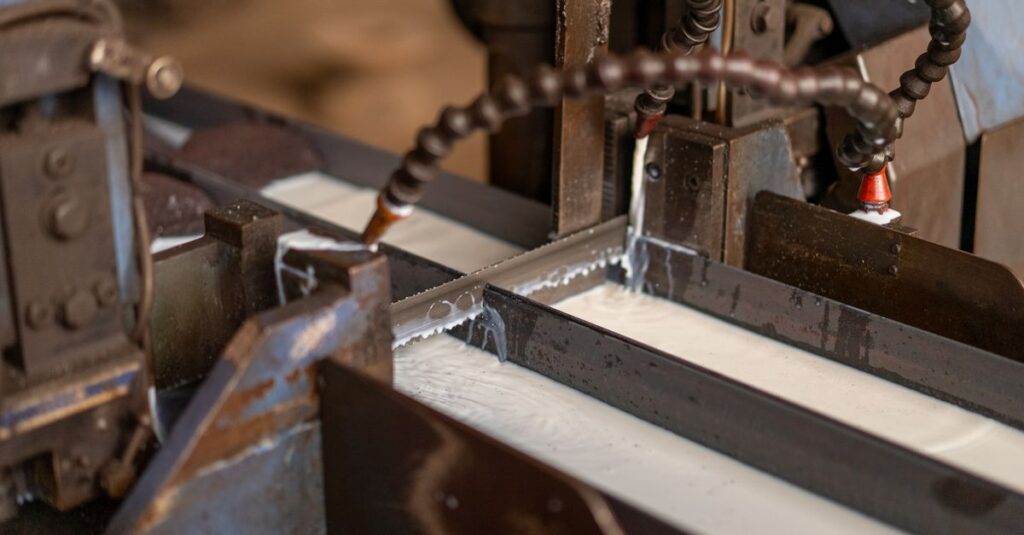
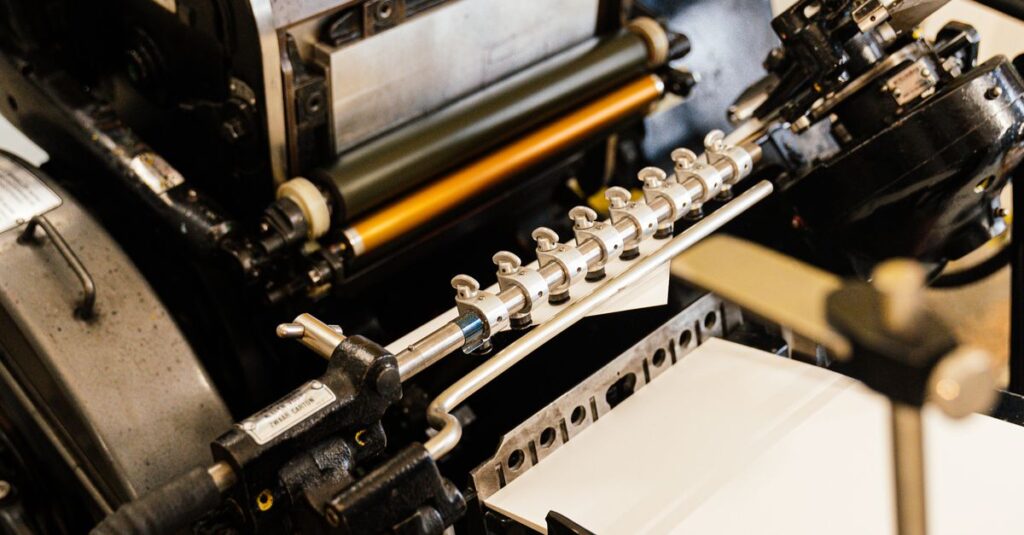
One offset printing press can run 8,000 sheets per hour. That sounds fast until you realize each notebook needs multiple passes — covers, inner pages, ruling, sometimes separate sections for different subjects. Then binding happens. Then trimming. Then quality check.
And machines break. Not often, but they do. A roller gets misaligned. A cutter dulls. These aren't disasters — they're just reality.
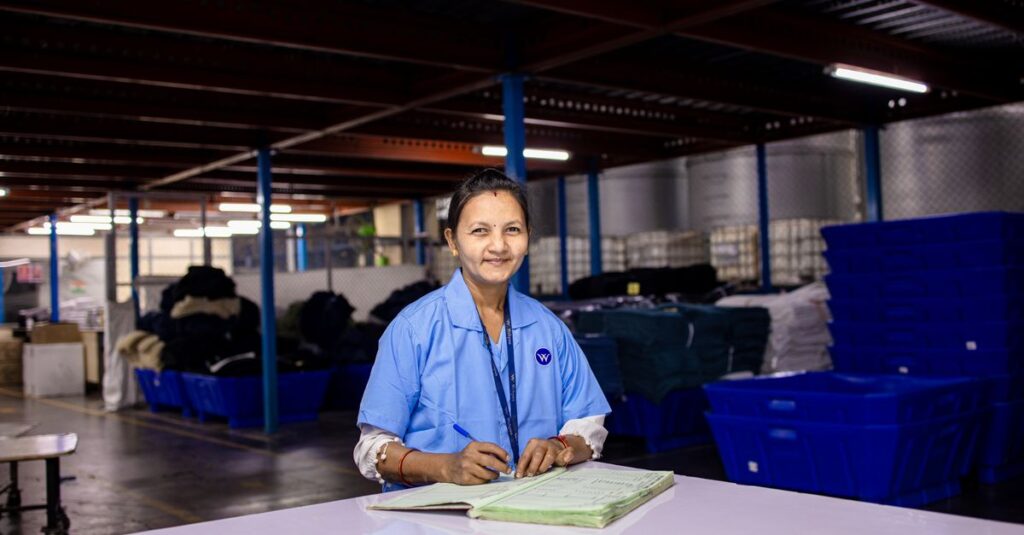
Then there's the human factor. Skilled workers who do perfect binding by hand — you can't rush them. I remember a time last year when one of our senior binders, Raju, whose fingers move faster than most people's eyes, took three days off. Our output dropped by almost 15%. That's capacity planning in real life. It's not just about machines. It's about people.
Paper quality and GSM
Using 54 GSM paper versus 70 GSM changes how fast the cutting machine can stack sheets. Thicker paper needs slower cuts to avoid misalignment. Lighter paper runs faster but can jam if humidity is high. These small details shift capacity by hundreds of units per day.
Expert Insight
I was reading something last month — actually it was an old industry report from 2019, I think — about how most Indian notebook factories operate at about 70% capacity on average. The rest is lost to material handling, setup changes between different notebook sizes (King, Long, Short, A4), and unexpected downtime. The report said something like: the difference between a 4-week lead time and a 6-week lead time is often just 15% better machine utilization. I don't have a cleaner way to put it than that. Efficiency is boring. But it's the only thing that matters here.
How to Plan Your Order to Match Factory Capacity
Right. So you want your notebooks delivered on time. What do you do?
Start with the hardest part: be honest about your deadlines. If you need notebooks for April 1st, don't wait until March 1st. Call in January. Book your slot early. Factories allocate capacity on a first-come, first-served basis. If you wait, you get whatever is left.
Second, standardize your specs. Custom covers, embossing, and special papers take extra time and often need dedicated machine setups. If you can use a stock cover design and standard ruling — single ruled, double ruled, whatever — you'll get through the production line faster.
Third — and this is the one most people skip — ask about minimum batch sizes for each operation. Some factories can print 10,000 covers in one run but can only bind 5,000 per shift. Your order will sit half-finished for hours. That's time you're paying for.
I've heard this enough times now to know it's not coincidence: buyers who share their order volume early and stick to standard specs get their notebooks faster. Every single time.
Frequently Asked Questions
What is notebook manufacturing capacity planning?
It's the process of matching a factory's production capabilities — machines, labor, materials — to customer order volumes and deadlines. For example, at Sri Rama Notebooks, we plan daily output of 30,000-40,000 units based on available paper stock, binding machine capacity, and worker shifts.
How long does it take to manufacture bulk notebooks?
Typically 3 to 6 weeks, depending on order size, customization level, and factory load. Standard notebooks with simple ruling and stock covers take less time. Custom notebooks with logo printing, embossing, or non-standard sizes take longer. Always ask for a confirmed timeline based on current capacity.
Can a factory increase capacity for urgent orders?
Sometimes, but not indefinitely. Factories can add overtime shifts or outsource certain operations like cutting or packaging. But bottlenecks like binding machines or drying time for offset printing can't be bypassed. Capacity has real limits. Honest factories will tellyou what they can and cannot do.
< p>Some common factors: paper GSM (thicker paper slows cutting), binding type (stitched is faster than spiral), number of pages (higher page counts increase binding time), and customization level (embossing and foil stamping add extra steps). Also, machine maintenance and worker availability affect daily output.
How can buyers ensure their order is delivered on time?
Order early — at least 6 weeks before your deadline. Provide clear specifications for size, ruling, cover design, and binding type. Stick to standard options if possible. Communicate regularly with the manufacturer about production status. And choose a factory with transparent capacity planning — not one that promises the impossible.
Conclusion
Here's what I want you to take away: capacity planning isn't about factories protecting themselves. It's about making sure your order actually arrives when you need it. The second thing: be early. Be specific. And ask the right questions before you commit.
I don't think there's one perfect answer here. Probably there isn't. But if you've read this far, you already know that planning matters more than rushing. Talk to a manufacturer who can show you their numbers — not just their promises. Sri Rama Notebooks has been doing this since1985. We don't promise miracles. We promise honest timelines and consistent quality.