

What's the Real Difference Between Offset and Digital Printing?
Let me get this out of the way – offset printing uses plates and ink, digital printing uses toner or inkjet directly from a file. Sounds simple, but the implications are huge. (And I mean huge – we've had customers almost double their budget because they chose the wrong method.)
With offset, you pay upfront for plate making. That cost is spread across thousands of notebooks. With digital, no plates. But the per-unit cost stays flat, sometimes even high.
Here's a quick comparison table:
| Factor | Offset Printing | Digital Printing |
|---|---|---|
| Setup cost | High (plates, makeready) | Low (no plates) |
| Per-unit cost (large qty) | Very low | Higher |
| Minimum quantity | 500–1000+ to be cost-effective | As low as 1, but best for 50–500 |
| Color consistency | Excellent, PMS matching | Good, slight variation |
| Turnaround time | Longer (plate making, drying) | Faster, same-day possible |
| Customization per copy | Difficult (all same) | Easy (variable data) |
| Paper options | Wide range, thicker stocks | Limited to coated/uncoated |
| Best for | Large runs, corporate diaries, branded notebooks | Small batches, personalized, prototypes |
See the pattern? If you need 10,000 notebooks with your logo on every page, offset is your friend. If you need 200 with different names, go digital. If you're unsure which is right for your next order, Sri Rama Notebooks can give you a side-by-side cost estimate.
When Digital Printing Makes More Sense (And When It Doesn't)
I'll be honest – digital printing gets a bad rap sometimes. People think it's lower quality. That's not really true anymore. Modern digital presses are impressive. But for bulk orders? There's a catch.
Let me tell you about Ravi. He's a 42-year-old procurement manager at a chain of schools in Vijayawada. Last year he needed 300 custom notebooks for a pilot program – different covers for each grade. He went digital. Cost him about the same as offset would for 1000, but he didn't have leftover stock. Made sense.
But when the program expanded to 5,000 notebooks? He switched to offset. Why? The per-unit cost dropped by nearly 40%.
That's the thing – digital has a sweet spot. Under 500 units, it's usually cheaper. Over 1000, offset starts to pull ahead. Between 500–1000? It depends on complexity.
One more thing – digital allows variable data. So if you want each notebook to have a different student name or barcode, digital is your only option without going insane with plates.
Why Offset Printing Still Wins for Large Orders
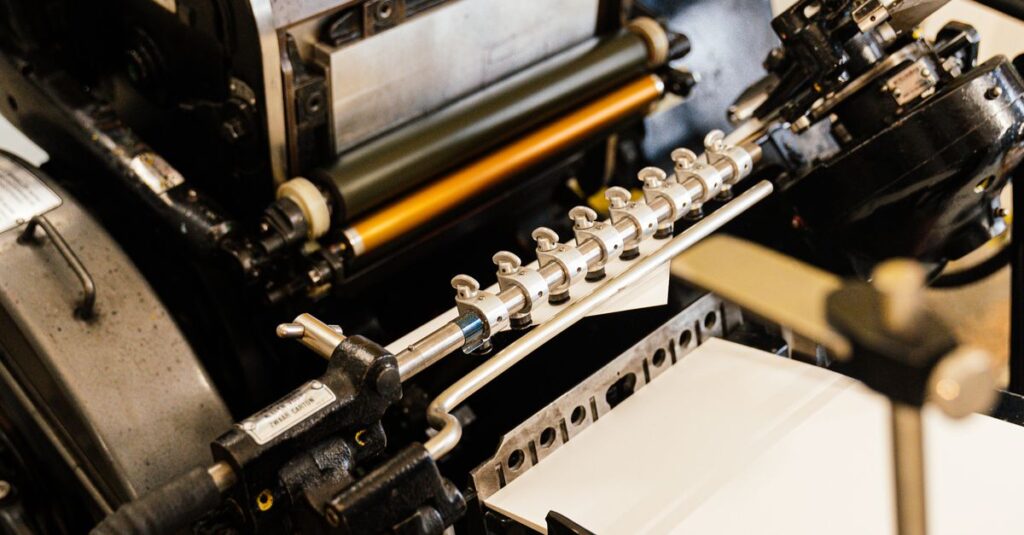
Here's where I get a little biased, and I think that's fair. We've been doing offset printing since 1985. I've seen the same machine run for thirty years.
OFFSET IS NOT ALWAYS THE WINNER – it depends on your run size.
Expert Insight
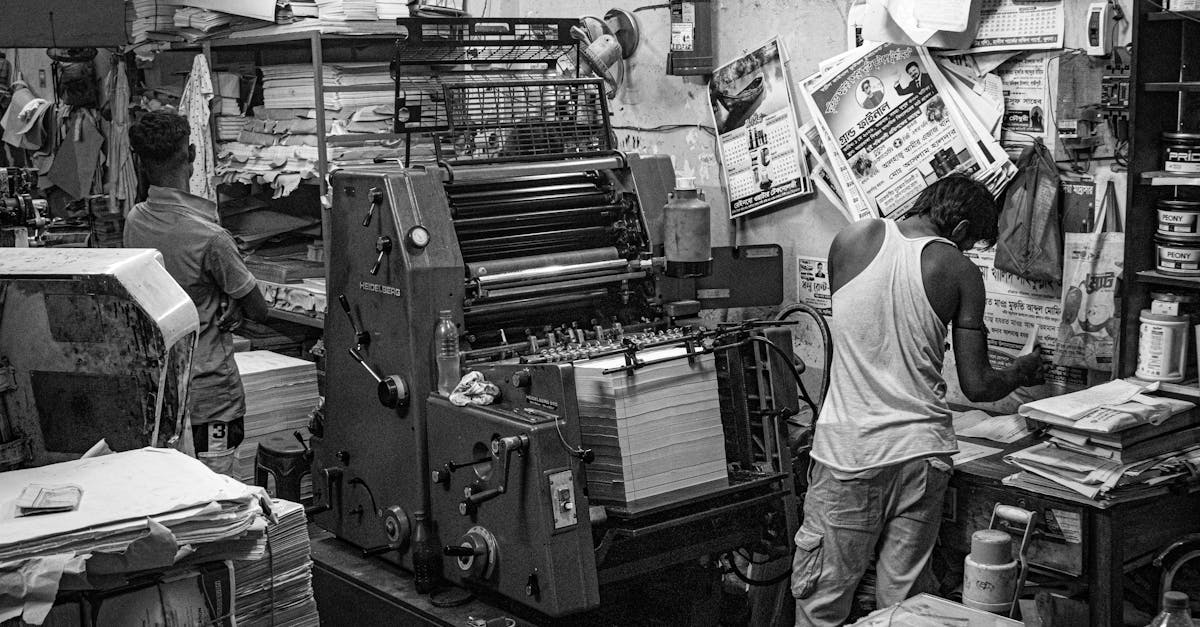
I remember in the early 2000s, a client from Dubai visited our factory. He needed 50,000 diaries for a bank. Offset was the obvious choice. But he was worried about color matching – the bank's logo had a specific red. I took him to the pressroom, showed him the Pantone book matching perfectly on the first pull. He trusted us after that. I think about that moment sometimes – the confidence that comes from seeing a press run smoothly. Offset gives you that consistency.
For large orders – I'm talking 5,000 notebooks and up – offset delivers the best cost per unit, the sharpest text, and the most accurate colors. It's also better for heavy paper stocks and specialty finishes like foil stamping. Of course, it requires more lead time. You can't get 10,000 offset notebooks overnight. But if you plan ahead, it's the gold standard.
Common Mistakes Bulk Buyers Make When Choosing a Printing Method
Look, I've been in enough meetings to know the same mistakes happen again and again.
First, people assume digital is always cheaper. It isn't. For a bulk order of 10,000, offset is significantly cheaper per unit. I've seen quotes where offset was half the digital price for large runs.
Second, they don't factor in setup costs. Offset plates cost money. But if you're ordering more than 1,000, that cost is negligible per notebook. Digital has no setup, but the per-unit price stays high.
Third, they ignore paper quality. Digital printers work best on coated papers. If you want the feel of a traditional notebook with 70 GSM paper, offset is often the only option.
- Always get quotes for both methods.
- Ask about minimum quantities.
- Consider your timeline.
- Think about whether you need customization per copy.
I tell clients: 'Tell me your quantity and your deadline, and I'll tell you which method.' Nine times out of ten, the answer is obvious. But that one time? It keeps you honest.
Frequently Asked Questions
Which is cheaper for bulk notebook orders – offset or digital?
For orders above 500 to 1,000 notebooks, offset printing is almost always cheaper per unit. Below that, digital can be more cost-effective because there are no plate-making charges. Get a quote for your specific quantity.
Can digital printing match the color accuracy of offset?
Digital has improved, but offset still wins for exact Pantone matching and consistent color across thousands of copies. If your brand color is critical, offset is safer.
What is the minimum quantity for offset printing notebooks?
Typically, offset becomes economical at around 500 to 1,000 notebooks. Below that, setup costs make it expensive. For smaller runs, digital is better.
Is digital printing good for custom notebooks with different names?
Yes, digital printing allows variable data – each notebook can have a unique name, barcode, or design without extra cost. Offset cannot do this easily.
Which printing method is faster for bulk orders?
Digital is faster because there's no plate-making. For urgent small batches, digital wins. For large volumes, offset takes longer but the cost savings are worth the wait.
Conclusion
I don't think there's one perfect answer for every situation. Offset is better for large, uniform runs. Digital is better for small batches and personalization. The key is knowing your needs – quantity, quality, timeline, and budget. If you're still unsure, just call us. We've been doing this long enough to guide you without the sales pitch. Sri Rama Notebooks