What Actually Keeps a Notebook Together?
You know that feeling. You buy a nice notebook. Day one it feels solid. By week three, pages start falling out. You open it one morning and a whole section just slides out, like it gave up. I've seen this happen more times than I can count. And not just with cheap ones.
The thing holding your notebook together isn't magic. It's a combination of mechanics, material choice, and how the spine gets treated during production. That's what I want to talk about today — the science behind durable notebook binding techniques and why some notebooks last years while others barely survive a semester.
At Sri Rama Notebooks, we've been binding notebooks since 1985. I've seen the good, the bad, and the ones that fell apart before the customer even wrote in them.
Stitched Binding vs Perfect Binding — The Hard Truth
Most people don't think about binding until something goes wrong. But here's the thing — the binding method decides everything. How flat the notebook opens. How long it lasts. Whether you can throw it in a bag and forget about it.
There are two main ways notebooks get bound in India right now. And they're not the same thing.
Stitched Binding (Smyth Sewn)
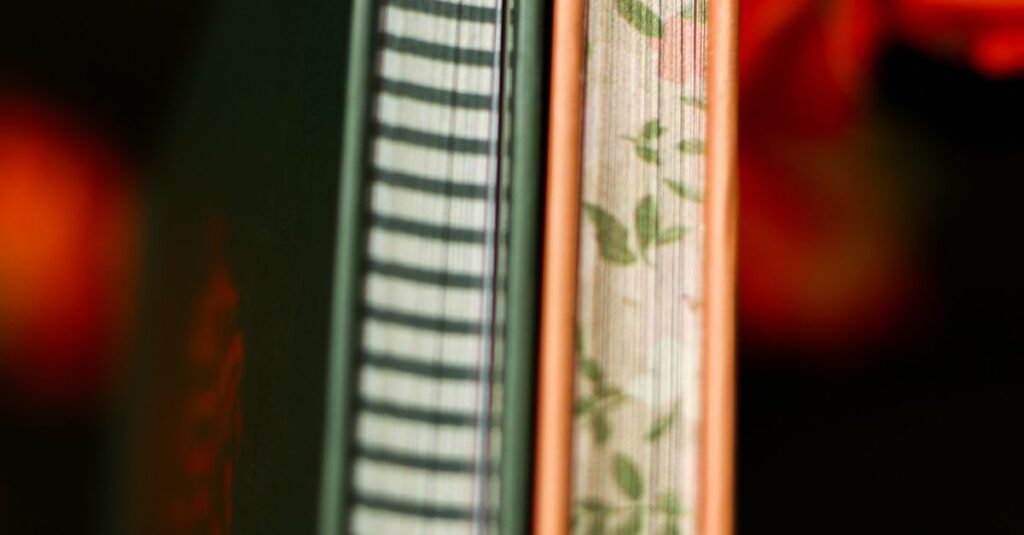
This is the old way. The way my father learned in the 80s. Signatures — those small groups of pages — get folded, stacked, and sewn together with thread. Then the whole block gets attached to the cover. Each page is physically tied to the next one.
- Opens completely flat. No fighting the spine.
- Pages can't fall out unless the thread breaks — which takes serious abuse.
- Lasts decades. I've seen 30-year-old account books still intact.
Perfect Binding
The pages are glued to the spine with a strong adhesive. No sewing. Just glue. It's faster, cheaper, and that's why most spiral notebooks and paperbacks use it.
- Pages can crack and fall out over time.
- Doesn't open flat without breaking the spine.
- Cheaper to produce. That's the main advantage.
Expert Insight
I remember standing in the factory around 1998. We had a batch of perfect-bound diaries come back from a school in Visakhapatnam. Pages had fallen out within two months. The principal called us. He wasn't angry — just disappointed. We replaced the entire order with stitched ones. I think about that phone call every time someone asks me which binding is better.
The question isn't which one is better in theory. It's which one you need for what you're actually doing.
Spiral Binding — The One Everyone Loves to Hate
I'll be honest. I used to think spiral binding was a compromise. Not real binding. Just metal rings and punched holes.
A few years ago, a procurement manager from a tech company in Hyderabad — let's call him Ravi — told me something that changed my mind. He said his team uses spiral-bound notebooks because they tear pages out constantly. Meeting notes. Brain dumps. Sketches. They don't care about preserving the notebook. They care about getting information OUT of it. That's a completely different need than a student keeping notes for a year.
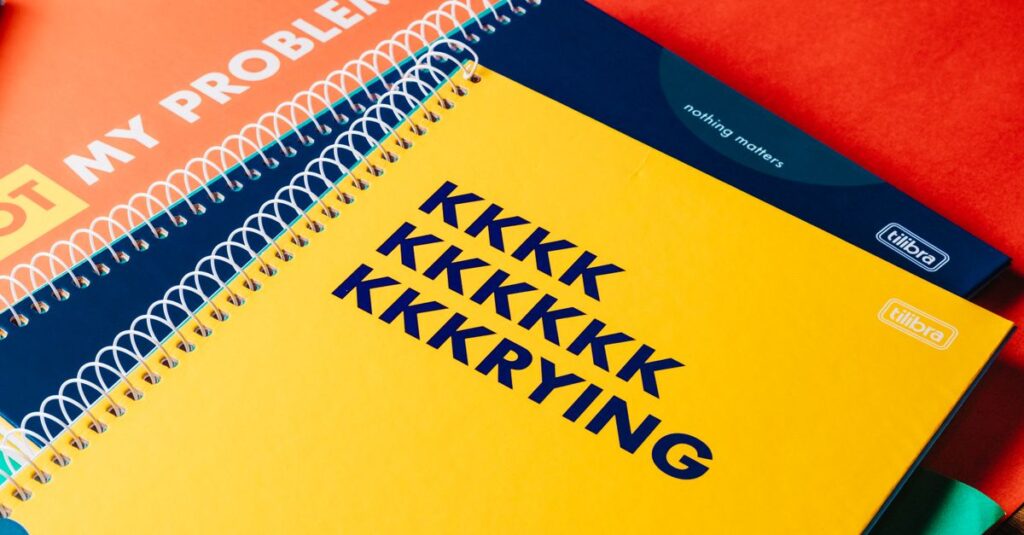
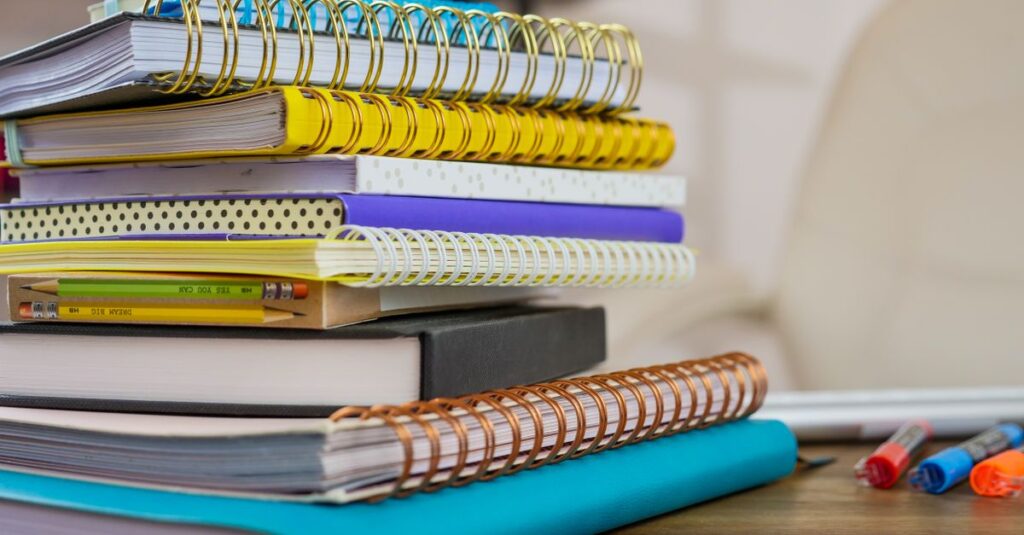
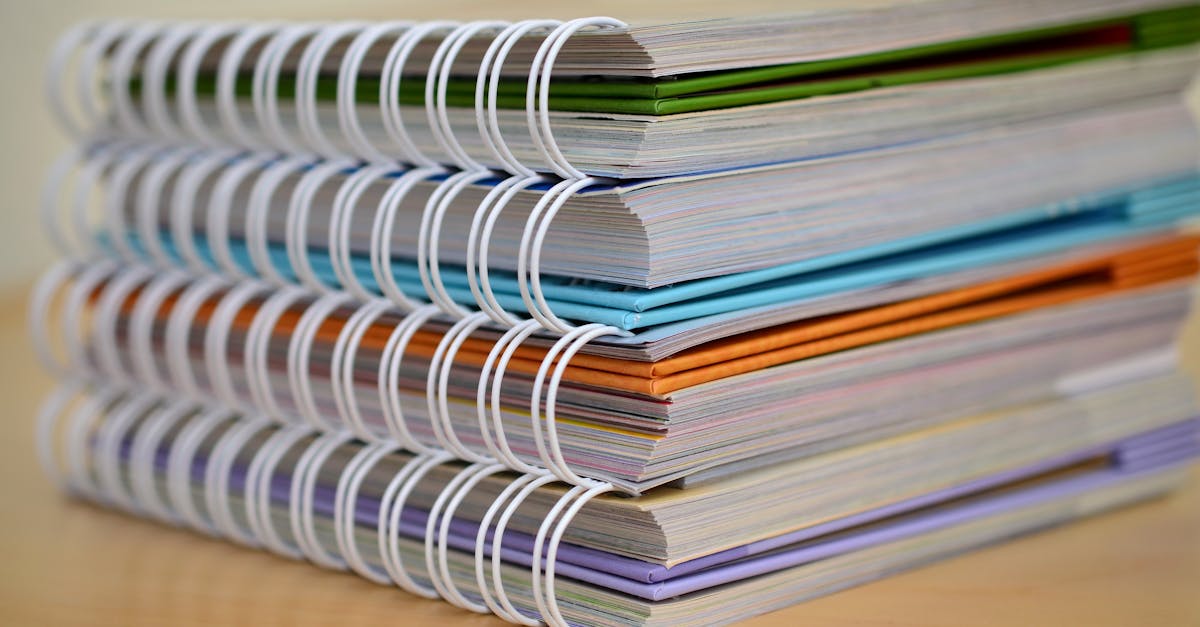
Spiral binding uses a wire coil that passes through punched holes. The pages can rotate 360 degrees. You can fold the cover back. It's functional. It's not meant to last forever.
| Feature | Stitched Binding | Perfect Binding | Spiral Binding |
|---|---|---|---|
| Durability | Very high (decades) | Medium (months to years) | Low to medium |
| Opens flat | Yes | No (needs breaking in) | Yes (360 degrees) |
| Pages can be removed | No | No | Yes (easily) |
| Cost | Higher | Lower | Medium |
| Best for | Diaries, account books, long-term use | Textbooks, journals, budget notebooks | Meeting pads, sketchbooks, temporary notes |
So no, spiral isn't bad. It's just different. But if you need a notebook that stays together for years? Don't pick spiral.
The Glue That Holds Everything — Literally
Here's something most people don't realize. The glue matters as much as the method. You can use the best stitching in the world, but if the glue on the spine is wrong, the whole thing falls apart.
Perfect binding uses polyurethane reactive (PUR) or hot melt adhesives. PUR is stronger. It flexes with temperature changes. Hot melt is cheaper but gets brittle in cold weather. In Rajahmundry, where it gets hot and humid for most of the year, hot melt can actually perform better than PUR in some cases. That's counterintuitive. But it's true.
I was talking to our production manager last month — third coffee of the day, no food since lunch — and he said something that stuck with me. The best glue in the world won't fix bad page alignment. If the signatures aren't perfectly stacked before binding, the glue can't reach every page evenly. That's where notebooks fail. Not in the material. In the process.
The science behind durable notebook binding techniques isn't just about choosing the right glue. It's about how the whole production line is set up.
Cover Material — The Unseen Protector
Nobody buys a notebook for the binding. But everyone notices when the cover starts peeling after two weeks.
The cover takes all the abuse. It gets shoved into bags. Dropped. Bent. Spilled on. If it's too thin, the board inside warps. If it's too stiff, the spine cracks. There's a balance.
For stitched notebooks, we use a rigid board wrapped in cloth or coated paper. That cloth joint — where the cover meets the spine — is what lets the notebook open flat without tearing. Cut corners there and the cover separates from the pages within weeks.
For perfect bound notebooks, the cover is usually one piece of cardstock that wraps around. The spine gets glued directly. There's no flex joint. That's why these notebooks develop those white crease lines on the spine. Eventually, the cover peels off entirely.
I think — and I could be wrong — that most people don't need archival quality. They need something that lasts a year. Maybe two. But manufacturers often cut costs in places you can't see. The cover thickness. The glue quality. The thread strength. And you don't notice until it's too late.
Why Some Notebooks Fail Within a Month
Let me tell you about Priya. She's 28, works at a logistics company in Chennai. She bought a pack of five notebooks from a local store. By the third week, three of them had pages falling out. She had to staple sections back together. She was annoyed. Not furious. Just tired of dealing with it.
I hear stories like this a lot. And the reason is usually one of three things.
- Bad paper grain direction. Paper has a grain — like wood. If the grain runs perpendicular to the spine, pages won't fold properly. They'll fight you every time you open the notebook.
- Insufficient glue coverage. The spine needs full contact with adhesive. If the machine is misaligned even slightly, gaps appear. Pages near those gaps will fall out first.
- Low GSM paper with weak binding. Thin paper tears at the binding edge. Thicker paper (like 70 GSM or above) holds stitches and glue better. 54 GSM — which is common in Indian notebooks — works if the binding is done right. But it's less forgiving.
The science behind durable notebook binding techniques comes down to this: every part of the process has to work together. One weak link and the whole notebook fails.
Frequently Asked Questions
Frequently Asked Questions
Which notebook binding is most durable?
Stitched binding (Smyth sewn) is the most durable. Pages are physically sewn together with thread and attached to the cover. These notebooks can last decades with normal use, which is why premium diaries and account books use this method.
Why do pages fall out of perfect bound notebooks?
Pages fall out because the glue dries out or becomes brittle over time. Temperature changes, humidity, and frequent opening stress the adhesive. If the glue coverage isn't consistent across the spine, some pages will detach faster than others.
Can spiral bound notebooks be rebound?
Technically yes — you can punch new holes and add a new spiral coil. But the paper gets damaged each time it's punched. After one or two rebinds, the holes tear. It's usually better to buy a new notebook unless the content is irreplaceable.
What does GSM mean for notebook binding?
GSM stands for grams per square meter — it measures paper thickness. Higher GSM paper (like 70 or 80 GSM) is thicker and holds stitches and glue better. Lower GSM paper (like 54 GSM) is thinner and more likely to tear at the binding edge if the binding isn't done carefully.
How do I check binding quality before buying bulk notebooks?
Open the notebook completely flat. If the spine cracks or white lines appear, the binding is weak. Gently pull a few pages near the center. If they move easily or feel loose, the glue or stitching is insufficient. For bulk orders, always ask for a sample first.
Final Thoughts — Not a Conclusion, Just a Stop
Stitched binding lasts. Perfect binding is affordable. Spiral binding is practical. None of them is wrong — you just need the right one for what you're doing.
If you're ordering notebooks for a school or a corporate office, ask about the binding. Don't assume all notebooks are the same. They're not. The science behind durable notebook binding techniques isn't complicated — but it matters more than most people realize.
I don't have one answer here. Probably there isn't. But if you've read this far, you already know that the binding is what separates a notebook that lasts from one that falls apart. If you want notebooks that actually hold together, talk to us at Sri Rama Notebooks.