Why Most Bulk Notebook Orders Go Wrong
Look, I've seen it happen more times than I can count. A school orders 10,000 notebooks. Three months later, pages start falling out. Or the print is smudged. Or the covers curl up after a week of normal use.
And the blame game starts. The procurement manager blames the manufacturer. The manufacturer blames the paper supplier. Nobody wins.
Here's the thing — when you're ordering in bulk, the margin for error shrinks. One bad batch can mess up an entire academic year or a corporate giveaway. So what to check before ordering bulk notebook printing? I'll tell you what I've learned over four decades of making notebooks at Sri Rama Notebooks.
It's not complicated. But it matters.
Paper Quality — The One Thing People Forget
I don't care how nice the cover looks. If the paper bleeds through with a ballpoint pen, you'll have unhappy customers. Paper quality is the backbone of any notebook.
Most manufacturers use 54 GSM paper for standard notebooks. That's fine for school use — but if you're ordering corporate diaries where people use fountain pens, you need at least 70 GSM. Maybe even 80.
Here's a quick checklist:
- GSM — higher means thicker, less bleed-through
- Opacity — can you see the back side of the page?
- Brightness — affects how crisp the printed lines look
- Shade — some papers have a yellowish tint; others are pure white
I remember once a procurement manager from a college in Rajahmundry — he ordered 20,000 notebooks without asking about the paper. They turned up with paper so thin you could read three pages at once. We had to reprint the whole lot. Cost us both money and time.
Micro-story: Rajesh, 38, procurement officer at a public school in Visakhapatnam, told me last year — 'I assumed all notebooks use the same paper. I was wrong. My students ended up with ink blots everywhere.' He didn't check the GSM before ordering. He does now.
So before you sign that bulk order, ask for a paper sample. Not a photo. A physical sample. Run your hand over it. Write on it. Scratch it. If it feels flimsy, it probably is.
Binding That Actually Holds Up
Binding is where most manufacturers cut corners. You don't notice until the notebook falls apart in someone's bag. And by then, it's too late.
We make three types of binding at our factory:
| Binding Type | Best For | Durability | Cost |
|---|---|---|---|
| Stitched | School notebooks, long-term use | Excellent — pages stay in place | Moderate |
| Spiral | Corporate diaries, lay-flat usage | Good — but can bend | Higher |
| Perfect | Account books, thick notebooks | Fair — may crack over time | Lower |
I'll be honest — stitched is my favorite. It's old school. But it works. A properly stitched notebook can last years. Spiral is great for diaries because you can fold it back. Perfect binding? Cheap, but don't expect it to survive rough handling.
Here's the thing nobody tells you: the binding method also affects how many pages you can fit. For a 200-page notebook, perfect binding is fine. For 700 pages? You need stitched or spiral. Period.
Ask the manufacturer what type they recommend for your use. If they push perfect binding for everything, be suspicious. They're probably saving money, not helping you.
I had a client from a bank in Hyderabad who insisted on perfect binding for their corporate diaries. Within three months, covers came off. They switched to stitched and never looked back. That's experience talking.
Customization — When Logos and Colors Matter
You're ordering bulk notebooks because you want your brand on them. Or maybe you need specific rulings for your school. Customization isn't just about slapping a logo on the cover. It's about the whole shebang — cover material, interior layout, foil stamping, embossing, even the spine.
Here's what to look for:
- Print method — offset printing gives the best quality for large runs
- Color matching — ask for a proof before production
- Cover material — hardboard, paperboard, or laminated? Each has a different feel
- Ruling type — single, double, four-ruled, etc. You need to specify
Expert Insight
I was talking to a distributor from Vijayawada last month — over chai, actually — and he told me about a client who wanted gold foil stamping on 5,000 diaries. The manufacturer quoted cheap, but the foil peeled off within a week. Turns out they used low-temperature foil. I've seen that happen more than once. The thing is, good foil stamping isn't cheap. But bad foil stamping costs you more in the long run — damaged brand image, unhappy recipients. Don't cut corners here.
Another thing: private label. If you want your brand name on the notebook as if you made it yourself, ask about OEM options. We do that all the time for corporate clients. They send us their design, we make the notebooks, and the end user never knows it came from a third party. It's a clean look.
But — and this is important — check the minimum order quantity for custom work. Some manufacturers have high MOQs that might not fit your budget.
The Manufacturer's Track Record — How to Check Without Getting Burned
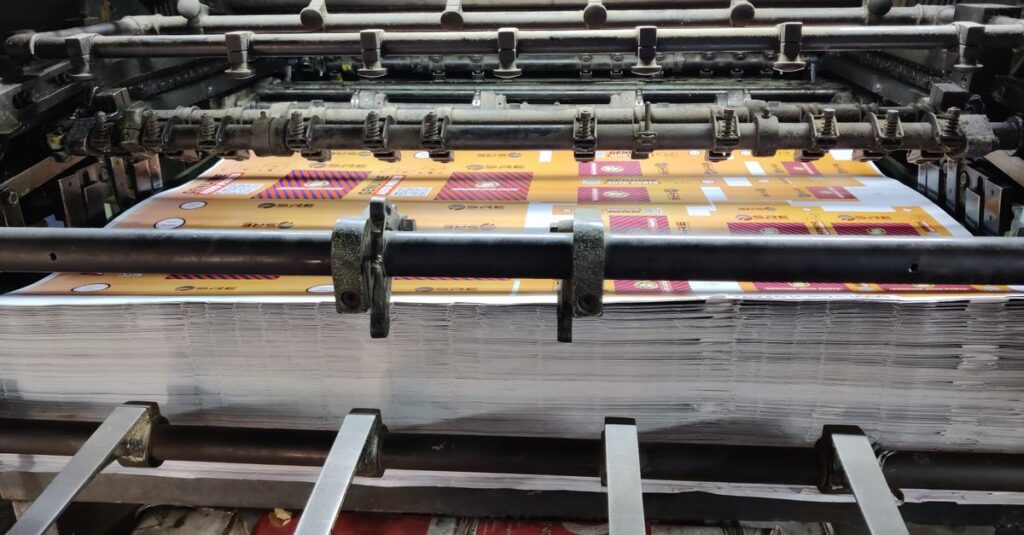
You can't just trust a website. Anyone can set up a factory photo shoot. I've seen companies claim they make 100,000 notebooks a day but actually outsource everything. So what to check?
First, ask for references. A legit manufacturer will give you names of past clients. Call them. Ask about delivery timelines, quality consistency, and after-sales support.
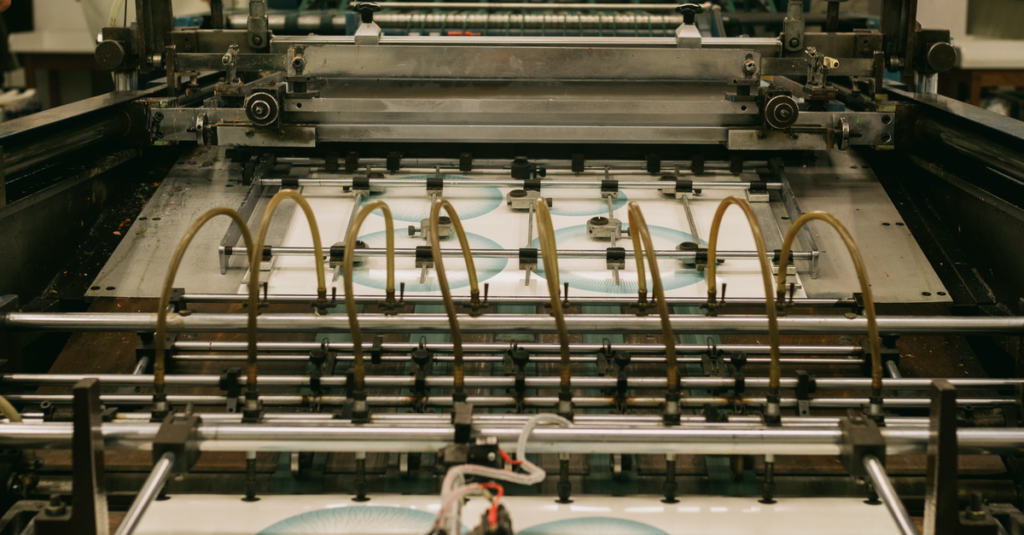
Second, production capacity. We produce 30,000 to 40,000 units daily. That means we can handle a big order without delaying. If a manufacturer says they can do 50,000 units in a week but their factory looks small on Google Maps, be careful.
Third, export experience. If they've shipped to the Gulf, Africa, USA, UK, Europe, Australia — they know international standards. That's a good sign. We've been exporting for years, so we understand packaging requirements, customs paperwork, and quality checks.
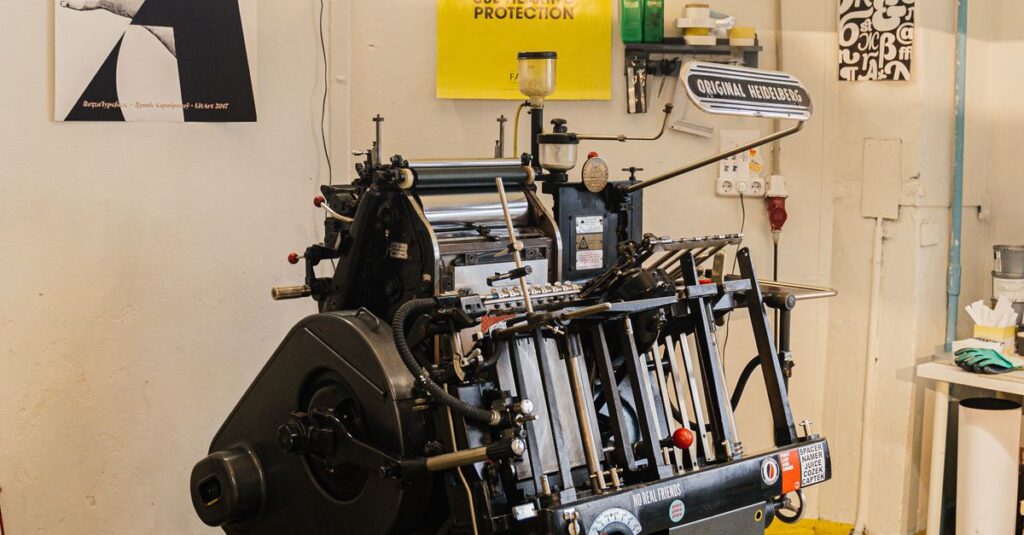
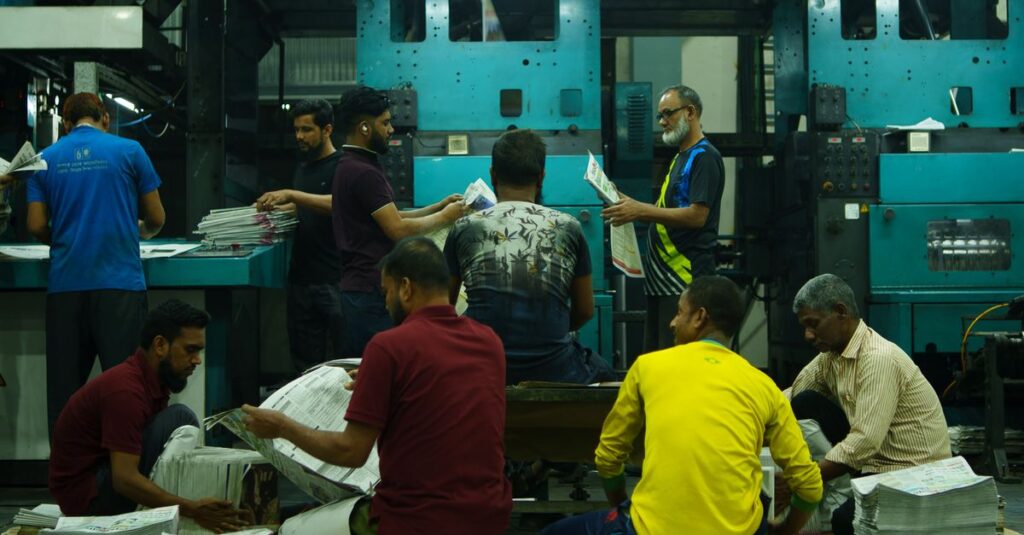
Fourth, visit the factory if you can. Or at least do a video call walkthrough. You want to see the machines, the storage, the workers. A messy factory usually means messy products.
I had a buyer from Nigeria who ordered 100,000 notebooks from a company without checking. The notebooks arrived with mismatched rulings — half were single-ruled, half double-ruled. He never got a refund. He came to us the next time. Trust but verify.
And honestly? If a manufacturer seems too eager to say yes to everything, that's a red flag. Good manufacturers will tell you if something isn't feasible. They'll have limits. That's a sign they know what they're doing.
What to Ask Before Signing the Contract — A Quick Checklist
Right. So you're ready to order. Here's a short list of questions to send the manufacturer. Don't skip any.
- What GSM paper do you use as standard? Can you upgrade?
- What binding method do you recommend for [my use case]? Why?
- Can you provide a sample with my logo before full production?
- What is your lead time? Do you charge extra for urgent orders?
- What happens if the batch is defective? Do you replace or refund?
- Do you ship internationally? What about customs clearance?
- Can I visit the factory or get a video tour?
One more thing — get everything in writing. Verbal promises vanish when problems arise. A proper contract with specs, timelines, and penalties for delays is worth the paper it's printed on. We've been in business since 1985. We've seen handshake deals go south. Don't rely on trust alone.
After all, you're spending real money. You deserve a product that doesn't fall apart in a month.
Frequently Asked Questions
What is the most important thing to check before ordering bulk notebooks?
Paper quality and binding. Those two determine how long the notebook lasts. A good cover means nothing if the pages fall out or bleed through. Always ask for a sample.
How do I know if a notebook manufacturer is reliable?
Check their production capacity, ask for client references, and if possible, visit the factory. A reliable manufacturer will have decades of experience and export history. We've been manufacturing since 1985 and export globally.
Can I customize notebooks with my own logo and design?
Yes, most manufacturers offer custom printing, foil stamping, embossing, and private label options. Minimum order quantities may apply. We do custom covers, rulings, and packaging for schools and corporates.
What binding type is best for bulk notebook orders?
Stitched binding is most durable for school notebooks. Spiral is good for diaries that need to lay flat. Perfect binding works for thick books but may crack over time. Choose based on usage.
How long does it take to produce bulk notebooks?
Lead times vary based on quantity and customization. For a standard 10,000 notebook order, expect 2–4 weeks. Rush orders may be possible but often cost extra. We can produce 30,000–40,000 units daily, so we're fast.
Conclusion
So here's the deal. Ordering bulk notebooks isn't rocket science. But it's also not something you want to learn the hard way. Check the paper. Check the binding. Check the manufacturer's reputation. Ask questions. Get samples. Don't assume.
Most of the problems I see come from skipping those steps. And then people end up stuck with notebooks nobody wants to use.
I don't think there's a single perfect answer for every order. It depends on your budget, your audience, and your timeline. But if you keep these points in mind, you'll dodge most of the common traps.
If you want a manufacturer who's been doing this since 1985 and actually knows what they're talking about, Sri Rama Notebooks is just a call or email away. We ship to schools, corporates, and distributors in India and worldwide.