The Real Cost of an Unreliable Notebook Supplier
Let me tell you about a procurement manager I know. He ordered 10,000 notebooks for a school district. The supplier promised delivery in three weeks. Six weeks later, half the notebooks had misaligned rulings and the binding was falling apart. He had to scramble for a replacement. That's when he started asking: Why Reliable Notebook Suppliers Matter for Long-Term Procurement. If you've been in procurement long enough, you've had a similar nightmare. The difference between a smooth supply chain and a disaster often comes down to one thing: who you buy from. At Sri Rama Notebooks, we've been on the other side of that equation for 40 years.
The Hidden Costs of Unreliable Suppliers
When a supplier drops the ball, it's never just one problem. It's a chain reaction. Late delivery means you miss your own deadlines. Your client gets angry. You lose trust. And the money? You end up paying rush shipping for a replacement, or worse, you accept substandard goods because you have no choice.
Here's what I've seen happen most often:
- Quality drops without warning – One batch is fine, the next has paper that bleeds through. You can't predict it.
- Communication goes silent – You email, you call. Nothing. Then a truck shows up with the wrong product.
- Customization gets botched – Logo printed upside down. Wrong ruling pattern. It's embarrassing.
And the worst part? These costs don't show up on the invoice. They show up in your stress level and your reputation. I've had procurement managers tell me they spent more time firefighting than actually planning. That's not procurement. That's damage control.
The question isn't whether you can find a cheaper supplier. It's whether you can afford the one who disappears when things go wrong.
What Makes a Notebook Supplier Reliable?
Reliability isn't a feeling. It's a set of behaviors you can measure. Over the years, I've put together a mental checklist. Here's how a reliable supplier stacks up against one that isn't.
| Factor | Reliable Supplier | Unreliable Supplier |
|---|---|---|
| Delivery timelines | Consistently meets or communicates delays early | Misses deadlines, gives vague excuses |
| Quality consistency | Same specs every batch, random checks done | Varies wildly, no quality control visible |
| Communication | Responds within hours, proactive updates | Hard to reach, only replies after problems |
| Customization ability | Handles logo printing, private label, embossing easily | Makes errors, blames the artwork |
| After-sales support | Replaces defective items without hassle | Disputes claims, slow to act |
I'm not saying every reliable supplier is perfect. But the pattern is clear. When you're buying notebooks in bulk for years, these small differences compound. A supplier who delivers on time 99% of the time saves you from 1% of chaos. That 1% can be the difference between a smooth quarter and a frantic one.
Expert Insight
I was talking to an old colleague last month – he's been in stationery procurement for over 20 years. He said something that stuck with me. 'The best suppliers aren't the ones who never make mistakes. They're the ones who tell you immediately when they do.' I think about that a lot. Because in long-term procurement, trust isn't built on perfection. It's built on honesty. And that's harder to find than you'd think.
Real Stories from the Field
Ramesh, 42, procurement officer for a chain of 15 schools in Vijayawada. He ordered 20,000 notebooks from a new supplier who quoted 15% less than his usual vendor. The first batch looked fine. The second batch arrived two weeks late – and the paper was thinner. Students complained the ink bled through. Teachers were frustrated. Ramesh had to reorder from his old supplier at a higher price, plus pay for rush delivery. He told me, 'I saved 15% on the first order. Lost 30% on the second. Never again.'
That story plays out more often than you'd imagine. And it's not just about money. It's about the headache of explaining to your boss why the notebooks don't meet specs. It's about the late nights spent finding a replacement.
How to Evaluate Suppliers for Long-Term Procurement
So how do you avoid becoming Ramesh? Here's what I've learned from watching good procurement teams operate.
- Ask for samples before the first bulk order. Not just one sample – ask for samples from different production runs. See if they're consistent.
- Check their production capacity. A supplier who can make 30,000 notebooks a day is different from one who can make 5,000. If you need 50,000, make sure they can handle it without subcontracting.
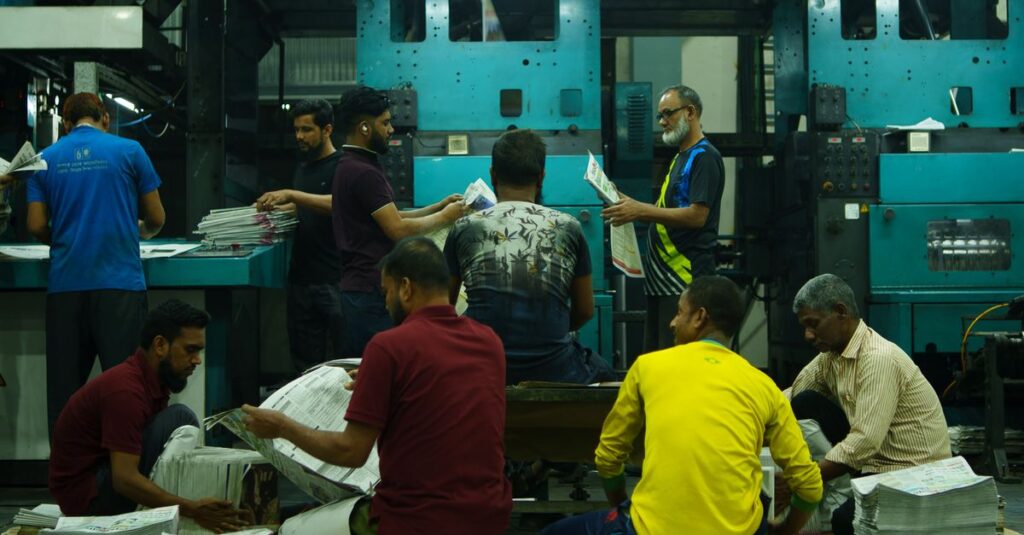
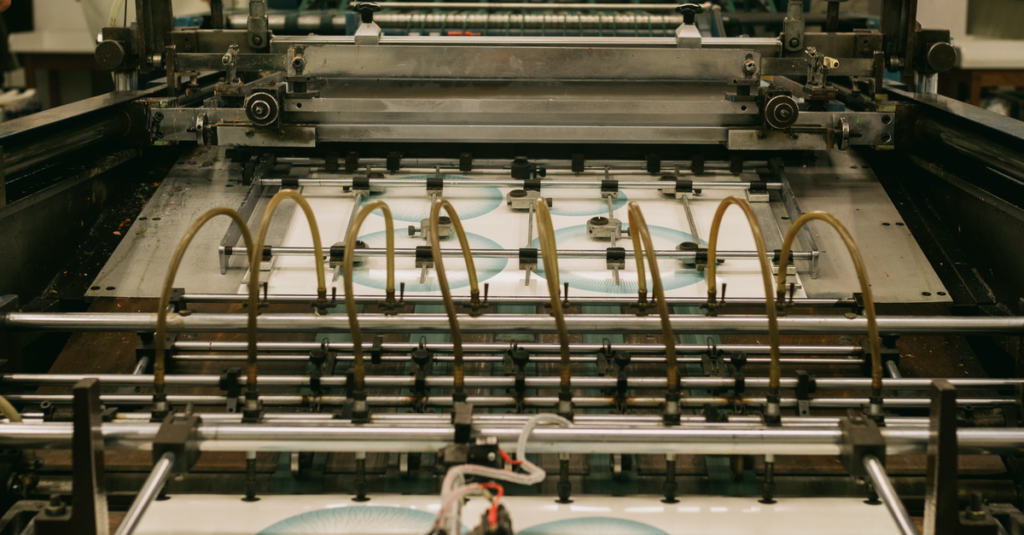
- Visit the factory if you can. I know it's not always possible. But a video call walkthrough tells you a lot. Look at the binding machines, the paper storage, the packing area.
- Talk to their existing clients. Any supplier can give you references. Call them. Ask about delivery times, quality issues, and how problems were handled.
- Start with a small order. Even if you plan to buy in bulk long-term, test them with a smaller batch first. It's a low-risk way to see how they operate.
These steps take time. But they save you from the kind of mess that costs months of productivity. And honestly? Most procurement managers skip them because they're in a hurry. That's exactly when things go wrong.
Why Consistency Matters More Than Price
I'll be direct: the cheapest supplier is rarely the best choice for long-term procurement. I've seen companies switch to a low-cost vendor, save money for two quarters, then spend the next year fixing problems. The math doesn't work.
Consistency means you can plan. You know the notebooks will arrive on a certain date. You know the paper quality will be the same. You know the logo will be printed correctly. That predictability is worth a premium. Because when you're ordering for a school year or a corporate event, you can't afford surprises.
At Sri Rama Notebooks, we've been making notebooks since 1985. We've seen fads come and go. But the one thing that keeps clients coming back is that they know what they'll get. Same quality. Same service. Year after year. That's not flashy. But it's what long-term procurement needs.
Frequently Asked Questions
What should I look for in a reliable notebook supplier?
Look for consistent quality, on-time delivery, clear communication, and the ability to handle customization. Ask for samples, check production capacity, and talk to existing clients. A supplier with decades of experience often has proven processes.
How can I verify a notebook supplier's reliability before ordering?
Request samples from different production runs. Visit the factory or ask for a video tour. Check their quality control procedures. Start with a small trial order to test their service and product consistency before committing to large volumes.
Why is long-term procurement different from one-time buying?
Long-term procurement requires consistency across multiple orders. A one-time buy can tolerate minor issues. But repeated orders need a supplier who maintains quality, meets deadlines, and communicates proactively. Reliability compounds over time.
What are the risks of choosing an unreliable notebook supplier?
Risks include delayed deliveries, inconsistent quality, damaged reputation with your clients, and hidden costs like rush shipping or replacements. In worst cases, you may lose contracts because your end product doesn't meet expectations.
Can a small notebook manufacturer be reliable for bulk orders?
Yes, if they have sufficient production capacity and quality control. Check their daily output – a manufacturer producing 30,000+ notebooks per day can handle large orders. Also verify their experience with bulk exports and institutional clients.
Conclusion
Two things I want you to take away. First: the cost of an unreliable supplier is almost always higher than the price difference. Second: reliability is built on small, consistent actions – not promises. If you're sourcing notebooks for the long term, find a supplier who treats your order like it matters. Because it does. I don't have a neat ending for this. But if you're tired of firefighting, maybe it's time to look at Sri Rama Notebooks.