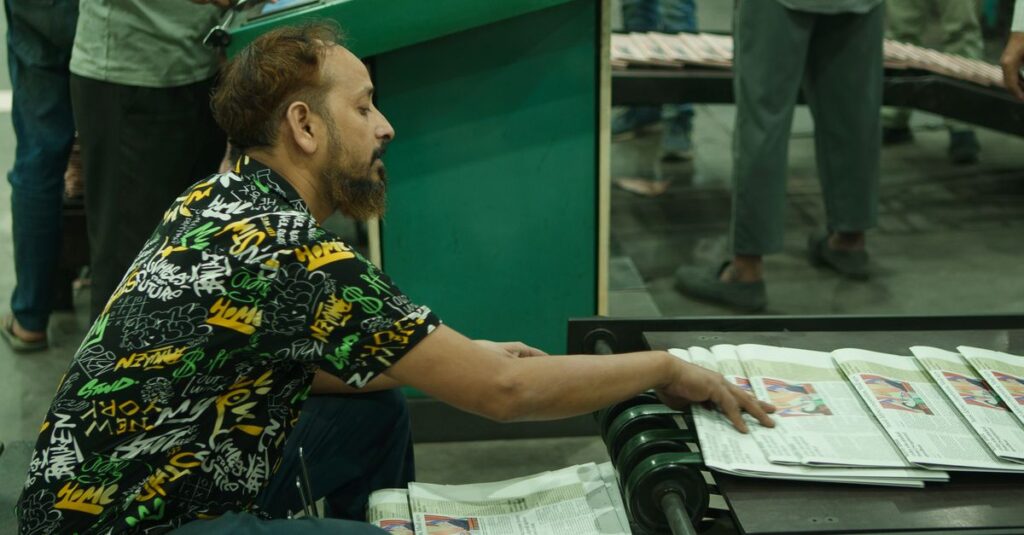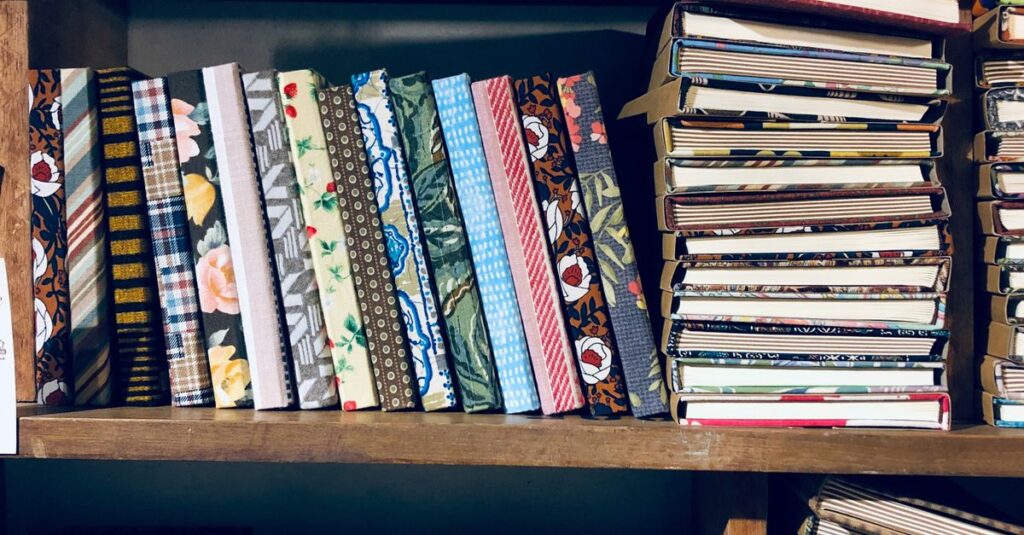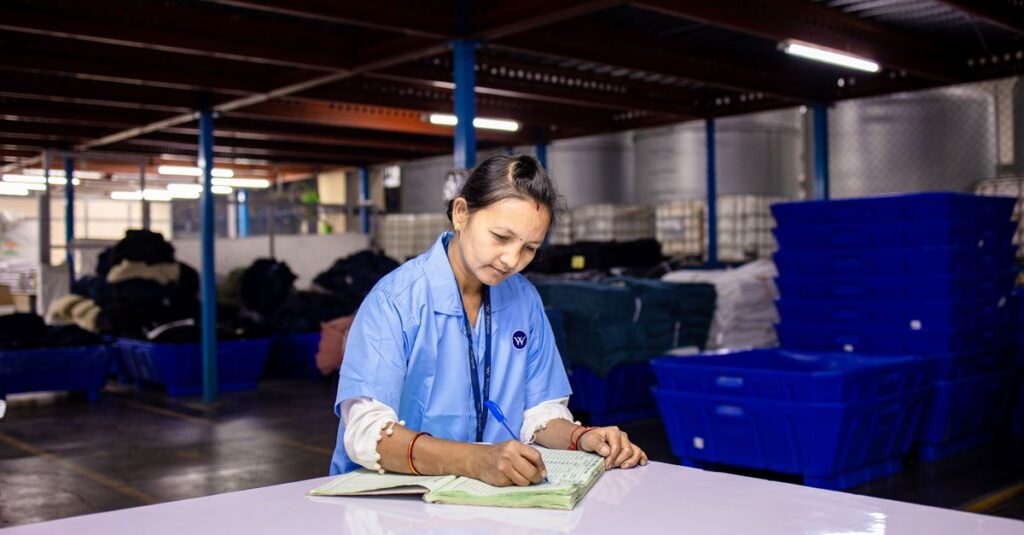
If you're a procurement manager tasked with finding a printing vendor for corporate diaries or notebooks, you already know the problem. There are a dozen suppliers online, all promising quality, but you've been burned before. Late deliveries. Wrong specs. Inconsistent print. It's a headache. That's why this Printing Vendor Selection Guide for Corporate Procurement Teams exists – to help you avoid the common traps and find a partner you can trust. At least, that's what I've seen over the years. Sri Rama Notebooks has been in this game since 1985, and we've seen both sides.
Why Vendor Selection Matters More Than You Think
You might think all printing vendors are the same. They’re not. Not even close.
Here’s the thing – when you’re ordering thousands of notebooks or diaries for your company, a small mistake in printing can ruin the entire batch. I’ve seen it happen. A logo printed slightly off-center. Wrong paper weight. Binding that falls apart after a month. These aren’t just quality issues; they reflect on your brand. And procurement teams get blamed.
So picking the right vendor isn’t just about price. It’s about reliability, consistency, and communication. One bad batch can cost you more than the savings you thought you made. That’s the reality.
I remember a procurement manager telling me – she said, 'I’d rather pay a bit more and sleep well at night.' That stuck. Or maybe I’m overthinking it. Anyway.
Key Criteria for Choosing a Printing Vendor
When evaluating vendors, you need to look beyond the price quote. Here are the main factors I’ve found matter most:
- Production Capacity: Can they handle your volume? Ask about daily output.
- Quality Control: Do they check each batch? Ask about rejection rates.
- Customization Options: Can they do logo printing, embossing, foil stamping?
- Lead Times: What’s their turnaround? Do they meet deadlines?
- Communication: Are they responsive? Do they understand your needs?
And here’s a comparison table showing two common types of vendors:
| Criteria | Local Print Shop | Established Notebook Manufacturer |
|---|---|---|
| Production Capacity | Low (few hundred per day) | High (30,000+ per day) |
| Quality Consistency | Variable | Consistent with processes |
| Customization | Limited | Full: logo, embossing, private label |
| Lead Time Reliability | Often late | Usually on schedule |
| Pricing for Bulk | Higher per unit | Lower per unit |
| After-Sales Support | Minimal | Dedicated account management |
The difference is clear. For corporate procurement, an established manufacturer like Sri Rama Notebooks often provides better value in the long run.
The Hidden Costs of Going Cheap
Let me tell you about Ravi. 34 years old, procurement manager in Mumbai’s Andheri area. Last year, his company needed 5,000 custom corporate diaries for a client event. He went with the cheapest quote. Big mistake.
The diaries arrived three days late. The logo printing was inconsistent – some were faded, others misaligned. He had to reject half the order. Rush reprint cost him double. And his boss wasn’t happy.
That’s the hidden cost. You save a few rupees per book, but you lose time, reputation, and trust. I’ve seen this pattern many times. It’s not worth it.
I once got a rush order from a vendor who promised the world. The boxes arrived crushed. Never again. The lesson: cheap doesn’t mean cost-effective. Especially in printing.
How to Evaluate Printing Quality Before You Commit
You can’t judge a vendor by their website. You need to see samples. Ask for physical proofs. Check the paper weight, the binding strength, the print sharpness.
I remember visiting a printing unit in Rajahmundry years ago – not ours, a competitor’s – and the owner showed me how they checked color registration. He held up a sheet and said, 'If the margin is off by half a millimeter, we reject the run.' That stuck with me. That’s the level of quality you should expect.
Ask about their quality control process. Do they have a dedicated QC team? What’s their defect rate? Also, check their equipment. Old machines produce inconsistent results.
And don’t just trust a sample. Ask for a mid-run sample after the job starts. That tells you if they maintain consistency. Anyway, back to quality.
The Role of Customization and Private Label
Most corporate procurement teams need more than just plain notebooks. They want branded items – logo printing, custom covers, maybe embossing or foil stamping. This is where a general printer might fall short.
Look for a vendor that offers a range of customization: from simple logo stamp to full private label manufacturing. Check their minimum order quantities (MOQs). Some vendors have high MOQs for custom work, which might not suit smaller orders.
Also, ask about design support. Do they help with artwork? Do they provide mockups? Good vendors make the process easy. It’s not complicated – but it requires a partner who knows what they’re doing.
Frequently Asked Questions
What is a printing vendor selection guide for corporate procurement teams?
It’s a framework to help procurement managers evaluate and choose the right printing partner for bulk orders like corporate diaries and notebooks. It covers quality, capacity, customization, and cost factors.
How do I know if a printing vendor is reliable?
Check their production capacity, ask for client references, review samples, and visit their facility if possible. Reliable vendors have consistent processes and transparent communication.
What are the common mistakes when selecting a printing vendor?
Choosing based solely on price, not verifying quality, ignoring lead times, and skipping contractual terms. These often lead to delays, poor print, and extra costs.
Should I choose a local printer or a large manufacturer?
For small batches, a local printer may work. For bulk corporate orders, a large manufacturer offers better consistency, lower per-unit cost, and dedicated support.
Can Sri Rama Notebooks handle custom corporate diary orders?
Yes, they offer logo printing, embossing, foil stamping, custom covers, and private label. They produce 30,000-40,000 units daily and export worldwide. Contact them for bulk orders.
Conclusion
Choosing a printing vendor is not a one-time decision. It’s a relationship. The right partner will save you headaches and deliver consistent quality. The wrong one will cost you more than money.
I don’t think there’s a perfect vendor out there. But if you know what to ask, you can get close. The rest is trust. And maybe a bit of luck.
If you’re looking for a reliable partner for your next corporate diary or notebook order, check out Sri Rama Notebooks.