So, What Does Quality Control Actually Look Like in a Notebook Factory?
Let me start with something honest. When people ask me how quality control works in notebook manufacturing, they often expect a neat checklist. It's not that simple. I've been at Sri Rama Notebooks for years now, and the truth is that QC is messy. It's about catching mistakes before they become someone else's headache. You order a hundred thousand notebooks — you don't want to open a box and find pages falling out or printing smudged. I get it. So here's how we actually do it, no fluff.
Why Most People Don't Think About QC Until Something Goes Wrong
If you're a procurement manager, you've probably had that moment. The shipment arrives late. You open a carton, flip through a notebook, and the ruling is crooked. Or the cover is peeling. That's when you start caring about quality control. But by then it's already too late.
Most bulk buyers assume that a manufacturer with decades of experience automatically has good QC. That's not always true. I've seen factories with fancy equipment but zero real checks. Fancy machines don't catch everything. People do. And the systems we put in place.
At our factory in Rajahmundry, we have a simple rule: every batch gets tested before it leaves the floor. Not just a random sample from the top of the pile. We actually pull notebooks from the middle, the bottom, the sides. Because bad batches can hide.
Here's a thing I hear all the time: “But we've been buying from the same supplier for years.” Yeah, and that's exactly when complacency creeps in. We've had clients from Dubai who assumed Gulf shipments were always perfect. Then they found a batch with inconsistent page counts. After that, they started asking how we do QC. Good on them.
Step by Step: Where We Check and What We Look For
Every notebook that leaves our factory goes through at least four checkpoints. And I don't mean a quick glance — I mean a real stop, measure, reject, or pass.
1. Paper Incoming
We get paper from mills in Andhra and Tamil Nadu. The first check happens before it even hits the cutting machine. GSM must match spec. No wrinkles. No discoloration. If a batch of paper looks off, we send it back. That alone saves us a ton of trouble later.
2. Printing & Cutting
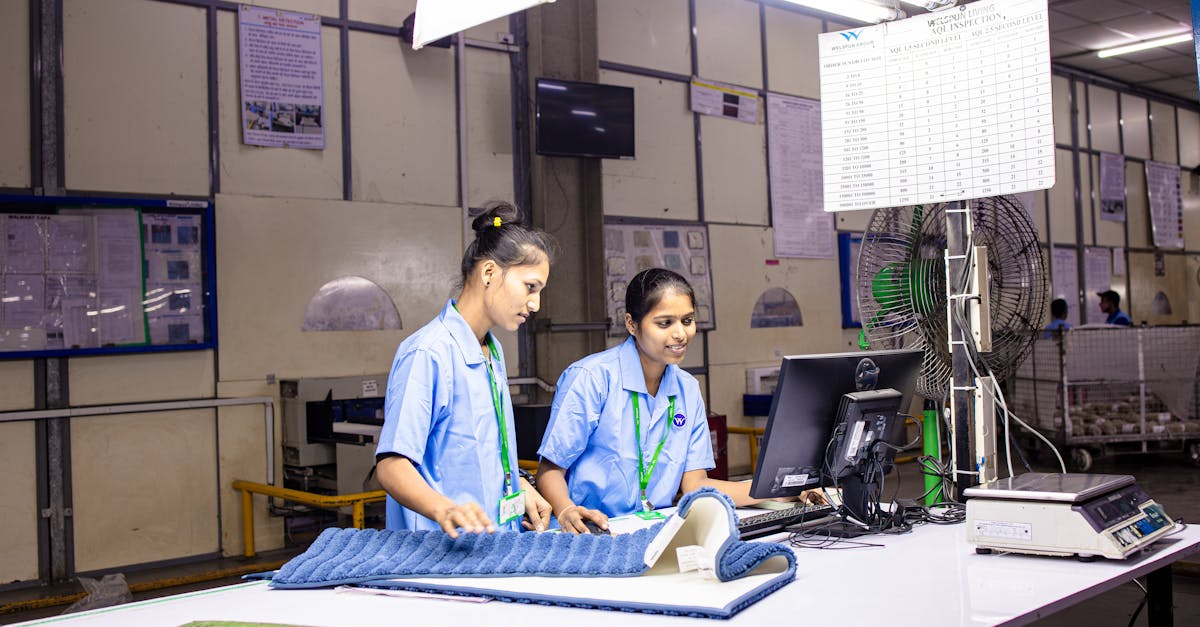
This is where most mistakes happen. Misregistration, smudged ink, off-center margins. We run a test print on every new job. Then we check the alignment using a physical template. If it's off by even 1mm for a long notebook, we reject the whole run and start over. I know it sounds strict, but we've seen what happens when you let small errors slide — whole orders returned from schools.
3. Binding
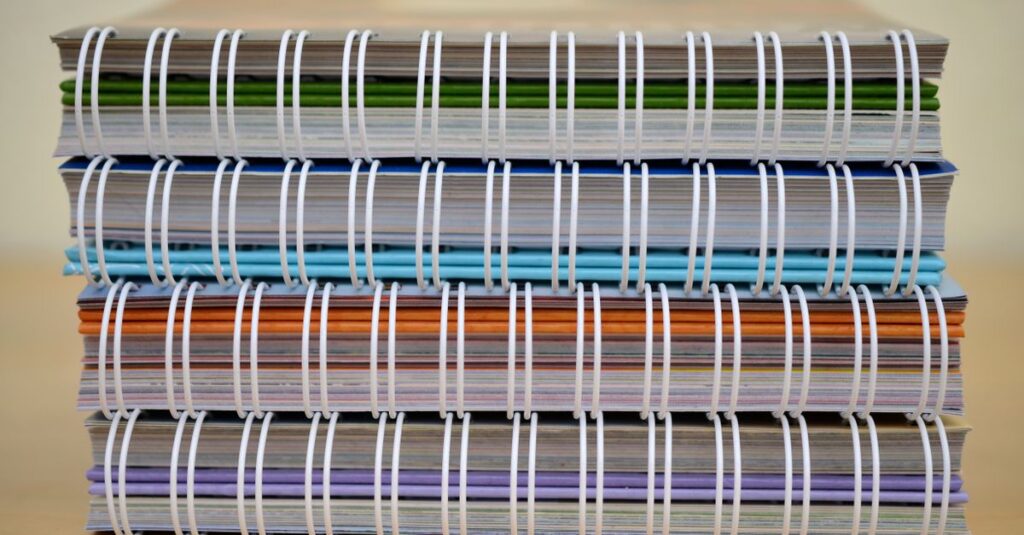
Stitched binding? We check that each thread is pulled tight and not loose. Spiral binding? We look for gaps between coil and paper. Perfect binding? We pull on the spine. If it cracks, gone. We actually have a guy named Ramesh who has been doing this for 20 years. He can tell just by the sound when a binding is weak. I'm not kidding.
4. Final Inspection Before Packing
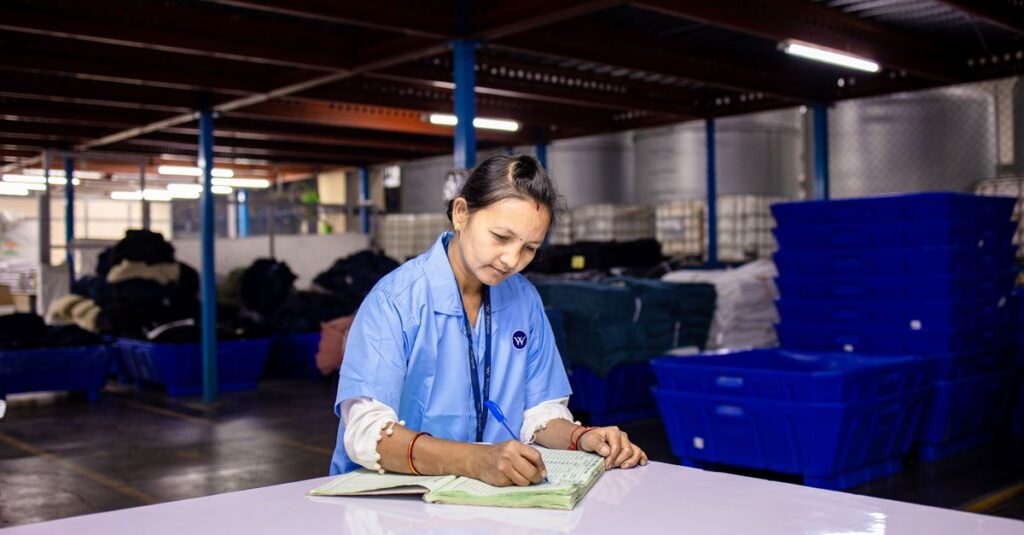
Every box gets a stamp from our QC team. But before that, we pull 5% of the cartons, open them, and check every single notebook inside. Ruling type, page count, cover finish, cutting accuracy. We have a checklist sheet that the QC lead signs. If any box fails, the entire lot is quarantined and rechecked.
I know it sounds like a lot of stops. But honestly? It's cheaper to catch a mistake here than to deal with a complaint later. And our clients appreciate that.
What We Compare Ourselves Against
Not all factories are the same. Here's a quick comparison of how we stack up against a typical low-cost manufacturer:
| Checkpoint | Typical Manufacturer | Sri Rama Notebooks |
|---|---|---|
| Paper inspection | None, just use whatever arrives | Full GSM check, visual & feel test |
| Print registration | Visual check every 100 sheets | Template test every 1,000 sheets |
| Binding strength | Spot check on corners | Pull-test on 10% of bundles |
| Cutting accuracy | Ruler on a few samples | Digital caliper on every stack |
| Packaging | Count by weight | Hand count + random box opening |
p>
That table doesn't lie. We're not the cheapest, but we are the most consistent. I've had clients from the UK tell me that our notebooks hold up better than ones they've bought locally. That means something.
Real Stories From the Factory Floor
Let me tell you about a specific morning. About a year ago, we had an order for 20,000 long notebooks for a corporate client in Bangalore. The paper arrived late, and the press was running behind. The shift supervisor, let me call him Srinivas, was under pressure. He decided to skip the second check on the cutting because the deadline was tight. I walked in at 7am, saw the stacks, and asked him to stop. Pulled out a digital caliper. Seven out of ten notebooks were off by 1.5mm at the spine. That means the pages would shift. We rejected the entire print run. Srinivas was frustrated — and I don't blame him — but we re-ordered paper and ran it again. The client never knew. But if we hadn't caught it, those notebooks would have been returned, and we'd have lost the contract.
Expert Insight
I was talking to an old colleague from the industry last month over chai. He told me something that stuck: “Quality control is not about catching every single defect. It's about building a system where defects are rare.” At first I nodded. But later I thought — that's not entirely accurate. Because you can have the best system, and still one loose thread or one misaligned cut can ruin a whole batch. The truth is, you need both: a good system and people who care enough to stop when something feels off. And those people are hard to find.
Frequently Asked Questions
Frequently Asked Questions
How do you ensure consistent notebook quality across large orders?
We use a multi-stage inspection process: raw material checks, in-line printing checks, binding pull-tests, and final batch sampling. Each step has a dedicated QC team member who signs off before the next stage. This ensures that even at 40,000 notebooks per day, the quality stays the same.
What happens if a batch fails quality control?
We quarantine the entire lot and do a 100% re-inspection. If the defect rate is below 1% typically. If we find a recurring issue, we stop production, fix the machine source and fix the root cause before restarting. We never ship a failed batch unless the client approves a rework, which is rare.
Can I visit the factory to see quality control in action?
Yes, we welcome visitors with prior appointment. Most of our clients from the Gulf and Africa have walked through our floor. You can see the checks happen live. We're transparent about our process because we have nothing to hide. Call us at +91-8522818651 to schedule.
What standards do you use for paper quality and binding?
We follow ISO guidelines for paper GSM and use industry-standard methods for stitched, spiral, and perfect binding. Our paper is sourced from certified mills. We've also developed our internal tolerance limits based on 40 years of experience.
How do you handle QC for custom printed notebooks with logos?
We do a color proof on a sample notebook before production begins. Then every 1,000 sheets are checked for print alignment and color consistency. We also use a pantone reference if provided. If the logo is off even slightly, we stop and adjust the plates.
So Here's What I Think
Quality control in notebook manufacturing isn't a single inspection at the end. It's a culture. It's a bunch of small decisions made by people who know what they're doing. I don't have a perfect formula. But I know this: when you order notebooks from us, they go through the same checks we do for our own brand. That's the only thing I can guarantee.
If you're sourcing notebooks in bulk — for a school, a corporation, or a distributor — stop guessing. Talk to Sri Rama Notebooks. We'll show you exactly how we work.