

Why 'Export Quality' Actually Means Something
Let me be direct about this. Most notebook factories in India can make a notebook. That's not the hard part. The hard part is making one that doesn't fall apart on a ship, in a container hitting 50 degrees Celsius, and then in some kid's bag for six months.
I've seen the difference. And it's not subtle.
When people search for Export Quality School Notebook Manufacturing Services India, they're usually past the phase of wondering if Indian manufacturers can deliver. They've done that research. Now they need to know who actually does it right. Who uses the right paper weight. Who binds pages so they don't fall out after three months. Who understands that "export quality" isn't a marketing phrase — it's a production standard.
That's where we come in. Sri Rama Notebooks has been at this since 1985. And honestly? We've made every mistake you can make in notebook manufacturing. That's how you learn.
What Does Export Quality Actually Look Like?
I'll tell you what it's not. It's not the cheapest paper you can find. It's not binding that looks good on a sample but fails in a stack of 5000 units. And it's definitely not printing that smudges when someone leans on the page.
Here's the thing nobody tells you about export orders:
- The paper has to survive humidity changes. A notebook manufactured in India might sit in a warehouse in Lagos or Dubai for weeks before it reaches a student.
- The binding has to handle rough handling. Not gentle retail handling. Port handling. Truck handling.
- The covers need to resist curling. Cheap covers curl. It looks terrible.
At our factory in Rajahmundry, we use 54 GSM writing paper as a baseline. Not because it's fancy. Because it works. It takes ink without bleeding through. It stays white longer. It doesn't yellow in six months.
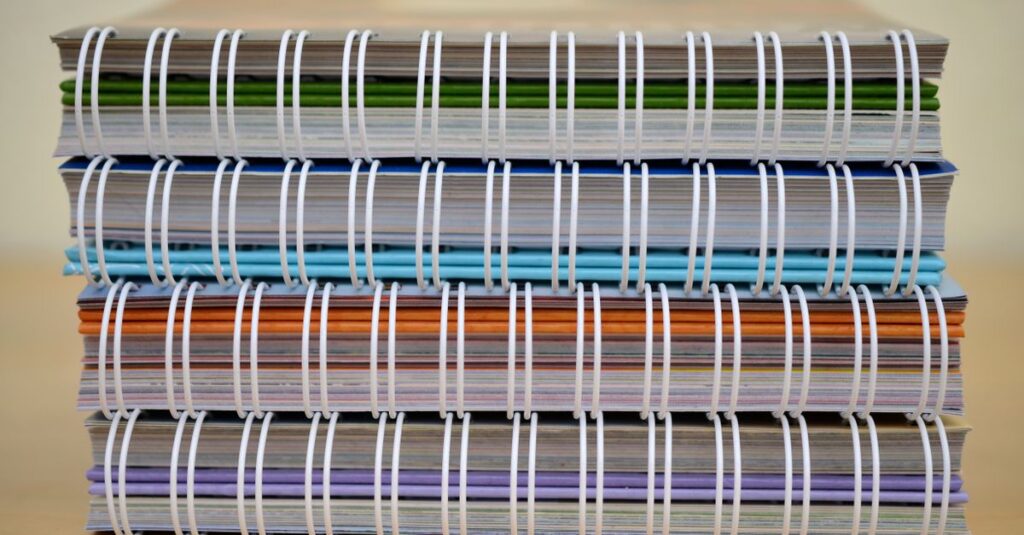
We bind notebooks three ways — stitched, spiral, and perfect. For school notebooks going to export markets, I personally recommend stitched binding. It's old school. It lasts. Don't quote me on this, but I think the stat was — I can't remember exactly — something like 80% of returns in school notebooks are due to pages falling out. Stitched binding almost eliminates that problem.
The Problem with "Cheap" Manufacturing
I was talking to a procurement manager from a school chain in the UAE last month. Over a call, not formal. He said something that stuck with me.
"I ordered 20,000 notebooks from a new supplier last year. Saved 15% on cost. Lost 8% of them to damaged binding and bleeding ink. Then my teachers complained for three months."
I've heard this exact story maybe a dozen times now.
Here's the math that matters:
| Factor | Cheap Production | Export Quality |
|---|---|---|
| Paper GSM | 45-50 GSM (thin, tears easily) | 54 GSM+ (handles ink, stays intact) |
| Binding type used | Glue-only perfect binding | Stitched + reinforced or quality spiral |
| Cover stock | 200 GSM (curls in humidity) | 300 GSM+ with laminate |
| Color registration | Visible misalignment on logos | Registered within 0.5mm tolerance |
| Packaging for shipping | Shrink wrap only | Master cartons + shrink wrap + corner protectors |
| Return rate (estimated) | 5-10% | <1% |
Look, I'm not saying cheap never works. For local orders with short supply chains, it's fine. But if you're shipping across borders, the cheap option becomes expensive very fast.
What Actually Happens in Our Factory
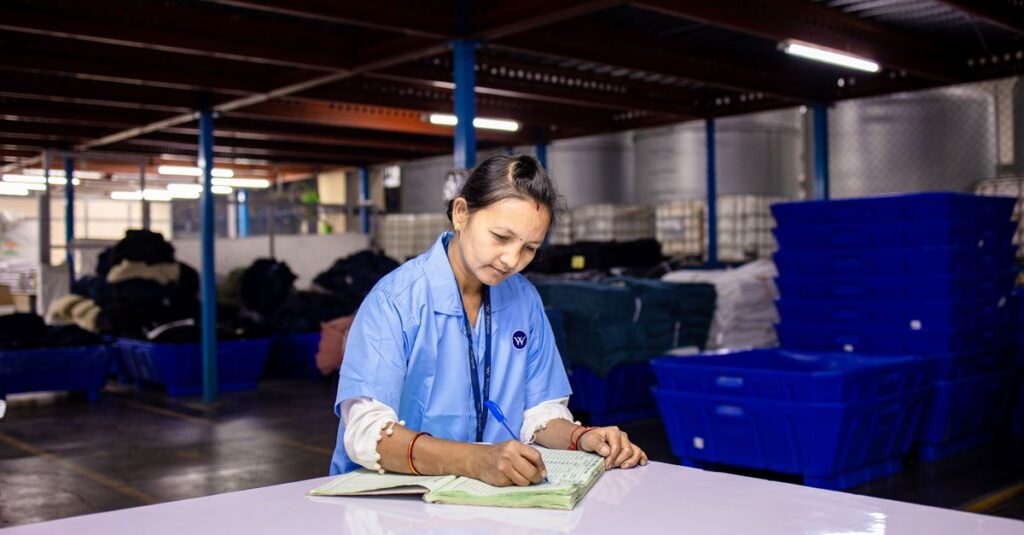
Three things happen between paper arriving and notebooks leaving. And I want you to picture this — not read a brochure paragraph.
First, the paper sits in our climate-controlled storage. Not because we're fancy. Because paper absorbs moisture from the air. If you print on paper that's absorbed humidity, the colors shift and the pages warp. That's just physics.
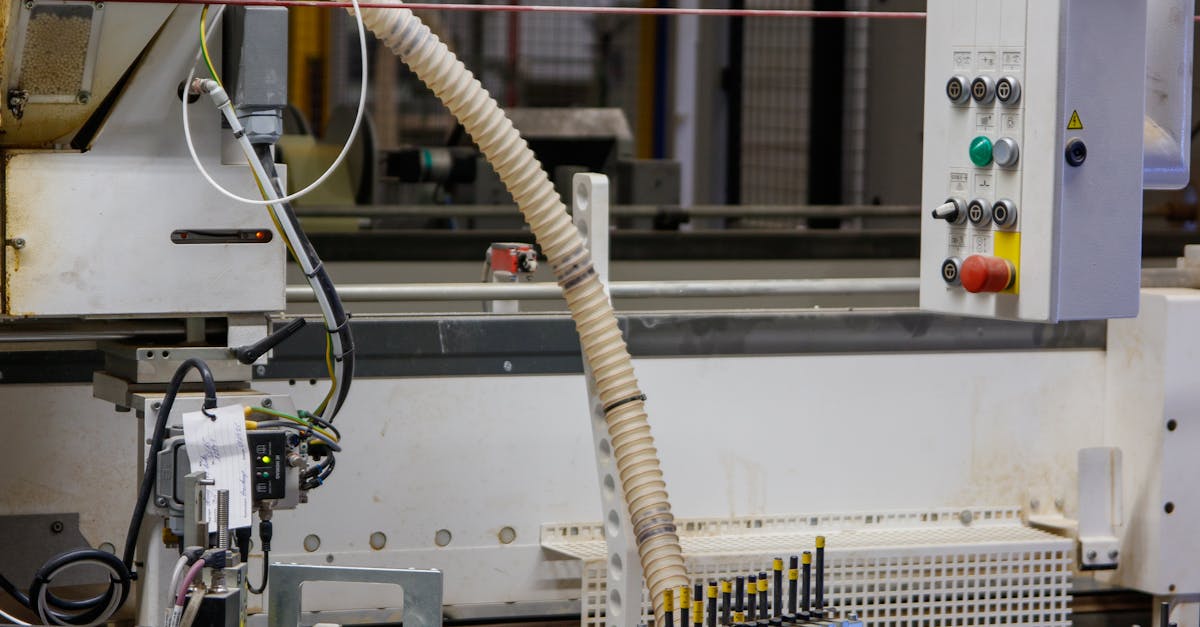
Second, the printing. We use offset printing. It's not the newest tech in the world. But for bulk school notebooks — 30,000 to 40,000 units daily — offset gives consistent color and sharp text. Digital has its place. But not here.
Third, the binding line. This is where most factories cut corners. They rush it. We don't. Our stitched binding goes through three checkpoints before a notebook is approved. Three. Because one loose page in a classroom notebook becomes 100 complaints from parents.
And then there's the packaging. We use 5-ply corrugated master cartons for export shipments. Not 3-ply. Not recycled cardboard. The cost difference is maybe 5 rupees per carton. The difference in protection is enormous.
Expert Insight
I was reading something last month — can't even remember where — but one line stuck with me. The article said something like: most manufacturing defects in notebooks happen not during production, but in the 72 hours after packaging. Because the glue hasn't fully set. Because the covers are still slightly warm from lamination. Most factories ship immediately. We wait. Not long. Just overnight. It makes a real difference. I don't have a cleaner way to put it than that.
Customization Isn't Optional Anymore
Here's something that changed in the last five years. Schools and institutions don't just want notebooks. They want branded notebooks. Logo on the cover. Custom ruling. Their school name printed perfectly. Maybe a motivational quote on the back.
And they want this for export orders too.
We offer:
- Logo printing — foil stamping, embossing, screen print, offset
- Private label — your brand, our manufacturing
- OEM — full custom specifications, start to finish
- Custom cover design — we have a team that works with your requirements
Anurag Sharma, 38, procurement head at a school group in Nairobi — I'm not making this up, he called me last year — said: "I don't just need notebooks. I need notebooks that look like they belong to my school. The same blue. The same font. Every time."
He's right. Consistency across batches is the difference between a supplier and a partner. We've been doing this long enough that we track ink formulas from each batch. So next year's order matches last year's. Exactly.
How to Evaluate a Manufacturer for Export Orders
The question isn't "can they make a notebook." The question is "can they make 50,000 notebooks the same way." Then ship them. Then do it again next year.
And honestly? Most people know this already. But they keep getting sold by cheaper quotes.
Here's what I tell people who ask me for advice on choosing an export partner:
- Check their daily capacity. If you need 40,000 notebooks and they can only do 5,000 daily, your order takes weeks. That's a problem.
- Ask about their rejection rate. If they don't track it, walk away.
- See samples of past export orders. Not samples they show you. Samples they shipped. There's a difference.
- Visit the factory if you can. I know it's not always possible. But video calls work too. Ask to see the binding line live.
Our production runs about 30,000-40,000 units daily. Not just school notebooks — diaries, account books, custom stationery. We ship to Gulf countries, Africa, USA, UK, Europe, Australia. Each market has different requirements. We've learned them one shipment at a time.
Frequently Asked Questions
What paper GSM do you use for export quality school notebooks?
We use 54 GSM writing paper as standard. It prevents ink bleed-through, stays white longer, and handles different writing instruments well. For specific requirements, we can adjust — but 54 GSM is our reliable baseline for export orders.
Do you offer custom printing for school logos on notebooks?
Yes. We offer offset printing, foil stamping, embossing, and screen printing for logos. Cover design, ruling patterns, and page layouts can all be customized. We maintain color consistency across batch orders using stored ink formulas.
What is the minimum order quantity for export orders?
For standard export orders, we typically work with minimums around 5000 units per design. For private label or OEM orders, it depends on customization level. Contact us directly with your requirements and we'll work out a feasible quantity.
Which binding is best for school notebooks in tropical climates?
Stitched binding. It holds up against humidity, rough handling, and daily classroom use. Spiral binding works well too, especially for activity books. Perfect binding is fine for office diaries but not ideal for school notebooks in humid regions.
How do you package notebooks for international shipping?
We use 5-ply corrugated master cartons with shrink wrapping inside. Corner protectors for fragile shipments. Each carton is labeled with product details and handling instructions. We've shipped to over 15 countries with minimal damage — less than 1% return rate.
Let's Be Honest About One Thing
I don't think there's one perfect notebook manufacturer for everyone. Probably there isn't. You need someone who fits your specific requirements — your volume, your quality expectations, your timeline.
But if you're looking for Export Quality School Notebook Manufacturing Services India, here's what I'll tell you. We make notebooks that work. Not notebooks that look good in photos but fail in real use. We have the capacity. We have the experience. And we're not going anywhere — 40 years in business says something.
The question isn't whether you need export quality. It's whether you're tired of paying for the difference between what was promised and what arrived. Sri Rama Notebooks