How AI Is Changing the Printing & Manufacturing Industry
Ten years ago, if you told me a machine would decide the exact mix of ink for a notebook cover, I would have laughed. But here we are. AI is quietly reshaping how notebooks, diaries, and custom stationery get made. And honestly, it's not all hype. Some of it is genuinely useful.
I've been in this industry long enough to see trends come and go. But this one? It sticks. How AI Is Changing the Printing & Manufacturing Industry isn't just a buzzphrase anymore. It's something we deal with daily at our factory in Rajahmundry. From smarter binding to predictive maintenance, the shift is real.
If you're a buyer placing bulk orders — school notebooks, corporate diaries, account books — this matters more than you think. Faster turnarounds, fewer defects, better consistency. That's the promise. But it comes with its own headaches too. Let's dig in.
Before I go further — if your procurement team is looking for a notebook manufacturer that keeps up with modern methods, Sri Rama Notebooks might be worth a call.
Smarter Production Lines, Lesser Waste
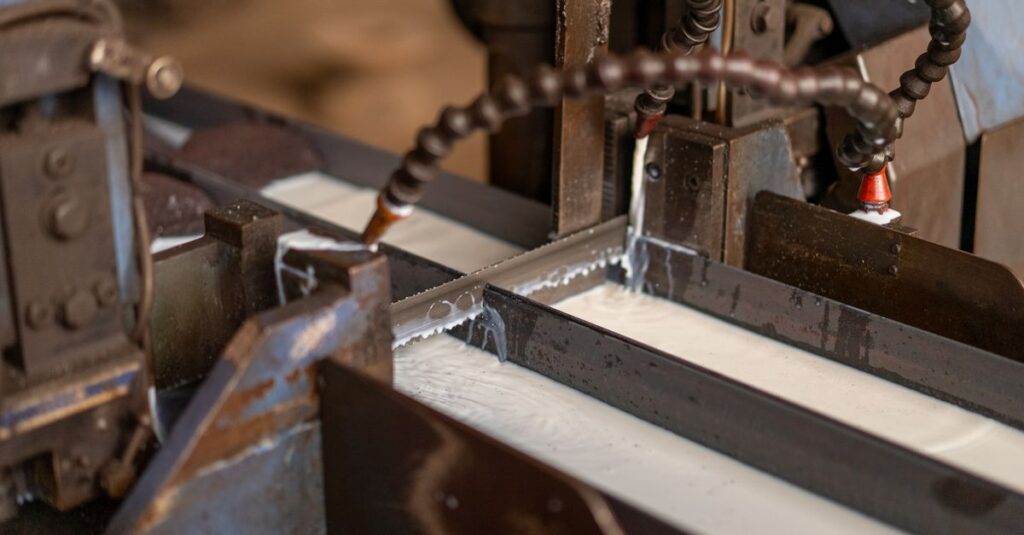
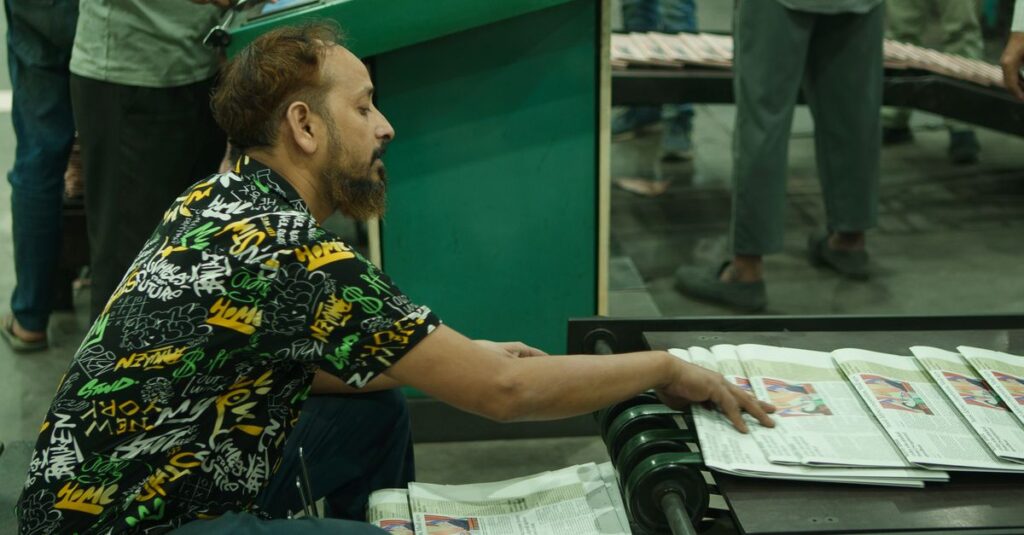
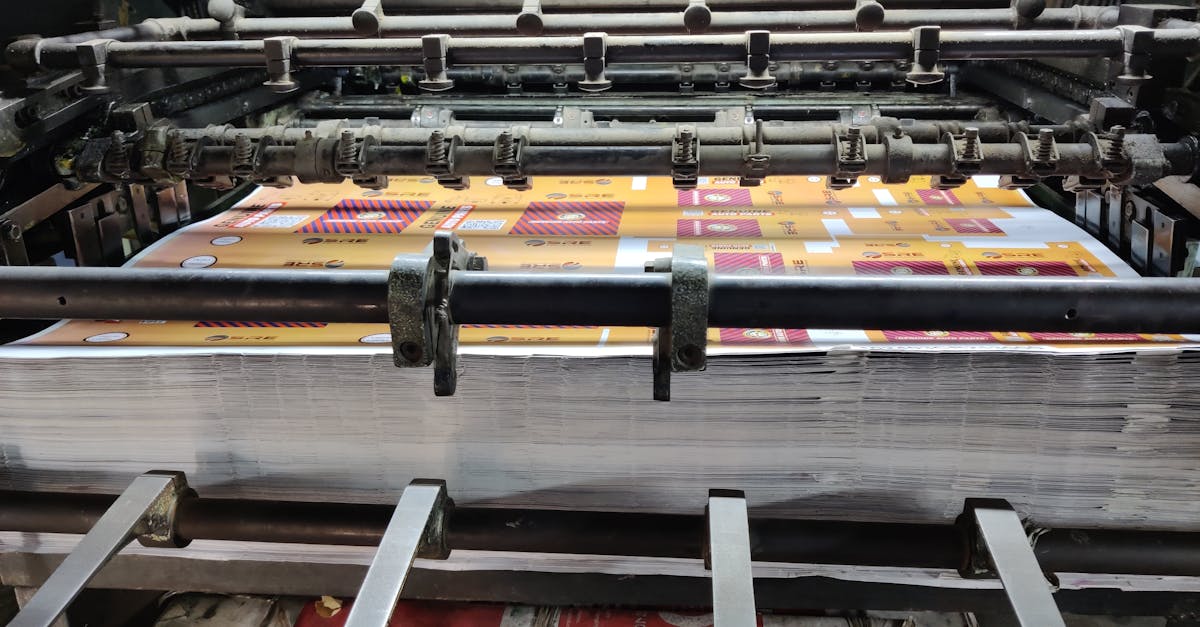
The biggest change I've noticed is on the factory floor. Machines now talk to each other. A sensor detects a deviation in paper alignment and adjusts the cutter mid-run. That wasn't a thing five years ago.
Three things happen when AI steps into a printing line:
- Defect detection goes from human eyes to camera arrays that spot a missing staple before it leaves the machine.
- Ink usage drops because the system predicts exactly how much is needed per job — no more guessing.
- Downtime shrinks. The system knows a bearing is about to fail and sends an alert on Tuesday instead of waiting for a breakdown on Friday.
Expert Insight
I remember a conversation last year with a friend who runs a press in Vijayawada. He told me about a morning when his AI-powered cutter stopped twice — once for a blade temperature issue, once because the paper stack was slightly crooked. A human operator would have missed both until the final check. He said, 'I used to hate these interruptions. Now I trust them more than I trust my own eyes.' That stuck with me. Because it's not about machines taking over. It's about machines saying, 'Hey, look at this.' And we have to decide whether to listen.
And that's the thing — AI doesn't solve everything. It just makes the obvious problems hard to ignore.
Does AI Make Notebooks Better? Let's Look.
I get asked this a lot by corporate buyers. They want to know if the notebooks they order will be any different because of AI. Short answer: yes. But not in the way you think.
The quality improvement is in the boring stuff. Consistency of spine binding. Alignment of printed logos. Uniformity of paper cut. AI ensures these are within a tiny tolerance. That means fewer rejects, less waste, and faster delivery.
Here's a comparison of traditional vs. AI-assisted production based on what I've seen in our own shop and others:
| Aspect | Traditional Method | AI-Assisted Method |
|---|---|---|
| Defect detection | Visual check by worker | Camera + sensor suite |
| Color matching | Manual adjustment, trial and error | Algorithm matches Pantone in seconds |
| Setup time for new job | 30–45 minutes | 10–15 minutes |
| Material waste per 1000 units | ~3–5% | <1% |
| Ability to handle custom designs | High (but slow) | High (and fast) |
The gains are real. But they're incremental. You won't suddenly get a notebook that writes itself. You'll get a notebook that's exactly what you ordered, every time. And for someone placing a bulk order of 50,000 units, that consistency matters more than any shiny feature.
I'll be honest — I was skeptical when I first heard about AI in printing. But after watching it reduce our error rate from 4% to under 0.5%, I changed my mind. Almost.
One Thing AI Can't Replace
Let me tell you about Ramesh. He's 42, a procurement manager for a chain of 19 schools in Hyderabad. Last year he ordered 12,000 notebooks with the school logo embossed on the cover. The AI handled everything flawlessly — alignment, foil stamping, packaging. But what Ramesh really needed was someone to talk to when the delivery date got tight because a truck broke down. A human who said, 'I'll get it sorted.' The machine couldn't do that part.
Look, AI does a lot. But it doesn't build relationships. It doesn't understand that a delay of three days means a school can't start the term on time. It doesn't have a coffee with a client to understand their frustrations.
The smartest manufacturers I know are the ones who use AI for the boring, repetitive decisions — and save the messy human stuff for actual people. That's the balance. And it's not easy to get right.
Maybe the real question isn't whether AI is changing the industry. It's whether we're willing to change along with it — without losing what makes us human.
Frequently Asked Questions
How is AI used in notebook manufacturing?
AI is used for quality control, predictive maintenance, and process optimization. Cameras and sensors detect defects in real time. Machine learning models predict equipment failures before they happen, reducing downtime and waste.
Can AI help reduce printing errors?
Yes. AI systems continuously monitor print alignment, color accuracy, and binding strength. They catch errors that human inspectors might miss, especially in high-speed production environments. This leads to fewer rejected units and consistent output.
Will AI replace human workers in printing?
Not entirely. AI automates repetitive tasks and inspection, but human expertise is still critical for setup, troubleshooting, and client communication. The best factories use AI to support workers, not replace them.
How does AI affect the cost of manufacturing?
AI reduces waste, downtime, and rework, which lowers production costs over time. Initial investment in technology can be high, but for bulk orders, the savings from fewer defects and faster turnaround often offset the expense.
Is AI reliable for custom notebook orders?
Yes. AI excels at handling variable data — different logos, colors, sizes. It ensures each unit matches the specification exactly. However, human oversight is needed to manage complex custom requests and last-minute changes.
So where does that leave us? I think AI is changing the printing and manufacturing industry in real ways — better efficiency, less waste, more consistency. But it's not magic. It still takes experienced people to set it up, maintain it, and decide when to override it. If you're ordering notebooks in bulk, the companies that embrace AI responsibly will probably serve you better. But don't ignore the human side. Ask who answers the phone when something goes wrong.
For now, the industry is shifting. Some of us are adapting. Some are waiting. I don't know who ends up ahead. But I do know that having a partner who understands both the technology and the relationship makes a difference.
If you'd like to see how we do things at our factory in Rajahmundry — with a mix of modern tools and old-fashioned service — visit Sri Rama Notebooks. We've been at this since 1985, and we're not stopping now.