What Procurement Teams Actually Look For
You'd think picking a printing vendor would be straightforward. You need notebooks, you find a printer, you place the order. Simple, right?
Not quite.
I've seen procurement managers spend weeks on this. They get samples from six different places. They compare prices until their eyes cross. And then they still make the wrong choice.
Here's the thing about how procurement teams choose commercial printing vendors — it's never just about the price per unit. Never. The ones who think it is end up regretting it six months later when the binding falls apart or the delivery shows up two weeks late.
So what actually matters? I've been in this business since 1985, and I've watched enough orders go right — and wrong — to have some thoughts about this. If you're managing procurement for your institution or business, this might be useful.
The Real Cost of Cheap Printing
I remember this one time — I think it was 2018 — a distributor from Vijayawada called me. He'd ordered 50,000 notebooks from a cheaper vendor. Saved himself about three rupees per notebook. Felt like a hero.
Four months later, half of them had the covers peeling off. The teachers at the schools he supplied were furious. He spent more money replacing the damaged stock than he'd saved in the first place.
This is what drives procurement teams crazy. The math looks good on paper. But paper — literally — doesn't tell the whole story.
Here's what you need to check:
- Paper GSM — below 54 GSM and you can see the next page through your writing
- Binding strength — stitched or perfect binding, but it has to hold up
- Cover material — thin covers warp in humid weather, especially in coastal cities like Rajahmundry
- Print quality — logo smudging is a dealbreaker for corporate orders
- Packaging — damaged corners in transit means rejected deliveries
Expert Insight
I was talking to a procurement manager from a college in Visakhapatnam last year. She told me something I haven't stopped thinking about. She said — and I'm paraphrasing — the worst decision she ever made was choosing a vendor whose samples looked amazing but who couldn't scale. Her exact words: 'They gave me five perfect notebooks. Then they gave me ten thousand that looked nothing like them.' I don't have a cleaner way to say this: the sample is not the product.
Production Capacity Matters More Than You Think
Let me tell you about Prasad. He's 42, works as a procurement officer for a chain of schools in Hyderabad. Last semester, he needed 30,000 notebooks delivered in three weeks. The vendor he'd been using for years suddenly said they could only do 10,000 in that timeframe.
Panic. Real panic.
He called me at 4pm on a Friday. Not joking. I still remember the desperation in his voice. We managed to help him, but it was tight. Really tight.
This is why — when procurement teams choose commercial printing vendors — production capacity isn't some abstract number on a brochure. It's the difference between having stock for the new academic year and explaining to your principal why the notebooks haven't arrived.
Our factory runs at about 30,000 to 40,000 bound notebooks per day. That's not bragging — well, maybe a little — but it's the kind of thing that matters when deadlines are real.
Comparing Offset vs. Digital Printing for Bulk Orders
There's a debate that keeps coming up. Offset or digital? And honestly? It depends.
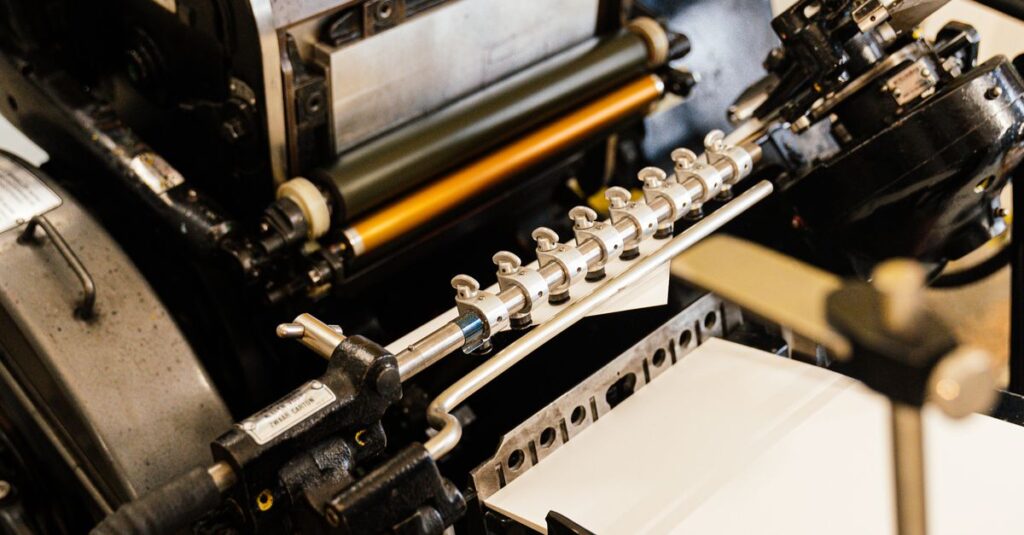
| Factor | Offset Printing | Digital Printing |
|---|---|---|
| Best for | Large quantities (5000+) | Small runs or prototypes |
| Cost per unit | Gets cheaper as volume increases | Stays roughly the same |
| Color consistency | Excellent — Pantone matching available | Good, but can vary between runs |
| Setup time | Takes longer to set up | Almost instant start |
| Paper options | Wide range of paper types | More limited |
| Customization per piece | Harder to individualize | Easy to personalize each copy |
For corporate diaries — where you need a consistent look across thousands of units with the same logo — offset printing is usually the better call. But I've seen hybrid approaches work well too.
(I think the real answer is: talk to someone who actually knows printing. Not someone who just takes orders. There's a difference.)
Customization Is Not Optional Anymore
Ten years ago, companies ordered plain notebooks with their logo stamped on the cover. That was it. Today?
Today a school in Chennai wants notebooks with their specific ruling pattern, their mascot on the cover, different page counts for different subjects, and a custom back cover with their vision statement. A corporate client wants foil stamping on a matte finish cover with their brand colors matched exactly. A distributor from Kerala wants private label packaging because they're selling it under their own brand name.
This is where most vendors fall apart. They can do plain. They can do basic logo printing. But start asking for custom paper sizes or specific binding types and they freeze.
We do King, Long, Short, A4, A5, Crown sizes. Stitched, spiral, or perfect binding. Custom cover design, embossing, foil stamping. The works. But honestly — the thing that matters most isn't the menu of options. It's whether the vendor actually listens to what you need instead of trying to sell you what they already make.
I'll be direct: if a vendor sends you a catalog and says 'pick from these,' that's fine for commodity products. But if you need custom work and they can't even discuss your requirements seriously, walk away.
Trust and Communication: The Part Nobody Writes About
People talk about paper quality and binding like those are the only things that matter. And sure, they're important. But here's what I've learned from forty years in this business: the relationship matters more.
A vendor who tells you bad news early — that's gold. A vendor who says 'we can do anything' and then disappears when things get complicated — that's trouble.
I've had procurement managers tell me, with relief in their voice, that I was the only vendor who actually answered the phone on a Sunday. Not because I'm a saint. Because when your customer is stuck, you show up. It's that simple.
You know what's worse than a late delivery? A late delivery that you didn't know was coming until it didn't arrive. Now you're calling schools and explaining. Now you're the problem. And you didn't even get a warning.
So when procurement teams choose commercial printing vendors, they're really choosing who they can trust when something goes wrong. Because something always goes wrong. The question is who helps you fix it.
Frequently Asked Questions
What is the minimum order quantity for commercial printing?
It varies by vendor. Some require 1000+ units for offset printing. Digital printing allows smaller runs. For notebooks, we typically see bulk orders starting around 5000 units for custom work.
How long does it take to manufacture bulk notebooks?
Depends on quantity and customization. Standard bulk orders take 2-4 weeks from approval. Rush orders are possible but limited by production capacity at the time of booking.
What paper quality is best for school notebooks?
54 GSM paper is the standard for most schools. It prevents ink from bleeding through and holds up to regular use. Some institutions prefer 60 GSM for premium notebooks.
Can I get a sample before placing a bulk order?
Yes. Reputable vendors provide samples based on your specifications. Keep in mind that a sample represents the best possible version. Ask about production consistency.
How procurement teams choose commercial printing vendors who export?
They check export experience, shipping logistics, packaging standards for international transit, and compliance with destination country regulations. Our factory exports to Gulf, Africa, USA, UK, Europe, and Australia.
Three Things I'd Tell Any Procurement Manager
First — don't make price the deciding factor. The cheapest option will cost you more in the long run. I've seen it happen too many times to treat it as coincidence.
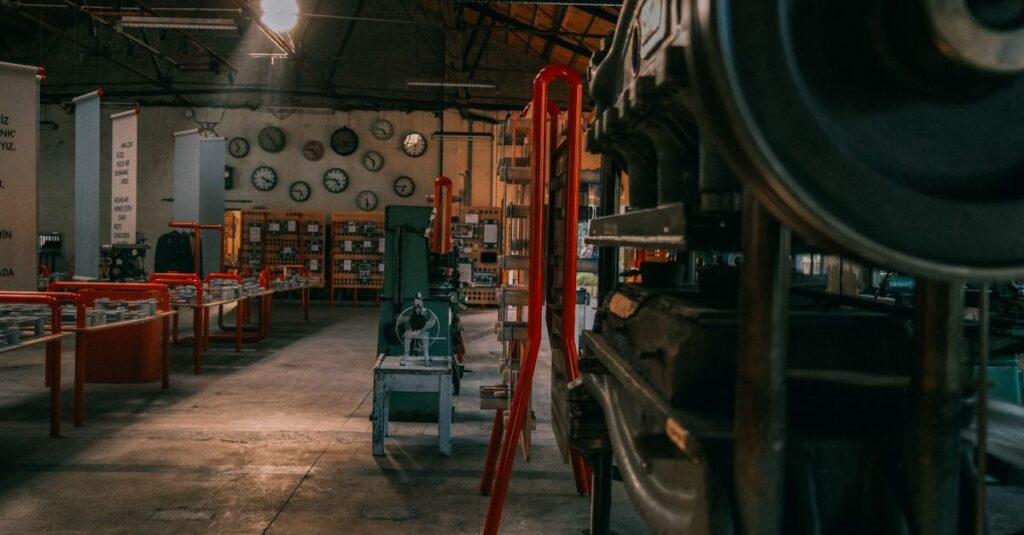
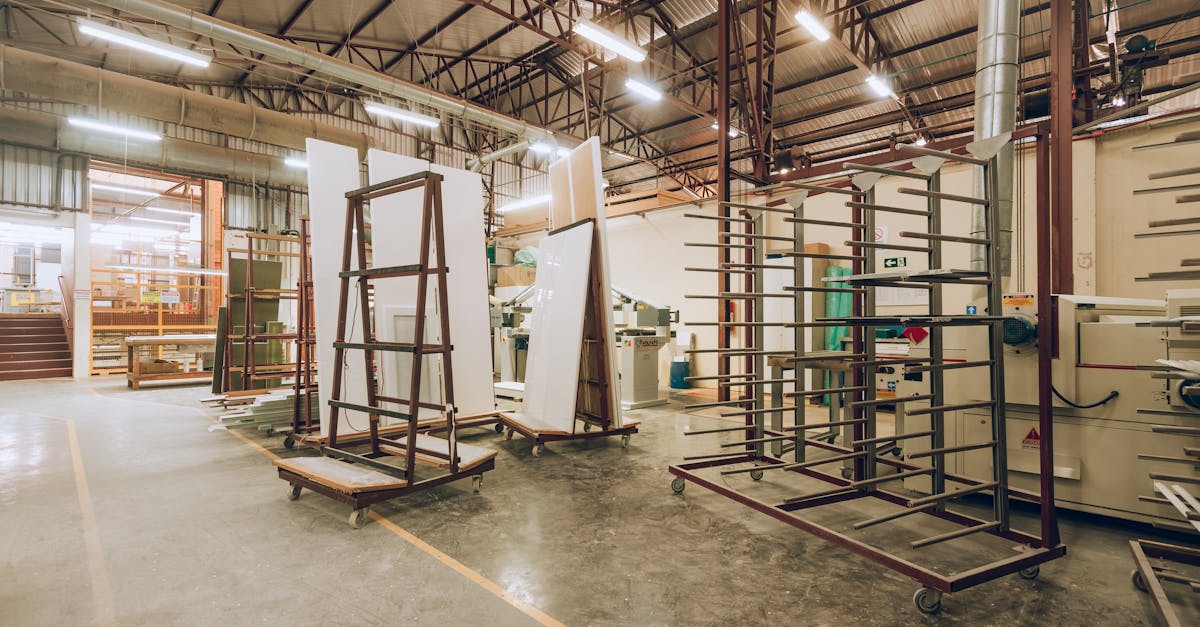
Second — check the factory if you can. A well-organized production floor tells you more than any brochure. If you can't visit, ask for a video call walkthrough. Any serious vendor will say yes.
Third — ask about communication. Not during the sales process. During production. Who do you call when something needs changing? How fast do they respond? This matters more than you think.
I don't have a neat ending for this. The truth is, there's no perfect vendor. There's only the vendor who tries hard enough, communicates honestly, and delivers what they promised. If you're looking for that, we might be worth a conversation.