What Actually Happens When You Order 50,000 Notebooks
You place a big order. Maybe 10,000 notebooks. Maybe 50,000. Then you wait. And wonder — are they actually going to get this right? I get it. I've seen it happen too many times. Someone orders bulk, the factory messes up the binding, and suddenly you're stuck with 20,000 unusable books. That's why understanding how printing factories handle high volume orders isn't just technical curiosity — it's how you avoid a disaster. We've been doing this since 1985 at Sri Rama Notebooks. Here's what goes on behind the scenes.
Step One: The Planning Phase (Where Most Mistakes Happen)
Before a single sheet of paper moves, the factory has to figure out the job. Seems obvious, right? But you'd be surprised how many places skip this and pay for it later.
Here's what proper planning looks like:
- Job ticket creation — specs, quantity, deadline, special instructions
- Paper procurement — GSM, size, color, grain direction. If the paper isn't right, nothing else is.
- Prepress check — files, bleeds, color profiles, die lines. One missing millimeter and the whole print run gets trashed.
- Machine scheduling — which press, which bindery line, which shift. A good scheduler is worth their weight in paper.
And honestly? The best factories do a dry run on paper before printing. I'm not kidding — they run a tiny batch just to confirm everything matches. Most people skip this. Most people regret it.
The question isn't whether your order is big. The question is whether the factory respects the prep enough to plan for it.
Production Flow: Machines Don't Sleep, But People Do
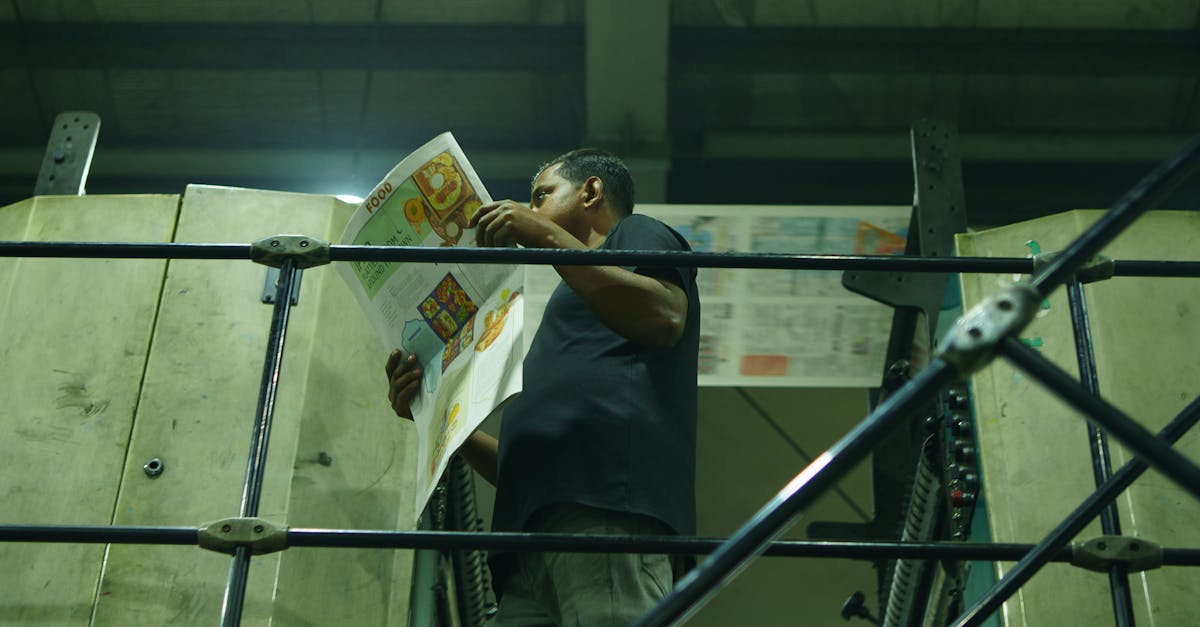
Once printing starts, it's a chain. Offset presses running at 10,000 sheets an hour. Binding lines folding, stitching, trimming. It's loud. It's coordinated chaos. But behind it, there's a logic.
Let me give you a real example.
Ramesh, 45, procurement manager from Kukatpally, Hyderabad. He ordered 30,000 notebooks for a government school program. Delivery date was fixed — non-negotiable. The factory he chose had three shifts. Day shift ran the covers. Evening shift ran the inner pages. Night shift did the binding. That's how you handle volume: split the work so no machine sits idle. Ramesh's order finished two days early. He didn't expect that. Most people don't.
But here's the thing — the factory can only push so fast. Paper needs moisture equalization time. Ink needs to dry before folding. Rushing kills quality. So the real skill isn't speed. It's rhythm.
Burstiness in production
Some days are furious. Some days are slow. A factory that handles high volume knows how to absorb delays. A machine breaks. A shipment of paper is late. A plate gets damaged.
You adjust.
That's it.
You don't panic. You shift the schedule. And you deliver it anyway. That's the difference between a factory that can handle volume and one that just says it can.
Quality Control: The Safety Net You Didn't Know Existed
I remember a conversation last year — sitting with our production head, drinking chai, and he said something I keep thinking about. He said, "In a big order, the first mistake isn't the problem. The problem is that you don't catch it for 5,000 copies."
Exactly.
That's why serious factories have checkpoints every thousand pieces. A person pulls a random notebook off the line. Checks binding, paper, print alignment, cover. If something's off, they stop the whole line. Sounds extreme? Well, it's cheaper than redoing 20,000 books.
Here are the QC stages in a typical high-volume run:
- First piece approval — before production starts, sign off on a physical sample
- In-process checks — every 1,000 units, random sampling
- End-of-run audit — final inspection, usually 1-2% of total quantity
- Packaging check — count verification, sealing, labeling
I think — and I could be wrong — that most factories only do step 1 and 3. The ones that do all four? Those are the ones you trust with a big order.
Comparison: Offset vs Digital Printing for High Volume Orders
| Factor | Offset Printing | Digital Printing |
|---|---|---|
| Setup cost | High (plates and makeready) | Low (no plates needed) |
| Cost per unit (large quantity) | Very low — drops significantly after 1,000+ copies | Stays flat — no economy of scale |
| Speed for bulk | Extremely fast once running (10,000+ sph) | Slower, better for short runs |
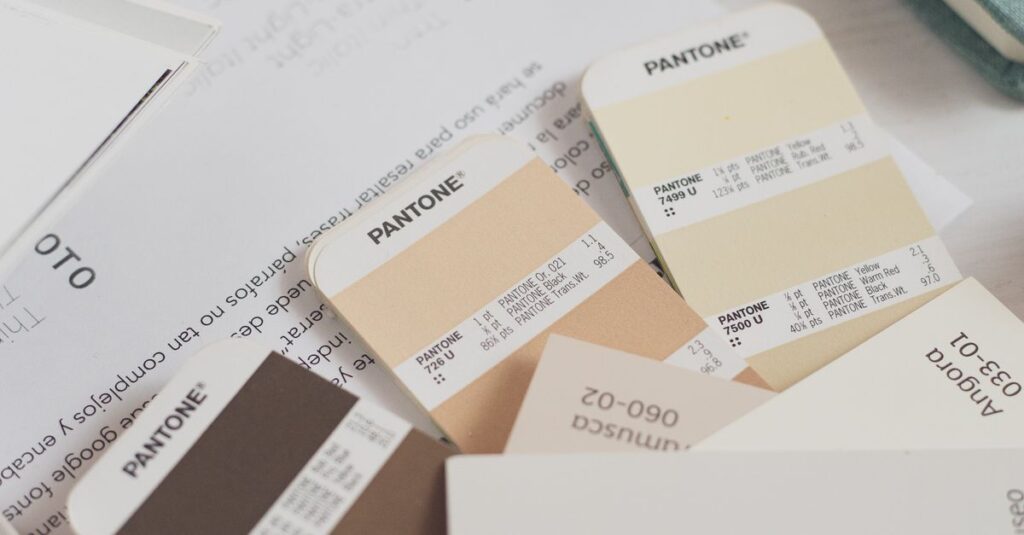
| Color consistency | Excellent — Pantone matching, tight tolerances | Good, but can vary between machines |
| Paper options | Wide range — from 50 GSM to 350 GSM | Limited — usually coated or standard uncoated |
| Best for | Orders over 2,000 units, same design | Under 1,000 units, variable data |
For a typical notebook order of 10,000+ copies, offset is almost always the better choice — both in cost and consistency.
Packaging and Logistics: The Final Mile
Once the notebooks are bound and inspected, they need to leave. Simple, right? Not quite. Packaging for bulk orders is a science of its own. Each bundle must be counted, wrapped, and labeled so the end customer can accept delivery without counting every single book.
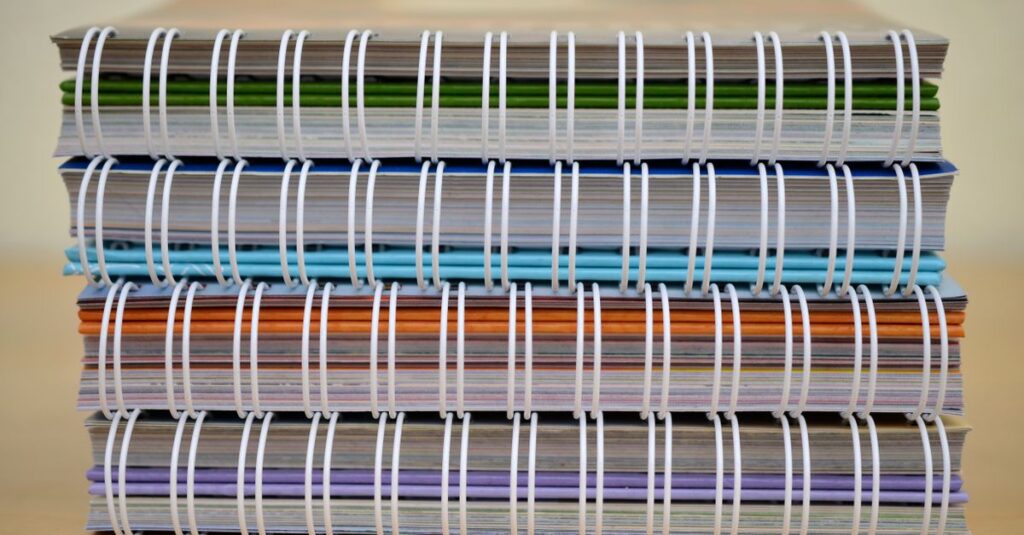
We use a bundling system: 10 notebooks per pack, 50 packs per carton, 10 cartons per pallet. That way the warehouse manager can do a quick count: 50 cartons? That's 25,000 notebooks. Done.
But what about overseas? Export orders need waterproof wrapping, fumigation certificates, container loading plans. One mistake and the entire shipment gets stuck at customs. I've seen it happen. Not pretty.
Handling high volume means the factory also handles the paperwork — packing lists, invoices, shipping documents. If they can't do that right, your order might arrive, but you won't be able to clear it.
Anyway. Where was I.
Frequently Asked Questions
Frequently Asked Questions
What is the minimum order quantity for notebooks in bulk?
Most factories start at 500–1,000 pieces per design. At Sri Rama Notebooks, we can do smaller runs for custom orders, but for cost-effective production, 2,000+ units is the sweet spot.
How long does it take to produce a high volume notebook order?
Turnaround depends on complexity and quantity. A 10,000-notebook order typically takes 7–14 working days. Rushed orders can be done in 5 days if the factory has capacity — but expect a premium.
Can I get a sample before full production?
Yes. Reputable factories always provide pre-production samples — usually within 2–3 days. You sign off on the sample, then production begins. Never approve a big order without seeing a physical sample first.
What customization options are available for bulk orders?
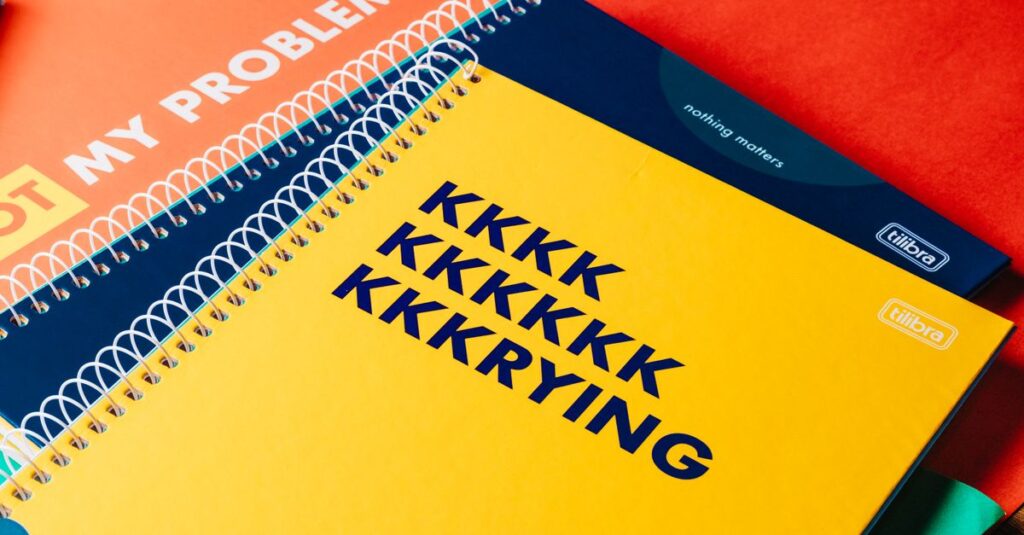
You can customise cover design, logo printing, foil stamping, embossing, binding type (stitched, spiral, perfect), page count, ruling type, and paper GSM. Private label and OEM are also common.
Do you ship notebooks internationally?
Yes. Sri Rama Notebooks exports to Gulf, Africa, USA, UK, Europe, Australia, and Asia Pacific. We handle all logistics: packing, documentation, and container loading. Delivery time varies by destination.
Final Thoughts (Not a Conclusion, Exactly)
If you're ordering in bulk, you're not just buying notebooks. You're trusting a factory to get it right — on time, on spec, on budget. The ones that handle high volume well don't just have big machines. They have systems for planning, quality, and logistics. They don't cut corners because they know you'll find out later.
I don't think there's a one-size-fits-all answer for how printing factories handle high volume orders. Every shop is different. But if they can tell you exactly how they plan, check, and pack — that's a good sign. If they can show you a sample, even better.
If you're looking for a factory that's been doing this since 1985 — well, you know where to find us. Sri Rama Notebooks