Why Most Bulk Orders Go Wrong (and It's Not the Price)
You think you've got it figured out. You send the spec sheet. You wait for a quote. You compare a few vendors. Then you place the order — and two weeks later you're chasing delivery dates. The printer says they're “working on it.” But something feels off.
I've seen this pattern more times than I can count. The real problem isn't the price per notebook. It's capacity. Specifically: industrial printing capacity planning for bulk orders. Most buyers don't ask about it. And most printers don't volunteer the truth.
If you're ordering 10,000+ notebooks or diaries, the question is simple: can the factory actually handle your job without delaying everything else? That's what I want to walk through here. For context, I work at Sri Rama Notebooks — a manufacturer that's been doing this since 1985. Not a big shot. Just a place that's learned a few things the hard way.
What Capacity Planning Actually Means — in Real Life
Let's get one thing straight. Capacity planning isn't a fancy spreadsheet that some manager pulls up. It's the answer to: “How many notebooks can we finish this week without screwing up the jobs we already promised?”
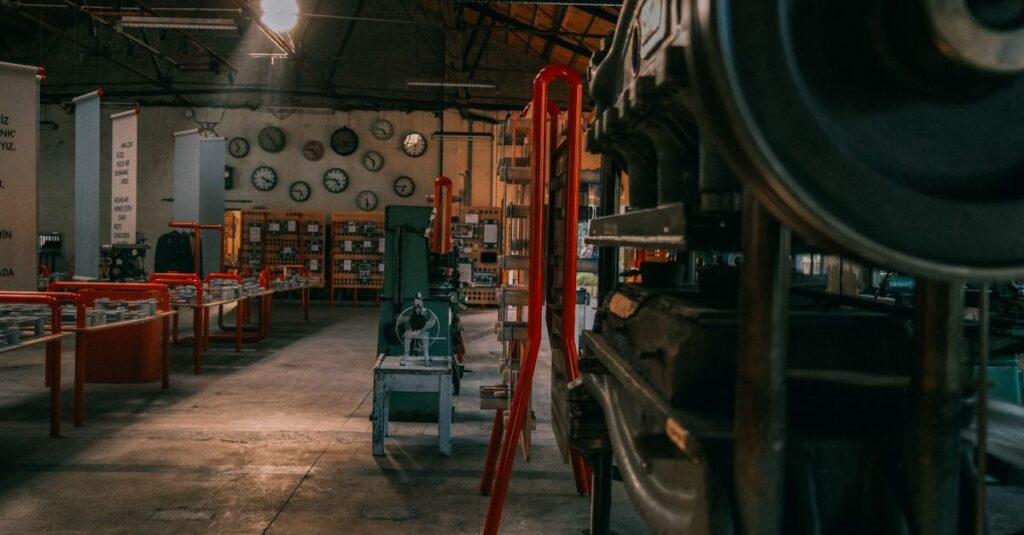
At our factory in Rajahmundry, we run about 30,000 to 40,000 bound notebooks per day. That's the baseline. But that number doesn't mean much unless you know the breakdown.
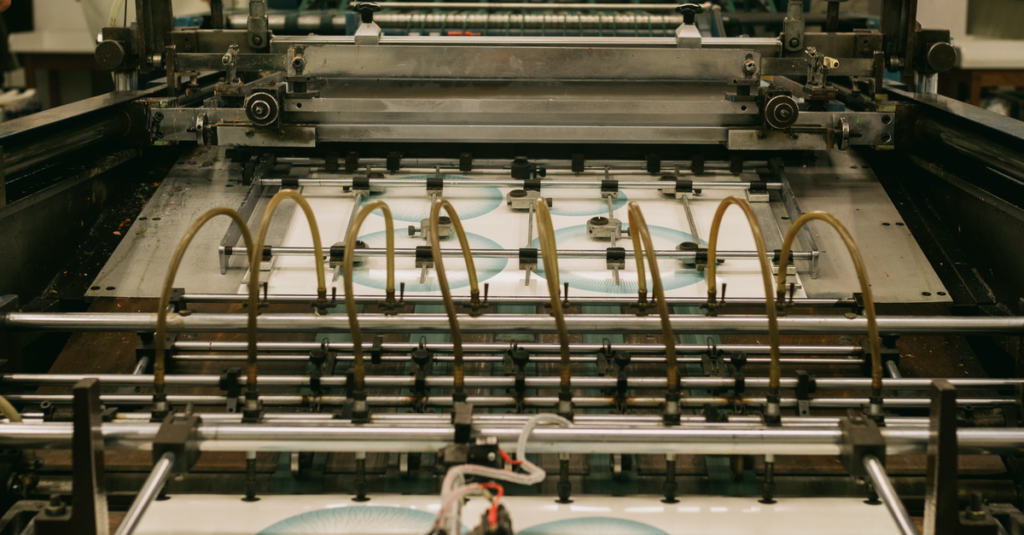
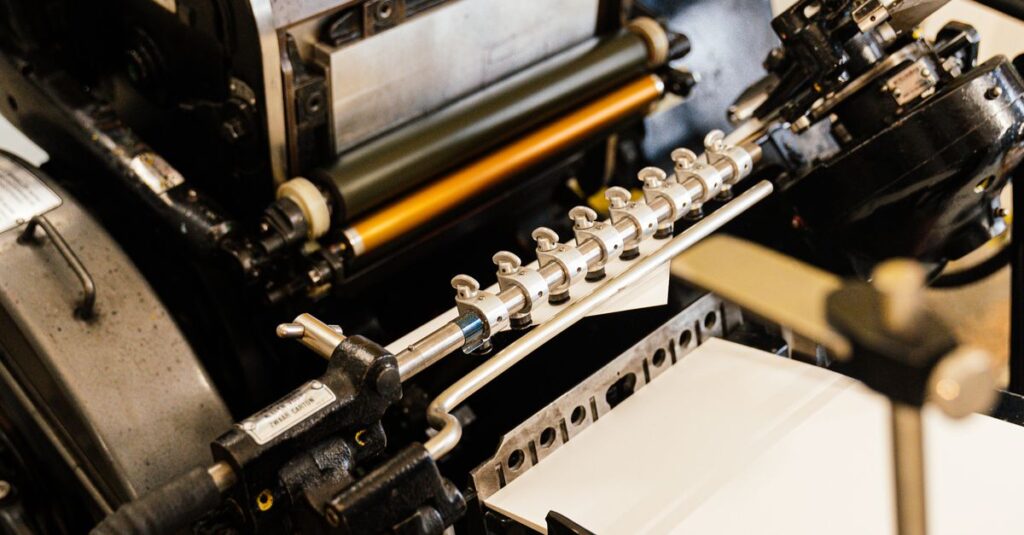
- Offset printing presses run at different speeds for different sizes. A King size notebook takes longer per sheet than a Short size.
- Binding matters. Stitched binding is faster than perfect binding. Spiral binding needs extra setup time.
- Customization adds complexity. Logo printing, foil stamping, embossing — all eat into capacity.
I remember a call two years ago. A buyer from Dubai wanted 50,000 custom diaries in 3 weeks. He was angry at the price we quoted. He said another vendor promised delivery in 2 weeks. I told him: “They might deliver. But check if they have their own press. Or if they're going to outsource and pray.”
He went with the other vendor. I later heard the order was two months late. That's what happens when capacity planning is ignored.
Expert Insight
I was reading something last month — a production report from a print association, I forget the exact name — and it said something like 40% of print delays happen because of poor capacity estimation, not machine breakdowns. I don't have the exact number. But I've seen it happen. The factory manager says yes to every order. Then reality hits. And the buyer is left waiting. The real skill isn't printing fast. It's knowing when to say no.
How to Evaluate a Printer's True Capacity
Most buyers focus on three things: price, sample quality, and delivery date. But there's a fourth thing that matters more: the factory's actual production rhythm.
Here's what I ask when I'm on the other side of the table (which happens sometimes when we outsource packaging):
- What's your current load? Are they at 60% or 90% capacity? If they're already running full, your order is going to push into overtime — and that usually leads to mistakes.
- How many shifts do you run? One shift = 8 hours. Two shifts = 16 hours. If a factory only runs single shift, their capacity is half of what the press specification says.
- What kind of binding do you do in-house? Many printers outsource binding. That adds a week minimum. And loss of control.
The truth is, most factories don't want to tell you they're overbooked. Because they don't want to lose the order. But I'd rather lose an order than lie about delivery.
Comparison Table: In-House Capacity vs. Outsourced Capacity
| Factor | In-House Printing (like Sri Rama Notebooks) | Outsourced/Reseller Model |
|---|---|---|
| Press control | Full control over schedule and quality | Dependent on third-party schedule |
| Binding speed | Dedicated binding lines run continuously | Binding may be subcontracted — slower |
| Customization flexibility | Can adjust quickly for logos, foils, sizes | Often limited to standard options |
| Lead time reliability | Predictable based on current load | May change based on supplier's load |
| Quality consistency | One team oversees every step | Multiple handoffs increase error risk |
| Cost for 10K units | Competitive — no middleman margin | Often 15-25% higher |
Look, I'm biased. But I've seen enough outsourced orders go wrong that I'd rather be honest about it. If you want control, pick a manufacturer who owns the entire process.
A Real Story: Ramesh and the Missing 20,000 Notebooks
Ramesh, 42, procurement manager at a chain of schools in Hyderabad. He ordered 20,000 custom notebooks for the new academic year. The vendor he chose had a slick website and a low price. They promised delivery in 25 days. On day 20, they said the paper was delayed. On day 30, they said the binding machine broke. On day 40, he got half the order. The rest came two weeks later — wrong ruling, wrong cover.
I met him at a trade fair six months ago. He told me: “I'll never order from a printer again without visiting their factory first. I want to see the presses running.” He now orders from us. And he always asks: “How many presses do you have running right now?” It's the smartest question a buyer can ask.
That's the thing about capacity planning — it's not a theory. It's a yes or no answer on the day you need to ship.
Common Mistakes in Bulk Printing Orders
I've made a list over the years. Some of these I've seen buyers do. Some I've done myself when I was new.
- Assuming all presses are the same. A 4-color press prints faster than a 2-color press. But not all jobs need 4 colors. Know what your job requires.
- Ignoring drying time. Printing ink needs to dry before binding. In humid weather (like Rajahmundry in monsoon), drying takes longer. Good planners add 2 days for that.
- Ordering during peak season. March to June is peak for school notebooks. If you place a corporate diary order in May, expect longer lead times. Plan 6 months ahead if you can.
- Not confirming paper availability. Paper mills have their own capacity limits. If the paper type you want is out of stock, the whole order stalls.
Anyway. That's a lot of things to watch for. But honestly, the biggest mistake is not asking the question: “What else are you printing this week?”
Frequently Asked Questions
What is industrial printing capacity planning?
It's the process of matching your order quantity and timeline with the factory's actual production capability — number of presses, shifts, binding lines, and current workload. Proper planning prevents delays and quality issues.
How do I know if a printer has enough capacity for my bulk order?
Ask for their current load percentage and shift schedule. Visit the factory if possible. A transparent manufacturer will show you their production floor, not just a showroom. Look for continuous binding lines, not outsourced finishing.
What's the minimum lead time for 10,000 custom notebooks?
For standard sizes and simple customization, 20–25 working days is realistic. For complex jobs like foil stamping or embossed covers, budget 30–35 days. Rushing beyond that risks errors and poor drying.
Can Sri Rama Notebooks handle large corporate orders with tight deadlines?
Yes, but we prefer transparency. We'll tell you if we're near capacity and suggest a realistic timeline. Our daily output of 30,000–40,000 units gives us flexibility, but we don't overpromise. Call us at +91-8522818651 to discuss your bulk order.
How does capacity planning affect the cost of bulk notebooks?
When a factory has free capacity, costs are lower because they can optimize runs. When they're overloaded, they may quote higher to discourage orders or to cover overtime. Asking about capacity upfront can help you negotiate better pricing.
Conclusion
Two things to remember. First: capacity planning isn't about spreadsheets. It's about whether the machines are actually available to run your job. Second: honest manufacturers will tell you their limitations. If a printer promises the moon, be suspicious. The best partner is the one who says: “I can do this in 30 days, but I need to see the artwork this week.”
I don't think there's a perfect answer for every order. But if you've read this far, you already know that checking capacity is the difference between an on-time delivery and a warehouse full of empty shelves. If you're planning a bulk order, Sri Rama Notebooks is open to a conversation — no pressure, just a straight answer.