Let's Settle This Once and For All
You're ordering notebooks in bulk. Maybe ten thousand. Maybe fifty. And now someone asks: offset or digital? I've seen corporate buyers freeze at this question. It sounds technical. It sounds like a decision you could mess up.
Here's the truth: Offset vs Digital Printing for Large Commercial Orders isn't complicated. It's just two different tools. And like any tool, each one fits a specific job. The problem? Nobody explains the real trade-offs. They just throw specs at you. Or worse — they push what they have in stock.
I've been on the production floor since the '90s. We run both at Sri Rama Notebooks. I've seen what works and what doesn't. And I'll tell you straight — no marketing fluff.
Let's break it down. Not like a textbook. Like a conversation.
Offset Printing: The Old Reliable That Still Runs the Show
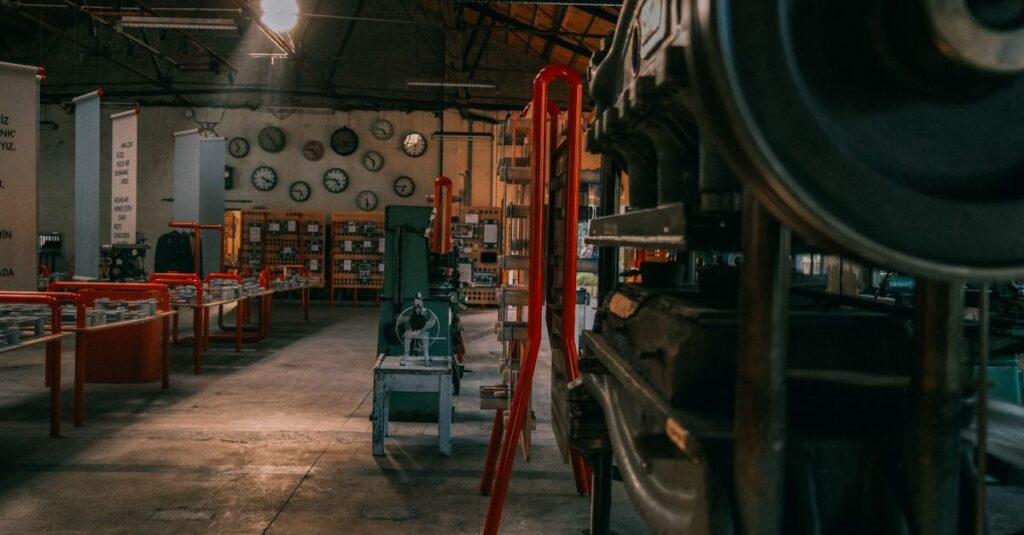
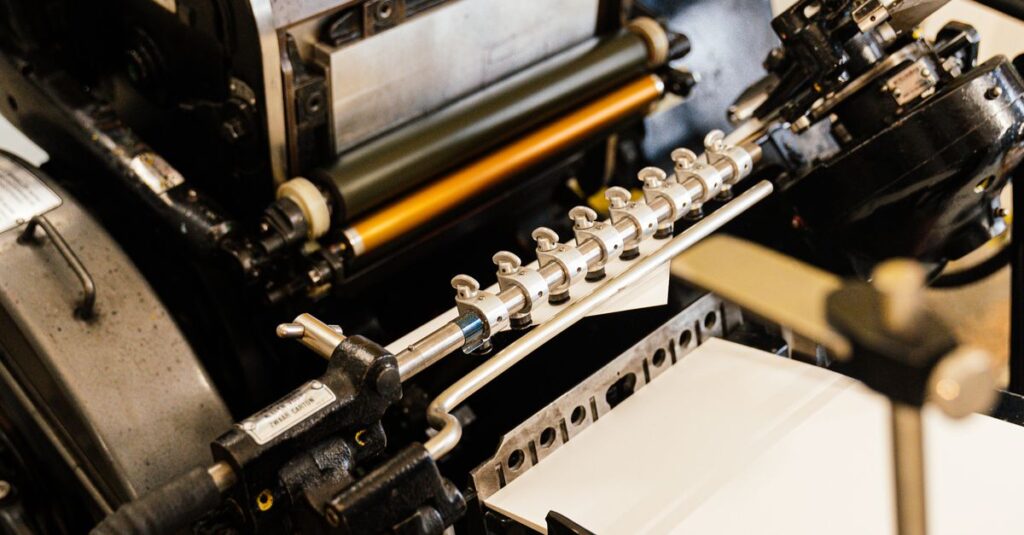
Offset presses are massive. Loud. They take time to set up — plates, ink rollers, registration checks. But once they're running? They don't stop. For large commercial orders — think 10,000 plus — offset is still the workhorse.
Why Large Orders Love Offset
- Cost drops fast with volume. Per-unit price goes down as quantity goes up.
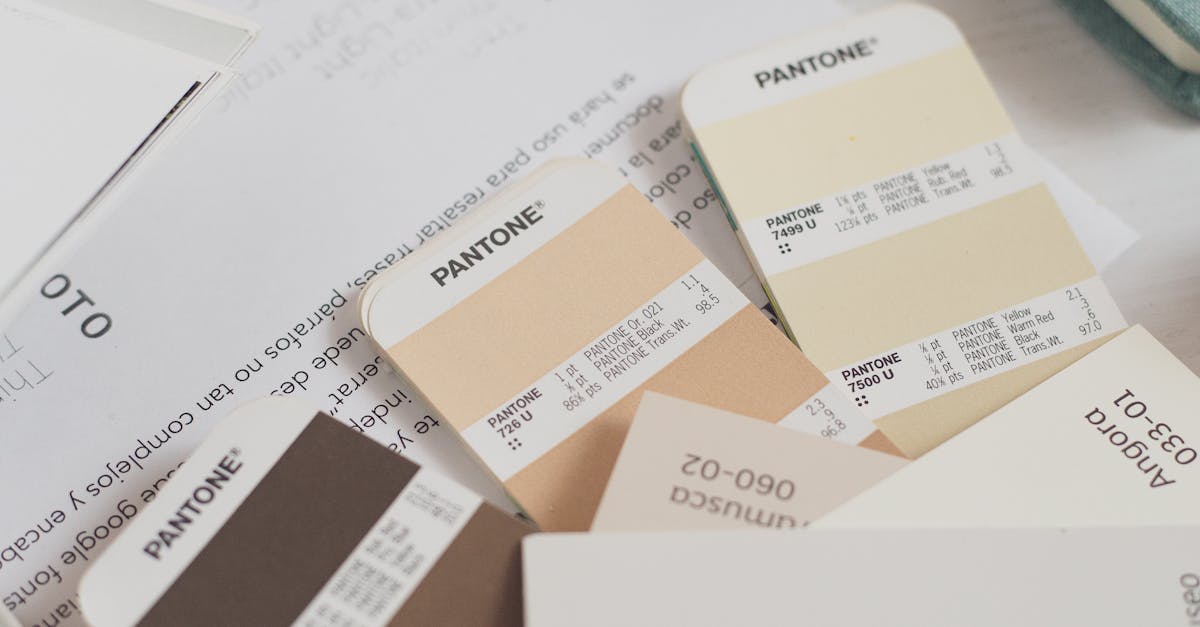
- Color accuracy is insane. Pantone matching? Offset nails it every time.
- Paper options are wider. Thicker paper, textured stock, specialty covers.
But here's the catch — setup is expensive. You're paying for plates, machine time, and a skilled operator. Small print runs (under 500) don't make sense. The setup cost eats your budget before a single sheet is printed.
I remember running a job for a government tender once — 75,000 notebooks. We ran the offset press for three days straight. The guy from the procurement department came and watched. He asked why the machine was so noisy. I said, "Because it's printing 6,000 sheets an hour. That's the sound of speed."
The thing about offset is — once it starts, you can't change anything. No last-minute edits. No tweaking a logo color. The plates are fixed. That's the trade-off.
Digital Printing: The Newer Kid That’s Surprisingly Good
Digital presses don't use plates. They print straight from a PDF. It's faster to start. And you can change every page if you want. That flexibility is the whole point.
Where Digital Shines
- Short runs. 100 to 1,000 units. Economical because there's zero setup cost.
- Variable data. Each notebook can have a different name or cover. Great for personalized corporate diaries.
- Fast turnaround. Need 500 notebooks by Friday? Digital gets it done.
But — and this is a real but — per-unit cost doesn't drop much. For large commercial orders, offset will almost always beat digital on price. That's just math.
I had a client once — Ravi, 38, procurement manager at a Bangalore tech firm. He needed 2,000 custom diaries for a client event. He was worried about quality. I told him digital would look clean for short runs. We printed a sample. He looked at it, held it under the light. "This looks better than I expected," he said. And he was right. Digital has come a long way in the last five years. It's not your dad's home printer.
Still, if you're ordering 10,000 notebooks, I wouldn't recommend digital. The cost per unit will be higher. And the color consistency across the run? Not as tight as offset.
Which brings me to the comparison you actually need.
Offset vs Digital Printing for Large Commercial Orders — Side by Side
Let me give this to you straight. Here's how they stack up.
| Factor | Offset Printing | Digital Printing |
|---|---|---|
| Best for quantity | 5,000+ units | 50–1,000 units |
| Per-unit cost at volume | Very low (improves with quantity) | Higher (no volume discount) |
| Setup cost | High (plates, machine setup) | Almost zero |
| Color accuracy | Excellent (Pantone, spot colors) | Good for CMYK, limited spot colors |
| Paper options | Wide range (textured, thick, coated) | Limited (works best with standard paper) |
| Turnaround time | Slower start (setup hours) then fast output | Fast start, consistent speed |
| Customization per unit | No (same design for all) | Yes (variable data possible) |
| Best use case | School notebooks, bulk diaries, account books | Corporate gifts, small batches, proofs |
This table is the real answer. But numbers only tell part of the story. Experience fills the rest.
Expert Insight: What I’ve Learned from 35 Years in the Room
I remember when digital first showed up in our shop around 2012. My father — the old school owner — gave it one look and said, "Toys." He wasn't completely wrong. Early digital was slow and tended to fade in sunlight.
But I watched it evolve. By 2018, digital presses could hit 80 pages per minute with near-offset quality. I was skeptical too. Then I ran a job — 300 custom diaries for a bank. They wanted each cover to have a different employee name. Digital did that in one pass. No extra plates. No waiting.
Here's the thing I keep coming back to: don't choose based on hype. Choose based on the job. If you're ordering 20,000 school notebooks for a district — go offset. If you need 500 corporate diaries with personalized covers — go digital. The right tool makes the job look good. The wrong one costs you money and sleep.
How to Actually Decide for Your Next Order
Look, I've seen procurement managers overthink this. They read a dozen articles and still can't decide. Let me give you a simple framework.
Three Questions to Ask Yourself
- What's the quantity? Under 1,000? Digital. Over 5,000? Offset. Between? Ask a manufacturer (and don't let them push you to what makes them more profit).
- Do you need color precision? If your brand uses a specific Pantone shade that must match your website — offset handles that better.
- How fast do you need it? If the answer is "yesterday," digital. Setup time for offset is real. Don't let anyone tell you otherwise.
I once had a client — a school chain ordering 8,000 notebooks — insist on digital because they thought it was "modern." I showed them the cost comparison. They saved 40% by switching to offset. That's not a small number. That's a significant budget difference.
But I'll also say this: digital is getting cheaper every year. The gap is narrowing. Five years from now, the line between them will be blurrier. For now, the old rule still holds — higher volume favors offset.
Frequently Asked Questions
Frequently Asked Questions
Which is cheaper — offset or digital printing for large commercial orders?
For large commercial orders (over 5,000 units), offset printing is almost always cheaper per unit. Digital has no setup cost but the per-unit price stays consistent. The savings with offset increase as quantity goes up.
Can digital printing match offset quality for notebooks?
Modern digital presses come close, but offset still wins on color accuracy and paper variety. For standard school notebooks and diaries with corporate logos, offset gives sharper, more consistent results across a large run.
What print run size is best for digital printing?
Digital works best for runs under 1,000 units — think corporate gifts, personalized diaries, or small batch orders. The zero setup cost makes it economical for short runs where offset would be too expensive to start.
Does offset printing take longer than digital?
Offset takes longer to start because of plate making and machine setup. But once running, it outputs faster. Digital starts quickly — no setup — so for small urgent orders it's faster overall.
Which printing method is better for custom notebooks with logos?
Both work. For large quantities (10,000+), offset delivers consistent logo quality at lower cost. For smaller batches or variable designs (different names on each cover), digital is the better choice.
So What Should You Do?
Two things matter here. First — know your quantity. That's the biggest factor. Second — talk to a manufacturer who runs both. Not one who only offers digital or only offset. Someone who can be honest about what fits your job.
I don't think there's one perfect answer for everyone. Probably there isn't. But if you've read this far, you already understand that Offset vs Digital Printing for Large Commercial Orders depends on your specific numbers. That's not a cop-out. That's the truth.
If you want a real conversation about your next bulk order — no pressure, just straight talk — reach out to Sri Rama Notebooks. We've been doing this since 1985. We know which method works for what.