Not Another Sales Pitch
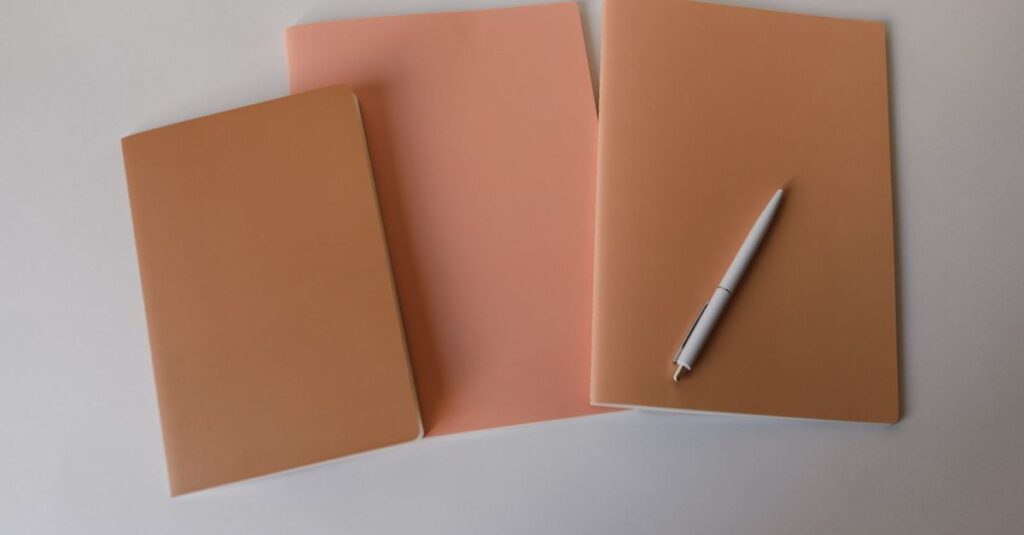
Here's a scene I've seen play out a dozen times. A procurement manager in London opens a sample box. Inside: notebooks with a logo that's slightly crooked. The paper feels wrong. The spiral binding catches on the edge. The whole order was 50,000 units. And now it has to be re-done.
That's the problem with commercial printing for international retail chains. One bad batch and your timeline goes out the window. The brand team is upset. The marketing launch gets delayed. Someone's head rolls — probably not yours, but the stress is real.
I've been in this business since 1985. Worked with retailers in the US, the Gulf, Europe, and Australia. And I can tell you: the difference between a good printer and a bad one isn't just the price. It's the process. It's how they handle the unexpected. If this sounds familiar, Sri Rama Notebooks might be a conversation worth having.
Why Most Retail Chains Get This Wrong
Big retailers think they need one thing: the lowest cost per unit. So they send specs to five factories in India, China, and Vietnam. They pick the cheapest quote. They get samples that look fine. Then the production run happens — and that's where the wheels fall off.
The problem isn't the factory. It's the distance. It's the language barrier. It's the fact that nobody from the buying team is standing on the factory floor when the printing press starts rolling.
And, let's be honest, commercial printing for international retail chains isn't the same as printing a batch of flyers for a local shop. The scale is different. The consistency standards are different. The packaging has to survive shipping to multiple distribution centers.
I remember one buyer from Dubai — nice guy, very professional. He'd ordered from a factory in China and the covers were delivered with the wrong laminate. Too glossy. Reflected light in a way that made the logo look washed out. He had to reject 20,000 diaries. The factory refused to take responsibility. Said the spec sheet wasn't clear enough.
That's the thing about international orders. The margin for error is razor thin. And a bad partner will always blame the paperwork.
What Actually Matters in Bulk Printing
After four decades, here's what I've learned separates a reliable factory from the rest:
- Communication clarity — not just language, but willingness to ask tough questions about your spec sheet
- Sample consistency — the approved sample and the finished product should be identical, not close enough
- Packaging standards — retail chains need boxes that stack, labels that scan, and packaging that doesn't tear in transit
- Production capacity — can they actually do 30,000 units a day without cutting corners?
These are the basics. Yet most buyers I meet have been burned on at least three of these four points.
Anyway. That's a separate conversation. Let me tell you about someone who got it right.
Micro-Story: Sarah's Notebook Order
Sarah Morrison is a procurement manager for a retail chain in Manchester. She's 38. Has two kids and a dog that hates the mailman. She's been in the job six years.
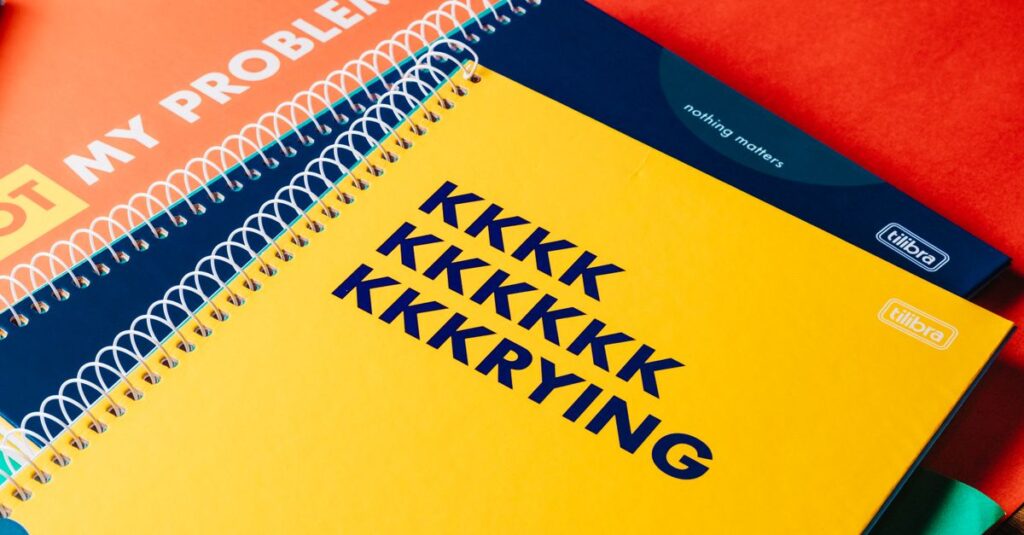
Her chain wanted branded notebooks for a back-to-school promotion. 100,000 units. Split across four cover designs. Each one had to match the Pantone colors exactly. Delivery in eight weeks — no negotiation.
She'd worked with suppliers in Eastern Europe before. Had mixed results. This time, she tried an Indian manufacturer. Sara from our export team handled the communication. Every stage, she sent photos. Not polished ones — just real photos from the factory floor. "Look, this is the paper before cutting. Here's the first print run. The color is still off by 2%. Give us one more hour."
The order shipped on time. The colors matched. Sarah's boss asked who the supplier was. That was two years ago. She's ordered every season since.
I'm not telling you this to brag. I'm telling you because the process matters more than the price. Always.
Comparative Analysis: Local Printer vs. International Commercial Printing Partner
If you're evaluating options, here's a realistic comparison. Not the kind of marketing fluff you usually see.
| Factor | Local Short-Run Printer | International Commercial Printer (like us) |
|---|---|---|
| Per-unit cost | Higher for bulk orders | 30-50% lower for volumes over 10,000 |
| Lead time | 1-2 weeks | 4-8 weeks (includes shipping) |
| Minimum order | 500-2,000 units | 5,000-50,000+ units |
| Customization depth | Limited to basic logo printing | Full OEM: paper GSM, ruling, binding, cover material, foil stamping |
| Quality consistency | Good for small batches; varies on re-orders | Standardized process; consistent across millions of units |
| Shipping complexity | Simple; local courier | Requires freight forwarding, customs documentation, lead time planning |
The choice depends on your volume and timeline. If you need 2,000 units in a week, go local. If you need 50,000 units with specific paper and binding — and you can plan two months ahead — an international partner is the only way that makes financial sense.
The Manufacturing Reality Nobody Talks About
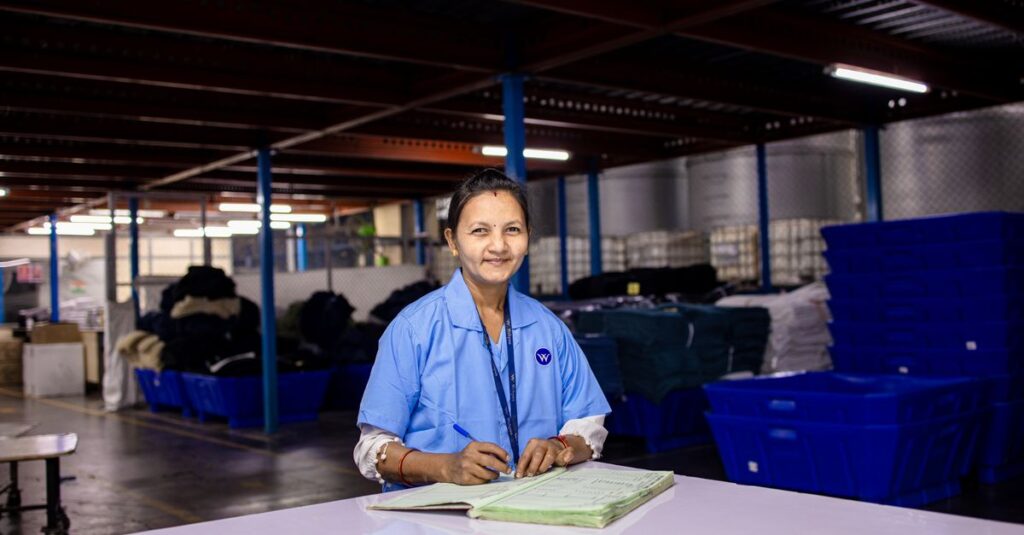
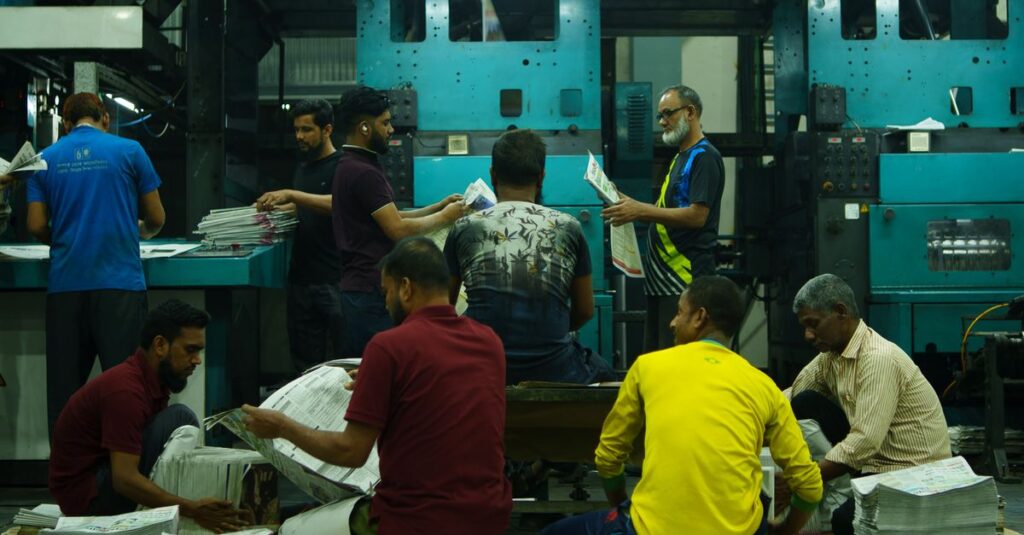
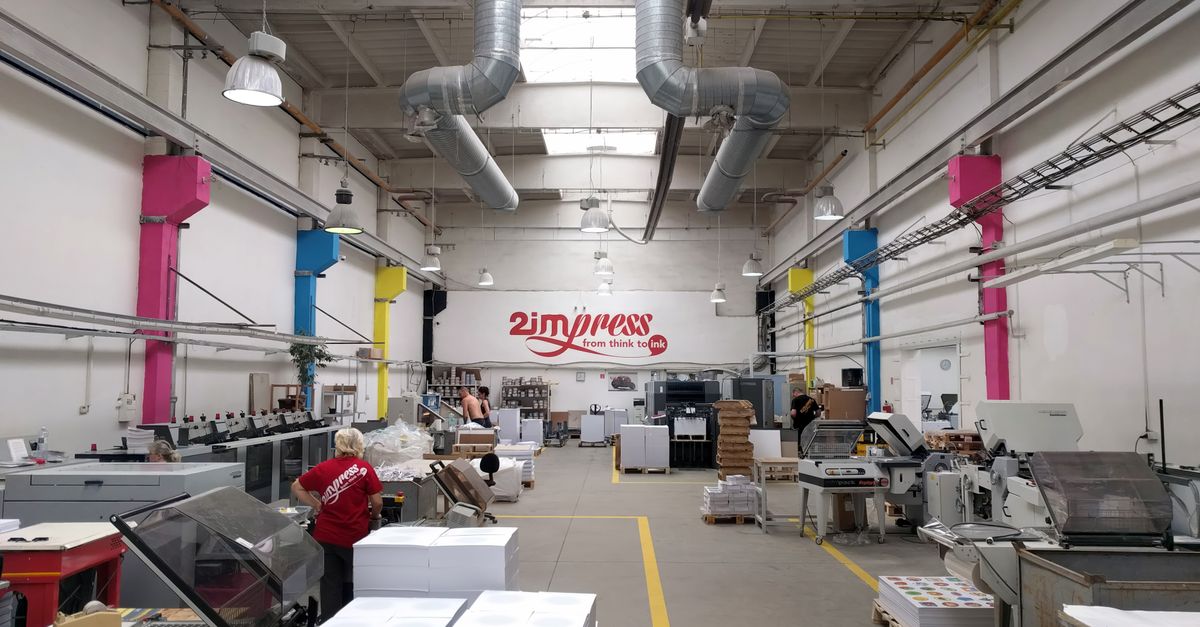
Let me give you a raw number. We produce 30,000 to 40,000 notebooks every single day. That's not a boast — it's a constraint. Because at that volume, every mistake is multiplied by 30,000.
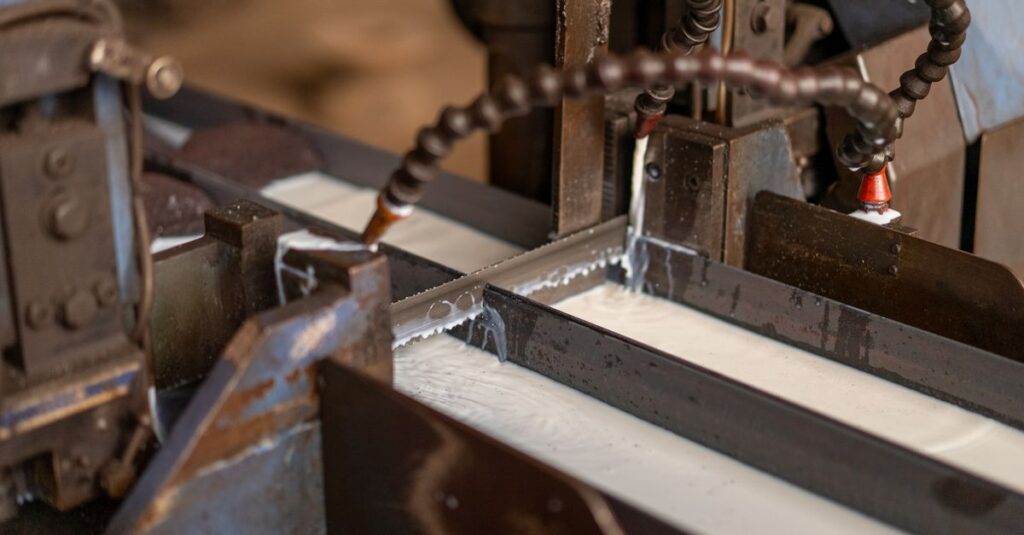
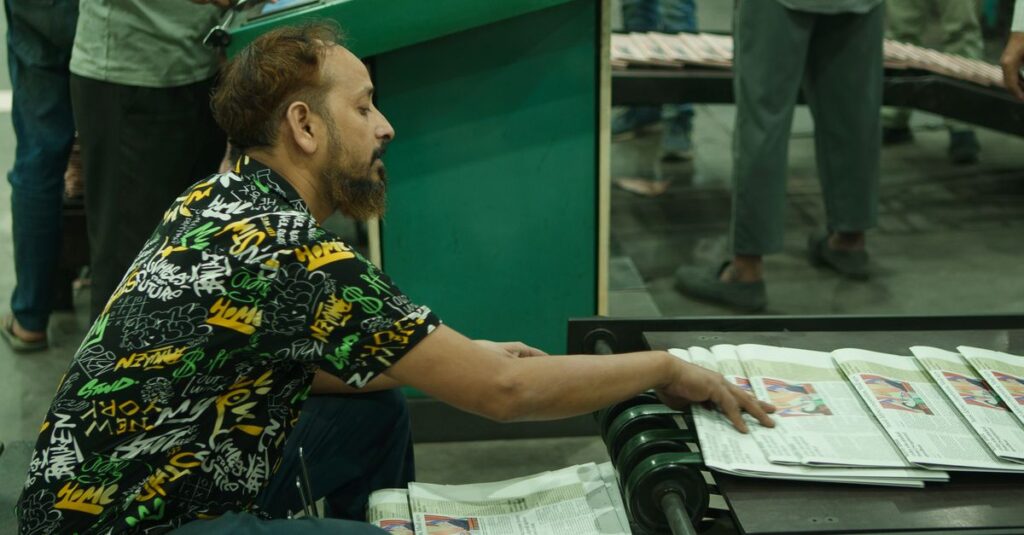
Commercial printing for international retail chains isn't glamorous. It's about checking the same thing 300 times until you're bored of it, and then checking it again. It's about rejecting a batch of paper because the GSM is off by 2 points. It's about a binding machine that breaks at 2 AM and the electrician who lives 40 minutes away and comes anyway because the shift is waiting.
I once had a client from a French retail chain. They wanted an embossed logo on a leather-look cover. The embossing die kept tearing the material during testing. We tried six different temperatures and three pressure settings. The client didn't know any of this. They just saw the final sample and said, "Perfect."
That's the part of the process nobody writes about. The invisible work. The failures that happen before you ever see the product.
Expert Insight
I was talking to a supplier from Germany at a trade fair a few years ago. Over bad coffee, he said something I haven't forgotten: "The best factories are the ones that call you with bad news before you find it yourself."
He was right. I don't have a study to back that up — it's just what I've seen. The factories that hide problems are the ones that create the biggest disasters. The ones that tell you upfront, "Your paper is delayed by three days," give you a choice. You can adjust the timeline. Or pay for expedited shipping. But you're in control.
Take it for what it's worth. But I've never had a client complain about too much honesty.
Frequently Asked Questions
Frequently Asked Questions
What is the minimum order quantity for commercial printing for international retail chains?
Most international factories require a minimum of 5,000 to 10,000 units per design. At Sri Rama Notebooks, we can work with smaller quantities for first-time clients to build trust, but the per-unit cost will be higher.
How long does it take to produce and ship a bulk notebook order internationally?
Production usually takes 3 to 4 weeks for orders under 50,000 units. Shipping by sea to the US or Europe takes another 3 to 5 weeks. Air freight is faster but significantly more expensive — only recommended for urgent restocks.
Can you match Pantone colors for custom cover printing?
Yes. We use the Pantone Matching System for all commercial printing jobs. We request physical color swatches or digital Pantone codes before production. We also do a pre-production sample so you can approve the color match before we run the full batch.
How do you ensure quality control across large production runs?
We check samples at three stages: after printing, after binding, and after packaging. Each batch is tested for paper quality, binding strength, and color accuracy. We maintain a rejection rate below 2% — anything higher triggers a full line review.
What binding options are available for retail chain diary orders?
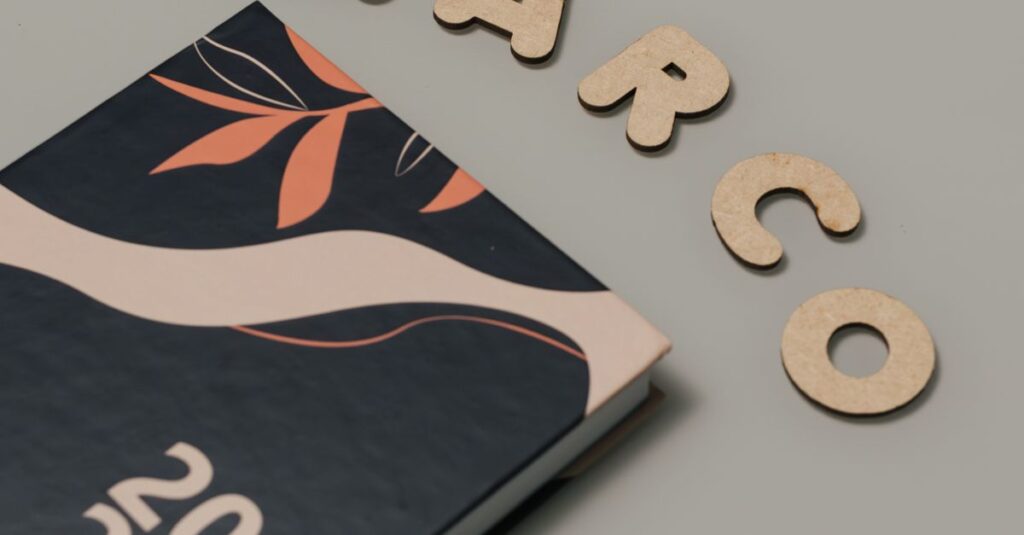
We offer stitched binding, spiral binding, and perfect binding. For retail chains, stitched binding is most common for notebooks. Spiral binding works well for diaries. Perfect binding is used for higher-end products like corporate diaries and account books.
One Last Thing
Look, I'll be direct. Choosing a commercial printing partner isn't about finding the cheapest option. It's about finding someone who will answer the phone when something goes wrong — and something always does. The question is whether they fix it before you find out.
That's what 40 years in this business has taught me. It's not a perfect system. But it works. And if you're sourcing commercial printing for international retail chains and wondering who to trust with your next order — maybe start a conversation. Sri Rama Notebooks has been doing this long enough to know what matters.