Offset Printing vs Digital Printing – What Actually Matters
You walk into a meeting with a stack of sample notebooks. The client picks one up, flips through it, and asks: “Which printing method?” And you freeze. Because honestly? Most people don't know the difference. They just want it to look good and not cost a fortune.
What Is the Difference Between Offset & Digital Printing? It's not a trick question. It's the kind of thing that keeps procurement managers up at night – especially when the order is 10,000 units and the deadline is tight. I've spent years in notebook manufacturing, and I still see buyers mix them up.
Here's the thing: each method has a job. Pick the wrong one, and you either bleed money or end up with prints that look faded. If you're ordering notebooks in bulk, understanding printing options at Sri Rama Notebooks can save you a headache.
How Offset Printing Works (And Why It Still Matters)
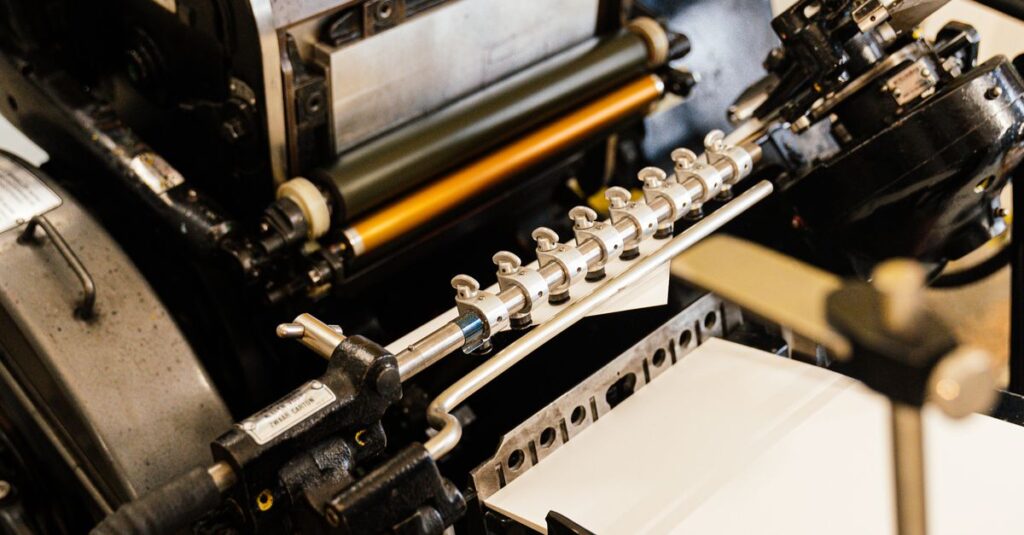
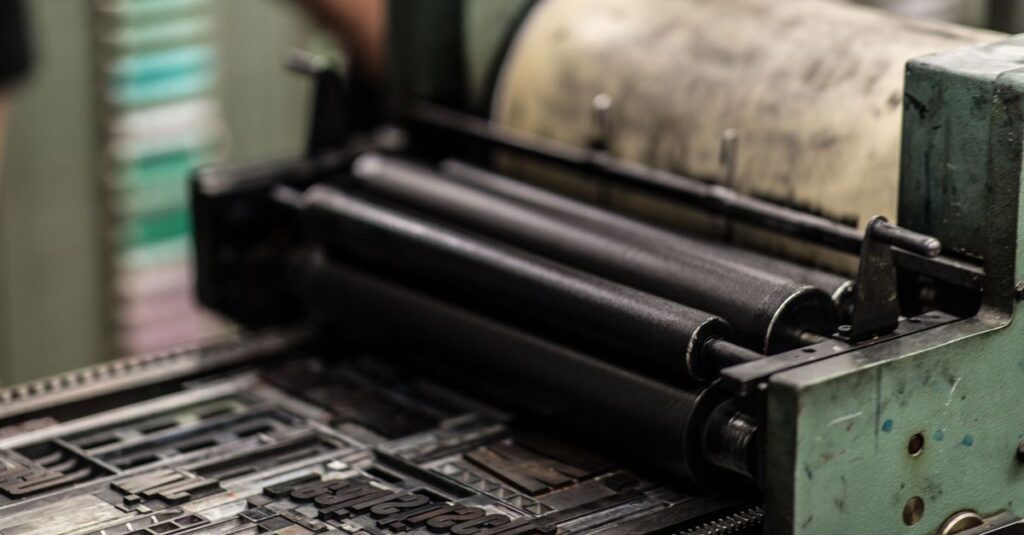
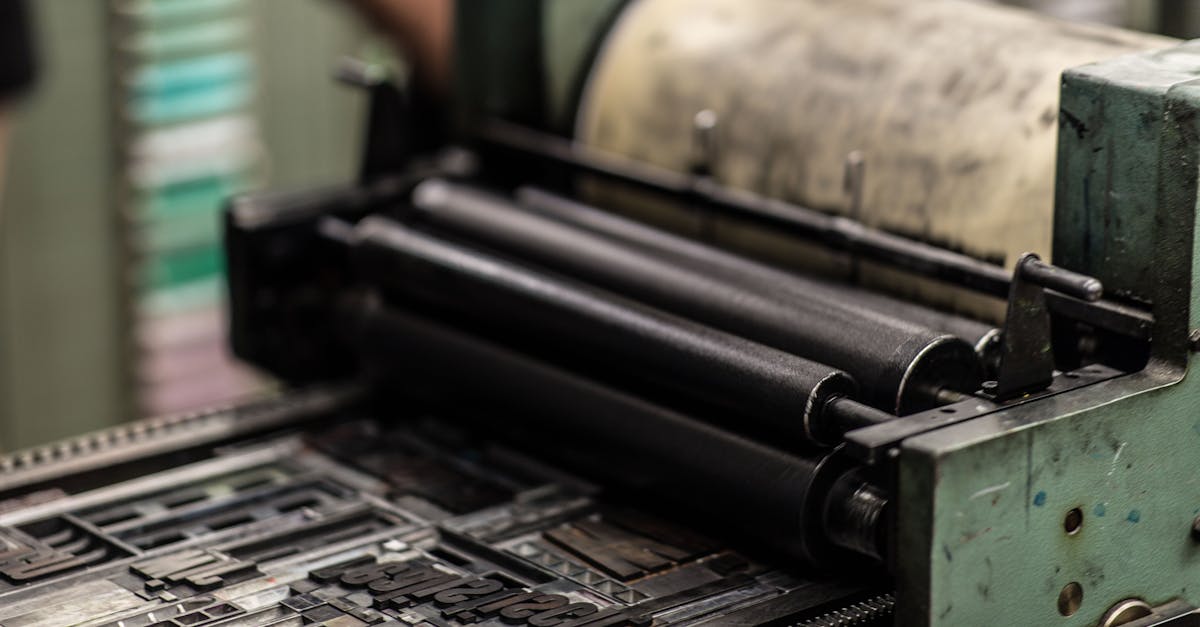
Offset printing is the old-school workhorse. Ink gets transferred from a metal plate to a rubber blanket, then onto the paper. It's indirect – that's the “offset” part.
Three things happen when you offset print:
- Setup takes time. Plates, alignment, color calibration. A solid 30–60 minutes before the first good sheet comes out.
- Cost per unit drops fast. After those first few hundred sheets, each additional notebook is pennies.
- Color is consistent. Not just close – the same shade on page one and page ten thousand.
Most of our corporate diary orders – the 5,000+ quantities – run on offset. It's reliable. I remember a client from Dubai who wanted perfect Pantone matching for their logo. We ran a test sheet, and he said: “That's exactly it.” And we rolled. That's offset for you.
The catch? Minimum orders are higher. If you need 200 notebooks with different covers, offset becomes a pain. Setup cost kills the savings.
Anyway. Where was I. Offset is king for long runs where quality can't budge.
Expert Insight
I was talking to our production manager last week – he's been here since the early 90s. He said something that stuck: “Offset printing is like cooking biryani from scratch. Takes time, requires skill, but the taste is unmatched. Digital is like instant noodles – fast and works in a pinch.” Not the most elegant comparison, but honestly? He's right. Offset delivers depth that digital can't replicate, especially on uncoated paper.
Digital Printing: Fast, Flexible, and Sometimes the Better Choice
Digital printing skips the plates. It's basically a high-end laser printer – toner or inkjet directly onto paper. No setup time. You hit print, it comes out.
Let me tell you about Rajesh. He's 34, a procurement officer for a chain of coaching centers in Vijayawada. He needed 1,200 notebooks – but each subject had a different cover design. Physics, Chemistry, Maths – all with small logos. Offset would have cost a fortune. Digital did the job in two days. He called me after delivery and said: “I didn't think it could look this good.” That's digital's sweet spot.
What digital gives you:
- Zero setup. No plates, no waste from calibration.
- Variable data. Every copy can be different – names, cover colors, page inserts.
- Quick turnaround. Orders of 100–2,000 units ship in days, not weeks.
The downside? Cost per unit stays flat. For high volumes (5,000+), offset is cheaper per piece. And digital inks fade faster under sunlight – something to consider for diaries that sit on desks all year.
Look, I'll be direct: digital isn't worse. It's different. It solves problems offset can't. But if you're printing 50,000 notebooks for a school district, offset is the only sane choice.
Offset vs Digital: When to Use Which?
Here's the comparison table I send to every new client. It's not fancy, but it works.
| Factor | Offset Printing | Digital Printing |
|---|---|---|
| Best quantity | 1,000+ (ideal 5,000+) | 100–2,000 |
| Cost per unit at high volume | Very low | Constant (higher per piece than offset at scale) |
| Setup time | 30–60 minutes | None |
| Color accuracy & consistency | Excellent (PMS matching) | Good (CMYK, slight variation across runs) |
| Customization per copy | Not practical (same plate) | Easy (each copy can differ) |
| Paper handling | Wide range, thick & textured | Limited to standard coated/uncoated |
| Speed (after setup) | Very fast – thousands per hour | Moderate – hundreds per hour |
| Minimum viable order | Often 500+ to justify setup | As low as 10 copies |
I know what you're thinking – “What about quality?” Both can look great, but offset has a slight edge in sharpness and ink density. Digital has improved massively, but if you put a magnifying glass on it, offset text is crisper. Most people won't notice.
The question isn't which is better. It's which is better for your specific job.
Common Misconceptions About Printing Methods
I hear the same myths over and over. Let me clear a few up.
Myth 1: Digital printing is always cheaper. No. For runs under 500, yes. But once you cross 2,000, offset starts winning on cost. I've seen buyers choose digital for a 10,000 run because they didn't ask for an offset quote. That mistake cost them 30% more.
Myth 2: Offset printing is outdated. It's from the 1900s, sure. But it's still the industry standard for commercial print. Most of your favorite brands use offset for packaging. It's not dying – it's evolving.
Myth 3: You can get exact Pantone colors with digital. Not true. Digital uses CMYK + sometimes spot colors, but it can't match a Pantone swatch like offset can. If your brand color is a specific blue, offset is your only real option.
I wrote this down while sitting in our factory last Wednesday. Third coffee of the day. The press was humming. Sometimes the old ways are the right ways.
(And if you're still unsure, check our printing services page – we break it down by order size.)
How Sri Rama Notebooks Handles Both Processes
We run both offset and digital presses in our facility. Not many manufacturers do – most pick one. We kept both because clients need flexibility.
For offset, we have Komori and Heidelberg machines. They handle runs up to 40,000 notebooks a day. For digital, we use Xerox and Konica Minolta for quick turnarounds and variable data.
When a school asks for 500 notebooks with the school logo in one color – digital. Quick, cheap, done.
When a corporate buyer wants 10,000 diaries with foil stamping and PMS 294C blue on the cover – offset. We set up plates, run a proof, and go.
We also do hybrid jobs. Sometimes the inside pages are offset (cheap, fast) and the covers are digital (customizable). That's the kind of thing we figure out together.
Honestly? I don't think one method is “better.” It depends on quantity, quality need, budget, and deadline. That's the answer nobody gives you because it doesn't fit a neat headline.
But the real question is: do you trust the printer to guide you? Because the right choice only matters if the execution is solid.
Frequently Asked Questions
What is the main difference between offset and digital printing?
Offset uses plates and transfers ink via a rubber blanket – best for high volumes with consistent, high-quality color. Digital prints directly from a file – no setup, ideal for small runs or customized copies.
Which printing method is cheaper for bulk notebook orders?
Offset is cheaper for orders above 1,000 units. The setup cost is spread over many copies, dropping the per-unit price significantly. Digital costs stay flat regardless of quantity.
Can digital printing match Pantone colors?
Not perfectly. Digital uses CMYK or toner-based color, which can approximate Pantone but won't match exactly. Offset with premixed Pantone ink provides precise color matching – essential for corporate branding.
How long does each printing method take for notebooks?
Digital: 1–3 days for small batches. Offset: 7–15 days including plate making, proofing, and production. For urgent orders under 2,000 units, digital is faster.
Which printing method is better for custom covers with different designs?
Digital lets you change each cover without extra cost – perfect for schools with multiple subjects. Offset requires one design per plate; changing covers means new plates and higher cost.
Two Takeaways and One Honest Thought
Here's what I want you to remember:
- Offset printing wins on cost and consistency above 2,000 units. Use it for bulk notebooks, diaries, or any job where color matters.
- Digital wins on speed and flexibility. Use it for short runs, variable data, or when you need samples yesterday.
I don't think there's a universal answer. Probably there isn't. But if you've read this far, you already know which direction your order leans. The next step is just getting a real quote and talking to someone who's done it before.
Contact Sri Rama Notebooks to discuss your next printing project – we'll help you pick the right method and get you a fair price.