

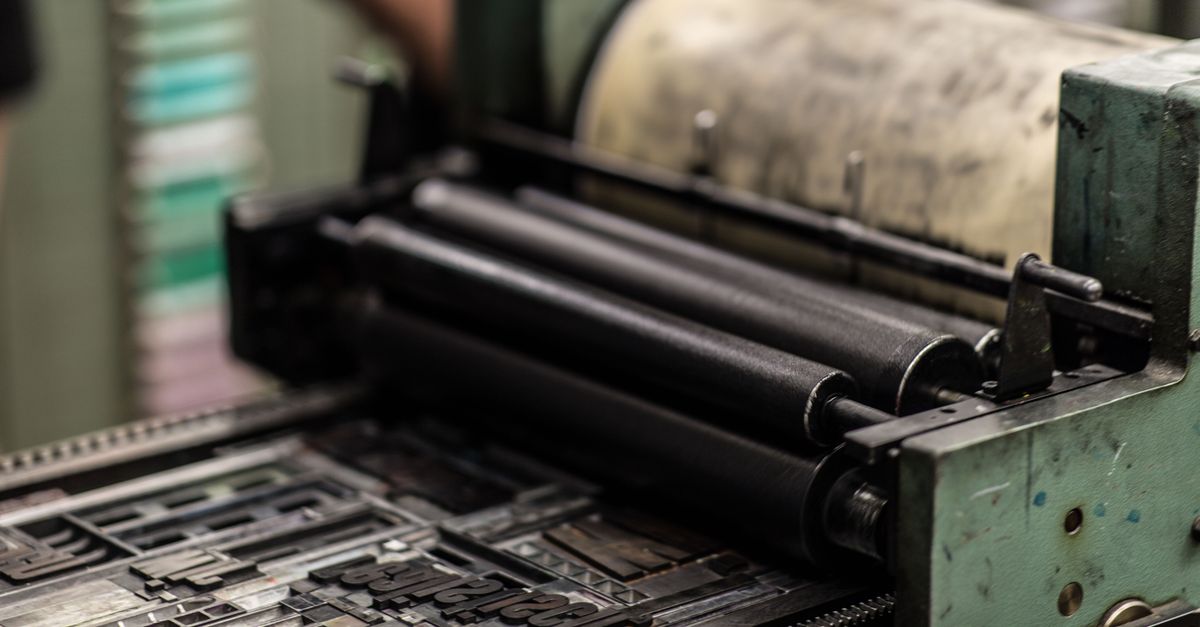
What Is Copier Printing and Why Does It Matter for Your Stationery?
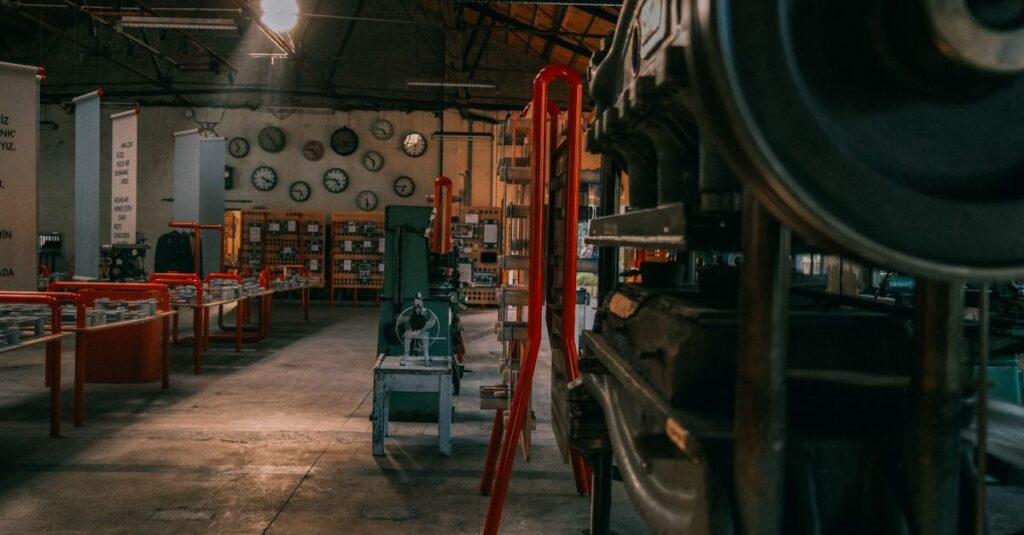
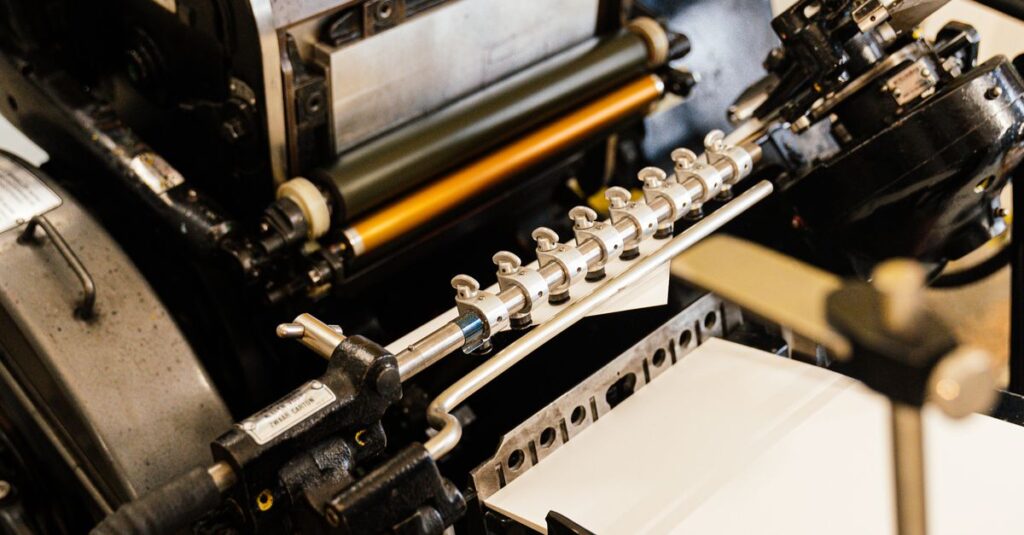
I remember the first time I saw a copier printing machine in action. Not the little desktop thing. The industrial ones. They sound like a freight train chewing paper. But the output? Clean. Fast. Consistent. That's what copier printing is — a high-volume digital printing method that uses toner instead of ink. For notebooks, diaries, and custom stationery, it's become the go-to for short to medium runs. And honestly? Most people don't know the difference between copier printing and offset until they get a quote that makes them wince.
Here's the thing. If you're ordering 500 custom notebooks or 2000 diaries, copier printing is probably your best bet. It's faster to set up, no plates, no long wait. The quality is good enough for most corporate needs. And if you're working with a manufacturer like Sri Rama Notebooks who's been doing this since 1985, you get the experience without the hassle.
Copier Printing vs. Offset Printing: The Real Difference
I get asked this all the time. Which one is better? The answer is — it depends. But let me lay it out.
| Factor | Copier Printing | Offset Printing |
|---|---|---|
| Setup time | Minutes | Hours (plate making) |
| Best for quantity | 100 – 2,000 copies | 2,000+ copies |
| Cost per unit | Higher for large runs | Lower for large runs |
| Color accuracy | Good (toner based) | Excellent (ink based) |
| Paper compatibility | Standard papers | Wide range, textured |
| Turnaround | Fast (same day possible) | 3–5 days typical |
So what does this mean for you? If you're a school ordering 600 notebooks with your logo, copier printing will save you time and money. If you're a corporation needing 10,000 diaries, offset is cheaper per unit. But here's the catch — copier printing allows for variable data. You can personalize each notebook. That's something offset can't do easily.
Expert Insight
I was talking to a printer friend in Rajahmundry last month — he's been in the game since the 90s. He told me something I keep thinking about. He said, "The smartest buyers don't ask which is better. They ask which is better for their order." And in copier printing, the real skill is knowing when to use it. Not just for the machine, but for the paper. Same paper, same machine, different results if the humidity is wrong. I don't have a cleaner way to put it.
Why Copier Printing Is Perfect for School Notebooks and Corporate Diaries
Let me tell you about a real order. A school in Visakhapatnam needed 800 notebooks for their annual prize distribution. Custom covers, the school name, and a small design on the back. The principal called me panicked — they had a two-week deadline. I recommended copier printing. We printed the covers digitally, stitched the notebooks, and delivered in 10 days. The principal? He called back three weeks later to order another 500.
Schools and colleges love copier printing because:
- Low minimum order quantities (start from 100)
- Quick turnaround — no waiting for plates
- Easy to add logos, text, simple graphics
- Cost-effective for short runs
- Can combine with different binding options
Corporate diaries are the same story. Companies want branded diaries, but they don't want to order 5000. They want 200. Or 500. Copier printing makes that possible without breaking the bank. And the quality? I've seen copier printed diaries that look as good as offset. The secret is the paper and the machine calibration.
Quality Factors in Copier Printing: What Actually Matters
Not all copier printing is the same. I've seen jobs where the toner smudges after a week. I've seen others that look sharp even after a year. The difference comes down to three things.
Paper quality. Copier printing works best with smooth, uncoated paper. 70–100 GSM is ideal. If you use paper that's too rough, the toner won't fuse well. At Sri Rama Notebooks, we use high-grade 54 GSM paper for notebooks, but for copier printing on covers, we recommend 100 GSM or higher.
Toner vs. ink. Copier printing uses toner — a powder that's fused with heat. It's more durable than inkjet for most stationery. But it can crack if you fold it. So if you're printing a notebook cover that's going to be bent a lot, ask the printer to test the fold first.
Finishing. A copier printed sheet can go through lamination, foil stamping, or embossing. But not all printers handle that well. I've seen foil stamping peel off copier printed surfaces because the toner didn't bond properly. The fix? Let the print sit for 24 hours before finishing. Simple, but not everyone does it.
How to Choose the Right Copier Printing Service for Your Business
You're a procurement manager. You have a budget. You have a deadline. You need notebooks that don't fall apart. Here's what to look for in a copier printing partner.
- Experience with stationery. Not all printers understand notebook binding. Ask if they do.
- Machine quality. Brand matters. Konica Minolta, Xerox, Ricoh — these are reliable. Ask what they use.
- Sample policy. If they won't send a sample, walk away. I mean it.
- Turnaround time. Copier printing is fast, but binding takes time. Get a realistic timeline.
- Customization options. Can they do logo printing, foil stamping, embossing? If not, keep looking.
I've worked with buyers who spent weeks negotiating price, only to get a subpar product. Don't be that person. The cheapest quote is rarely the best. And if you're ordering in bulk, ask for a volume discount — most manufacturers will give you one.
Common Mistakes When Ordering Copier Printed Stationery
Three mistakes I see again and again. First, people send low-resolution images. Copier printing can handle 300 DPI easily. Anything less looks blurry. Second, they forget to check the bleed. If your design goes to the edge, you need 3mm bleed. Otherwise, white edges. Third, they assume copier printing is the same as offset for color matching. It's not. What you see on screen might look different on paper. Always ask for a proof.
I once had a client who ordered 2000 diaries with a dark blue background. The copier printed version looked purple. He was furious. I explained — toner-based printers can struggle with certain blues. We had to reprint on a different machine. That cost time and money. So do yourself a favor: ask for a proof. And if something looks off, speak up before the print run.
Frequently Asked Questions
What is copier printing in simple terms?
Copier printing is a digital printing method that uses toner and heat to transfer an image onto paper. It's fast, doesn't require printing plates, and works well for small to medium quantities like custom notebooks and diaries.
Is copier printing good for notebooks?
Yes, especially for short runs. Copier printing produces sharp text and solid colors on notebook covers. It's ideal for school logos, corporate branding, and custom designs. For best results, use smooth paper and get a proof first.
How long does copier printing take for bulk orders?
For a typical order of 500–1000 notebooks, copier printing takes 1–2 days for the printing and another 2–4 days for binding and finishing. Total turnaround is usually 5–7 working days. Rush orders are possible with some manufacturers.
Can I get foil stamping on a copier printed notebook?
Yes, but the toner must be fully cured first. We recommend waiting 24 hours after printing before applying foil stamping. This prevents peeling. Always ask your printer if they have experience with combined finishing.
What is the minimum order for copier printed notebooks?
Most manufacturers, including Sri Rama Notebooks, accept orders as low as 100 notebooks for copier printing. This makes it perfect for small businesses, schools, and corporate events. No need to order thousands.
Final Thoughts on Copier Printing for Your Stationery Needs
Look, I don't think there's one perfect answer for every order. Copier printing is fast and flexible. It's not always the cheapest for very large runs, but it gives you freedom. Freedom to order small, freedom to change designs quickly, freedom to personalize. If you're not sure, ask for a sample. Most reputable manufacturers will send one. And if you're looking for a partner who understands both printing and binding, Sri Rama Notebooks has been doing it since 1985. That's not a statistic. That's just time.