The Core Difference Between Offset and Digital Printing
If you've ever ordered notebooks in bulk, you've probably heard someone say "offset is cheaper for large runs" or "digital gives you quicker turnaround." But nobody actually stops to explain what is the difference between offset and digital printing in a way that makes sense for someone who just wants notebooks with a logo on them.
I'll make it simple. Offset printing uses metal plates to transfer ink onto paper. Digital printing works like a giant office printer — toner or ink goes straight from a digital file onto the page. That's it. But the real difference isn't the technology. It's about cost, speed, and how many notebooks you need.
And honestly? Most buyers pick the wrong one because nobody told them the trade-offs.
Here at Sri Rama Notebooks, we do both. So I've seen the confusion firsthand.
How Each Printing Method Actually Works
Offset Printing — The Old Reliable
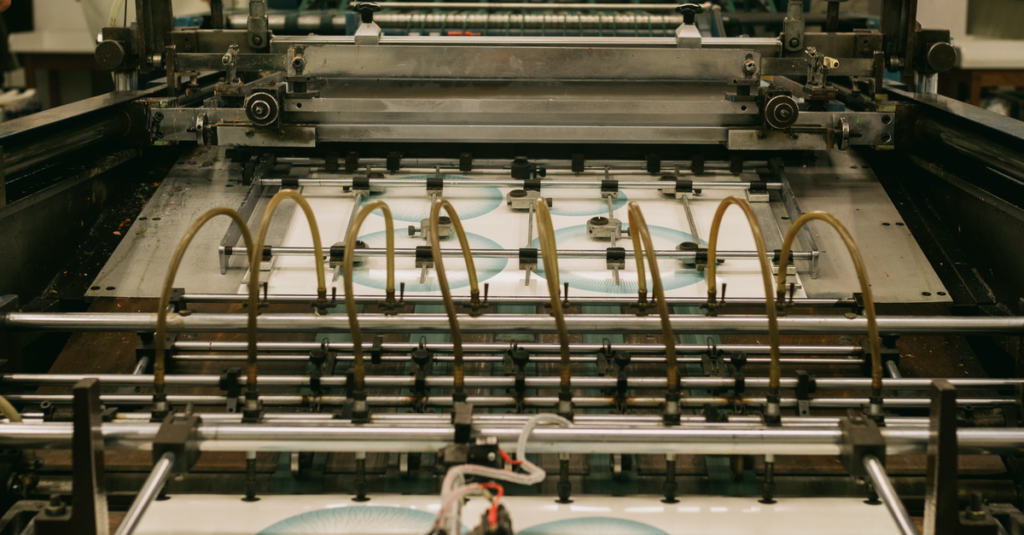
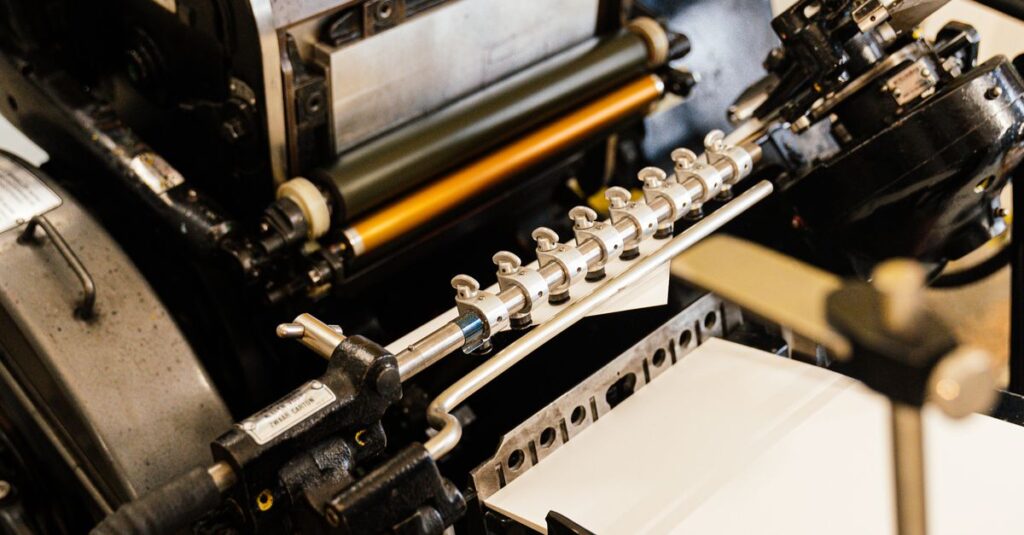
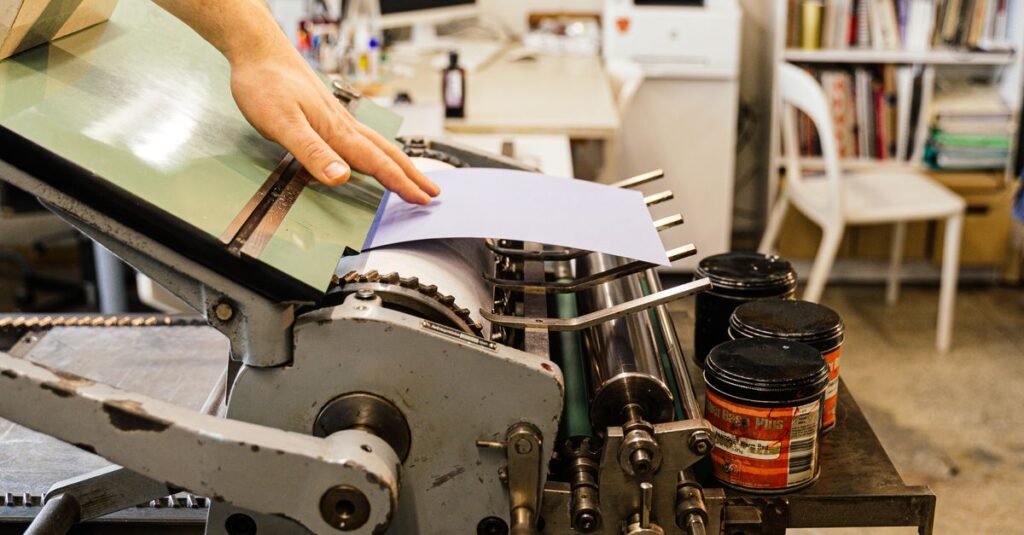
Offset printing has been around since the 1900s. A machine creates a plate (one per colour — cyan, magenta, yellow, black) and that plate transfers ink to a rubber blanket, which then presses onto the paper. It's indirect, hence "offset."
- Setup takes time — plates cost money, initial run-up can be 30 minutes to an hour.
- Once running, each extra notebook costs almost nothing in ink.
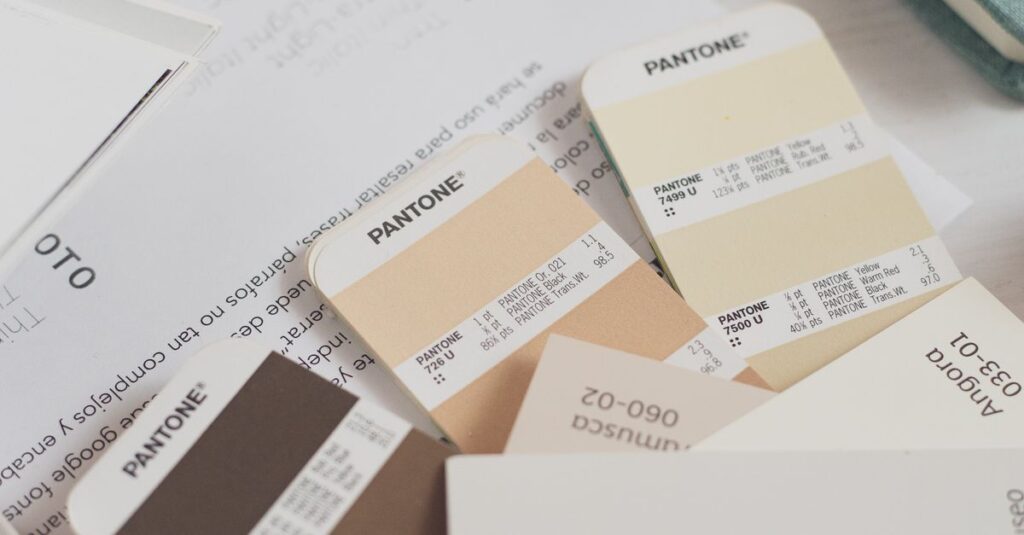
- Colour quality is stunning. Rich, consistent, Pantone-matching possible.
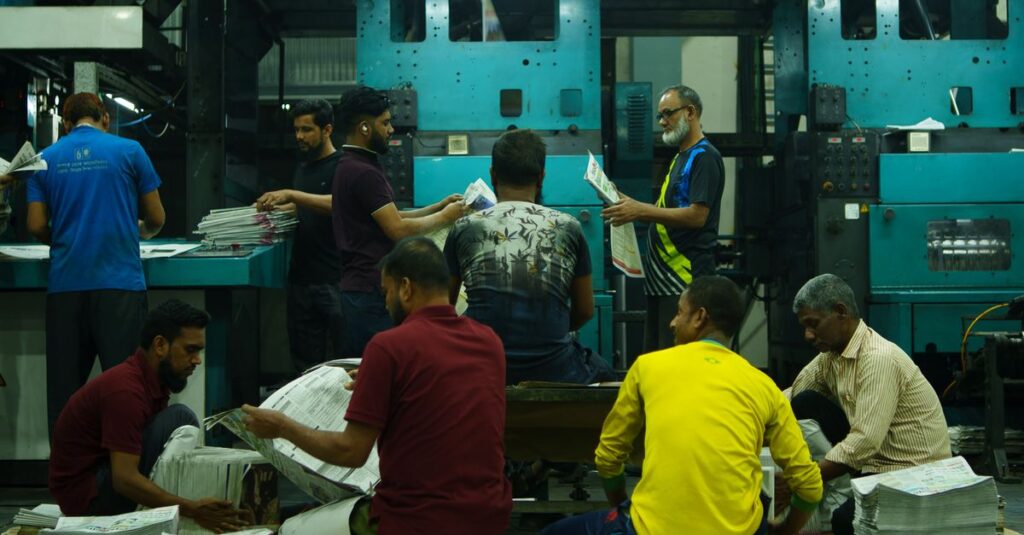
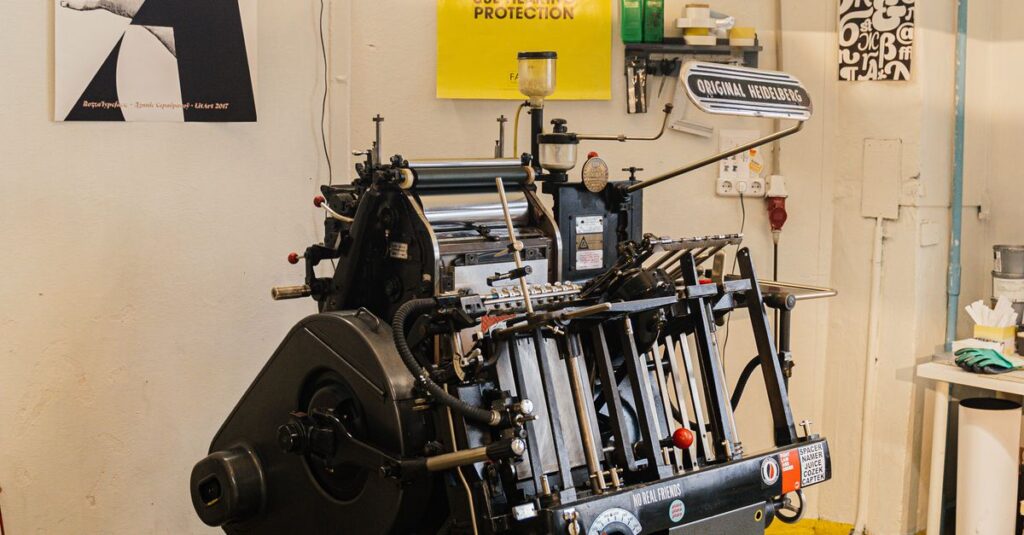
I remember being in our factory last year, watching a 40-year-old offset machine hum. The operator told me he could feel the paper tension by the sound. That's not something you get with digital.
Digital Printing — Fast, Flexible, but Limited Quantity
Digital printing is basically a high-speed laser printer. No plates, no setup time. You send a PDF, and it prints directly onto the paper. Perfect for small batches or when you need it yesterday.
- No plate costs — great for samples or short runs (under 500 notebooks).
- Each page costs roughly the same whether you print 1 or 1000.
- Colour is good but not as deep. No metallic inks or spot varnishes easily.
The question isn't which is better. It's which is better for your specific order.
When to Choose Offset Printing (And When Not To)
Let me tell you about a guy I met recently. Rajesh, 34, procurement manager at a chain of schools in Visakhapatnam. He needed 10,000 notebooks with the school logo. His first instinct was digital because he thought it's faster.
I asked him: "How many colours in the logo?" "Two," he said. "And how many notebooks?" "10,000."
Here's the thing — offset printing would save him nearly 60% on per-unit cost. The setup time? Two extra days. But he had a week. He chose offset. Saved ₹35,000.
Choose offset when:
- Order quantity is above 1,000 (ideally above 2,000)
- You need exact Pantone colours or metallic effects
- You're printing on textured paper or thick covers
- Cost per piece matters more than speed
Don't choose offset when:
- You need less than 500 notebooks
- You have multiple small designs that change frequently
- You're just testing a design or doing a sample run
When Digital Printing Makes More Sense
Opposite situation: Priya, 28, runs a small boutique hotel in Goa. She wanted 200 personalised diaries for guests — different cover art for each season. 100 in one design, 100 in another. Offset would have cost her a fortune in plate charges. Digital cost ₹12 per diary. She got them in three days.
Digital wins when you need:
- Fast turnaround — same day or next day
- Variable data — each notebook can have a different name or design
- Low quantities — fewer than 500 pieces
- Proofing — you can see exactly what you'll get without committing to plates
But here's the catch: Digital printing on coated paper can look great, but on standard notebook paper (54 GSM, uncoated), colours can look flat. Ink will sit on top rather than soak in. Not a problem for text, but for full-colour images, offset handles it better.
I think — and I could be wrong — that most people overestimate digital quality. It's good. But not offset good.
Comparison Table
| Factor | Offset Printing | Digital Printing |
|---|---|---|
| Setup Cost | High (plates, registration) | Low (no plates) |
| Per-unit cost (high volume) | Very low | Moderate to high |
| Colour accuracy | Excellent, Pantone matching | Good, but limited to CMYK |
| Turnaround time | Slower (setup + drying) | Fast (print and bind same day) |
| Minimum order | 500–1000 pieces | 1 piece up to 500 |
| Paper compatibility | Any paper, any coating | Best on coated or laser-safe stock |
| Variable data | No (same plate for all) | Yes (each page can differ) |
| Long-run consistency | Very consistent | May vary slightly over thousands |
What This Means for Your Notebook Order
So which one should you pick for your custom notebooks? First, figure out your quantity. Then ask yourself: "Do I need the cheapest per-unit price, or do I need it fast?"
Expert Insight
I was talking to an old printer in Rajahmundry last month — he's been doing this for 45 years. He said something that stuck with me: "Digital is for making money on small jobs. Offset is for making relationships on big ones." He meant that when you order offset, you're committing to a volume. The printer invests in plates, ink setups, and time. That builds trust. Digital is transactional. Both have their place, but I think we've swung too far toward digital for everything. Sometimes slow and steady saves you real money.
Anyway. Where was I.
If you're ordering school notebooks or corporate diaries in bulk — say 2,000 or more — offset is almost always the smarter move. The upfront cost stings a bit, but the savings add up fast. And the quality difference is visible. Your logo will pop, colours will match your brand guide, and the paper will feel right.
But if you're ordering samples, small corporate gifts, or personalised notebooks for an event, digital is your friend. Don't overthink it.
Look, I'll be direct: what is the difference between offset and digital printing comes down to three things — volume, urgency, and quality expectation. There's no universal right answer. But there is a right answer for your order.
Frequently Asked Questions
Frequently Asked Questions
What is the main difference between offset and digital printing?
Offset printing uses metal plates to transfer ink to paper, making it cost-effective for large volumes. Digital printing applies toner or ink directly from a digital file, ideal for short runs and quick turnaround.
Which printing method is cheaper for notebooks?
For orders over 1,000 notebooks, offset printing is cheaper per unit because setup costs are spread over a higher quantity. For small batches under 500, digital printing is more affordable due to no plate costs.
Can offset printing match specific brand colours?
Yes, offset printing supports Pantone matching, so you can get exact spot colours. Digital printing uses CMYK only, which may not perfectly match your brand colour, especially if it's a special shade.
How long does each printing method take for notebooks?
Digital printing can produce small orders in 1-3 days, including binding. Offset printing takes 5-10 days because of plate making, setup, and longer drying time between colours.
Which printing method is best for customised notebooks with different names?
Digital printing is perfect for variable data like names or unique designs on each notebook. Offset printing prints the same content on every notebook, so it cannot personalise each copy.
Conclusion
Here's what I want you to take away. One: offset wins on price and quality for bulk orders — think school notebooks and corporate diaries. Two: digital wins on speed and flexibility for small runs and personalisation. Three: don't let anyone tell you one is "better" — it depends on your quantity and deadline.
I don't think there's a perfect answer here. Probably there isn't. But if you've read this far, you already know which camp your order falls into. The hard part is just deciding to move forward.
If you want to talk it through with someone who actually prints notebooks every day, give us a call or check out Sri Rama Notebooks.