What's Actually Happening on the Factory Floor
I'll be honest with you. When people start talking about AI and printing, I usually zone out. Most of it sounds like marketing fluff written by someone who's never seen a printing press run at 3am with a deadline breathing down their neck.
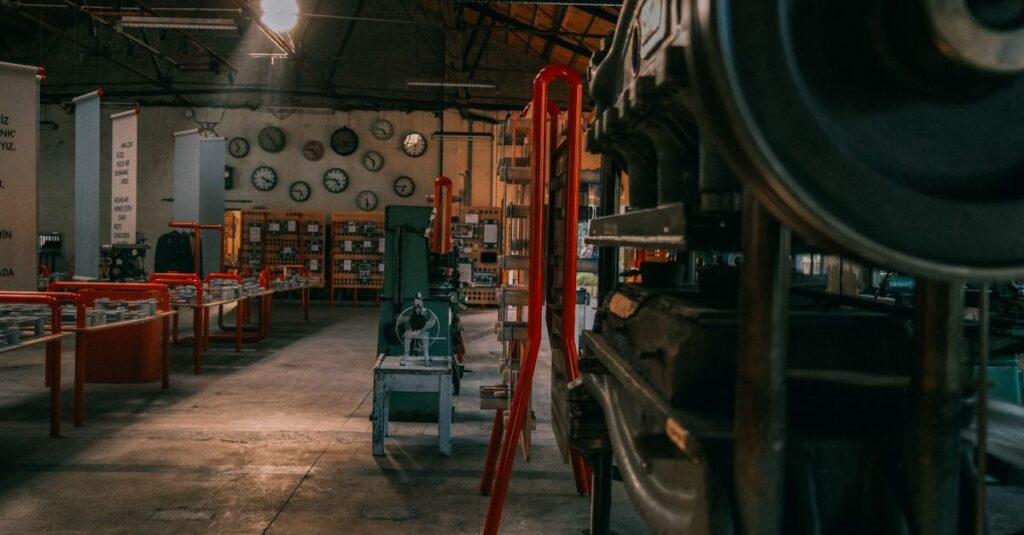
But here's the thing — something is shifting. And I've seen it with my own eyes. Not in some glossy tech demo. On actual factory floors. With real ink, real paper, real people trying to get orders out the door.
How AI is changing the commercial printing industry isn't about robots taking over. It's about things getting slightly less painful in ways you don't notice until they're not there anymore.
Think about the last time a print job went wrong. Misaligned margins. Wrong color profile. A typo nobody caught until 5,000 copies were done. That's not just money lost — it's a conversation you don't want to have with a client.
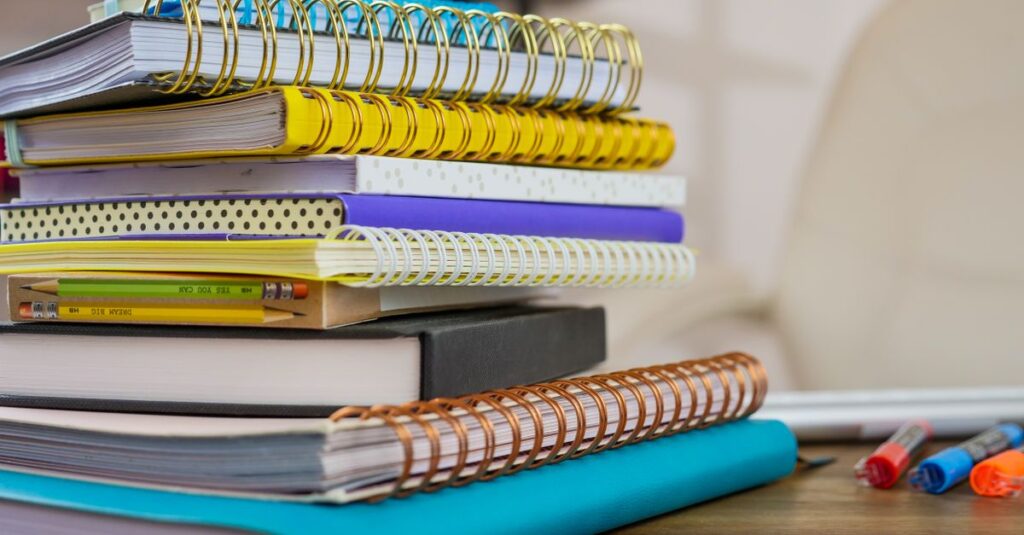
I've been in this business since 1985. We run a factory in Rajahmundry — Sri Rama Notebooks — and we've seen machines evolve from manual typesetting to digital. But this current shift? It feels different. Let me explain why.
Where AI Actually Shows Up in Printing
The glossy articles will tell you AI is "revolutionizing the industry." That's not wrong exactly — it's just not the full picture. Most of the change is happening in boring places. Which is exactly where you'd want it.
Prepress — the Part Nobody Talks About
Prepress has always been where things go wrong. Color calibration, file prep, imposition. Small mistakes that become expensive problems. AI tools are catching these before they hit the press.
- Color matching: AI predicts final color output based on paper stock and ink profile. Less trial and error.
- Error detection: Catches missing fonts, low-res images, incorrect bleed. Before you print.
- Layout optimization: Automatically arranges multiple jobs on a single sheet to reduce waste.
A friend of mine — Rajesh, runs a print shop in Vijayawada — told me last month that his prepress errors dropped by almost 40% in six months. He didn't fire anyone. His guys just spend less time fixing files and more time running jobs.
Quality Control That Doesn't Sleep
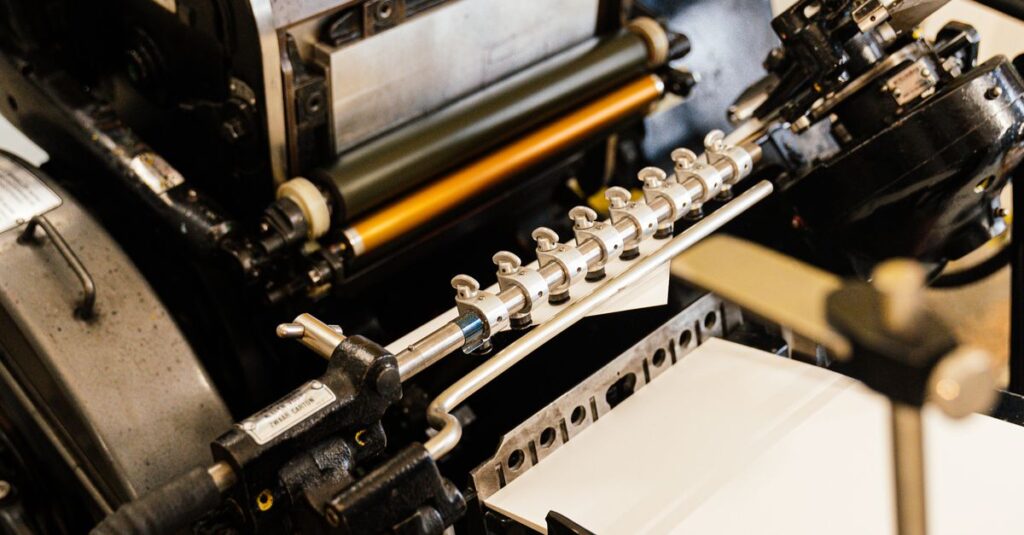
This is where I've seen the biggest change. Traditional quality control meant someone standing by the press, pulling samples every few hundred copies. Checking registration, color density, alignment. Tiring work. Easy to miss things at hour eight of a twelve-hour run.
Now cameras and sensors feed data to AI models that spot defects in real time. Not just obvious stuff either. Subtle shifts in color that the human eye would catch only after a thousand copies had run. The machine catches it at copy three.
Look — I'm not saying AI never makes mistakes. It does. But here's what I've noticed: the AI doesn't get bored. It doesn't start thinking about lunch or getting distracted by a phone call. It just watches. And that consistency matters more than most people realize.
The Real Cost Savings Nobody's Talking About
Waste reduction. That's the number nobody mentions in the flashy articles. Commercial printing has always been a waste-heavy industry. Misprints, overruns, setup sheets — it all adds up.
AI route planning for print jobs means less paper wasted on setup. Smarter nesting of designs on sheets. Better prediction of exactly how much ink a job will need. Not exciting stuff. But the numbers add up fast.
I read something last month — can't remember exactly where — about a study that found AI-driven prepress reduced material waste by something like 15-20%. Don't quote me on the exact number. But it was high enough that I stopped and thought about what that means for a factory running 30,000 notebooks a day.
That's a lot of paper saved.
And honestly? The environmental angle matters more now than it did ten years ago. More buyers ask about waste reduction. Schools, corporate clients, export partners — they all want to know what you're doing to reduce your footprint. AI gives you a real answer to that question. Not a marketing answer. A real one.
Comparison: AI-Assisted vs Traditional Commercial Printing
| Aspect | Traditional Printing | AI-Assisted Printing |
|---|---|---|
| Prepress error detection | Manual proofing, human oversight | Automated file inspection, catches 90%+ issues |
| Color calibration | Test runs, manual adjustment | Predictive modeling, fewer waste sheets |
| Quality control | Periodic sampling by operators | Continuous real-time monitoring |
| Waste management | Estimated 8-12% typical waste | Reduced to 3-6% with AI optimization |
| Job scheduling | Manual planning, experienced foreman | Algorithmic scheduling, adaptive to changes |
| Cost for small runs | High setup cost per job | Lower breakeven with AI automation |
What About the People Who Work in Printing?
I get asked this a lot. Usually by people who are nervous about where this is going. And I don't have a polished answer. But I'll tell you what I've observed.
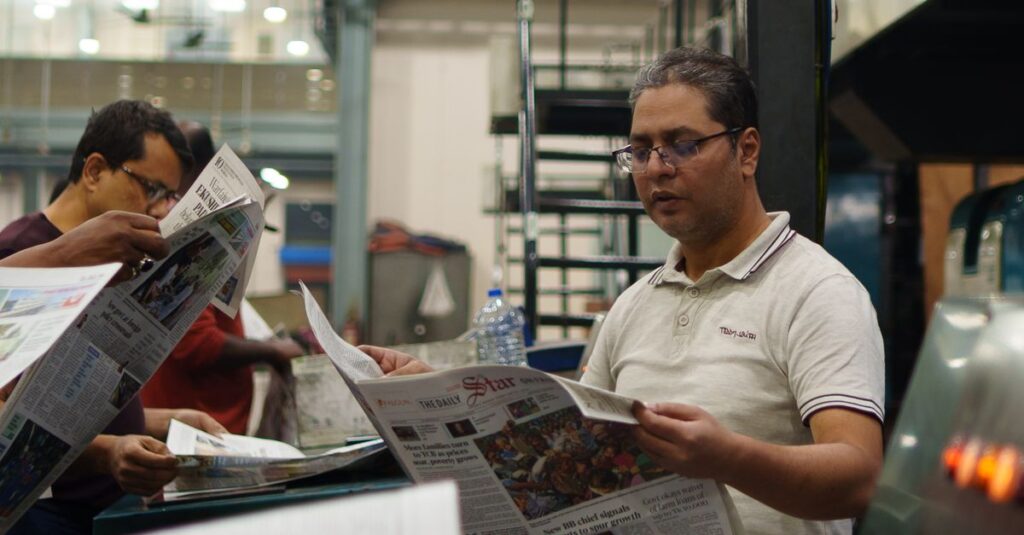
We have a press operator named Venkata. Been with us about eleven years now. When we first started testing AI-based quality control, he was the most skeptical person in the room. Wouldn't trust it. Kept double-checking everything the system flagged.
About three months in, something shifted. He started using the AI to catch things he couldn't see from his position. A subtle banding issue on a long run. A color drift that happened gradually over two hours. Things that would have been expensive to reprint.
Now he treats it like a tool. Not a replacement. He tells the younger operators: Let the machine watch the stuff it's good at watching. You watch the stuff it misses.
Because AI does miss things. It's not perfect. It misreads paper textures sometimes. Gets confused by unusual substrates. There's still no substitute for a skilled operator who knows how paper behaves when humidity changes at 4pm on a summer afternoon.
That knowledge hasn't been coded into any AI yet.
The Personalization Question
This is the part everybody wants to talk about — variable data printing, personalized packaging, custom runs of one. And sure, AI makes that easier. It handles the data processing, the variable mapping, the print queue management.
But here's the reality check for most printing businesses: personalized printing is still expensive. The setup time, the data management, the quality assurance for hundreds or thousands of unique pieces. AI brings the cost down, but it doesn't make it cheap.
What it does make possible is targeted personalization at scale. A school ordering 10,000 notebooks with each student's name printed on the cover. A corporate client wanting 5,000 diaries with different department logos. These jobs existed before AI, but they were a headache. Now they're manageable.
I think — and I could be wrong about this — that the real opportunity isn't in fully personalized one-off prints. It's in segmented runs. Ten variations instead of one. A hundred instead of ten. Enough to make a difference without breaking the production line.
Expert Insight
I was talking to an old friend last year — runs a commercial press in Hyderabad, been in the game since the early 90s. We were sitting in his office, and he told me something I keep coming back to. He said the biggest change he's seen isn't the technology itself. It's how fast the younger operators pick it up versus how long the veterans resist it.
He said: The machines will change every five years. The people who adapt fast — they're the ones who stay. The ones who fight it? They leave the industry. And that's a loss, because they had knowledge the machines don't have yet.
I don't have a neat conclusion for that. It just sits with me.
Frequently Asked Questions
Frequently Asked Questions
How is AI changing the commercial printing industry right now?
AI is mainly improving prepress workflows, quality control, and waste reduction. It catches errors before printing, monitors print quality in real time, and optimizes layouts to reduce paper waste. These changes don't replace operators but make their jobs more efficient.
Will AI replace printing press operators?
Not anytime soon. AI handles repetitive monitoring and error detection well, but experienced operators still manage unusual substrates, troubleshoot unexpected issues, and make judgment calls that AI can't. The role is shifting more toward oversight and problem-solving.
What types of printing benefit most from AI?
High-volume commercial printing sees the biggest gains in waste reduction and quality control. Variable data printing benefits from automated processing. Short-run jobs become more cost-effective with AI-driven setup optimization. Every segment gains something different.
How does AI reduce waste in commercial printing?
AI optimizes job layout on sheets to maximize paper usage. It predicts exact ink requirements per job. It catches errors before printing begins, preventing misprints. And it monitors print quality continuously, stopping problems before thousands of bad copies run.
Is AI affordable for small and medium printing businesses?
Entry-level AI tools for prepress and quality monitoring are becoming more accessible. Cloud-based options reduce upfront costs. Many businesses start with one application — like automated file checking — and expand from there. ROI typically comes from reduced waste and fewer reprints.
Where This Leaves Us
How AI is changing the commercial printing industry isn't a story about dramatic transformation. It's about incremental improvements in places that matter. Less waste. Fewer errors. Smarter scheduling. The boring stuff that adds up to real savings over time.
The factories that adopt these tools will run leaner. The ones that don't will struggle to compete on price and turnaround. That's just the reality of it.
But — and this is the part I keep coming back to — none of it matters if the basics aren't right. Good paper. Reliable binding. Clean printing. AI enhances those things. It doesn't replace them.
I don't know exactly where this is going. Probably nobody does. But if you're in the business of printing and you're not at least looking at these tools, you're making a bet I wouldn't make.
Sri Rama Notebooks — we've been printing since 1985. We're paying attention to how this changes. And we're still here, running 30,000 notebooks a day.