Let's Be Honest – You're Not Here for Fancy Ruled Pages
I've seen it happen more times than I can count. A procurement manager shows up, asks for notebooks, and halfway through the conversation they pause and say: 'Actually, can I get those without any lines?' They want an a4 plain notebook. And honestly? Most suppliers don't push it enough. Plain paper isn't a compromise – it's a choice. Architects use it. Artists. Note-takers who hate boxes. If you're ordering for a school, a design firm, or a corporate brainstorming session, plain might be the only thing that works. We've been making these at Sri Rama Notebooks since 1985. Not because we had to. Because people asked.
What the Hell Is an A4 Plain Notebook, Exactly?
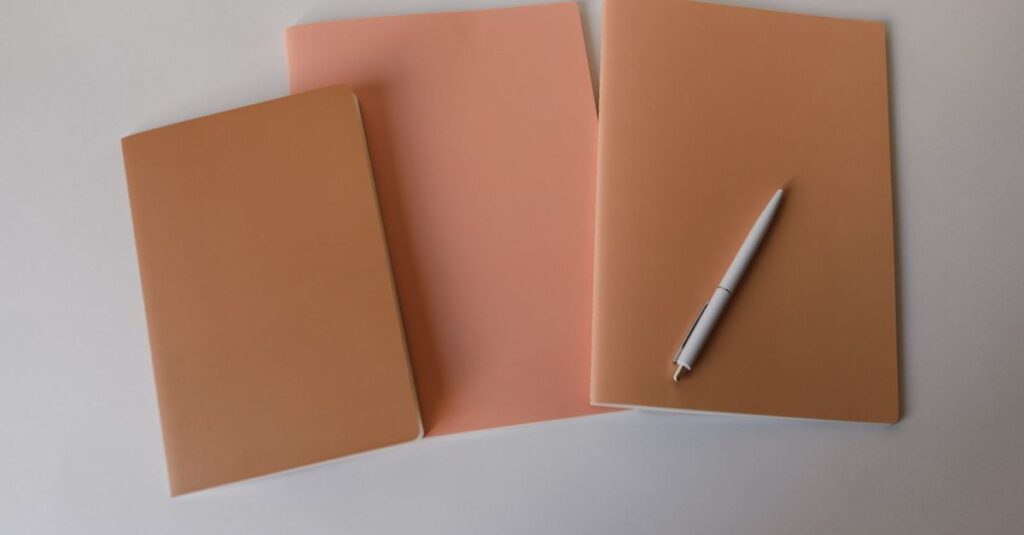
It's exactly what it sounds like. A4 size – 210mm x 297mm – with nothing on the pages. No lines, no grids, no margins. Just a clean white sheet. Sounds simple, right? But the simplicity is the point. You can draw, sketch, write sideways, paste things. There's no structure to break. I've seen designers sketch whole product prototypes in these. One guy told me he uses them because 'lines make his brain feel cluttered'. Fair enough.
Common Uses for an A4 Plain Notebook
- Architectural sketches and floor plans
- Brainstorming sessions – mind maps, flowcharts
- Art classrooms – watercolor, pastels, markers
- Corporate workshops – no rules, just ideas
- Bullet journaling (if you hate grids)
The thing is – most people think 'plain' means 'cheap'. That's wrong. Plain requires better paper quality because you're likely to use pens, markers, maybe even paint. At Sri Rama, our standard is 54 GSM – but for plain notebooks, we recommend going higher. 70 GSM. 80 GSM. Something that doesn't bleed through. Ask your supplier what GSM they use. If they don't know, that's a red flag.
Ruled vs Plain – The Comparison Nobody Asked For
But here it is anyway. Because you're probably deciding between the two.
| Feature | Ruled Notebook | A4 Plain Notebook |
|---|---|---|
| Best for | Writing, note-taking, lists | Drawing, sketching, freeform ideas |
| Paper requirement | Standard GSM okay | Higher GSM recommended (70+) |
| Customization | Limited – lines dictate layout | Unlimited – blank canvas |
| Student appeal | High – traditional schools | Medium – art/design students |
| Bulk cost | Usually cheaper (lines printed fast) | Same cost if same paper quality |
| Flexibility | Structured | Open-ended |
Honestly, I think plain is undervalued. Most people buy ruled out of habit. But if you ask designers or architects what they carry in their bag – it's plain, nine times out of ten.
What to Look for in an A4 Plain Notebook Supplier
This is where it gets practical. You're buying in bulk. You need consistency. I've seen cheap plain notebooks where the paper is so thin you can see the table through it. That's useless. Here's what matters:
- Paper GSM – Minimum 70. If they offer 80 or 100, even better.
- Binding strength – Stitched binding for durability. Spiral for lay-flat. Perfect binding for a clean spine.
- Cover material – 300 GSM card? Laminated? Or just thin cardboard that bends after a week.
- Customization – Can they print your logo on the cover? Do they offer private label?
- MOQ – Minimum order quantity. Some suppliers demand 5000+ per design. We do lower if you ask nicely.
And one more thing – ask about the paper shade. Pure white vs off-white. Off-white is easier on the eyes for long drawing sessions. White makes colors pop. Pick based on your use case.
A Real Story: How One School Switched to Plain
Rajesh, 42, runs a small design school in Visakhapatnam. He ordered ruled notebooks for three years. Every year, students complained. They wanted to draw diagrams, mind maps, and quick sketches. The lines got in the way. Last year, he finally ordered 2000 a4 plain notebooks from us. He told me later: 'Best decision. The students stopped fighting with the paper.' He also saved money because plain pages are faster to print – no ruling lines needed. That's a win-win nobody talks about.
Expert Insight – The Paper Trap
I remember talking to a printing press owner in Rajahmundry – old guy, been in the business since the 70s. He told me something that stuck: 'For plain notebooks, the paper makes or breaks the product. With ruled, you can hide bad paper behind the lines. With plain, every flaw shows.' He wasn't selling anything. Just stating a fact. I think about that every time I see a thin, see-through plain notebook. Don't be that supplier.
Frequently Asked Questions
FAQs About A4 Plain Notebooks
What is an a4 plain notebook used for?
It's used for sketching, drawing, mind mapping, brainstorming, bullet journaling, and any creative work where lines would be distracting. Architects and designers swear by them.
Is an a4 plain notebook the same as a sketchbook?
Not exactly. Sketchbooks often have thicker paper (100+ GSM) and may be spiral bound. An a4 plain notebook is usually lighter – 70 GSM – and stitched or perfect bound. It's a middle ground.
Can I get an a4 plain notebook with my company logo?
Yes. At Sri Rama Notebooks, we offer custom cover printing, embossing, foil stamping, and private label options. MOQ can be flexible. Just email us.
How many pages do a4 plain notebooks usually have?
Common page counts are 52, 92, 200, 240, and 320 pages. 92 pages is a good balance for daily sketching. 200+ for heavy use.
What binding is best for an a4 plain notebook?
It depends. Stitched binding is durable and lays flat when pressed. Spiral binding lets you fold the book back. Perfect binding gives a clean spine but won't lay flat. Choose based on how the notebook will be used.
Wrapping This Up – What You Should Do Now
If you're buying a4 plain notebooks in bulk, don't overthink it. Focus on paper quality, binding strength, and whether the supplier understands your use case. Ruled is default. Plain is deliberate. And if you're buying for a creative team or a school that values open thinking – plain might be the smarter choice. I don't have a perfect answer for every situation. But I know that when we supply plain notebooks, the feedback is always the same: 'Why didn't we do this sooner?' If that sounds like something you want to hear, get in touch with us.