What Is Binding Cost — And Why Nobody Explains It Properly
I’ll be honest — when I first started working at this notebook factory back in the ’90s, I thought “binding cost” just meant the thread and glue. That’s what everyone assumed. You take some paper, slap some thread on it, — done, right?
Not even close.
Binding cost is one of those things that sounds simple on paper. But once you start ordering 10,000 notebooks for a school or a corporate event, you realize it’s actually a whole hidden layer of decisions. And each decision changes the number at the bottom.
Here’s the truth: most buyers don’t ask about binding cost until they see a quote they don’t understand. And by then, it’s a bit late to start negotiating. So let me explain what binding cost actually covers — especially if you’re buying in bulk from a manufacturer like Sri Rama Notebooks.
Because honestly? The cheapest binding option isn’t always the cheapest. Not in the long run.
Why Binding Cost Isn’t Just “Thread and Glue”
I had a customer once — let me call him Ramesh. He was a distributor from Visakhapatnam, been in the stationery business for about 12 years. He called me frustrated. “Why does my binding cost go up when I add more pages?” he asked. “Shouldn’t it be the same?”
It’s a fair question. And it shows how binding cost is misunderstood.
Binding cost is not one fixed thing. It’s a combination of:
- The type of binding you choose (stitched, spiral, perfect)
- The thickness and size of the notebook
- The paper quality and how it handles being folded
- The cover material — is it just paperboard or something thicker?
- The machinery used — older machines are slower, but sometimes cheaper
- Labor time — some binding methods need more hands
See what I mean? It’s less a single number and more a recipe. Change one ingredient, and the whole cost shifts.
The other thing most people miss: binding cost isn’t linear. A 200-page notebook doesn’t cost double the binding of a 100-page one. It’s usually less than double — but that depends on the method. And the design.
Which brings me to something I learned the hard way — you can’t just pick a binding type and forget about it. You have to match it to what you’re actually making.
Stitched Binding — The Old Workhorse
Stitched binding is what most school notebooks use in India. It’s been around forever. The pages are folded into sections, stitched together with thread, then glued into a cover. It’s strong. It lays flat when open. And for most standard notebooks, it’s the most cost-effective option.
But here’s the thing — stitched binding has a limit on how many pages can go into one section. Past a point, you need more sections, more stitching, more time. That’s when the cost starts climbing.
Spiral Binding — Flexible, But Not Cheap
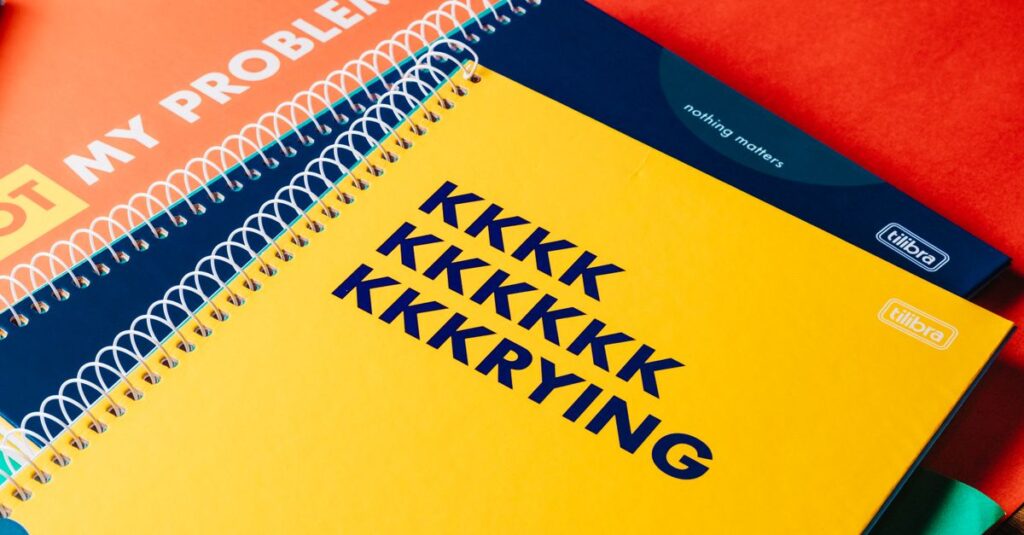
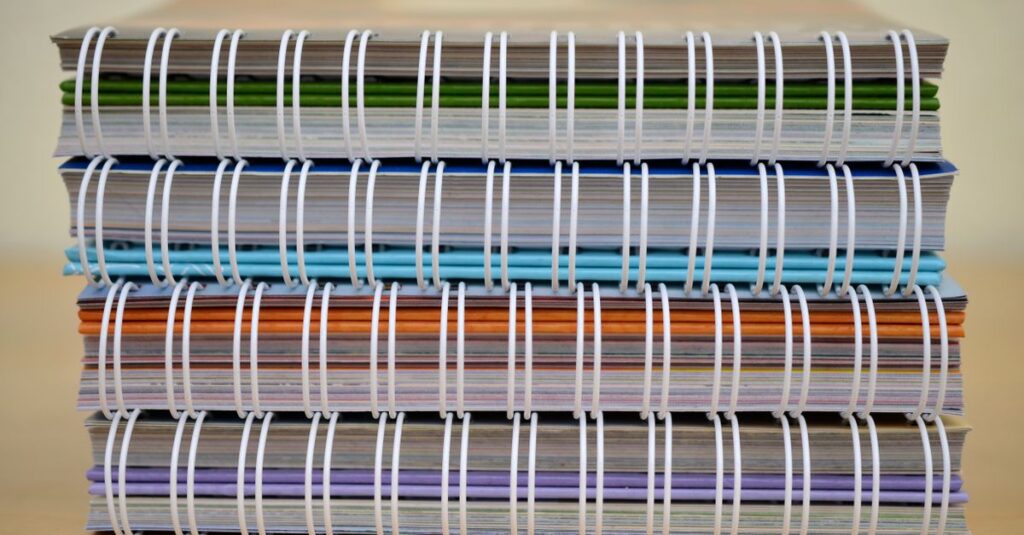
Spiral binding is great for diaries, corporate notebooks, and any notebook that needs to fold flat or tear out pages. But the binding cost per unit is higher because:
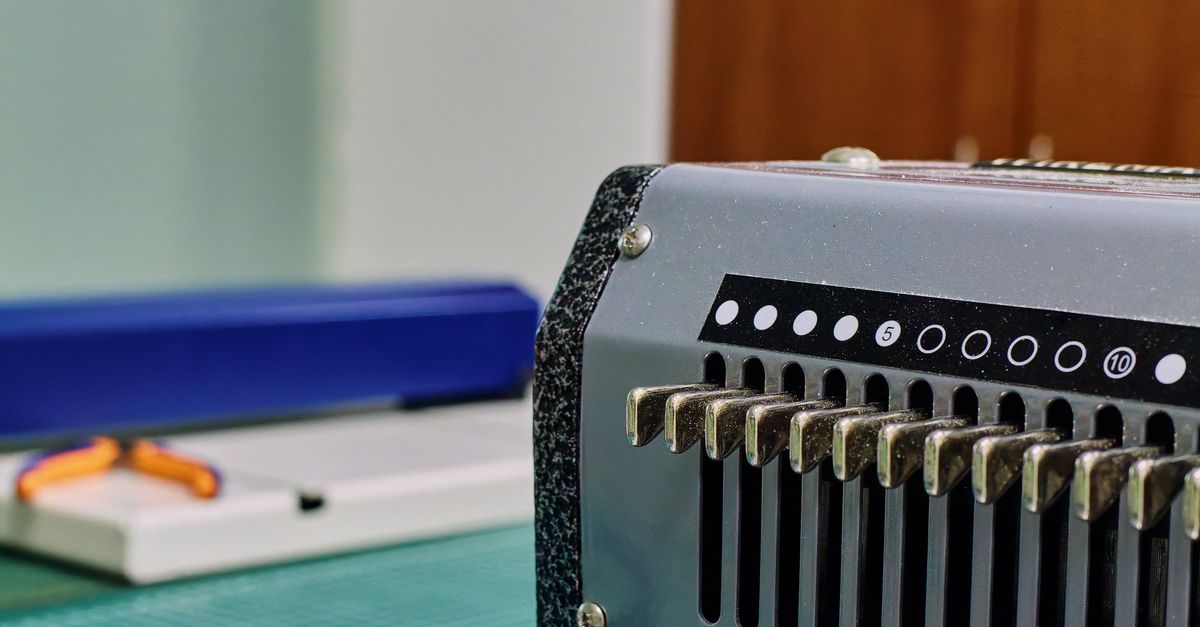
- Every notebook needs a metal or plastic coil inserted manually or by machine
- Holes need to be punched perfectly — misalignment means rejects
- The coil itself has a material cost that adds up fast in bulk
I once did a batch of 5,000 spiral-bound diaries for a corporate client in Hyderabad. The binding cost alone was nearly 40% higher than stitched. But the client wanted that lay-flat feature for meetings. So that’s what they paid for.
Was it worth it? For them, yes. For a school notebook? Absolutely not.
Perfect Binding — The Premium Option
Perfect binding is what you see on paperback books and high-end notebooks. The pages are glued together at the spine with a strong adhesive, and the cover is wrapped around. It looks clean, professional, modern.
The binding cost for perfect binding depends heavily on the glue quality and the cover design. Cheap glue cracks after a few months. Good glue lasts years. And the difference is maybe a few rupees per notebook — but in bulk, that adds up.
How Binding Cost Changes With Volume
This is probably the most important thing I can tell you.
Binding cost behaves differently depending on how many notebooks you order.
If you order 500 notebooks, the cost per notebook for binding is higher. The machine setup time, the labor, the material waste — all spread over fewer units. If you order 50,000, the setup cost gets spread thin. The per-unit binding cost drops.
But only to a point. At very high volumes, you start hitting different constraints — machine capacity, labor availability, storage space. The binding cost per unit might plateau or even go up slightly if you push the factory beyond its comfortable rhythm.
I remember a weird situation a couple years ago. A customer in Chennai wanted 1,00,000 notebooks. It was a huge order. But the binding method they chose needed a machine that we had just one of. We had to run it in shifts for weeks. The binding cost per unit actually went up a little because we were paying overtime labor.
The lesson: bigger isn’t always cheaper, especially if you’re picky about the binding type.
Comparison Table: Binding Cost vs. Binding Type
Let me break this down in a way that’s easier to compare. These are approximate ranges based on what I’ve seen in our factory, for standard-size notebooks (Long size, 172 pages). Actual numbers vary with paper quality and cover material.
| Binding Type | Cost Per Unit (₹) | Best For | Durability | Production Speed |
|---|---|---|---|---|
| Stitched | ₹3 – ₹6 | School notebooks, bulk orders | High — lasts years | Fast (high volume) |
| Spiral | ₹8 – ₹15 | Corporate diaries, custom notebooks | Medium — coils can bend | Medium (needs more handling) |
| Perfect | ₹10 – ₹20 | Premium notebooks, gift items | High — if glue is good | Medium (needs drying time) |
A few things this table won’t tell you: the quality of materials makes a bigger difference than the binding type itself. Cheap thread snaps. Weak glue peels. Thin coils bend. And all of that costs you more in the end — returns, complaints, lost customers.
So if you’re comparing quotes, don’t just look at the binding cost number. Ask what materials they’re using. Because a ₹4 binding that falls apart in six months is way more expensive than a ₹7 binding that lasts three years.
Expert Insight: What I’ve Learned About Binding Cost Over 30 Years
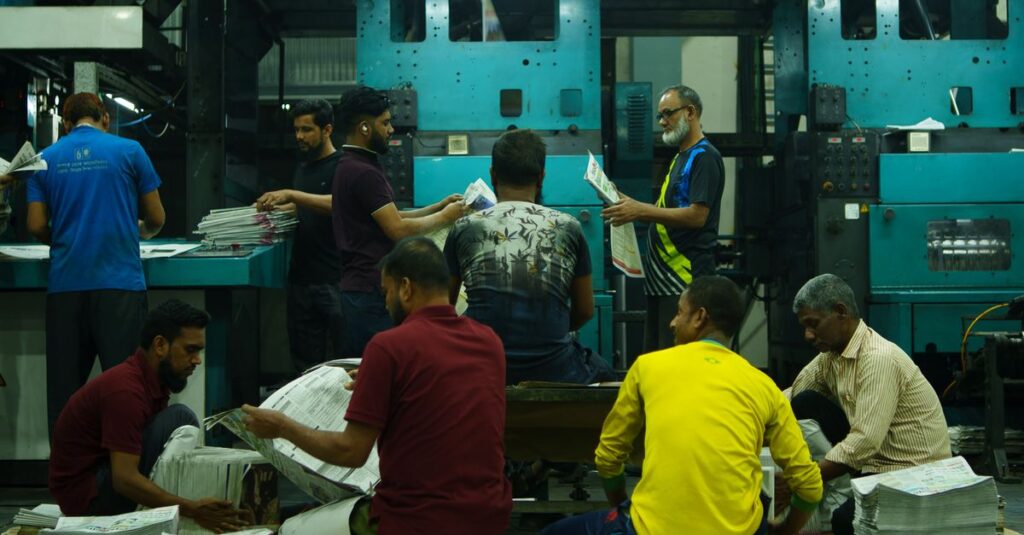
I was sitting in the factory one evening — must have been around 2015 or 2016 — watching the binding section wrap up for the day. The supervisor, an older guy named Venkatesh who’s been with us since the ’80s, was checking the last batch of stitched notebooks. He picks up one, opens it, runs his thumb along the spine. Nods. Puts it down. Picks up another. Frowns. Sets it aside.
I asked him what was wrong. He said, “Thread tension is uneven. This one will open stiff. It won’t lay flat.”
That moment stuck with me. Because binding cost isn’t just about the materials or the machine settings. It’s about the person at the machine who knows when something is off by a hair. And that kind of experience costs money too — but it saves a lot more in the long run.
The binding cost on paper is one thing. The real cost includes the quality that keeps your notebooks from being returned. And that? That’s harder to put a number on.
What Buyers Get Wrong About Binding Cost
Most buyers come to me and their first question is: “What’s your binding cost?” As if it’s a single number you can pull from a drawer.
It’s not.
And asking that question too early often leads to bad decisions.
I’ve seen buyers choose spiral binding for a school notebook because they thought it looked “modern.” The binding cost was double what they needed to pay. And the students? They didn’t care. They just wanted a notebook that didn’t fall apart.
I’ve also seen buyers insist on perfect binding for a cheap notebook, then complain that the binding cost was too high. It’s a mismatch. You’re asking for a Mercedes interior in a Maruti car. It can be done, but it’ll cost.
The real mistake: focusing on binding cost in isolation instead of total cost per usable notebook.
Think about it this way:
- A ₹7 notebook that lasts 12 months = ₹0.58 per month
- A ₹4 notebook that lasts 4 months = ₹1.00 per month
The cheaper binding cost ends up being more expensive. Every single time.
Frequently Asked Questions
Frequently Asked Questions
What is binding cost in notebook manufacturing?
Binding cost covers the materials, labor, and machine time needed to join the pages and attach them to the cover. It includes thread, glue, coils, cover materials, and the worker’s time. The cost varies with binding type, page count, and order volume.
Why is my binding cost higher for spiral notebooks?
Spiral binding requires individual coil insertion and precise hole punching, which takes more labor time and materials. The coil itself adds material cost. In bulk, this difference adds up significantly compared to stitched binding.
Does ordering more notebooks reduce the binding cost per unit?
Yes, usually. Setup costs get spread over more units. But there’s a limit. At very high volumes, machine capacity and labor availability can cause the per-unit cost to plateau or even increase slightly, depending on the binding method.
What’s the most affordable binding type for school notebooks?
Stitched binding is almost always the most affordable option for standard school notebooks. It’s durable, fast to produce at scale, and uses relatively cheap materials. For large bulk orders, stitched binding gives the lowest cost per notebook.
How can I lower my binding cost without losing quality?
Standardize your notebook size and design choices. Use common paper GSM and cover materials that the factory stocks. Commit to larger order volumes if possible. And choose the simplest binding type that meets your needs — don’t over-specify.
Conclusion
Binding cost is one of those things you don’t think about until you’re looking at a quote and wondering why it’s higher than expected. The answer is almost never simple — it’s a mix of materials, labor, volume, and the design choices you made at the start.
If you’re ordering notebooks in bulk, take an extra few minutes to match your binding method to how the notebook will actually be used. Not what looks good in a sample. What will survive a school year or a corporate event.
I don’t think there’s one perfect answer for every buyer. But if you’re looking for a manufacturer who explains things clearly instead of just sending a price list, Sri Rama Notebooks has been doing this since 1985. We know binding cost isn’t just a number. It’s a conversation.