What Makes a Blank Spiral Notebook Different?
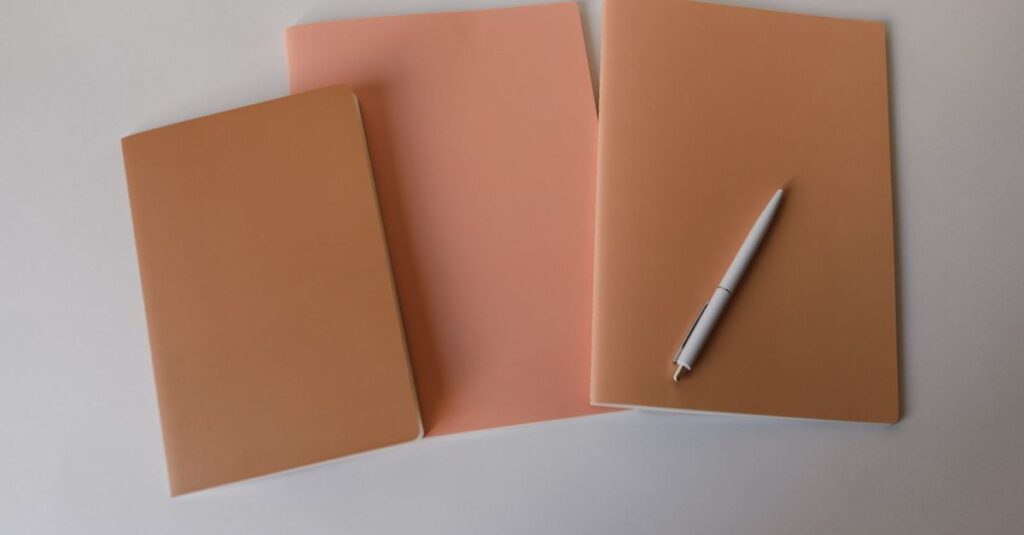
I've been in this business long enough to know one thing: when someone asks for a blank spiral notebook, they usually mean business. Not the fancy journals with quotes on the cover. Not the thick leather-bound diaries. Just a plain, functional notebook that flips open easily, stays flat, and doesn't shed pages after a week of use.
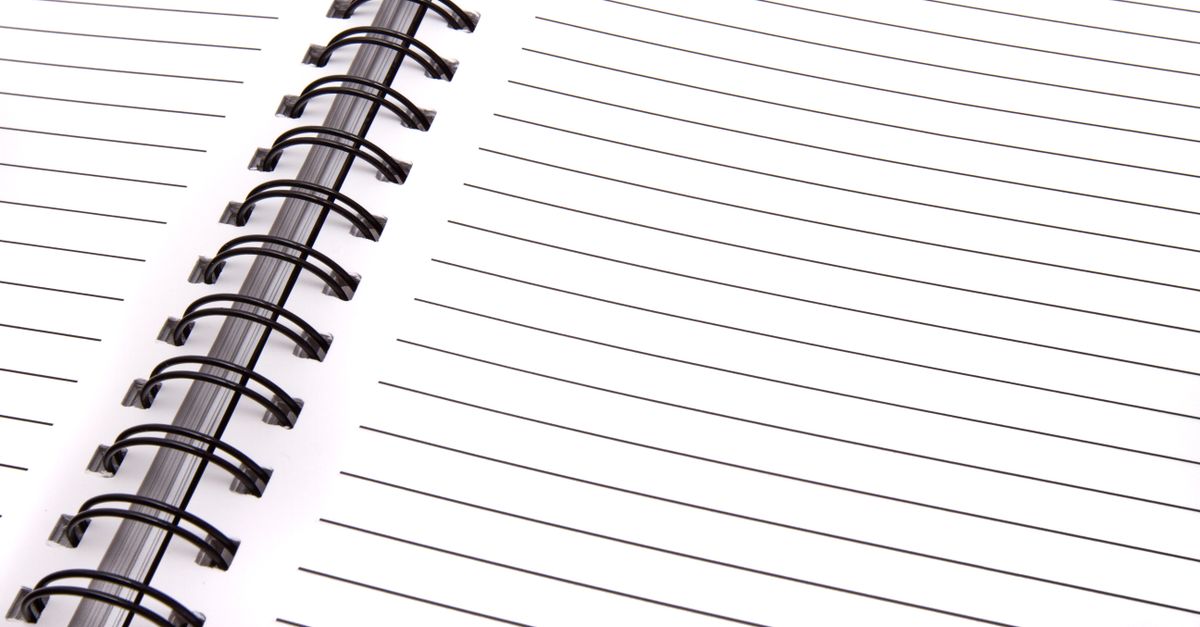
Here's the thing — a blank spiral notebook is different from a stitched one. The spiral binding lets you fold the cover back completely. That sounds small, but if you've ever tried to write in a stitched notebook while holding it in one hand, you know exactly what I mean. Spiral binding is built for utility. For note-taking on the go. For classrooms where desks are small and time is tight.
At Sri Rama Notebooks, we've been making these since 1985. Thousands a day. And the most common question I get from buyers — especially from schools and corporate offices — is: how do I know I'm getting a good one? That's what this is about.
Common Mistakes When Buying Bulk Blank Spiral Notebooks
Let me tell you about a call I took last month. A procurement manager from a college in Visakhapatnam — let's call him Rajesh, 42, handles all stationery for 12 departments. He ordered 5,000 blank spiral notebooks from a supplier he found online. Cheap. Really cheap.
Three weeks later, the first complaint came in. The wire binding was popping out. The paper was so thin you could see the next page's writing. Students were tearing pages out accidentally. Rajesh spent the next month trying to get a refund. He didn't. He called me, frustrated, and said: “I just wanted a simple notebook. How hard is that?”
Harder than it looks, apparently. Here are the three mistakes I see most often:
- Choosing price over wire gauge — thin spiral wire bends and breaks
- Ignoring paper GSM — anything below 54 GSM and you're asking for ghosting
- Assuming all blank pages are the same — some are actually off-white, some are gray, some are too smooth to write on
None of this is obvious from a photo. You have to hold it. Or better yet, ask for a sample. Nine times out of ten, the guys who skip samples are the ones who end up with a warehouse full of unusable notebooks.
Spiral Binding vs. Stitched Binding: Which One Fits Your Needs?
Not all notebooks are created equal. And when you're buying in bulk, the binding type matters more than you think. Here's a quick comparison based on what I've seen work for different buyers.
| Feature | Spiral Binding | Stitched Binding |
|---|---|---|
| Opens flat | Yes — 180 degrees | No — needs breaking in |
| Durability | Good, but wire can bend | Very strong, pages stay put |
| Best for | Note-taking, quick writing | Long-term storage, journals |
| Customization ease | Easy to print logo on cover | Harder to print on stitched spine |
| Cost per unit | Slightly higher (wire + labor) | Lower for large runs |
| Safety for kids | Wire ends can poke if not crimped | No sharp edges |
I think — and I could be wrong — that spiral binding wins for most school and office use. But if you're making something meant to last a decade, like an account book, go stitched. The question isn't which is better. It's which is better for your use case.
Customization Options for Your Blank Spiral Notebook
Here's where things get interesting. A blank spiral notebook doesn't have to stay blank. You can slap your school logo on the cover. Print your company name. Add a custom ruling — four lines for handwriting practice, or graph paper for engineering students.
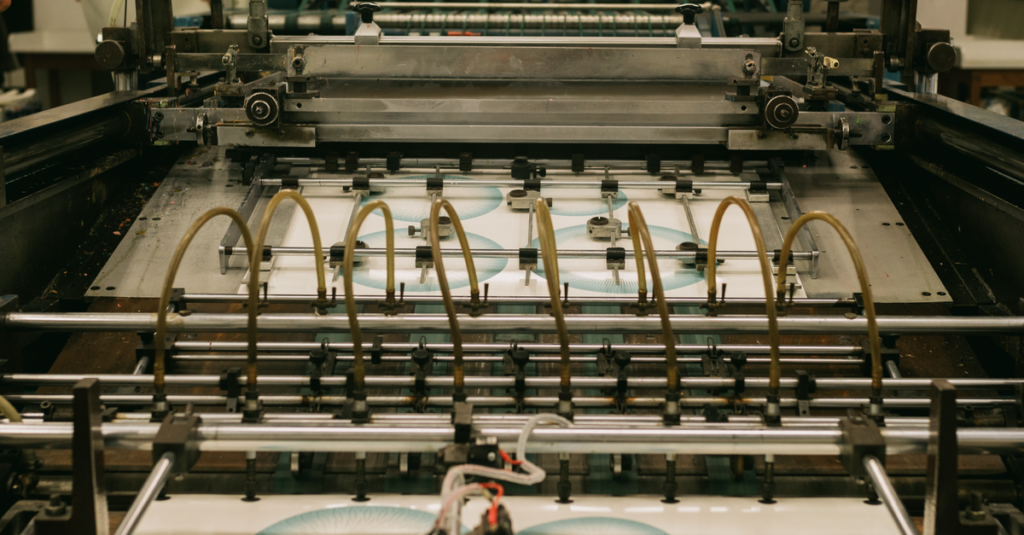
We do all of that at our factory in Rajahmundry. Offset printing, foil stamping, embossing. You name it. But here's the catch: customization adds lead time. If you need 10,000 notebooks with your logo by next week, you're probably too late. Plan ahead. I've seen too many buyers call in a panic because they forgot to factor in printing time.
What most people don't realize is that the paper itself can be customized too. Different GSM, different shades of white, even different textures. For a corporate diary, you might want a smoother paper. For a school notebook, something that can handle eraser marks without tearing. We can do that. But you have to ask.
And honestly? Most buyers don't ask. They assume all blank spiral notebooks are the same. They're not. Not even close.
Expert Insight
I remember standing in our factory last year, watching a batch of spiral notebooks come off the line. The wire was being fed through a machine that punches holes and crimps the ends. The operator — a guy named Prasad who's been with us for 18 years — stopped the machine. He picked up a notebook and ran his thumb along the edge of the wire. Felt a sharp spot. He adjusted the crimper by half a millimeter. Half a millimeter. That's the difference between a notebook that pokes your hand and one that doesn't. I don't have a cleaner way to put it than that.
How to Choose the Right Size and Ruling for Your Needs
Size matters. A blank spiral notebook comes in a few standard sizes: A4, A5, Long, Short, King. Each has a different purpose. A4 is great for detailed notes, diagrams, and tables. A5 fits in a bag. Long is the standard school notebook size in India. Short is pocket-sized.
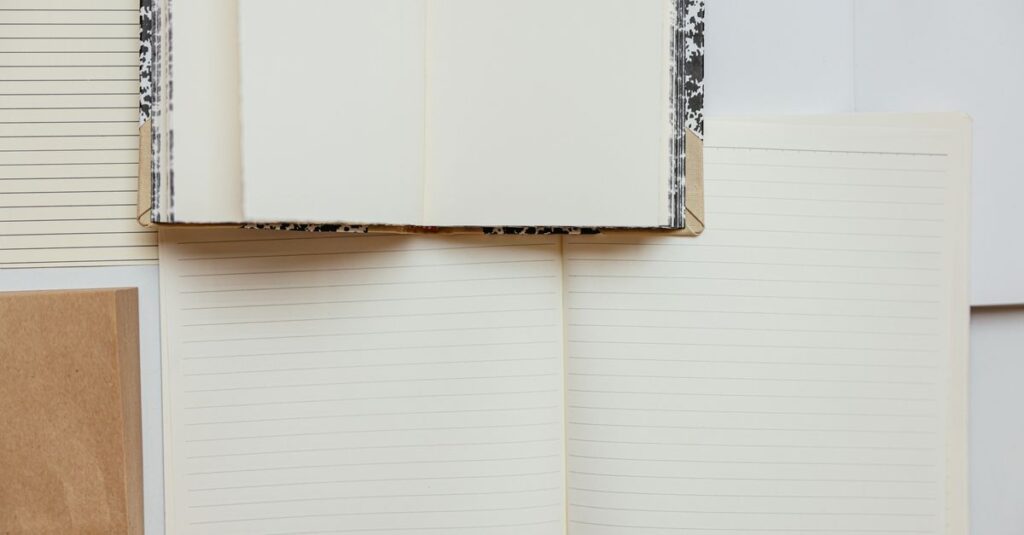
Ruling is another thing. If you're buying blank, you might think no ruling = ultimate freedom. But most people actually want some structure. Single ruled for general writing. Four ruled for kids learning to write. Graph ruled for math and science. Unruled is rare — mostly for artists or people who want to sketch.
Here's a rule of thumb: ask the end user. Don't guess. I once had a buyer order 2,000 unruled notebooks for a college. Turned out the professors wanted single ruled. The whole batch sat in a storeroom for six months. Waste of money, waste of time. Talk to the people who will actually use the notebooks. It saves everyone a headache.
Frequently Asked Questions
What is a blank spiral notebook used for?
A blank spiral notebook is used for note-taking, sketching, journaling, and classroom work. Its spiral binding allows it to lay flat, making it ideal for writing on both sides without struggling with the spine. Schools, offices, and artists commonly use them.
How many pages does a typical blank spiral notebook have?
Most blank spiral notebooks range from 52 to 200 pages. Common counts are 52, 92, 120, and 200 pages. At Sri Rama Notebooks, we also offer 240, 320, and even 700 pages for thicker notebooks, depending on the binding and paper thickness.
Can I get my logo printed on a blank spiral notebook?
Yes. We offer custom logo printing, embossing, and foil stamping on the cover. You can also add custom page rulings or printed inserts. Minimum order quantities apply, but we handle everything from design to final packaging. Contact us for details.
What paper quality should I look for in a blank spiral notebook?
Look for at least 54 GSM paper. Lower GSM paper will show ghosting (writing visible from the other side) and may tear easily. Higher GSM (70–80) feels smoother and is more durable but costs more. For schools, 54–60 GSM is standard. For premium corporate diaries, go higher.
How do I order blank spiral notebooks in bulk?
You can call or email us directly. We ship across India and export to Gulf, Africa, USA, UK, Europe, and Australia. Provide quantity, size, ruling, paper GSM, and any customization needs. We'll send a sample for approval before full production. Phone: +91-8522818651 | Email: support@sriramanotebook.com
Conclusion
Look, I don't think there's one perfect blank spiral notebook. It depends on who's using it, for what, and under what conditions. But if you avoid the cheap wire, check the paper, and actually talk to the end users, you'll get something that works. Maybe that's enough. Maybe it's not. But if you're ordering in bulk, at least do yourself a favor and ask for a sample first. Sri Rama Notebooks has been doing this since 1985. We know what works.