Why Most Buyers Get This Wrong
I've seen it happen a hundred times. A school principal or a procurement manager needs 10,000 notebooks. They Google 'book manufacturing companies' and pick the first result that looks decent. Three months later, they're dealing with pages that bleed through, bindings that crack open by week two, and a delivery that showed up two weeks late.
Here's the thing — I get it. You're busy. You don't have time to become an expert in paper GSM and binding types. But the difference between a good manufacturer and a bad one? It shows up in the hands of every student or employee who uses that notebook.
I've been in this industry since 1985. At Sri Rama Notebooks, we've shipped millions of units to schools, corporations, and governments across India and abroad. And I can tell you this much: not all book manufacturing companies are the same.
What Book Manufacturing Companies Actually Do
Most people think a notebook manufacturer just cuts paper, staples it together, and ships it. If only it were that simple.
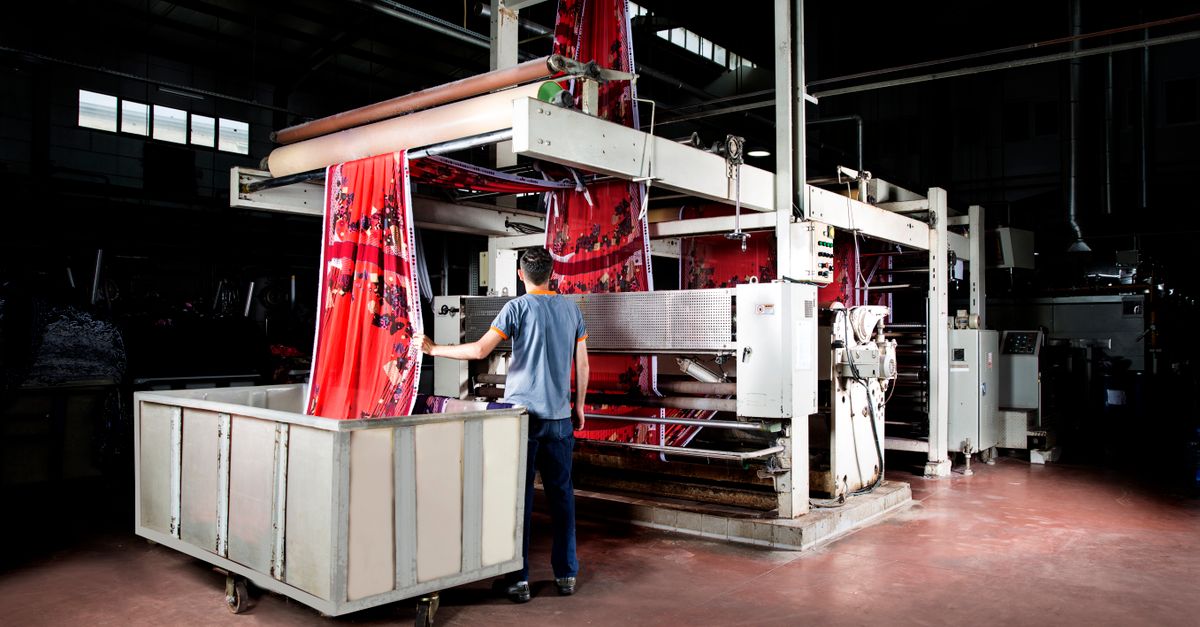
The process involves multiple stages, and each one has room for things to go right — or horribly wrong. Here's a quick breakdown of what happens inside a proper factory:
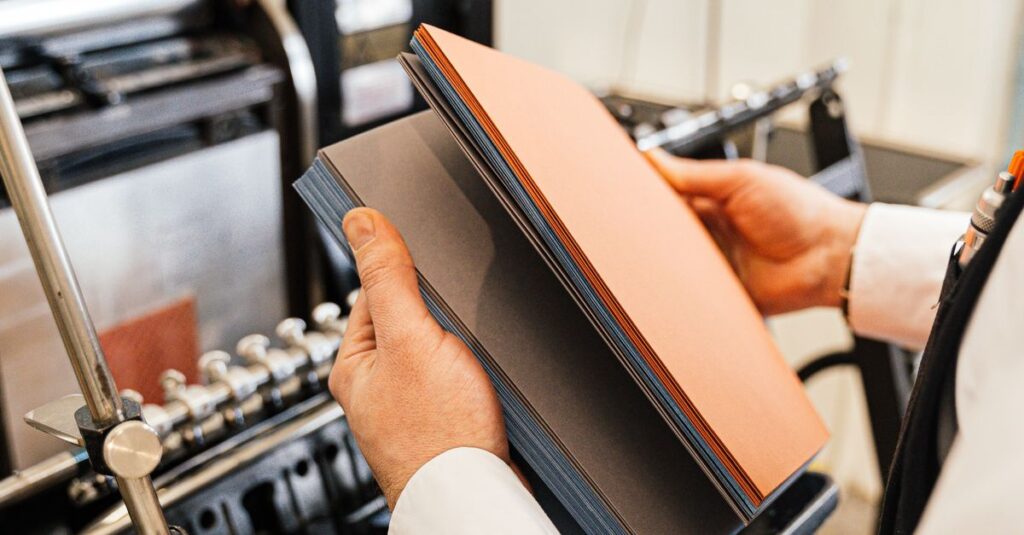
- Paper sourcing and cutting — Not all 60 GSM paper is created equal. Cheap paper has more dust, less fiber, and feathers your ink like crazy.
- Printing the pages — Ruling has to be precise. One millimeter off and the whole batch looks sloppy.
- Cover production — The cover board has to be stiff enough to protect pages but not so thick it won't bend. It's a balance.
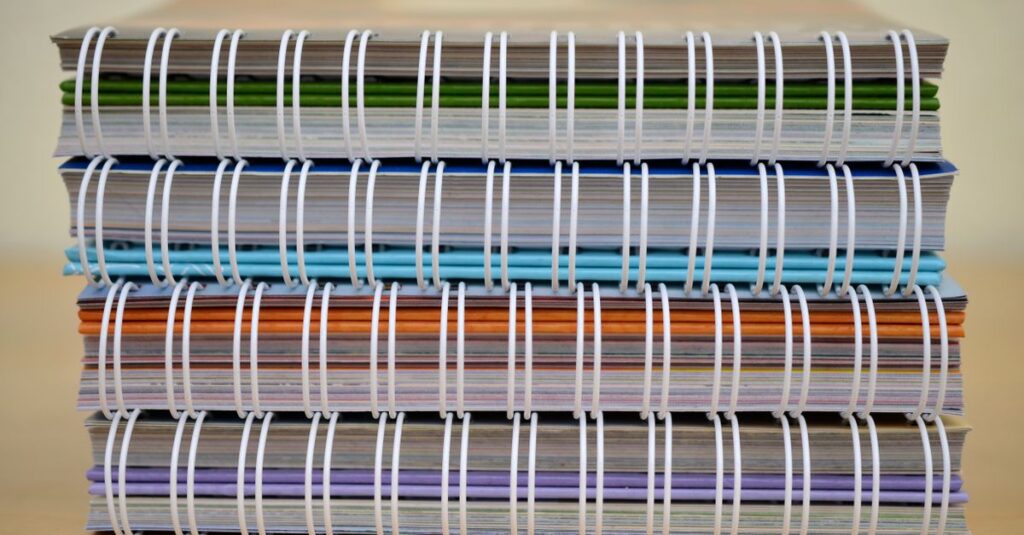
- Binding — Whether it's stitched, spiral, or perfect binding — this is where the notebook either lasts six months or six days.
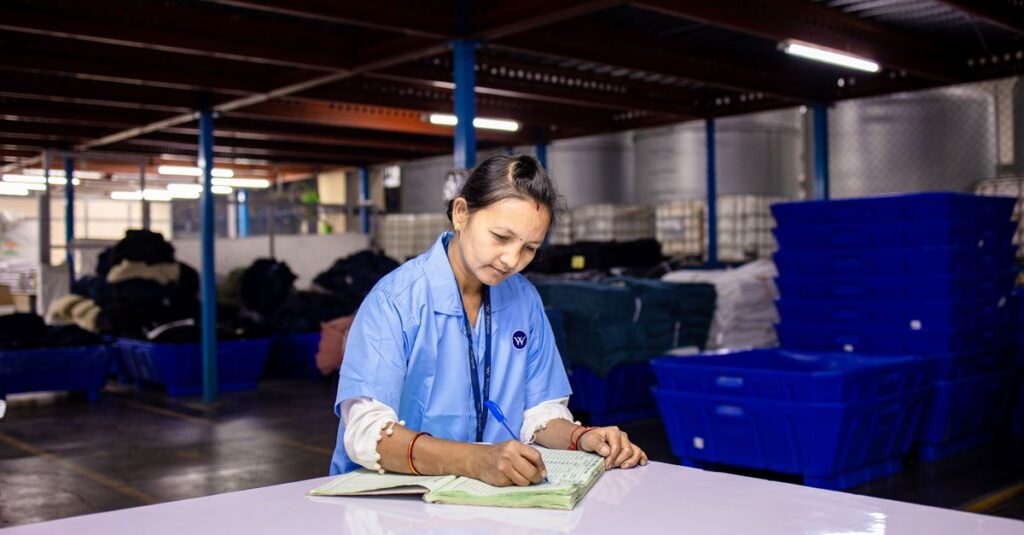
- Quality check — Every batch should be checked for crooked pages, weak spines, and smudged printing.
That's why when you ask about book manufacturing companies, you're really asking: who can do all five of these things without dropping the ball?
How to Judge a Book Manufacturer Before You Order
I was talking to a distributor from Chennai last month. He'd been burned twice by different suppliers. Third time, he came to us. When I asked what went wrong earlier, he said: "I didn't know what questions to ask."
So let me save you that trouble. Here are the things you should check before signing any order:
Paper Quality Isn't Just a Spec
Ask for the actual GSM and the source. A good manufacturer will tell you which mill the paper comes from. If they get vague about it, that's a red flag.
Binding Types Matter More Than You Think
A school notebook gets thrown into a bag, sat on, rained on, and folded backward. If the binding is weak, it's done by Diwali. Stitched binding is still the most durable option for heavy use. Spiral is great for corporate diaries where you need them to lie flat.
Customization Is Not Just Logo Printing
If you're ordering custom notebooks for your company or institution, you need a manufacturer who can handle embossing, foil stamping, custom page layouts, and private label packaging. Half the companies I know can print a logo. Not all can do a full custom cover with foil.
Look, I'll be direct — if a manufacturer can't show you samples of similar work and explain their process clearly, move on. Printing services need to be transparent.
Production Capacity vs Delivery Timeline
A factory that claims they can do 50,000 units in a week but only has three machines? Someone is lying. Ask about daily capacity. We do about 30,000-40,000 units per day. That's a realistic number for a mid-size factory with proper equipment.
Book Manufacturing Companies: What the Big Ones vs Small Ones Do Differently
Not all factories are built the same. Here's a rough comparison — I'm not naming names, but you'll recognize the patterns if you've been around this industry.
| Factor | Large Manufacturers | Mid-Size Manufacturers |
|---|---|---|
| Minimum order quantity | 10,000+ units usually | 500-1,000 units flexible |
| Customization options | Standard templates only | Full custom cover, page layout, binding |
| Communication | Account manager, slow response | Direct contact with production team |
| Quality control | Batch sampling, misses small defects | Individual inspection on smaller runs |
| Price | Lower per unit but hidden costs | Transparent pricing, better value for custom work |
| Delivery flexibility | Fixed schedule, no rush options | Can adjust timelines if needed |
Expert Insight
A few years ago, I visited a large factory in another state. The owner showed me their new automatic binding line. It could do 12,000 books an hour. Impressive, right? Then I walked around the back and saw pallets of rejected notebooks. The machine had misaligned the staples on thousands of units. Nobody caught it because they trusted the machine too much. I don't think you can fully automate quality. You still need someone who cares, standing at the end of the line, checking each book before it goes into the box. That's the difference between book manufacturing companies that get it right and the ones that just push numbers.
Real Story: What Happens When You Pick the Wrong Manufacturer
Ravi is a school supplier from Vizag. He's 42, been in the stationery business for fifteen years. Smart guy. Knows his customers well. Last year, he got a huge order from a chain of government schools. 25,000 notebooks for the academic year. He found a manufacturer who promised him a killer price. Thirty percent lower than anyone else.
The delivery was late by three weeks. When the notebooks finally arrived, the paper was so thin you could see the writing from the other side. The covers bent after two days. The school refused to pay. Ravi had to take a loss of nearly four lakhs. He told me about it over chai one afternoon. "I should have known," he said. "The price was too good. But I needed to win the bid."
The moral here? Not really a clean one. Sometimes you learn the hard way. But if you can learn from someone else's mistake instead of your own, that's smarter.
Bulk Orders: The Things Nobody Tells You
When you're ordering in bulk — I'm talking 5,000 units or more — the dynamics change completely. And most book manufacturing companies don't explain this upfront.
First thing: paper comes in rolls, not sheets. The manufacturer has to cut it to size. If you want a non-standard size, that means reconfiguring the cutting machine. Which costs time and money. That's why standard sizes like King, Long, Short, A4, and Crown are cheaper.
Second thing: drying time. After printing, the ink needs to dry before binding. If a factory rushes this, the ink smudges. And guess what? You won't notice until the books are delivered and someone starts writing in them.
Third thing: packaging. Bulk orders need proper carton packing, not just plastic wrap. Each carton should be labeled with the count and quality. If the factory skimps on packaging, your books arrive damaged.
These are the small details that separate reliable book manufacturing companies from the rest. Check our product range if you want to see how we handle these things.
Why We're Still Here Since 1985
Forty years in this business. That's not a flex — it's just a fact. We started small, in Rajahmundry, making notebooks for local schools. Over time, we got better at it. We learned which paper works for Indian conditions, which binding lasts in humid weather, and how to deliver on time even when things go wrong.
We export to Gulf, Africa, USA, UK, Europe, and Australia now. But the basic thing hasn't changed: we make notebooks that people actually want to write in. It sounds simple, but you'd be surprised how many manufacturers forget that part.
Anyway. That's enough from me. You came here looking for book manufacturing companies. I hope this helps you choose wisely.
Frequently Asked Questions
What should I check before choosing a book manufacturing company?
Always ask for paper GSM, binding type options, and sample products. Check their production capacity and delivery timeline. Request references from past clients, especially for similar-sized orders. A transparent manufacturer will share all this without hesitation.
What is the minimum order quantity for custom notebooks?
It varies. Large book manufacturing companies often require 5,000-10,000 units minimum. Smaller and mid-size manufacturers like us can accommodate orders starting from 500 units for custom notebooks. For standard notebooks, minimums can be lower.
How long does it take to manufacture bulk notebooks?
Typically 15-30 days for standard orders, depending on quantity. Custom orders with special printing, embossing, or binding can take 25-45 days. Rush orders are possible but may cost extra. Always confirm the timeline in writing before placing the order.
What binding type is best for school notebooks?
Stitched binding is generally the most durable for school use. It holds up better when notebooks are tossed in bags, sat on, and used daily. Spiral binding is better for diaries and corporate notebooks that need to lie flat. Perfect binding works for premium books but is less flexible.
Can book manufacturing companies handle private labeling?
Yes, many companies offer private label and OEM services. This means your brand name, logo, and custom cover design go on the notebook. At Sri Rama Notebooks, we also offer embossing, foil stamping, and custom page layouts for private label orders.
Things to Take Away
First, don't chase the lowest price. It almost always costs you more in the long run. Second, ask the right questions — paper quality, binding type, production capacity, and customization options. Third, work with a manufacturer who has been around long enough to know what can go wrong.
I don't think there's one perfect manufacturer for everyone. Probably there isn't. But if you've read this far, you already know what matters to you. The question is whether the company you're considering can deliver it. Sri Rama Notebooks — we've been doing this since 1985. Give us a call if you want to talk it through.