What Are Book Packagers Actually Doing?
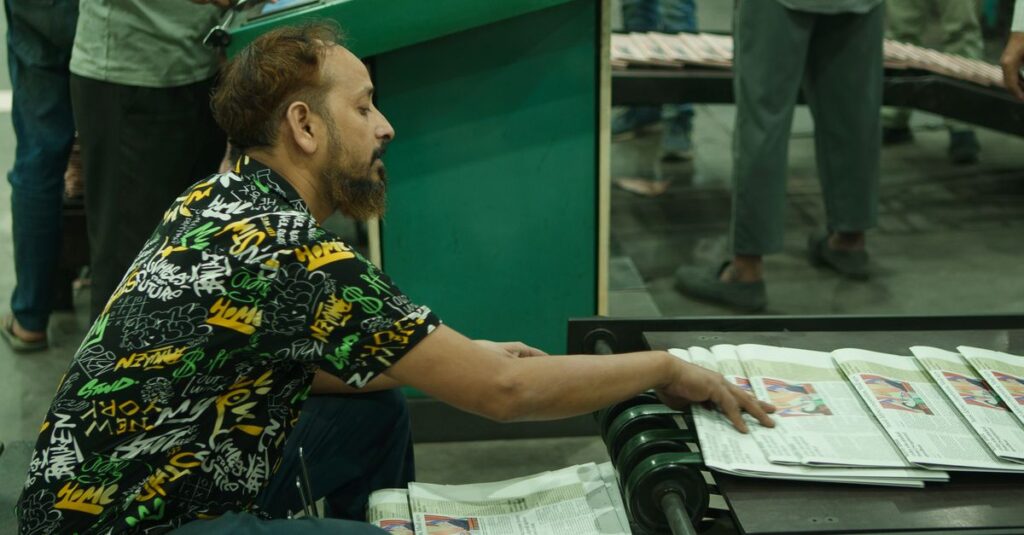
I spent last Tuesday morning on the factory floor. Third coffee of the day. No food since breakfast. And I was watching something I've seen a thousand times — but still can't stop noticing.
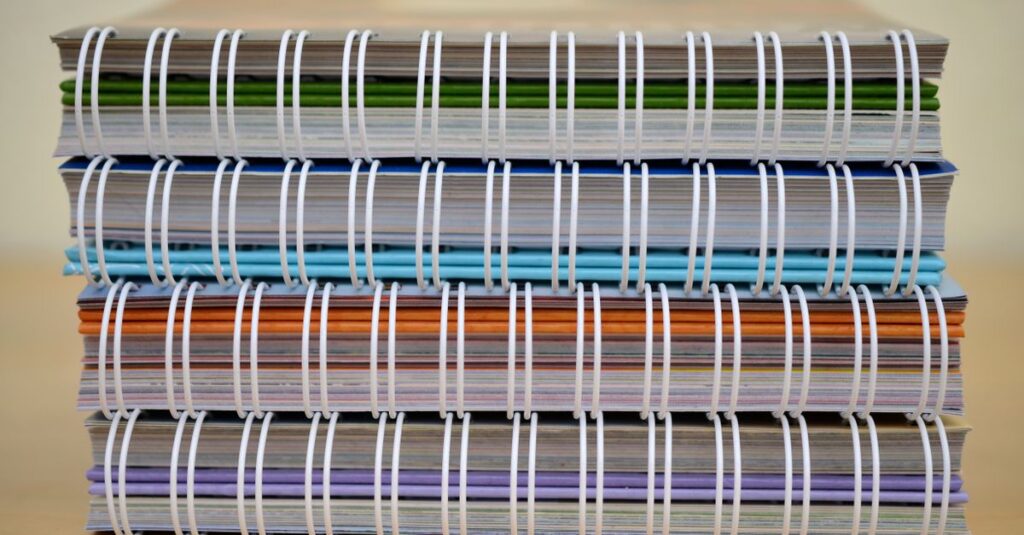
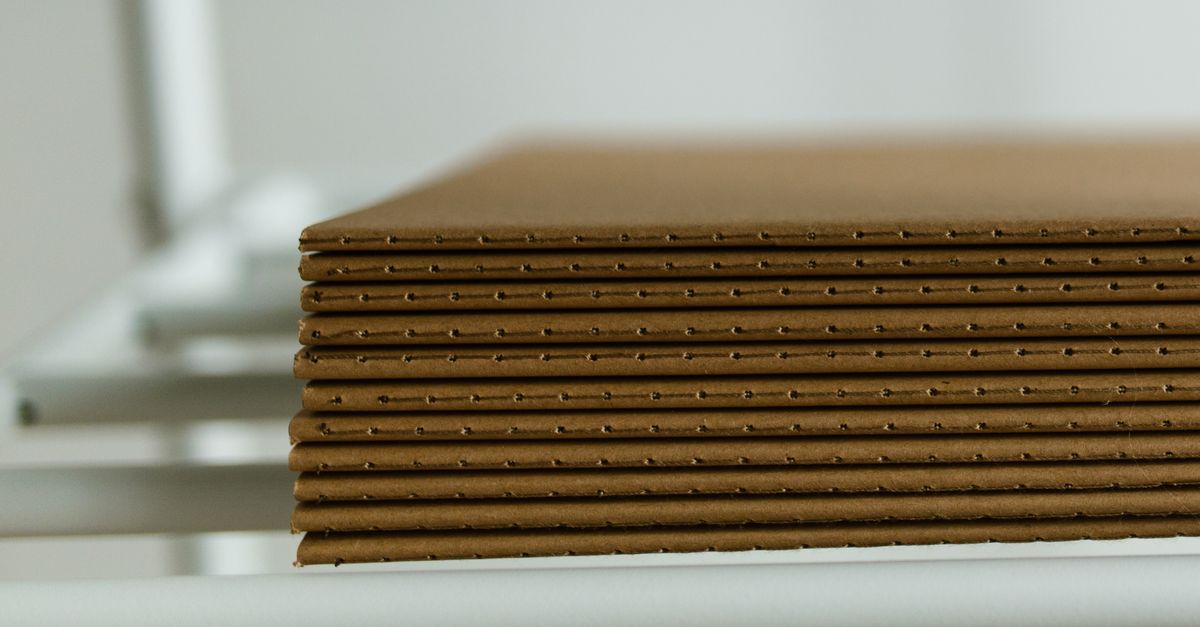
A stack of notebooks. About six feet high. All identical. All waiting to be packed into cartons. And I thought — who decided these notebooks should exist in the first place?
That's where book packagers come in. And honestly? Most people have no idea they exist.
If you're a procurement manager, a school principal, or someone who orders stationery in bulk, you've worked with book packagers whether you knew it or not. They're the middle layer between a paper mill, a printer, a binder, and your delivery truck. They coordinate everything. They take the headache away. Sometimes they save your budget too.
Here's what I mean.
When a school district in Andhra needs 50,000 notebooks before June — they don't call six different suppliers. They call a book packager. One phone call. One price. One delivery date. It's that simple. Sri Rama Notebooks has been on the receiving end of those calls for almost forty years now.
But let me back up. What does this actually look like on the ground?
How Book Packagers Handle the Manufacturing Mess
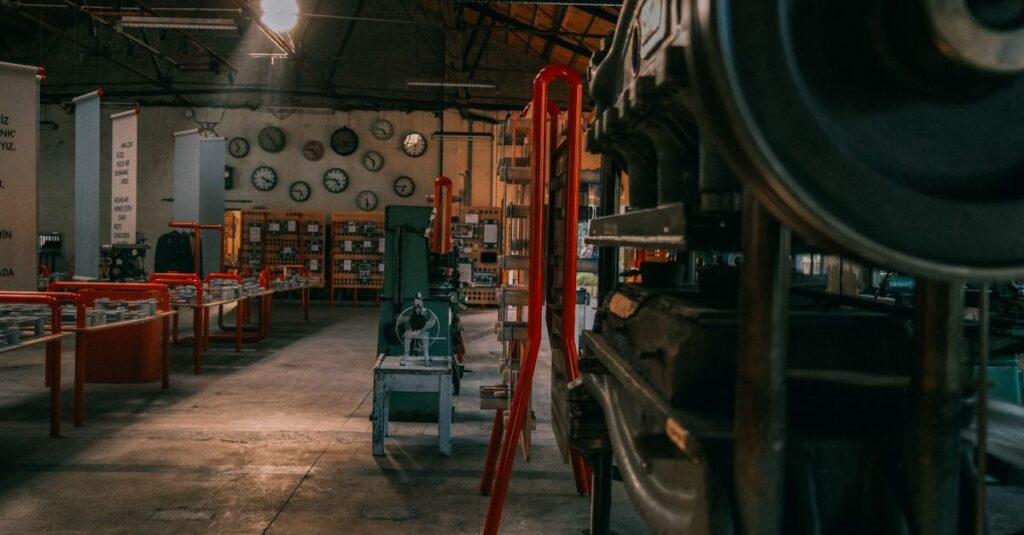
The thing about — okay, let me rephrase that. The thing about making notebooks at scale is that it's not glamorous. It's paper dust. It's glue that smells like a chemistry lab. It's machines that sound like they're angry at the world.
Book packagers sit between the chaos and the customer.
Here's a list of things they manage that you never see:
- Sourcing the right paper weight — 54 GSM for school use, 70 GSM if the buyer wants something better
- Getting ruling types right — Single Ruled, Four Ruled, or Cross Ruled depending on the class
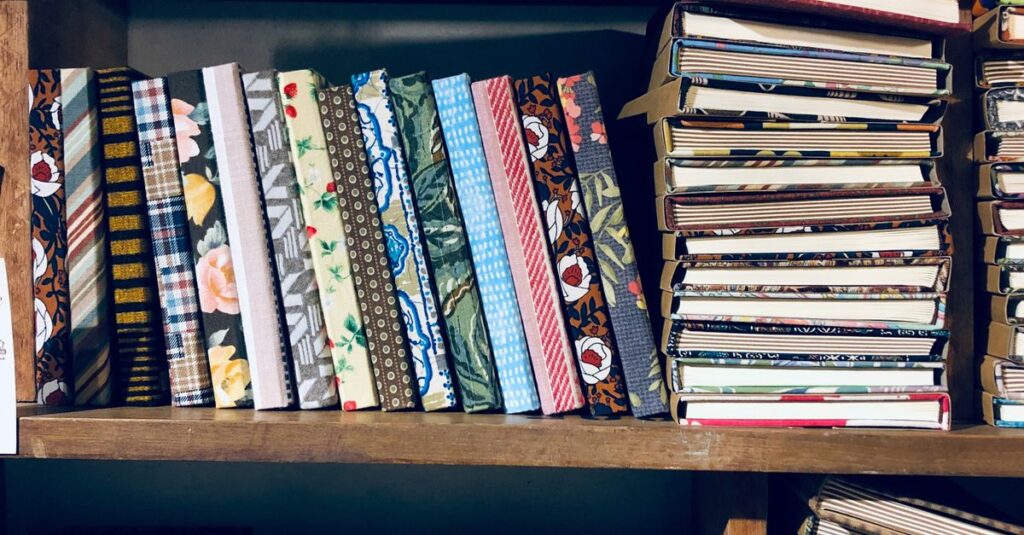
- Binding choices — stitched for durability, spiral for ease, perfect bound for corporate diaries
- Cover design — sometimes the client sends a logo on a napkin and expects a finished product in two weeks
- Packaging — carton strength, moisture protection, labeling for transport
And I'm not even talking about the export stuff yet.
I remember a call from a distributor in Dubai. He needed 20,000 account books. The paper had to be a specific thickness. The binding had to survive humidity. And the delivery window? Three weeks. That's what book packagers do. They take an impossible request and find a way to make it possible. Not always perfectly. But mostly.
Book Packagers vs. Direct Buying: What Works Better?
I get this question a lot. Should I go directly to a manufacturer, or use a book packager? The answer is — it depends. And I know that sounds like a cop-out. But hear me out.
Let me put it in a table so you can see it clearly.
| Factor | Working with a Book Packager | Going Direct to Manufacturer |
|---|---|---|
| Pricing | May include a markup, but often bulk rates are better across multiple products | Lower per-unit cost if you order one product in very high volume |
| Variety | Can mix notebooks, diaries, account books in one order | Limited to what one factory produces |
| Lead time | Packagers have relationships — they can push schedules | Depends entirely on factory capacity at that moment |
| Quality control | Packager checks before shipping | You need your own QC person or trust the factory blindly |
| Communication | One person handles everything | You talk to sales, then production, then logistics separately |
Most procurement people I've met prefer book packagers for anything under 100,000 units. Beyond that, they start talking to factories directly. But even then — the smart ones keep the packager as a backup.
Something I've noticed over the years: the companies that switch back and forth the most are also the ones that complain the most about quality. There's probably a lesson there.
Expert Insight
I was talking to an older printer in Rajahmundry last month. We were standing outside his shop — it was one of those evenings where the heat finally breaks. He said something I keep thinking about. He said a good book packager doesn't just find paper. They find the right paper without making you explain why it matters. Because if you have to explain everything, you're not saving time. You're just adding another meeting to your calendar.
He wasn't wrong. And honestly? Most companies don't have the patience for that anymore.
A Real Story: When a School Needed Notebooks in 10 Days
Let me introduce you to Arun. He's 42. Procurement coordinator for a chain of schools in Visakhapatnam. Married, two kids. Drinks his chai so hot it's almost a punishment.
Last April, his usual supplier called and said they couldn't deliver on time. Something about a paper shortage. Arun had 11,000 notebooks to source. The academic year was starting. Parents were already calling.
He found a book packager through a recommendation. Made the call on a Thursday afternoon. By Monday morning, sample notebooks were on his desk. Price was within his budget. Delivery was scheduled for the following Friday.
They actually arrived on Wednesday.
I asked Arun what he learned from that experience. He said, and I quote: “Never trust a single supplier. Always have a backup who knows the business.”
That's book packagers. They're the backup — and sometimes the main act.
What to Look for When Hiring Book Packagers
So you're convinced. Or at least curious. What do you actually check before signing a contract with a book packager?
I've seen enough deals go wrong to have a shortlist. Here it is:
- Capacity. Can they actually handle your volume? Ask about daily production. If they say 10,000 and you need 50,000, do the math.
- Paper quality. Ask for the GSM. If they hesitate, walk. Standard school notebooks use around 54 GSM. Anything less and you'll get complaints about ink bleeding through.
- Binding strength. Open a sample. Slam it on a table. Does it hold? If pages fall out in your hand, they'll fall out in a student's bag.
- Customization capabilities. Logo printing, embossing, foil stamping — can they do it? Or will they outsource and add a markup?
- Track record. Ask for references from schools or businesses similar to yours. Any honest packager will share them.
Also — and this is something I've learned the hard way — check their packaging. Bad cartons mean damaged notebooks. Damaged notebooks mean angry customers. It sounds obvious but people skip this step all the time.
Look, I'll be direct. Not every book packager is worth your time. Some are just middlemen with a phone. But the good ones? They make your job easier. They keep your supply chain running. They handle the stuff you don't want to think about.
The question isn't whether you need one. It's whether you can afford to not have a reliable one on speed dial.
Frequently Asked Questions
What exactly do book packagers do?
Book packagers coordinate the entire production of notebooks, diaries, and printed stationery. They source paper, manage printing and binding, handle packaging, and deliver finished products. Businesses use them to simplify procurement — one point of contact instead of dealing with multiple vendors.
Can book packagers handle custom logo printing?
Yes. Most book packagers work with manufacturers who offer custom printing, embossing, and foil stamping. You provide the design or logo, and they handle production and quality checks. This is common for corporate diaries and school-branded notebooks.
How much do book packagers charge for their services?
Pricing varies based on order volume, paper quality, binding type, and customization. Book packagers typically include their margin in the per-unit cost. For bulk orders of 5,000+ units, this usually ranges from a small markup to a negotiated flat fee.
Are book packagers the same as printers?
Not exactly. Printers handle only the printing step. Book packagers manage the full process — paper sourcing, printing, binding, packaging, and logistics. They act as project managers for your order, ensuring quality and timelines are met.
How do I find reliable book packagers in India?
Look for established manufacturers with over a decade of experience. Check their production capacity, request samples, and ask for client references. Companies like Sri Rama Notebooks in Rajahmundry have been serving schools, businesses, and exporters since 1985.
Let Me Leave You With This
I've been around notebooks long enough to know one thing: the best book packagers aren't the ones with the fanciest website. They're the ones who pick up the phone at 7pm on a Friday and say “yes, we can do that.”
Two takeaways. First, book packagers exist to solve problems you didn't know you had. Second, the right one is worth more than the cheapest one. I don't think there's a clean answer for how to find them. Probably there isn't. But if you've read this far, you already know what you're looking for — you're just figuring out if it's time to stop looking.
If that moment is now, Sri Rama Notebooks has been answering that call since 1985.