What Is a Book Notebook, Anyway?
Let me guess — you searched “book notebook” and got a bunch of results that didn’t quite match what you meant.
Maybe you’re a school principal trying to figure out what to order for next year. Maybe you run a stationery shop and customers keep asking for something you don’t stock. Or maybe you’re a procurement manager who just got handed a list of items and one of them says “book notebook” and nobody can explain what that is.
I get it. The term is confusing. Because technically, every notebook is a book. And every book is not a notebook. So what gives?
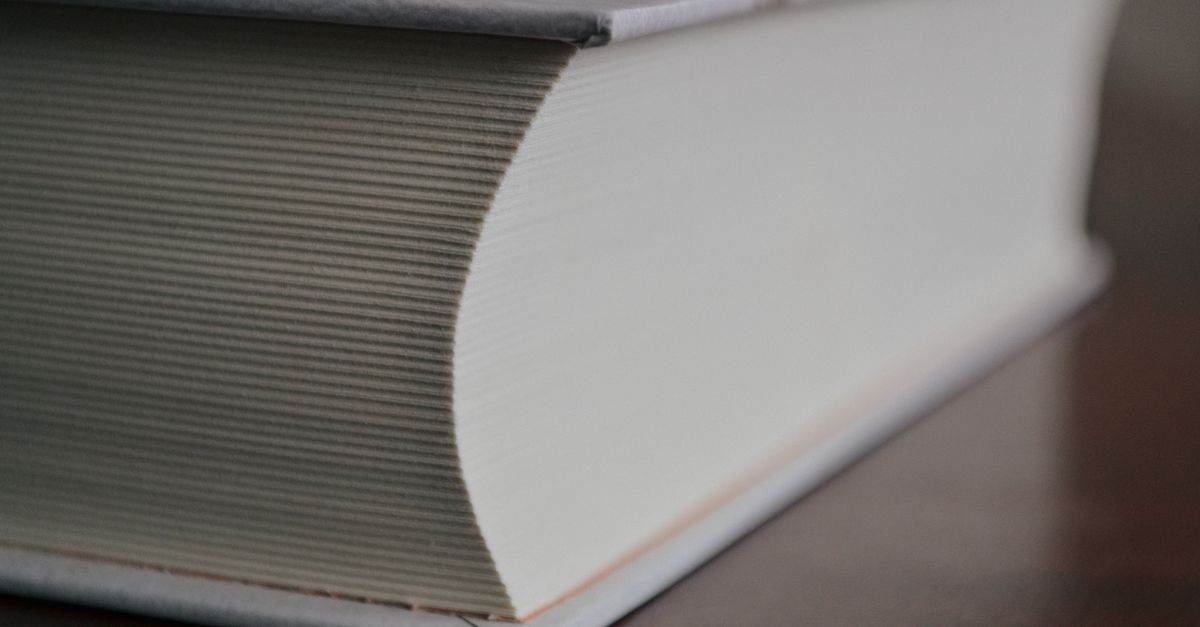
Here’s the short version: in the Indian stationery industry, a “book notebook” usually refers to an account book — the thick, ruled, stitched notebooks used in shops, offices, and schools for record keeping. They’re the ones with hard covers sometimes. Or thick paper. The kind that lasts a full year of daily use.
If this is what you’re looking for, you’re in the right place. I’ve been making these things since 1985. Sri Rama Notebooks has supplied them to schools, corporations, and exporters across the Gulf, Africa, and Europe.
Let me explain exactly what a book notebook is — and isn’t.
Book Notebook vs Regular Notebook — What’s the Difference?
This is where most people get stuck. Because a notebook is technically a book. But in the trade, these two words mean different things.
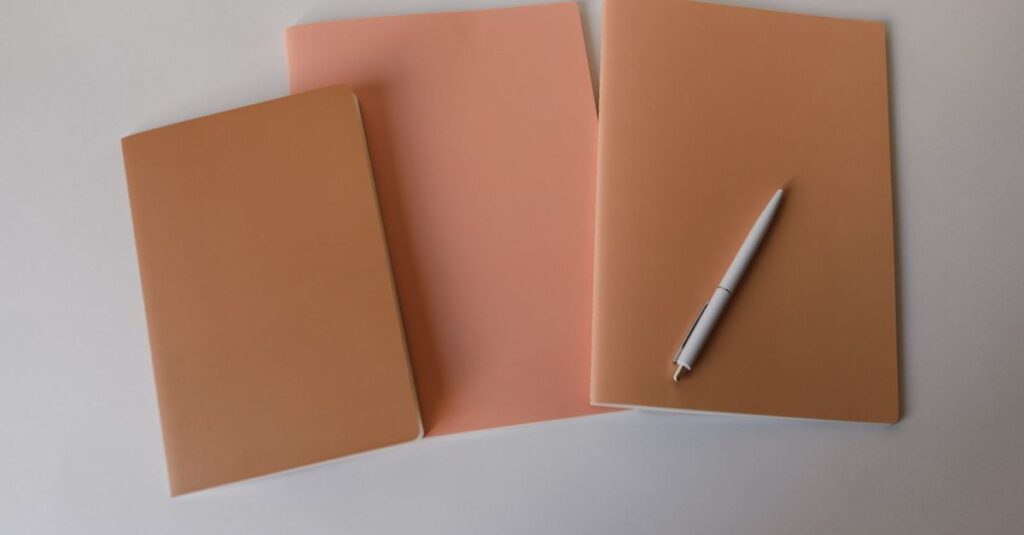
A regular notebook — the kind students use — is typically thin, spiral or stitched, with 52 to 200 pages. It’s meant to be finished in one term or one subject.
A book notebook, on the other hand, is built differently:
- Page count: Usually 200 to 700 pages.
- Binding: Almost always stitched or perfect bound — never spiral for the thick ones.
- Paper weight: 54 to 70 GSM, sometimes higher because these books take heavy writing.
- Cover: Often thicker, sometimes laminated, occasionally hardbound.
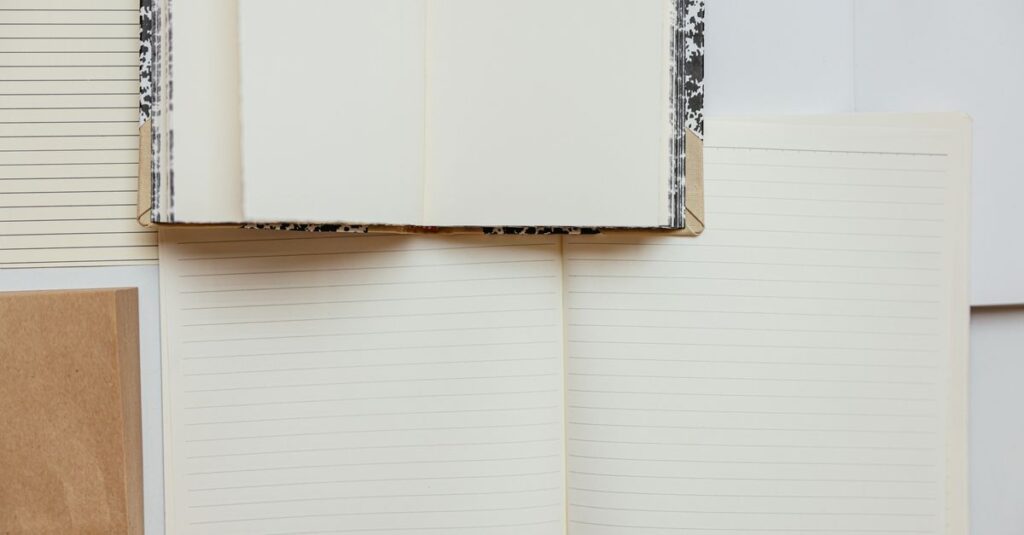
- Ruling: Single ruled, double ruled, or account ruled (columns for numbers).
The biggest difference? A book notebook is designed to last. Regular notebooks get tossed at the end of the term. A book notebook sits on a desk for a year, getting filled slowly. It’s for records. Data. Numbers. The stuff you don’t throw away.
Most people I speak to don’t realize this until they order the wrong thing. They buy 52-page notebooks for accounting work. That’s a mistake. You need thickness. You need binding that doesn’t snap when you open it flat.
The question isn’t which one is better. It’s which one you actually need. And if you’re here searching “book notebook,” you probably need the thick one.
Who Actually Uses Book Notebooks?
I’ll tell you a quick story. Last year I got a call from a man named Ramesh — he runs a wholesale kirana shop in Visakhapatnam. Been in business for 22 years. He needed 500 account books. But when I asked him what size, he said “the normal one.”
That’s the thing. People use these books every single day, but they don’t have a name for them.
Here’s who buys book notebooks in bulk:
- Schools and colleges — for attendance registers, log books, and library records
- Corporate offices — for ledgers, stock registers, and meeting minutes
- Government institutions — for official records that need to be preserved
- Small businesses — shopkeepers, accountants, and wholesalers tracking daily transactions
- Distributors — supplying to stationery stores that sell to the above
What most people don’t realize is the volume. A single school might order 2000 book notebooks for the academic year. A government department? Easily 5000. And these are not orders you want to mess up.
Ramesh, by the way, ended up ordering the wrong size the first time. He got king size when he needed long size. We replaced them, but he lost a week. That’s the kind of mistake that costs real money.
Expert Insight
I’ve been in this factory for over 30 years. You know what I’ve learned? It’s not the machines that matter most. It’s knowing what breaks and what doesn’t. I’ve seen cheap book notebooks where the spine splits after two months. That’s shameful. An account book should survive a monsoon, a dropped desk, and a year of daily use. We test our binding by dropping fully filled notebooks from waist height. If the spine cracks, we change the thread. Simple as that.
I don’t think we do anything special. We just refuse to cut corners on binding. That’s not a sales pitch — it’s just the truth. You can feel it when you open one of our books. The pages lie flat. The stitching holds. That’s what 40 years of doing the same thing gets you.
Book Notebook Sizes and Specifications — A Comparison
If you’re ordering in bulk, you need to know the sizes. There’s nothing worse than getting 3000 notebooks and realizing they don’t fit your shelves.
| Size Name | Dimensions | Best For | Common Page Count |
|---|---|---|---|
| King Size | 23.6 x 17.3 cm | School registers, general notes | 200-320 |
| Long Size | 27.2 x 17.1 cm | Account books, ledgers | 320-700 |
| Short Size | 19.5 x 15.5 cm | Small shops, pocket records | 200-320 |
| Crown Size | 25 x 17 cm | Corporate diaries | 200-400 |
| A4 Size | 29.7 x 21 cm | Official documents, registers | 240-500 |
Long size is probably the most common for account books. That’s the one Ramesh needed the second time. King size comes second, mostly for schools. But I’d check your existing stock before ordering. Nine times out of ten, whatever you’re replacing is the size you need.
How Are Book Notebooks Manufactured?
This part matters if you’re buying in bulk — because the manufacturing process directly affects how long the notebook lasts.
The process at our factory in Rajahmundry goes like this:
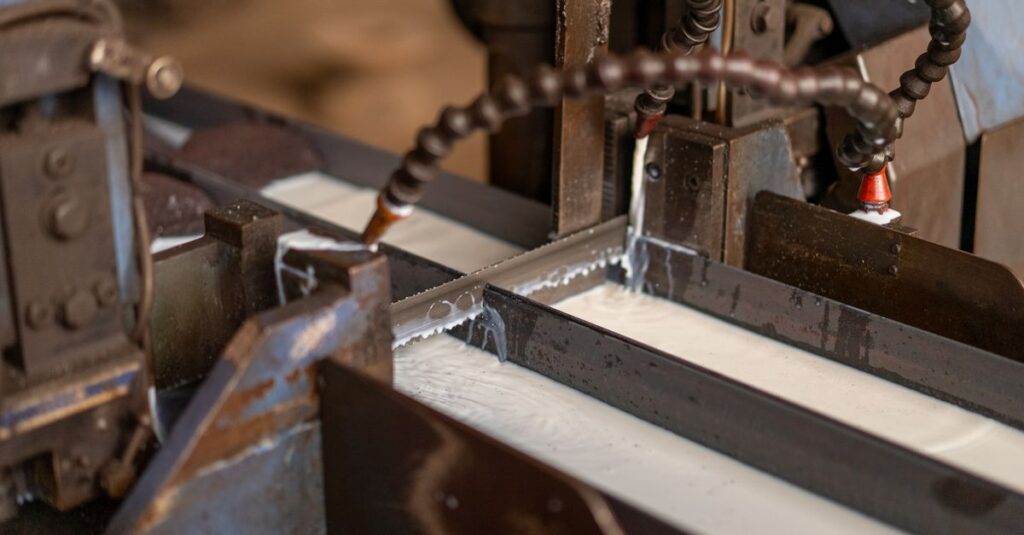
- Paper cutting: Large sheets of 54-70 GSM paper are cut to size in one go. We cut thousands of sheets at once.
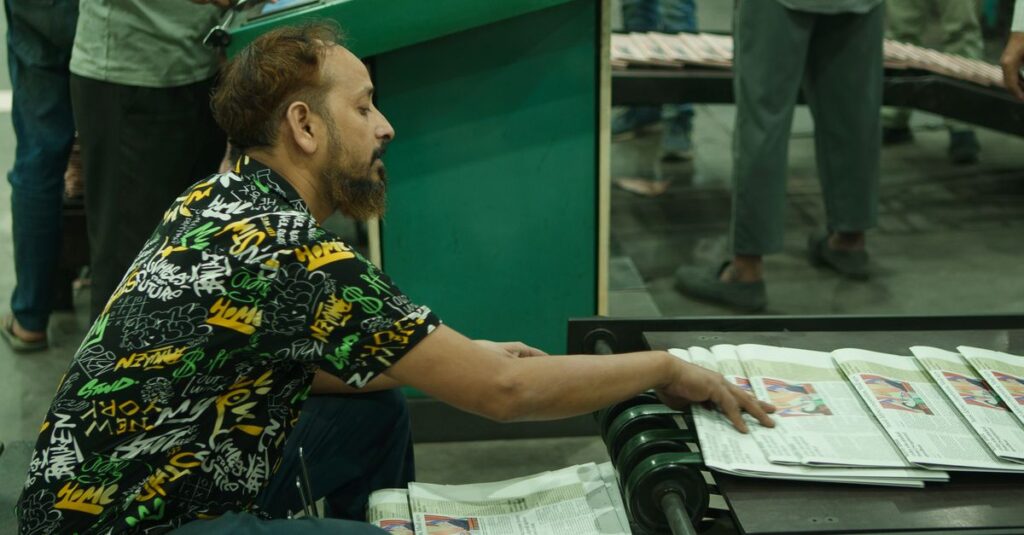
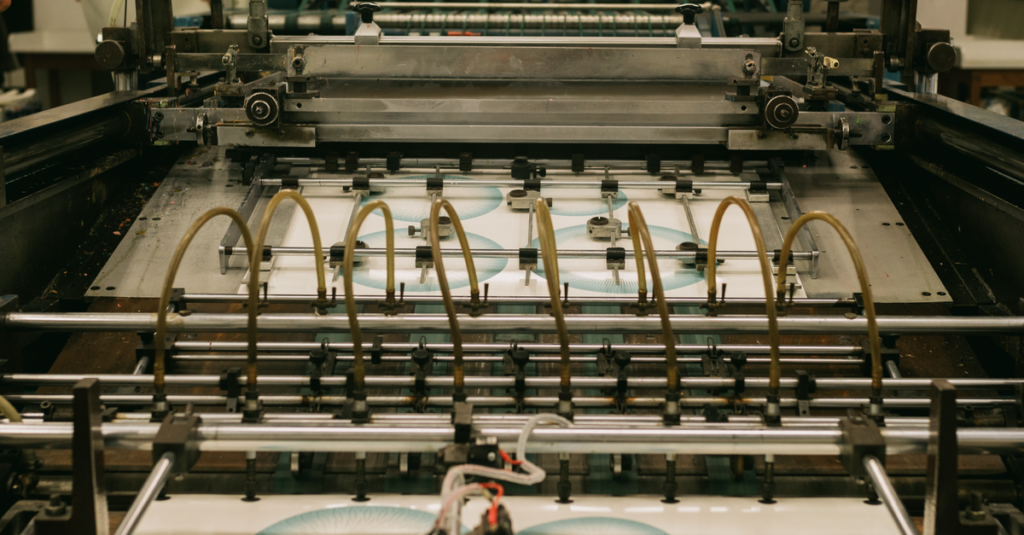
- Printing rulings: The pages are printed with the required ruling — single, double, or account ruled. This is done on offset printing machines for clean, consistent lines.
- Collating: Printed sheets are gathered into sets of 16 or 32 pages. This is called a signature.
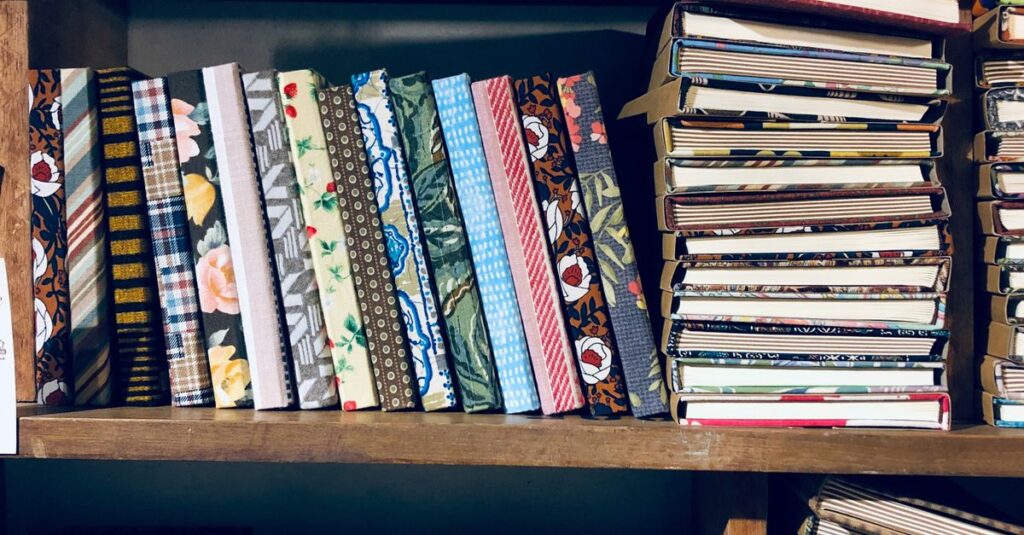
- Stitching: The signatures are stitched together using strong thread. For thick book notebooks, we use section sewing — each signature is stitched individually before being bound together. This is what makes the binding flexible and durable.
- Covering: The stitched block is attached to the cover — which can be paperboard, hardboard, or laminated card.
- Trimming: The edges are trimmed clean on three sides.
- Packing: Books are packed in bundles of 10 or 25, then boxed for shipping.
The whole thing sounds straightforward. But the difference between a book that lasts a year and one that falls apart in two months comes down to step 4. Stitching. If the thread is cheap, or the stitching is loose, the pages will start falling out around page 100. And nobody has time to send a complaint and wait for replacement.
We do about 30,000 to 40,000 notebooks a day. That’s a lot of stitching.
Custom Book Notebooks for Corporates and Institutions
This is where things get interesting. Because most people searching “book notebook” aren’t looking for plain ones. They want their logo on it. Or specific rulings. Or a custom cover color.
Here’s what we can do:
- Logo printing on the cover — offset or screen printing
- Embossing — your logo raised on the front cover, looks premium
- Foil stamping — gold or silver foil, especially for corporate diaries
- Custom page layouts — specific rulings, printed headers, company info on every page
- Private label — your brand name on the cover, no mention of us
- OEM manufacturing — we make it exactly to your specifications
A school in Hyderabad recently ordered 10,000 book notebooks with their logo on the cover and the school name printed on every page. That’s a lot of printing. We did it in 12 working days.
For corporate buyers, the most common request is a diary-style book notebook with the company logo, date pages, and extra note sections. These go out as New Year gifts or employee supplies. Some companies order 50,000 at a time.
Look, I’ll be direct. The minimum order for custom printing is usually 500 pieces. Below that, the setup cost doesn’t make sense. But for 500 and above, we can do a lot. If you’re a procurement manager looking for something specific, just call us. +91-8522818651. We’ve been doing this long enough to know what works and what doesn’t.
Where to Buy Book Notebooks in Bulk
If you’re reading this, you probably need a supplier. Not a retailer. A manufacturer who can ship 1000 or 5000 or 20,000 book notebooks without messing up the specs.
That’s us. Sri Rama Notebooks. Rajahmundry. 1985. We export to the Gulf, Africa, USA, UK, Europe, and Australia. We do government tenders, school supply contracts, and corporate orders. And we don’t take shortcuts.
The thing about bulk orders is this — you’re trusting someone with your reputation. If the notebooks arrive late, or the binding breaks, or the ruling is printed crooked, it’s your problem. Not the manufacturer’s. So you need a manufacturer who treats your order like their own.
I can’t promise we’ll be the cheapest. I can promise we’ll deliver what we say we will, on time, and if there’s a problem, we’ll fix it. That’s not marketing. That’s how we’ve stayed in business for 40 years.
Call or email anytime. Or visit the website. Sri Rama Notebooks
Frequently Asked Questions
What exactly is a book notebook?
In the Indian stationery industry, a book notebook is a thick, stitched notebook used for record keeping, accounting, or long-term notes. It usually has 200 to 700 pages, strong binding, and thicker paper than regular notebooks.
What size is a standard book notebook?
The most common sizes are Long (27.2 x 17.1 cm) and King (23.6 x 17.3 cm). Long size is typical for account books. The right size depends on your specific use case and storage space.
Can I get book notebooks with my company logo?
Yes. We offer logo printing, embossing, foil stamping, and custom cover design. Minimum order for custom printing is usually 500 pieces. We also do private label where only your brand appears on the notebook.
How many pages does a book notebook have?
It varies from 200 pages to 700 pages. The most common page counts for account books are 320 and 400 pages. School registers are usually 200 to 240 pages. We can make almost any page count you need.
What is the difference between a book notebook and a diary?
A book notebook has blank ruled pages for general writing. A diary usually has pre-printed dates, calendars, and sections. But the manufacturing is similar, and we make both. Many corporate buyers use them interchangeably with custom branding.
Final Thoughts
I don’t think there’s one perfect “book notebook” for everyone. It depends on what you’re recording, how long it needs to last, and whether you want your name on the cover.
What I do know is this: a good book notebook should feel solid in your hands. The pages should turn easily. The binding should hold up. And it should be priced fairly for what it is.
If you’re buying in bulk, don’t settle for less. You’ll regret it when the complaints start coming in. Find a manufacturer who’s been doing this long enough to know the difference between a cheap product and a good one.
Sri Rama Notebooks — Rajahmundry. Since 1985. Call us at +91-8522818651 or email support@sriramanotebook.com.