Book Printing India – It’s Not Just About the Price Tag
You know that moment when you finally approve a quote, place the order, and then — nothing. The silence stretches. The deadline creeps closer. And you’re left wondering if your books will actually show up on time, or if they’ll look anything like the sample they showed you.
I’ve seen it happen more times than I can count. Good people. Bad printing partners. And the result is always the same — rushed reprints, angry stakeholders, and a stack of books that sit in storage because nobody wants to distribute them.
Here’s the thing about book printing India — your options range from backyard operations to factories running 40,000 units a day. But if you’re ordering for a school, a corporate office, or a retail chain, the price difference won’t matter if the quality ruins your reputation.
I work at Sri Rama Notebooks, a manufacturer in Rajahmundry that’s been making notebooks and printed materials since 1985. So I’ve seen both sides of this industry. And honestly? Most people focus on the wrong things when choosing a printing partner.
What Actually Matters in Book Printing India
Every week, I talk to procurement managers and distributors who’ve been burned by cheap quotes. They tell me the same story: low price, missed deadline, bad paper, crooked binding. And then they have to explain to their client why the delivery is late.
So let me save you some headache. Here’s what actually separates a good print job from a disaster:
- Paper quality — not just GSM, but how the paper behaves in humid conditions. India’s climate is brutal on thin paper.
- Binding strength — does it lay flat? Will the spine crack after ten openings?
- Ink and printing consistency — page 1 and page 200 should look the same. No fading. No ghosting.
- Packaging for transport — 90% of complaints I’ve seen are about books damaged in transit, not manufacturing defects.
- Realistic lead times — I’d rather tell you 30 days and deliver in 25 than promise 20 and fail.
The truth? Most printing companies in India can produce decent books. The question is whether they can produce your books, at your scale, with your deadlines. Those are two different things.
Who Uses Book Printing India Services? (And Why They Switch)
Let me introduce you to Vikram. He’s 42, works as a procurement officer for a chain of 12 schools in Hyderabad. Last year, he ordered 20,000 notebooks from a printer in Delhi. Good price. Great samples. Then the delivery came two weeks late, and half the books had pages falling out within a month.
Vikram didn’t call to complain. He just went looking for someone else. That’s how he found us. (His exact words: “I don’t have time for drama. I need books that work.”)
Most people who look for book printing India fall into a few categories:
- School and college administrators ordering textbooks, notebooks, or exam pads — they need consistency across thousands of units.
- Corporate buyers ordering branded diaries, training manuals, or product catalogs — deadlines are rigid, and appearance matters.
- Distributors and wholesalers supplying stationery shops — they’re looking for reliable margins and consistent quality across repeat orders.
- Government institutions — paperwork, tenders, and compliance. I won’t pretend that’s fun, but it’s a huge part of the industry.
And honestly? Most of them switch because of one thing: trust. Not price. Trust. They’ve been burned once and don’t want to be burned again.
Book Printing Methods – Which One Should You Choose?
If you’re new to this, the technical choices can feel overwhelming. Offset? Digital? Perfect binding? Stitching? Here’s a simple breakdown:
| Feature | Offset Printing | Digital Printing |
|---|---|---|
| Best for | Large quantities (500+) | Small runs, proofs, urgent jobs |
| Per-unit cost | Drops sharply after 500 units | Fixed, higher per unit |
| Color accuracy | Very high, consistent | Good, but can vary slightly |
| Setup time | Needs plates, longer prep | Almost instant |
| Paper options | Wide range of stocks | Limited by machine specs |
| Best use case | Textbooks, notebooks, diaries | Presentations, small manuals |
In my experience, book printing India for bulk orders almost always favors offset. The quality is better, the cost per unit is lower, and once the setup is dialed in, the consistency is hard to beat. But if you need 100 copies of something next week — digital is your friend.
Expert Insight
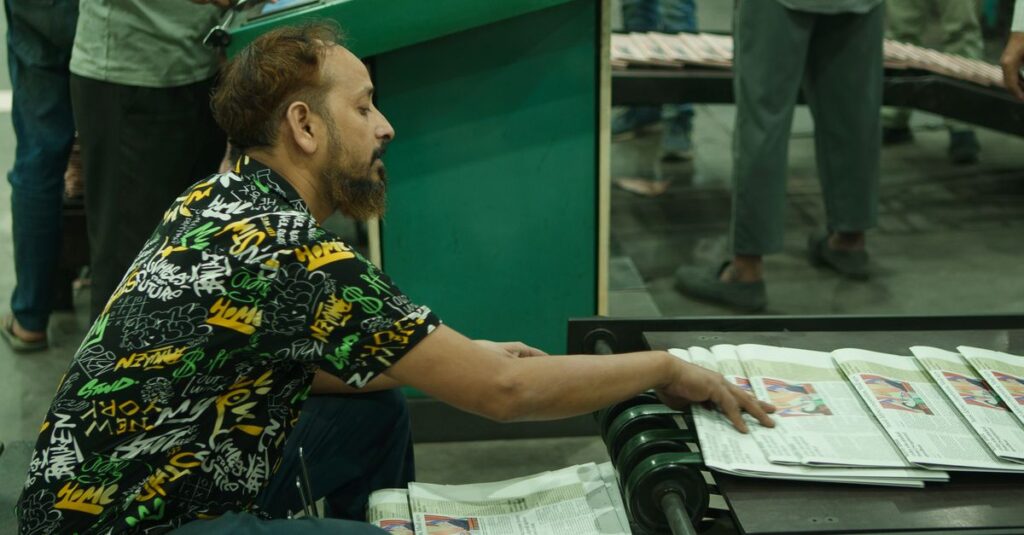
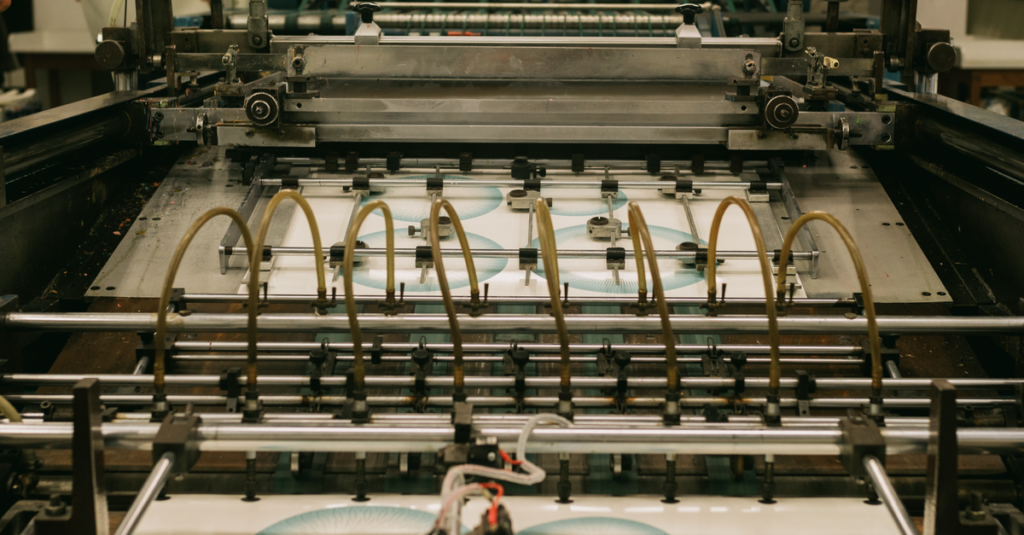
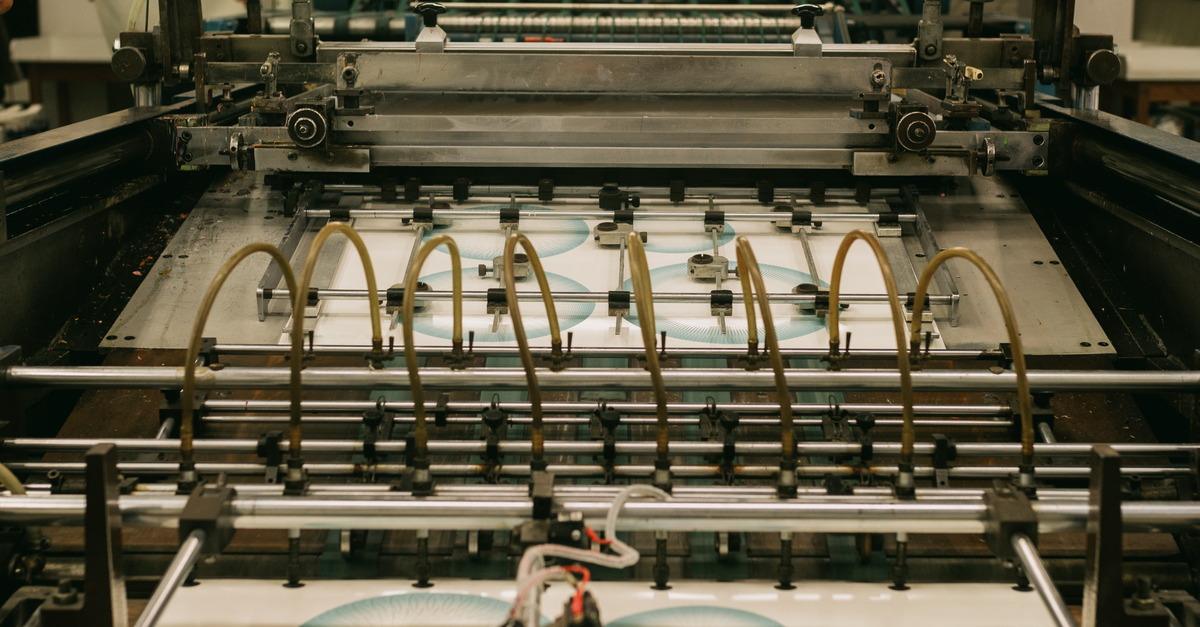
I remember a conversation I had maybe two years ago with an old press operator — he’d been running Heidelberg machines since the 90s. We were standing near the binding line, and he said something I still think about: “Printing is easy. Making it look like you cared — that’s the hard part.” He wasn’t talking about technology. He was talking about attention. Checking the ink density, the registration, the paper alignment — every single time. Not once. Not when the client visits. Every time.
How to Pick the Right Printing Company in India
Look, I’m biased. I work at a printing company. But I’ve also seen the other side. Before joining Sri Rama Notebooks, I was handling procurement for a small publishing house. I know what it’s like to chase vendors, reject shipments, and explain delays to your boss.
So here’s what I’d tell my younger self:
- Visit the factory if you can. If they hesitate, that’s a red flag. We’re in Rajahmundry — not a glamorous city, but our factory is open to anyone who wants to see how we work.
- Ask about their reject rate. Every factory has one. If they say zero, they’re lying. An honest answer is 2–5%.
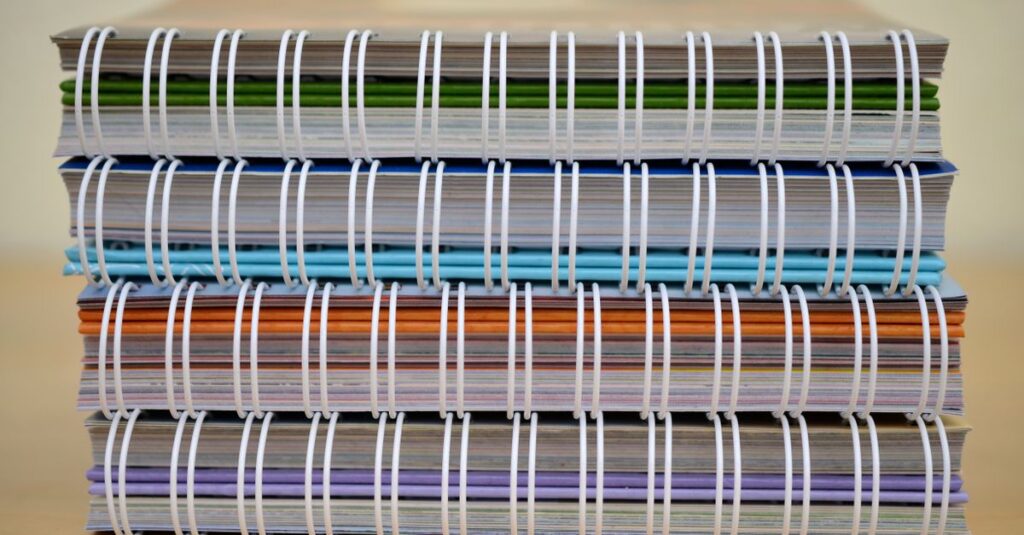
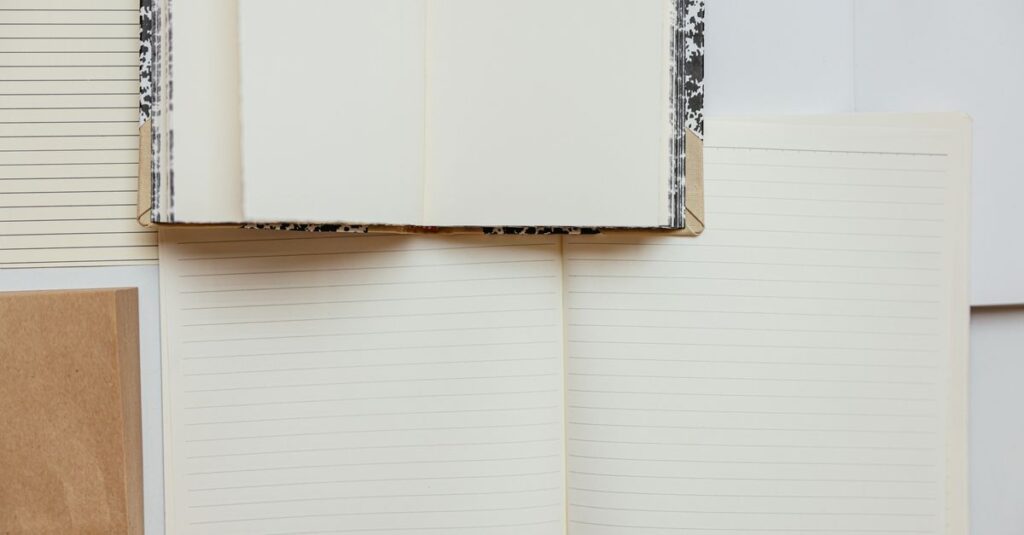
- Check their binding. Open a book flat. Bend the spine. Pull on a page. If it doesn’t hold, nothing else matters.
- Don’t negotiate on paper. That’s where corners get cut. 54 GSM is standard for notebooks, but if you need 70 GSM for textbooks, pay for it.
- Get delivery terms in writing. Including what happens if they’re late. Not being dramatic — just practical.
The best partners in book printing India aren’t the ones with the shiniest website. They’re the ones who answer the phone at 6 PM on a Friday and say, “Let me check the schedule and call you back.”
Why Local Experience Matters
I’m going to say something that might be unpopular: working with a local manufacturer is usually better than sending your job to a metro city printer. Here’s why. The big city guys have high overheads — rent, salaries, logistics. That cost gets passed to you. Smaller cities like Rajahmundry have lower costs, skilled labor, and factories that have been running for decades. Our workers have been doing this for 20, 30 years. They know paper like I know my coffee order.
And the quality? It’s not worse. In some ways, it’s better. Because we’re not trying to be everything to everyone. We do notebooks, diaries, account books, and custom printing. That’s it. And we’ve been doing it since 1985.
I’ve had clients say, “But Rajahmundry is far from my office.” And I get it. But we ship to the Gulf, Africa, the US, UK, and Europe. If our logistics work for exports, they’ll work for domestic too.
Common Mistakes in Book Printing India (and How to Avoid Them)
Three things I see again and again:
Mistake 1: Choosing based on price alone. The cheapest quote usually means one of three things: bad paper, rushed binding, or a timeline that’s impossible to meet. And when they fail, you pay twice — once for the bad batch, once for the reprint.
Mistake 2: Not checking proofing samples. You need to see a physical sample. Not a PDF. Paper color, texture, and ink behave differently in real life. If a printer says “the digital proof is enough,” ask harder questions.
Mistake 3: Forgetting about packaging. I once had a client who ordered 10,000 diaries. Beautiful printing. Great binding. Then they got shipped in thin cardboard boxes. By the time they reached, half had bent corners and scuffed covers. Don’t let that be you.
Take your time choosing. The right partner feels like a collaboration, not a transaction.
Frequently Asked Questions
What is the average cost of book printing India?
It depends on quantity, paper quality, binding type, and page count. For a standard 200-page notebook in offset printing, expect roughly ₹35–75 per unit for orders of 500+. Digital printing is higher — around ₹120–200 per unit for short runs.
What’s the minimum order quantity for book printing India?
Most offset printers require at least 300–500 units to make setup costs worthwhile. Digital printing can handle orders as low as 10–20 copies. At Sri Rama Notebooks, we generally recommend minimum 500 units for custom notebooks, but we can discuss smaller runs for specific needs.
What paper quality is best for notebooks in India?
For school notebooks, 54–60 GSM is standard. For corporate diaries and premium products, 70–80 GSM is better — it resists ink bleed and lasts longer. Avoid anything below 50 GSM for printed books; the transparency is too high.
How long does book printing India take?
Typical lead times are 15–30 working days, depending on order size and complexity. Custom binding, logo embossing, or foil stamping can add 5–7 days. We recommend placing orders 45 days before your deadline to account for production and shipping delays.
Can I get custom covers with my logo printed?
Yes. Most notebook manufacturers in India offer custom cover printing, including full-color offset, foil stamping, embossing, and screen printing. We also do private label and OEM options where your brand appears on the cover and inside pages.
One Final Thing
I don’t have a neat conclusion for you. The truth is, finding the right partner for book printing India takes time. You’ll probably talk to three or four companies before you find one that feels right. The samples will be good. The prices will be close. But trust your gut. If something feels off during the conversation, it’ll feel worse when the delivery truck arrives.
And if you want to have a direct conversation with someone who’s been doing this since 1985 — no pressure, just a real talk about what you need — Sri Rama Notebooks is here.