Why Printing Actually Matters
You've written the thing. Months of late nights, coffee stains on your notes, sentences you rewrote until your fingers hurt. Now you need to get it printed. And that's where most self-publishers freeze. Because let's be honest — book self publish isn't just about writing. It's about making physical copies that don't look like a school project gone wrong. I've seen people spend a year on a manuscript and then pick the cheapest printer online. The result? Pages falling out after one read. Covers curling like they've been through a rainstorm. It hurts to watch. If this sounds familiar, this might be worth a look.
Paper Quality: What Self-Publishers Get Wrong
Everyone talks about content. Nobody talks about paper. And honestly? That's a mistake. The paper you choose changes how your book feels in someone's hands. It's not just about weight — though that matters. It's about how the ink sits on the page, whether text bleeds through, whether the pages turn smoothly or stick together.
GSM isn't the only thing
Most self-publishers grab 80 GSM paper thinking it's standard. But for a novel, it works. For a photo-heavy book? You'll want 120 GSM or more. I've had authors tell me they didn't notice the difference until they held two copies side by side. One felt cheap. The other felt like a real book.
- 54-80 GSM: Best for text-heavy books (novels, memoirs)
- 100-120 GSM: Good for illustrated books, manuals
- 150+ GSM: Ideal for art books, premium editions
The thing is — paper isn't something you can fix later. Once it's printed, it's done. So get it right the first time.
Binding Choices: Stitched vs Spiral vs Perfect
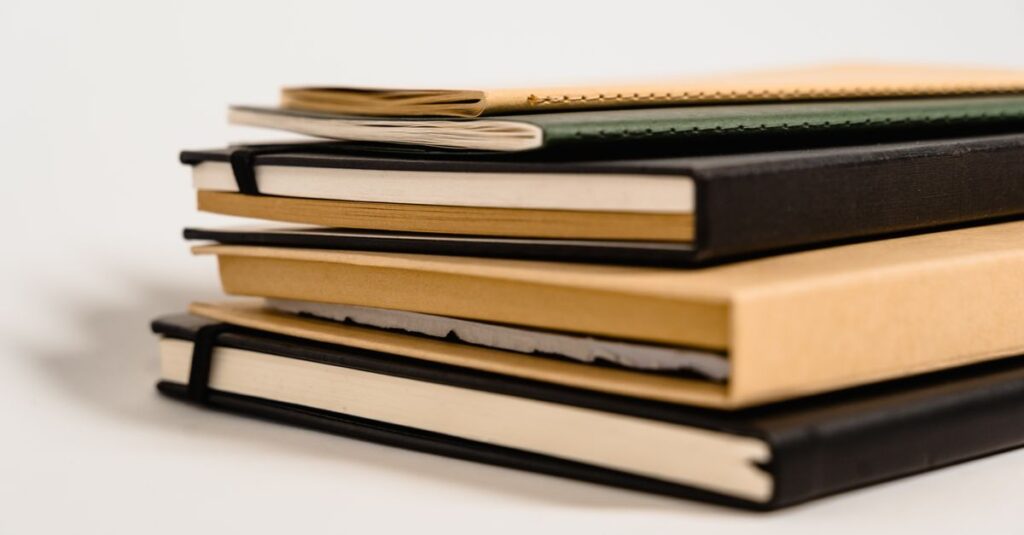
Three main options. Each has its own feel, durability, and cost. And you'd be surprised how many people pick the wrong one because they didn't ask.
Perfect Binding
This is what most paperbacks use. Pages are glued at the spine. Clean, professional look. Downside? If the glue quality is bad, pages fall out. At our factory, we use high-tack adhesives. Not all printers do.
Stitched Binding
Old-school. Thread sewn through the spine. Opens flat, lasts forever. Costlier, but worth it for a keepsake edition. I had a customer who printed family histories — they chose stitched binding every time. Said it felt like something you'd pass down.
Spiral Binding
Not common for trade books, but for workbooks, manuals, cookbooks? It's a game-changer. Lies flat. Easy to flip. Durable. But you won't see it on a bookshelf.
| Binding Type | Best For | Durability | Cost per Unit (bulk) | Opens Flat? |
|---|---|---|---|---|
| Perfect Binding | Novels, paperbacks | Medium (depends on glue) | Low | No |
| Stitched Binding | Premium editions, hardcovers | High | Medium | Yes |
| Spiral Binding | Workbooks, cookbooks | High | Low | Yes |
Pick based on how your readers will use the book. Not just how it looks on Instagram.
Cost vs Quality: Finding the Balance
I get it. Self-publishing is expensive. You've already spent on editing, cover design, maybe marketing. The printing budget is the last thing you want to blow. But here's the thing — cutting costs on printing is the fastest way to make your book look amateur. I'm not saying you need the most expensive option. But there's a floor below which you shouldn't go.
Let me tell you about Ravi. Ravi, 34, freelance writer from Vijayawada. He printed 200 copies of his poetry collection from a fly-by-night online printer. Paid half of what I quoted. The covers curled after a week. Pages yellowed in two months. He came to us for a reprint. Paid twice. That lesson cost him.
Most people don't think about the paper's acidity or the binding's durability until it fails. And then it's too late.
The trick? Order a single proof copy first. Feel it. Then decide.
Customization and Branding for Your Book
If you're self-publishing a book for your business — a client workbook, a lead magnet, a product guide — branding matters. Logo on the cover. Maybe embossing. Foil stamping for that premium look. But even for a personal project, customization adds personality.
What you can customise
- Cover material (paper, cardstock, leatherette)
- Foil stamping (gold, silver, copper)
- Embossing or debossing
- Custom endpapers
- Ribbon bookmarks
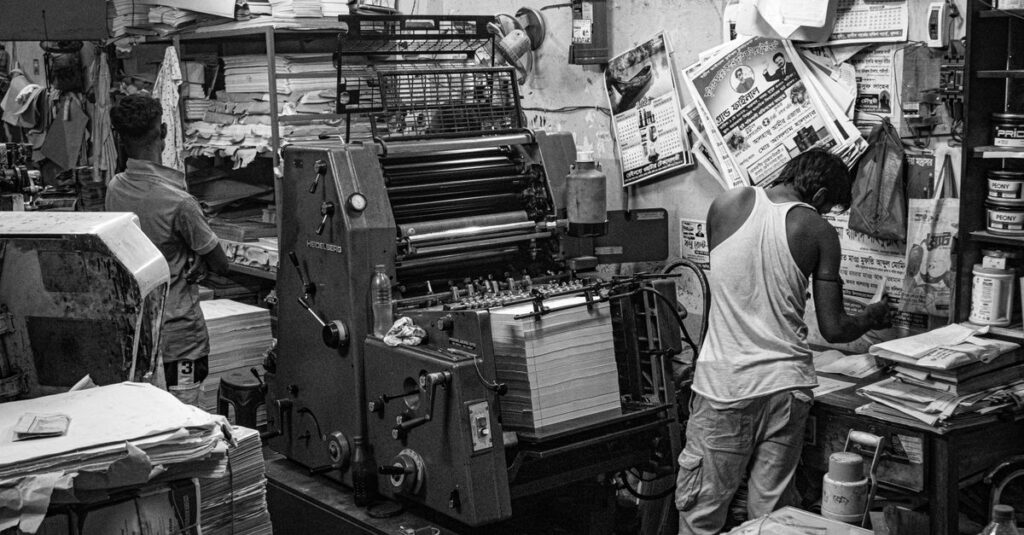
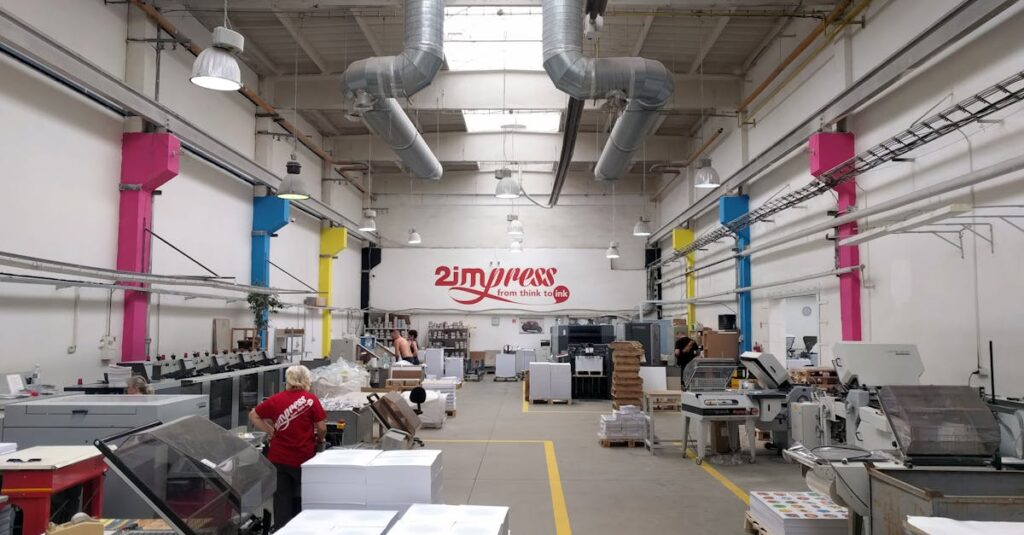
Not all printers offer these. We do. Our printing services cover everything from notebooks to books. And we've been at it since 1985. That's a few decades of knowing what works.
Expert Insight
I was talking to a printer friend last month — he's been in the business longer than me. He said something that stuck: “The first thing a reader notices is the cover. The second thing is the paper. The third thing is whether the spine cracks. Most self-publishers only care about the first.” I think about that a lot. Because he's right. The paper and the binding are silent. But they talk.
Frequently Asked Questions
Frequently Asked Questions
What is the minimum order quantity for self-published books?
It depends on the printer. At Sri Rama Notebooks, we typically require a minimum of 100 copies for perfect binding, and 50 for spiral bound. For small runs, you might pay more per unit. Always ask upfront.
What paper GSM should I use for a novel?
60 to 80 GSM is standard for novels. It keeps the book light and affordable. If you want thicker pages that feel more substantial, go for 100 GSM. Just remember that higher GSM adds weight and cost.
How long does it take to print a self-published book?
Typically 7 to 14 working days for bulk orders, depending on binding type and customization. Rush orders may be possible but cost extra. Always factor in shipping time if you're ordering from overseas.
Can I get a sample before placing a bulk order?
Yes. We recommend ordering a single proof copy. It lets you check paper quality, binding, and color. We charge the production cost plus shipping. Much better than committing to 500 copies and regretting it.
Do you print books with color images?
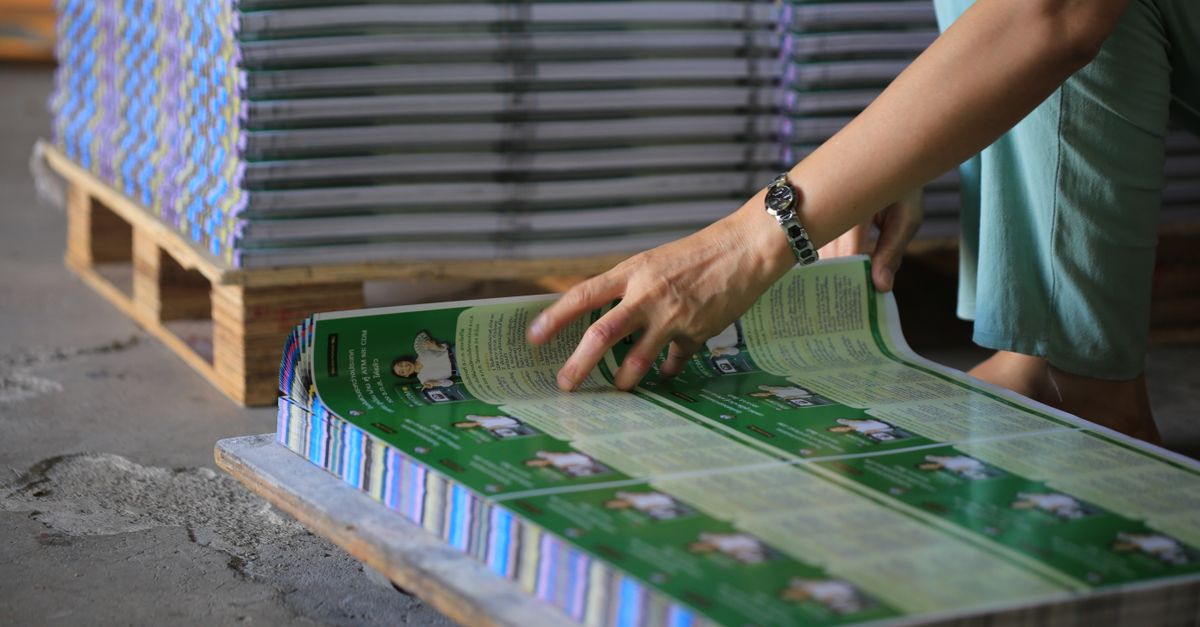
Yes. We offer full-color printing on up to 120 GSM paper. For images, we recommend coated paper for better vibrancy. Cost is higher than black-and-white, but the result is worth it for photo books or children's books.
Conclusion
I don't think there's one perfect printer for every self-publisher. It depends on your budget, your audience, and how much you care about the feel of the page. But if you've made it this far, you already know that. The best advice I can give: don't rush the printing decision. Get a sample. Ask questions. Hold the book in your hands before you commit to a thousand copies. That's the only way to know. If you want to talk options, Sri Rama Notebooks has been doing this since 1985. We've seen enough to help you decide.