You open Google. Type 'book printing shop near me'. And you get a list. A long list. But how many of those shops can actually handle a bulk order? How many know the difference between 60 GSM and 80 GSM paper? That's the real problem. You're not just looking for a location — you're looking for expertise.
I've seen this happen more times than I can count. A school principal orders notebooks from the shop down the road. The paper is thin. The binding falls apart. The logo is smudged. He ends up calling us, frustrated, wishing he'd done more research upfront.
So when you search for a book printing shop near me, stop thinking about distance. Start thinking about capability. That's why many people eventually find their way to Sri Rama Notebooks.
Why 'Near Me' Isn't Enough – What Actually Matters
Look, I get it. Proximity is nice. You want a shop that's close so you can drop by, check proofs, pick up quickly. That makes sense. But here's the thing — a local shop might not have the machinery for big orders. Or the right paper. Or the experience. I've seen people regret choosing convenience over competence.
Convenience isn't everything. A printer five minutes away might be great for photocopies. But for printed notebooks, you need something else.
Distance is about time. Quality is about trust.
Three things matter most: paper quality, binding strength, and turnaround reliability. If a shop can't show you samples of similar work, walk away.
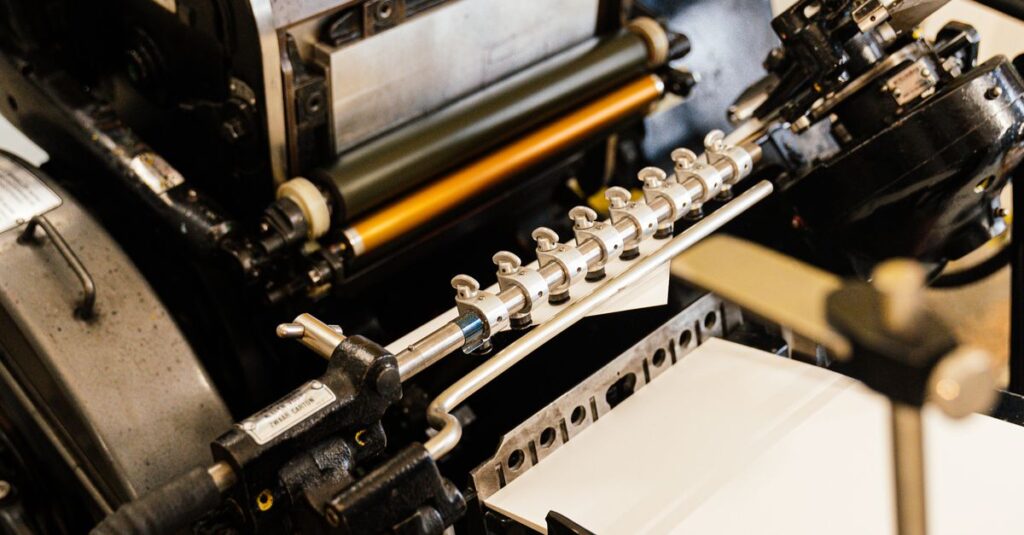
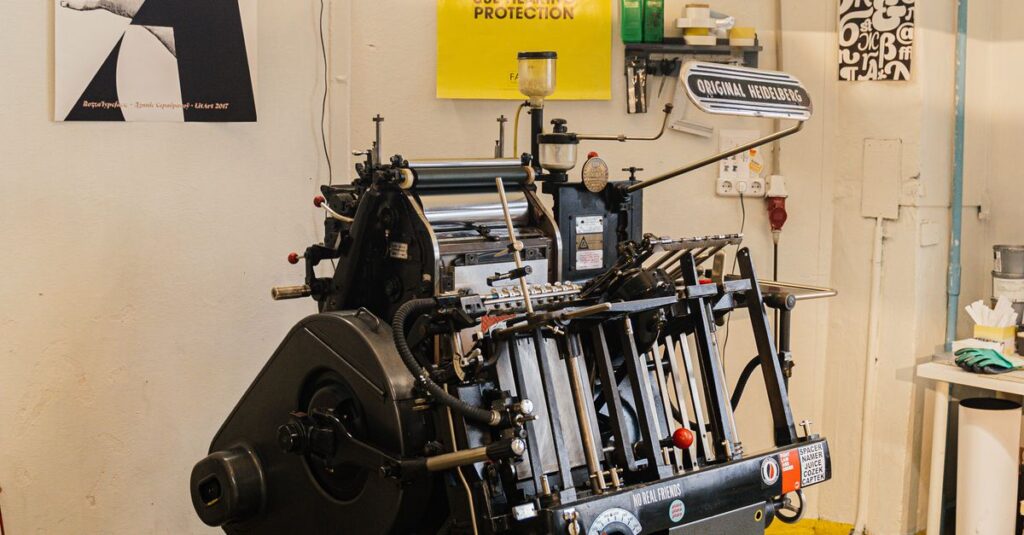
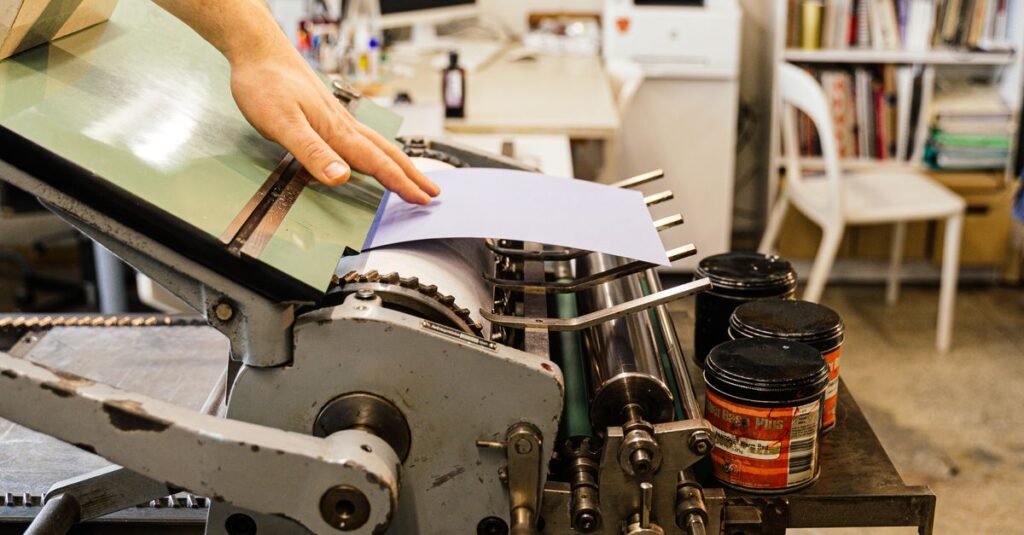
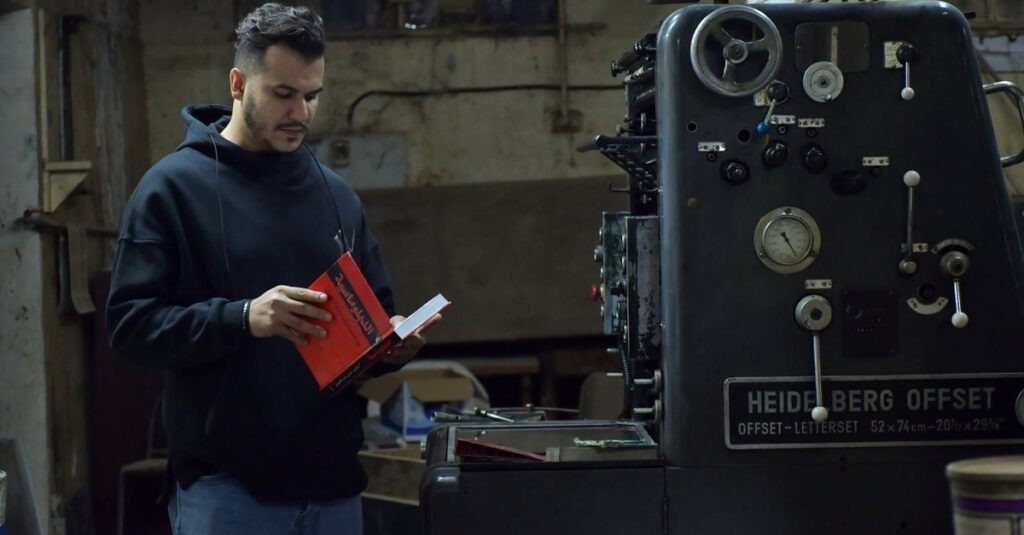
- Check what machines they run – offset or digital? Offset is essential for bulk.
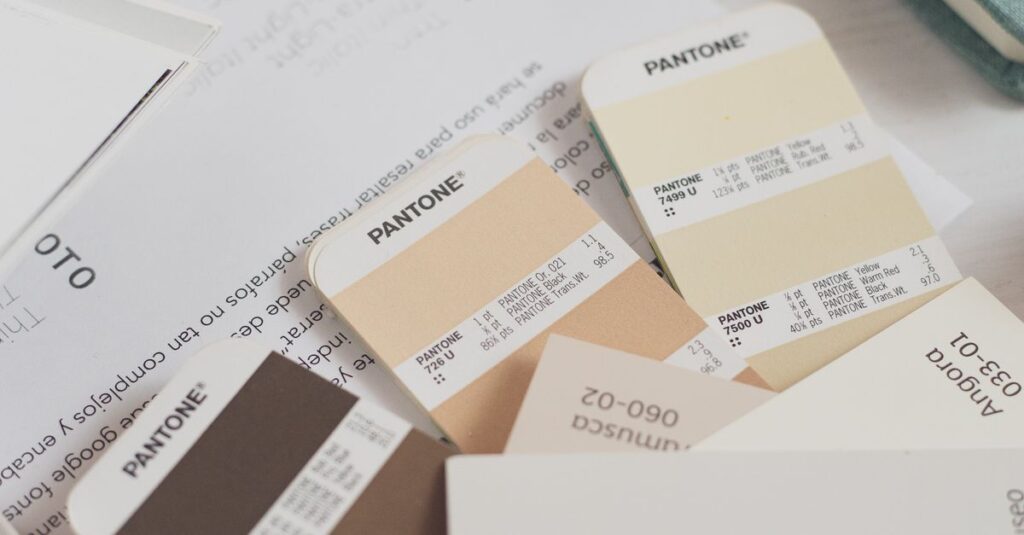
- Ask about their paper supplier and GSM options. Do they stock 60, 70, 80 GSM?
- See samples of jobs like yours – not just pretty business cards.
- Confirm they can handle your volume without pushing your deadline.
Think about it: a print shop with old equipment can't match the consistency of modern presses. Paper quality varies batch to batch. And if they don't stock the GSM you need, they may substitute without telling you. That's why you need to be pushy with questions.
Actually, I'll go further. Some of the best printers I know are not even in the same city as their clients. They ship nationwide. Because once you trust the quality, distance becomes irrelevant.
Local Print Shop vs Notebook Manufacturer: The Real Difference
Here's something most people don't realise: many so-called print shops are just resellers. They take your order and send it to a larger printer, marking up the price. You're paying extra for a middleman. A manufacturer does everything in-house.
The table below shows what separates a typical local print shop from a manufacturer like Sri Rama Notebooks. I've worked with both, and the gap is wider than most people realise.
| Aspect | Local Print Shop | Notebook Manufacturer |
|---|---|---|
| Printing Capacity | Limited, often small runs | High volume – 30,000-40,000 per day |
| Paper Quality | May use standard or variable paper | Controlled sourcing, multiple GSM choices |
| Customisation | Basic options only | Full custom – size, ruling, cover, logo, binding |
| Binding Types | Often staple or spiral | Stitched, spiral, perfect binding |
| Pricing for Bulk | Higher per unit | Competitive bulk pricing |
| Experience | Varies widely | 40+ years in the industry |
Notice the difference? A manufacturer controls the entire process — paper, printing, binding, packaging. That means consistent quality and lower costs for bulk orders. It also means they can customise every detail, something a general print shop often struggles with.
The table above — well, it's not entirely fair to lump all local shops together. Some are excellent. But when you need consistency across thousands of notebooks, a manufacturer has the infrastructure. That's why for bulk, custom jobs, working with a manufacturer saves you from the guesswork. I've had clients tell me they saved 30% just by switching to a manufacturer.
What to Look For in a Book Printing Shop Near Me
The biggest mistake people make is not asking enough questions. They assume printing is printing. It's not. The variables are huge.
Let me tell you about a conversation I had recently. Arun. 42. Runs tuition centres in Kakinada. He ordered 2,000 notebooks from a shop 'near him'. The covers peeled within a week. He called me, frustrated. He said, "I should have asked more questions." I hear this all the time.
So here's what you need to check before placing an order:
- Paper GSM: 60 GSM minimum for notebooks. 70 or 80 for better quality and durability.
- Cover material: Look for 250 GSM cover or thicker. A flimsy cover won't last a term.
- Binding type: Stitched binding is strongest. Spiral is convenient but can snag over time.
- Printing method: Offset for large runs – sharper and consistent. Digital for small batches – faster but higher per-unit cost.
- Turnaround time: Get a delivery date in writing. Don't rely on verbal promises.
- Proofing: Ask if they provide a physical proof before the full run. It catches errors early.
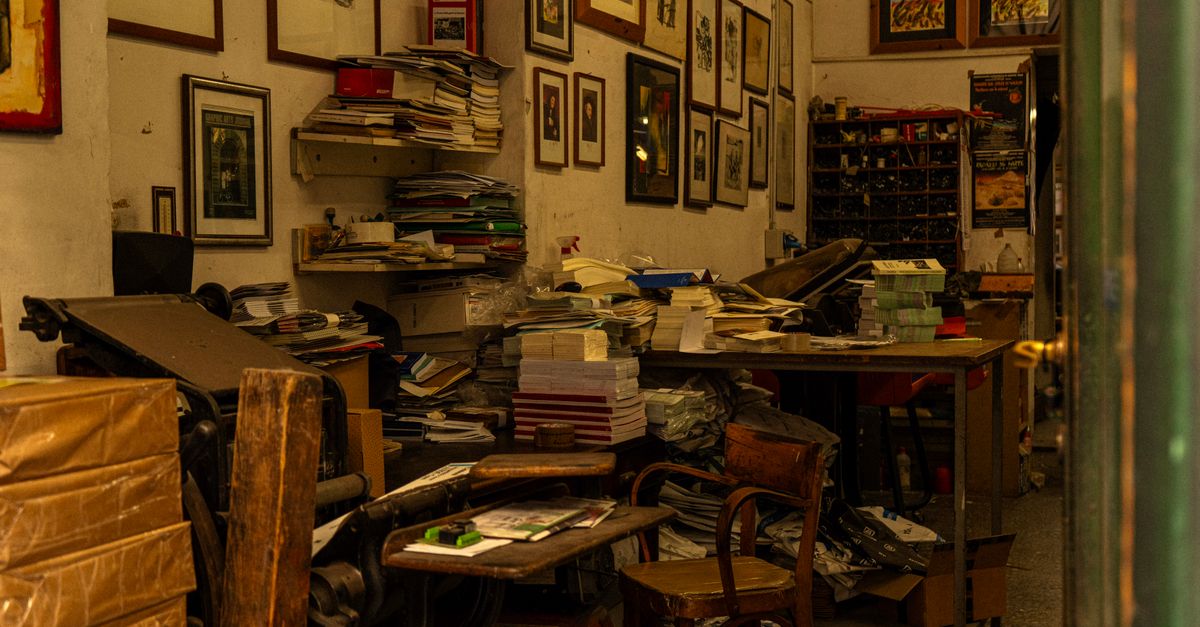
One more thing — make sure the shop is transparent about what they can't do. If they say yes to everything but can't show you similar work, be suspicious. A five-minute visit can tell you more than an hour of phone calls. If the workshop is chaotic, chances are the work will be too.
The Hidden Costs of a Bad Print Job
Most people only think about the upfront cost. They don't account for what happens when the print is wrong. Returns, reprints, delayed deliveries. Those costs add up quickly.
Expert Insight
I remember sitting with an old printer in Rajahmundry. He'd been in the business since the 70s. He told me, 'Printing is a forgiving craft until it's not. One bad batch and you've lost your profit.' He wasn't talking about big mistakes. Just small ones – paper moisture, misalignment, inconsistent ink. Things you don't notice until you're holding the final product. That stuck with me.
That old printer was right. Inconsistent ink, paper that absorbs too much, covers that curl — these are not design choices. They are quality failures. And once the product is delivered, it's too late. You either use them or discard them. Either way, you've already paid.
A bad print job affects your brand. If you're a school or business, your notebooks represent you. Thin paper, blurry logos, weak binding – people notice. In the long run, paying a little more for quality printing is cheaper. Because you avoid the cost of reprints, returns, and lost trust.
Anyway. That's a tangent. Point is: save yourself the trouble by choosing the right printer from the start.
How to Get It Right the First Time
You don't need to become a printing expert. But a little knowledge goes a long way.
- Be specific about your specs – size, page count, ruling, binding. Vague specs lead to vague results.
- Request a sample before the full run. I know skipping the sample saves time. But it saves time now to lose time later when you reject the whole batch.
- Ask about proofing – do they show you a physical proof? Digital proofs lie.
- Get everything in writing – quantities, specs, delivery date, payment terms.
- Consider a manufacturer directly for large orders – check out our printing services for example – it's often cheaper and more reliable.
- Build a relationship with a reliable supplier. They'll prioritise your repeat orders.
I know it's tempting to go with the cheapest quote. But cheap often means compromises. A printer who quotes too low is either cutting corners or underestimating the job. Both are bad news.
THIS IS WHERE MOST PEOPLE GO WRONG. They assume all printers are the same. They're not. The difference shows on paper.
But maybe that's just me.
Frequently Asked Questions
How do I find a reliable book printing shop near me?
Start with online reviews, but don't stop there. Contact the shop and ask for samples of similar work. Check their equipment and ask about their experience. A shop that prints notebooks regularly will have better insights than a general print shop.
What questions should I ask before ordering bulk notebooks?
Ask about paper GSM, binding types, printing method (offset or digital), turnaround time, and proofing. Also ask about their rush order policy and minimum order quantities. Always get a written quote with all charges.
Can I get custom-sized notebooks from a print shop near me?
Some local shops can do custom sizes, but it often costs more. A notebook manufacturer like Sri Rama Notebooks offers standard and custom sizes in daily production, which is usually faster and cheaper for bulk orders.
How long does it take to print and deliver bulk notebooks?
It depends on the quantity and complexity. For a few hundred, 5-7 days. For thousands, 2-4 weeks. Rush orders might be available at extra cost. Confirm the timeline before you commit.
Is it cheaper to use a local print shop or a manufacturer?
For small quantities, a local shop may be cheaper. For bulk orders, a manufacturer almost always wins on price and consistency. Manufacturers control the entire process and can pass savings to you.
So next time you type 'book printing shop near me', keep this in mind: proximity is just one factor. Real quality comes from experience, equipment, and attention to detail. I don't have a simple answer. But if you've been burned before, maybe it's time to talk to someone who's been doing this since 1985.
Check out Sri Rama Notebooks – we've been printing notebooks for decades. Might save you a headache or two.