Why Book Publishing Prices Feel Like a Moving Target
If you've ever tried to get a straight answer on book publishing prices, you know it's not that simple. One quote says Rs 50 per copy. Another says Rs 200. Same book. Different printers. And nobody explains why.
I've been in this industry long enough to know that the number on the quote sheet doesn't tell the whole story. It's paper. It's binding. It's the number of copies. It's the colour inside. It's a dozen little things nobody mentions until you're already confused.
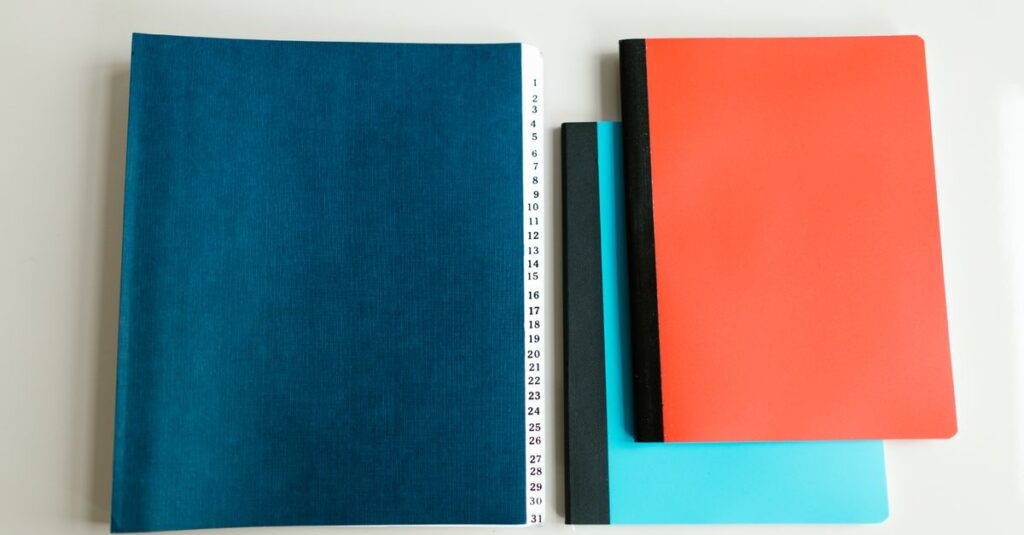
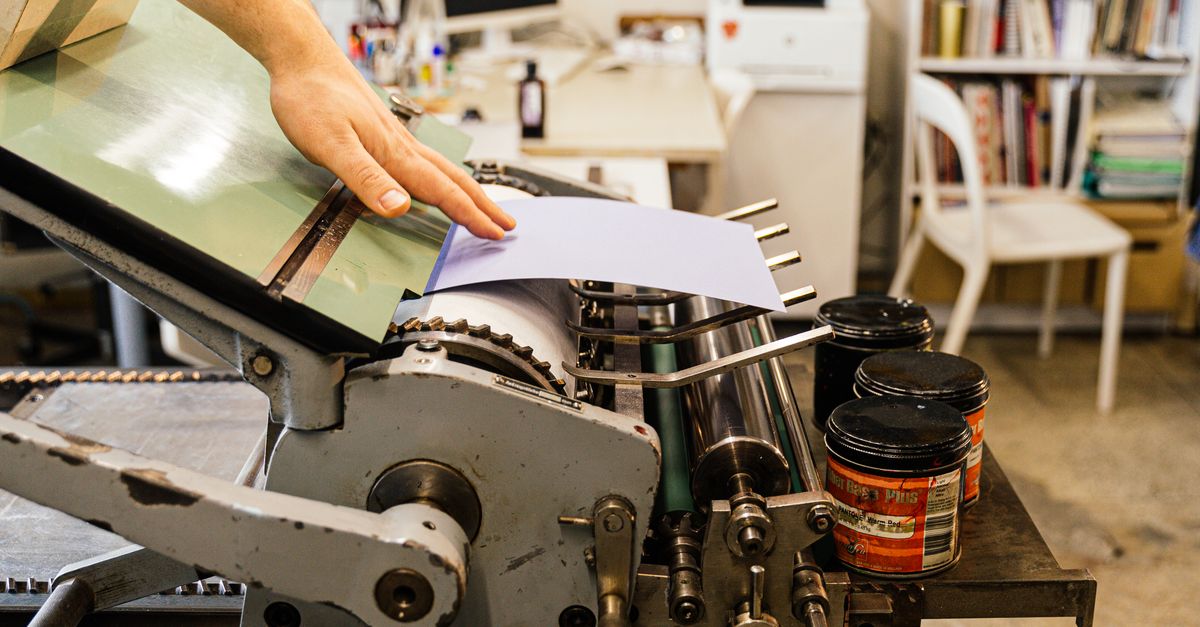
So let me walk you through what actually drives book publishing prices — not from a textbook, but from what I've seen on the factory floor. We make notebooks and diaries at Sri Rama Notebooks, but the process is identical to book printing. Paper, stitching, covers, quantity. It all adds up the same way.
Paper: The Hidden Expense That Changes Everything
Paper is the biggest chunk of your cost. But not all paper is the same. You can get 50 GSM writing paper, or 80 GSM offset, or 100 GSM art paper. The difference in price? Significant. And most people don't realise it until after they've approved the sample.
Here's the thing — paper weight (GSM) isn't the only factor. It's the type of paper: uncoated, coated, recycled, cream, white. Each changes the feel of the book. Each changes the cost.
- 50–60 GSM — cheap, thin, works for notebooks, not for colour books
- 70–80 GSM — standard for most novels and textbooks
- 100+ GSM — glossy, heavy, used for art books and premium editions
I remember a client once asked why their quote jumped 30% when they switched from 60 GSM to 80 GSM. They thought it was a small change. It wasn't. The paper mill charges more, and the shipping weight doubles. That's the kind of cost that creeps up on you.
One more thing: paper waste. Every print run has waste — set up sheets, test runs. A good printer accounts for it. A bad one hides it in the per-unit price. (I'll talk about this later, but it matters.)
Real-Life Micro-Story
Rajesh, 34, runs a small publishing house in Vijayawada. He was ordering 500 copies of a poetry collection. The printer quoted Rs 85 per copy. Paper was 70 GSM. Rajesh asked for 100 GSM — thought it would feel more premium. The new quote: Rs 145 per copy. He couldn't afford it. So he settled for 80 GSM cream paper. The book looked fine. But he still wonders if the thicker paper would have sold more copies. He'll never know.
Binding: Stitch, Spiral, or Perfect — Each Has a Price Tag
Binding changes everything. Not just the durability — the cost per unit can vary by 20–40% depending on the method. And buyers often pick the cheapest option without realising how it affects the final product.
| Binding Type | Cost per unit (approx) | Durability | Best for |
|---|---|---|---|
| Perfect binding | Low to medium | Moderate (pages can fall out over time) | Novels, paperbacks, annual reports |
| Stitched binding | Medium | High (pages stay in) | Notebooks, school books, heavy-use books |
| Spiral binding | Medium to high | Very high (lays flat) | Manuals, cookbooks, workbooks |
I had a customer last year who insisted on perfect binding because it was cheaper. He printed 2000 copies. Within six months, pages started popping out. He ended up reprinting with stitched binding. Spent more in the end. Book publishing prices aren't just about the upfront cost — they're about the lifecycle cost.
If you're printing a book that will be used frequently — say a textbook or a reference guide — don't cheap out on binding. Stitched or spiral will cost a bit more but last years longer.
Expert Insight
I was talking to an old printer in Rajahmundry a few months ago. He told me something I keep thinking about. He said: 'The binding is the backbone of the book. But nobody wants to pay for the backbone.' He meant it literally. So many clients ask for perfect binding to save Rs 5 per copy. And then they complain when the book falls apart. I don't have a neat answer for that.
Quantity: Why Printing 500 Copies Costs More Per Book Than 5000
This is the part that confuses most people. You think: '500 copies at Rs 100 each.' But when you ask for 5000, the price drops to Rs 60. How does that work? It's about fixed costs — setup, plate making, machine time. Those costs are spread across more copies. So the more you print, the cheaper each copy gets.
But there's a catch. You have to store 5000 copies. And sell them. Most small publishers overprint because the per-unit price is tempting, then end up with boxes of unsold books in their garage. Book publishing prices need to include warehouse costs — even if that warehouse is your spare room.
A trick I've seen work: print a small batch first (500–1000) to test the market, then reprint larger quantities. The per-unit cost is higher initially, but you don't waste money on books nobody buys.
Hidden Costs That Publishers Forget to Budget For
Printing is only part of the story. There are costs that don't appear on the printer's invoice but still eat your budget.
- Proofing and corrections: Most printers charge extra if you need more than one proof. And you will need more than one.
- Shipping and packaging: Books are heavy. Freight can add 10–20% to your total cost, especially for intercity or export.
- Design and typesetting: Unless you do it yourself, budget Rs 5000–20,000.
- ISBN and legal fees: Small but real. Around Rs 1000–2000.
I once worked with a school that ordered 10,000 notebooks. They forgot to include the cost of shrink-wrapping each stack. That added Rs 15,000 to the final bill. They were not happy. But that's on them, honestly. The printer should have mentioned it, but also — ask the right questions.
Frequently Asked Questions
What is the average cost to publish a book in India?
It varies widely, but for a standard 200-page paperback with a print run of 500 copies, expect Rs 80–150 per copy. Book publishing prices depend on paper, binding, and quantity.
Why do printing quotes differ so much between printers?
Different printers have different overheads, machines, and paper suppliers. Some include design charges, some don't. Always ask for a detailed breakdown before comparing.
Is it cheaper to print in bulk?
Yes, because fixed costs are spread across more units. But only print what you can sell. Unsold books cost storage space and tie up capital.
Does page count affect book publishing prices a lot?
Yes. More pages = more paper, more binding time, higher weight. A 300-page book can cost 40% more than a 150-page one, all else equal.
Can I negotiate with printers on price?
You can always ask, but be fair. If you're ordering a small quantity, margins are thin. Offer to pay early or order regularly — that gives you real leverage.
Conclusion: The Only Thing I'm Sure About
Book publishing prices are not a mystery — they're a sum of very ordinary choices. Paper, binding, quantity, hidden extras. The mistake most people make is focusing only on the per-unit cost. But the real question is: what do you actually need? And what are you willing to compromise on?
I don't think there's one right answer. Probably there isn't. But if you've read this far, you already know that the cheapest quote isn't always the best deal. If you want someone to talk through your print job — whether it's a book or a notebook — I know a place. Sri Rama Notebooks has been doing this since 1985. We don't hide costs. We explain them.