


Let's Talk About Paper. Not the Fancy Kind.
I'll be honest — most people don't think about paper until they get a bad batch. Bleeding ink? Ghosting? Pages that feel like sandpaper? Yeah. That's when they start asking questions. And the question is almost always about book printing paper.
Not the surface kind. Not the glossy brochure stuff. The real paper — the kind you write on, print on, bind into notebooks. The stuff that sits under a student's hand for a whole year, or a corporate diary that gets carried everywhere.
I've been around this stuff since 1985. Our family runs Sri Rama Notebooks in Rajahmundry, India. We print and bind about 30,000 notebooks a day. So I've seen what works and what absolutely does not.
Let me walk you through what book printing paper actually is — and what you should look for when ordering in bulk.
What Exactly Is Book Printing Paper?
Book printing paper is just paper meant for books. But that's like saying a pizza is just bread and cheese. The details matter.
This paper is usually uncoated — meaning it absorbs ink instead of sitting on top. That's good for reading. Less glare. Better feel. It comes in different weights (GSM), shades (off-white, cream, bright white), and finishes (smooth, slightly textured).
For notebooks, the most common book printing paper is around 54 GSM to 70 GSM. Thinner, yes. But durable enough for daily writing. You don't need thick cardstock inside a notebook. You need paper that takes ink cleanly, doesn't feather, and doesn't ghost.
Most bulk buyers make the mistake of chasing GSM numbers. They think higher GSM equals better quality. Not always. A 70 GSM paper with bad fiber distribution will ghost more than a 54 GSM well-made sheet. It's about the manufacturing, not just the weight.
Here's a quick list of what affects paper performance:
- Pulp quality — wood pulp vs recycled content
- Calendering — how smooth the surface is
- Internal sizing — how well it resists ink penetration
- Ash content — affects opacity and stiffness
- Moisture control — too dry, it curls; too wet, it wrinkles
GSM: The Number That Everyone Misunderstands
GSM stands for grams per square meter. It's a measure of weight, not thickness. A 70 GSM paper might be thicker than a 75 GSM paper if the fibers are different. I know, confusing.
For notebooks, the sweet spot is between 52 and 70 GSM. Let me be specific:
| GSM Range | Best for | What to Watch Out For |
|---|---|---|
| 50–55 GSM | School notebooks, account books | Thin, but fine for writing if sized well |
| 56–65 GSM | Standard notebooks, diaries | Good balance of weight and opacity |
| 66–75 GSM | Premium diaries, art notebooks | More expensive; may be overkill for daily use |
| 80+ GSM | Sketchbooks, special editions | Heavy, not necessary for writing |
If you're ordering 10,000 notebooks, the GSM choice affects your cost a lot. Each gram per square meter adds up across thousands of sheets. So don't blindly ask for 80 GSM. Think about what you actually need.
Offset vs Digital: Two Different Worlds for Book Printing Paper
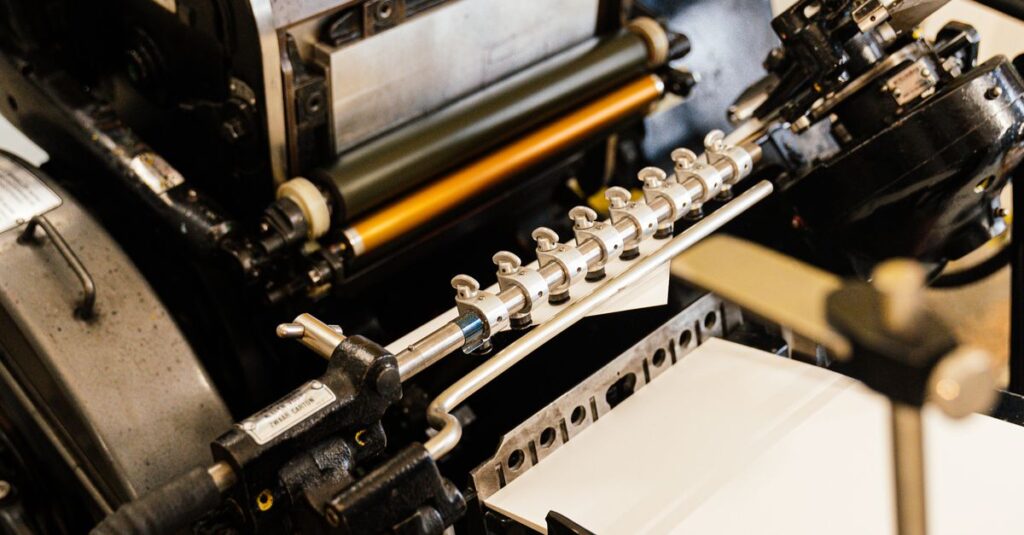
Here's something that trips up a lot of procurement managers. The type of printing machine determines what paper works. Offset presses need paper with controlled moisture and surface strength. Digital printers need paper that handles toner or liquid ink without curling.
Most notebooks are printed offset — it's cheaper for large runs. The book printing paper for offset has to have a certain pH and surface sizing to take the ink without smudging. Digital paper is usually smoother and treated differently.
At our factory, we use offset paper for notebook interiors. It holds up better under the printing press and gives a more consistent result. But if you're printing a small batch of custom diaries, digital might make sense — you can print on demand, no plates needed.
I once had a customer — let me call him Ravi, 38, from Hyderabad — who runs a chain of stationery stores. He ordered 5,000 notebooks with a custom logo. He insisted on 80 GSM paper because he saw it online. The paper was too thick for the stitched binding. The notebooks couldn't lay flat. He had to take a loss.
The lesson? Paper choice affects binding, not just writing feel. Always tell your manufacturer what type of binding you're using before finalizing the paper.
Expert Insight: What I Wish Every Buyer Understood
I remember sitting with an old paper supplier in Rajahmundry about ten years ago. He pointed at a stack of 54 GSM sheets and said, “This paper has been made the same way for forty years. And it still works better than half the new fancy stuff.”
He was right. The basics matter more than the marketing. Good book printing paper isn't about the highest GSM or the brightest white. It's about consistency across the whole ream. If one batch is slightly off, your entire print run looks patchy.
Nine times out of ten, problems come from paper that wasn't stored properly — moisture, temperature changes, sitting in a warehouse for months. So when you order bulk, ask the supplier how the paper is stored. That alone can save you headaches.
I don't have a science paper to cite here. Just thirty-seven years of watching paper misbehave. Trust me, the storage part is real.
How to Talk to Your Paper Supplier (So You Actually Get What You Need)
If you're a procurement manager or a school owner ordering notebooks, here's my advice on what to tell the manufacturer:
- Be clear about the end use — school writing, corporate gifting, or printing heavy markers? Different needs.
- Ask for a sample sheet before the full order. Test it with the pen you'll actually use.
- Specify the binding type — stitched, spiral, perfect. Paper weight affects how well the binding holds.
- Mention the printing method — offset or digital. The paper sizing must match.
- Don't forget the shade — cream is easier on eyes, white makes colors pop.
Most manufacturers, including us at Sri Rama Notebooks, will help you choose the right book printing paper if you give them these details. We've supplied millions of notebooks using the same paper stock because it works. We don't chase trends. We chase reliability.
Frequently Asked Questions
What GSM book printing paper is best for school notebooks?
For school notebooks, 54 GSM to 60 GSM is standard. It's thin but durable enough for daily writing. Higher GSM isn't always better — the paper quality and sizing matter more than the number.
Can I use book printing paper in a digital printer?
It depends on the paper. Many book printing papers are made for offset presses. Digital printers need paper with specific moisture and surface treatment. Check with your printer before buying in bulk.
What is the difference between book printing paper and copy paper?
Copy paper is designed for office printers — it's often lighter and has more cut. Book printing paper is meant for longer print runs, with better opacity and a softer feel. Notebooks use book paper, not copy paper.
How much does book printing paper add to the cost of a notebook?
Paper accounts for roughly 40–60% of the total material cost in a notebook. Thicker paper (higher GSM) increases weight and shipping cost. For bulk orders, even a 5 GSM difference can change the budget significantly.
Why does book printing paper sometimes ghost or bleed through?
Ghosting happens when the paper isn't heavy enough or the fibers are too loose. Bleeding occurs if ink lands on the surface and seeps through. Good paper has proper internal sizing and fiber density to prevent both. Always test a sample first.
Closing Thoughts
Look, I don't think there's a single perfect book printing paper for everyone. What works for a school notebook in Andhra might not work for a corporate diary going to Dubai. The point is to understand what you're buying and why.
If you're still unsure, pick the phone up. Talk to someone who makes notebooks every day. We've been doing this since 1985 — we've seen it all. Maybe we can help you figure out exactly what paper you need. No pressure. Just honest advice.
Get in touch: Sri Rama Notebooks