Why Booklet Print Sizes Matter More Than You Think
You'd think choosing a size for a booklet would be the easy part. It's not. I've seen people lose days — actual days — trying to figure out if their booklet needs to be A5 or A4, or something in between. And the worst part? They end up with something that doesn't fit their content, their budget, or their customer's hands.
Here's the truth — getting your booklet print sizes wrong is expensive. Not just in wasted paper, but in the way your product feels. Too big and it looks clumsy. Too small and nobody takes it seriously.
I work at Sri Rama Notebooks, where we've been making notebooks, diaries, and booklets for over 40 years. And I can tell you — the size question comes up more than almost anything else. So let's talk about it.
What Exactly Are Booklet Print Sizes?
Let's keep this simple. A booklet print size refers to the finished dimensions of a bound document — smaller than a magazine, bigger than a business card. Usually between 14cm and 30cm on the longest side. The size you choose affects everything: how much content fits, how portable it is, and yes — how much it costs to print and bind.
Standard Booklet Print Sizes You Should Know
- A5 (148 x 210 mm) – The most common. Good for small catalogs, instruction manuals, event programs. Fits in a pocket or bag.
- A4 (210 x 297 mm) – Standard letter-size. For training materials, product guides, school booklets.
- DL (99 x 210 mm) – Thin, tall. Used for brochures, price lists, fold-out booklets.
- Square (210 x 210 mm) – For photo books, art portfolios, high-end corporate booklets.
- Custom sizes – Anything you want. But it costs more.
Which Booklet Size Actually Works for What?
I had a conversation with Priya, 41, a procurement manager from Hyderabad. She was ordering training booklets for a bank — 10,000 units. She wanted something that looked professional but wasn't bulky. First thought? A4. Standard. Safe. Wrong.
She didn't realize that A4 booklets with 60+ pages get heavy. They don't open flat unless you use spiral binding. And they don't fit in the side pockets of the bank's standard briefcases. One batch arrived before she switched to A5 — and it sat in the warehouse for months. Nobody used them.
So here's a breakdown of what size fits which use case:
| Booklet Size | Best For | Page Count (Typical) | Binding That Works |
|---|---|---|---|
| A5 (148 x 210 mm) | Catalogs, handbooks, education booklets | 20–64 pages | Saddle stitch or perfect bound |
| A4 (210 x 297 mm) | Training manuals, school booklets, reports | 8–200 pages | Spiral or stitched |
| DL (99 x 210 mm) | Brochures, price lists, fold-out menus | 8–16 pages | Saddle stitch or folded |
| Square (210 x 210 mm) | Photo books, portfolios, premium branding | 20–100 pages | Perfect bound or spiral |
| Custom size | Unique packaging, branding, gifts | Variable | Dependent on size |
Expert Insight
I remember a customer from three years ago — a school chain in Vijayawada. They ordered 50,000 booklets for a new curriculum. The designer chose a custom size because it “looked better” on screen. Real problem: the paper cutting machine had to be reset, we had to order special-sized covers, and the shipping boxes didn't stack right. It added two weeks to delivery. The school was furious. I think about that every time someone wants a non-standard size. Sometimes it's worth it. Often, it's just a headache.
How to Choose the Right Booklet Size Without Losing Your Mind
Look, I'll be direct. Most people overthink this. You don't need a dozen options. You need to answer three questions:
- How will it be used? Handed out? Mailed? Placed on a shelf?
- How much content? Count the pages roughly before you decide the size.
- Ignoring the binding width. A perfect bound booklet needs a proper spine. If you design a cover without accounting for the spine width, the text gets cut off. I've seen whole batches ruined this way.
- Choosing a size for the wrong audience. High-end corporate clients hate flimsy small booklets. School kids hate large, heavy ones. Know your reader.
- Forgetting about shipping. Standard A5 fits neatly into standard boxes. Square booklets? They need custom packaging, which costs more and takes longer.
And honestly? Most of the time, A5 is the answer. It's portable, professional, and cost-effective. But if you're doing a training manual with huge diagrams — go A4. If it's a pocket guide — go DL. Don't make it harder than it is.
One more thing: always consider the paper weight. A 64-page A5 booklet on 80 GSM paper feels different from one on 100 GSM. The heavier paper makes it thicker — which changes the spine width, which changes the printing setup. It matters.
If you're ordering in bulk — and I mean hundreds or thousands — start with a standard size. Then confirm with the printer before you finalize anything.
Common Mistakes When Choosing Booklet Print Sizes
I've seen enough orders to know the usual traps. Here are the big ones:
There's another one I come across — people assume all printers offer the same sizes. That's not true. Some shops have limited cutting capacity. Others don't have perfect binding for certain dimensions. Always check the manufacturer's capabilities before you lock in your design.
Frequently Asked Questions
What is the most common booklet print size?
A5 (148 x 210 mm) is the most common. It's versatile, fits standard printing presses, and is cost-effective for bulk orders. Most catalogs, instruction booklets, and school materials use this size.
Can I order custom booklet print sizes?
Yes, custom sizes are possible. But they cost more because the paper needs special cutting, and binding may need adjustments. For bulk orders, standard sizes like A5 or A4 are always more affordable and faster to produce.
How does booklet size affect the binding type?
Thinner booklets (under 20 pages) work well with saddle stitching. Thicker ones (over 60 pages) need spiral or perfect binding. A5 and smaller sizes can use saddle stitch. A4 and larger sizes often need sturdier binding to lie flat.
What is the difference between A5 and A4 booklet sizes?
A4 is double the size of A5. A5 measures 148 x 210 mm — portable, good for handbooks. A4 measures 210 x 297 mm — better for training manuals and reports where you need larger text or diagrams.
How many pages fit in an A5 booklet?
Typically 16 to 64 pages, depending on the binding. A5 saddle-stitched booklets hold up to about 40 pages. A5 perfect bound booklets can hold up to 100 pages or more if thin paper is used.
So here's where I land on this. Picking the right booklet size isn't complicated — but it's not automatic either. You have to think about who's going to hold it, what they'll do with it, and how many you actually need. I don't think there's a single perfect answer for everyone. But if you start with the standard sizes, ask the right questions, and talk to someone who actually makes these things — you'll get it right. Probably. At least more right than guessing. If you want to talk through your specific project, reach out to us at Sri Rama Notebooks. We've been doing this since 1985. We know what works.
Related Posts
Custom Book Printing: What You Need to Know Before Ordering
Creating a Book: What Goes Into Making a Notebook
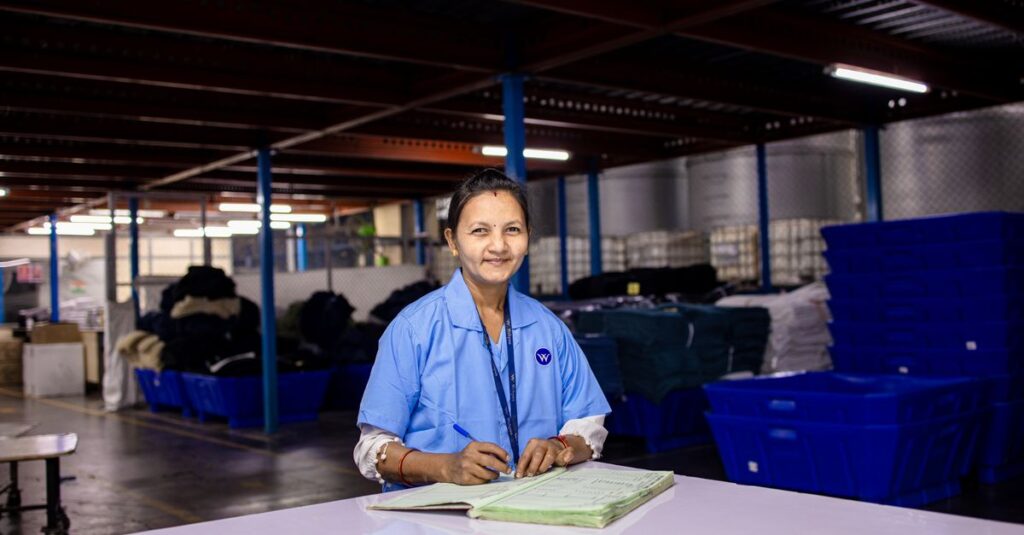
Can Someone Else Create My Book for Me? Here's the Truth

How to Create a Notebook: The Complete Process Explained
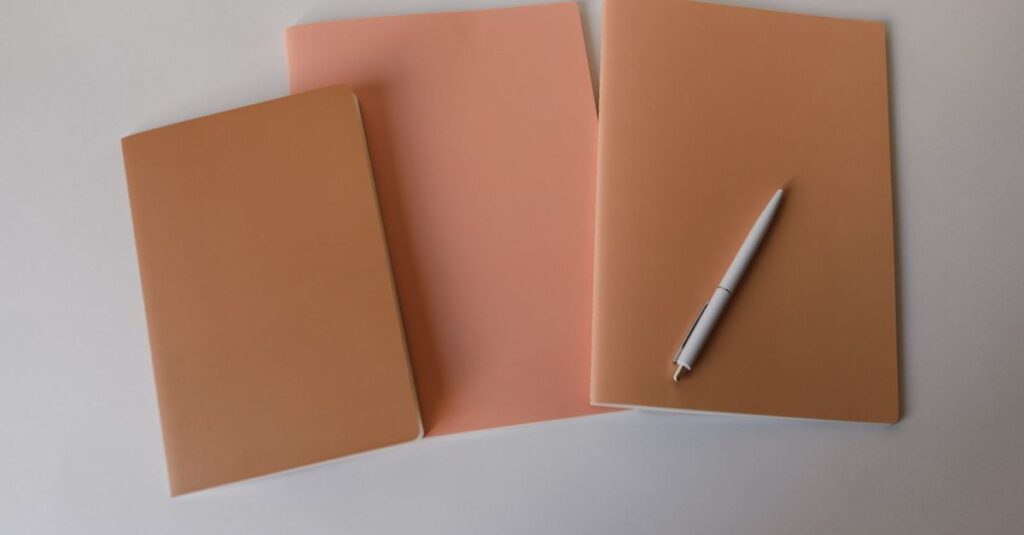
What Is Covering Paper? A Guide for Notebook Buyers
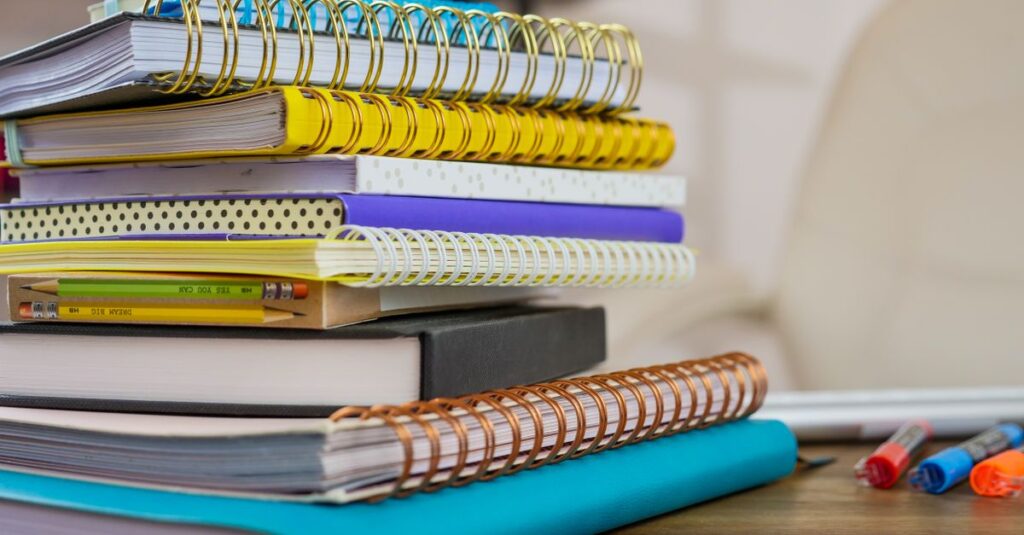
Cover Binding: What Bulk Buyers Need to Know

Cost of Certificate Printing: What Buyers Should Know
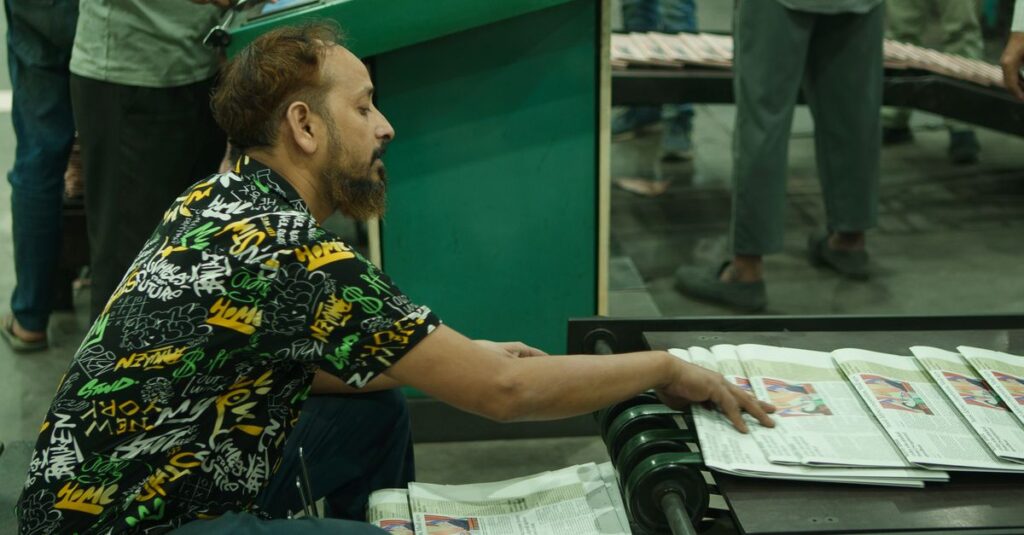
Copy Print Store Near Me: What to Look for Before You Order
What Does Copy Price Mean? A Straight Guide
Why ‘Copy Centers Near Me’ Isn’t the Answer for Bulk Notebooks
Copy and Printing Near Me: What Bulk Buyers Should Know