Why Cover Binding Matters More Than You Think
You're ordering notebooks in bulk. Maybe 5,000 units. Maybe 50,000. The paper quality is sorted. The ruling type is decided. Then someone asks: what kind of cover binding do you want?
And honestly? Most people guess. They pick what they've seen before. And that's a risk I've seen backfire more times than I can count.
Cover binding isn't just about holding pages together. It's about how long the notebook lasts. How it opens. How it feels in someone's hand. And if you're supplying to schools, corporate clients, or retail — you need to get this right.
I've been in this industry since the late 90s. I've watched buyers spend weeks on cover design and five minutes on binding. Then they wonder why returns pile up. That's why I put this guide together. If you're a procurement manager or distributor, this is the part nobody tells you.
Here's a starting point: Sri Rama Notebooks has been manufacturing notebooks since 1985 — we've seen every binding mistake you can imagine.
The Three Main Types of Cover Binding
There are dozens of binding methods out there, but in bulk notebook manufacturing, three dominate. Each has a different personality. Pick the wrong one, and you'll have problems.
Stitched Binding
Old school. Reliable. Each signature (group of pages) is sewn together with thread, then the cover is attached. This is the binding you find in high-end notebooks that last years.
- Extremely durable — pages don't fall out
- Opens flat easily
- Best for thick notebooks (200+ pages)
- Slightly more expensive per unit
Spiral Binding
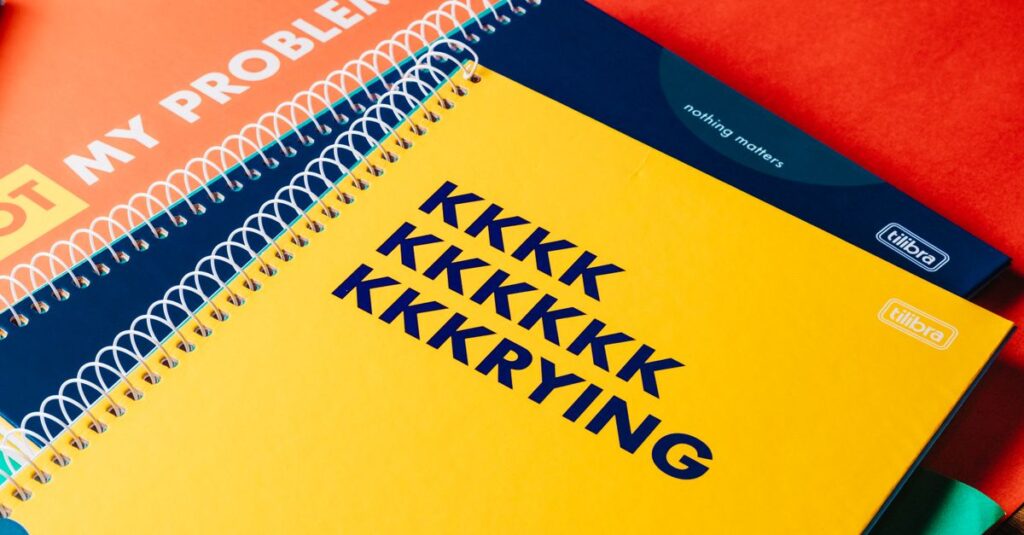
A wire or plastic coil runs through holes punched in the paper and cover. Popular for diaries, planners, and exercise books.
- Lays completely flat
- Can fold back on itself
- Easy to tear out pages (if needed)
- Less durable — coils can bend
Perfect Binding
Pages are glued to the spine with a strong adhesive, then the cover is wrapped around. Common for paperback books and account books.
- Clean, professional look
- Good for high-volume, low-cost production
- Doesn't open flat without breaking the spine
- Pages can loosen over time with heavy use
Which one wins? It depends. That's where most guides get lazy — they pick a winner. I won't. Because the right answer changes with your use case.
Stitched vs Spiral vs Perfect Binding: Comparison Table
| Feature | Stitched Binding | Spiral Binding | Perfect Binding |
|---|---|---|---|
| Durability | Excellent (pages sewn) | Moderate (coil can bend) | Fair (glue can dry out) |
| Cost per unit | Higher | Mid-range | Lower |
| Customization options | Limited (cover attached after) | High (covers can be separate) | Moderate (cover wraps spine) |
| Max page count | Unlimited (up to 700 pages) | ~300 pages max (coil pitch) | ~200 pages max (glue strength) |
| Lays flat | Yes (if sewn properly) | Yes | No (needs to be broken in) |
| Best for | Account books, premium diaries | School notebooks, planners | Bulk cheap notebooks, pamphlets |
And here's the twist: you can mix methods. I once had a client who wanted a stitched body with a spiral cover — weird combo, but it worked for their specific use case. Don't be afraid to ask your manufacturer for hybrid options.
A Real Story: When Cover Binding Went Wrong
Let me tell you about Rajesh. He's 42, procurement lead for a chain of 15 schools in Hyderabad. Last year, he ordered 30,000 notebooks for the new academic year. He chose perfect binding because it was cheapest. The notebooks looked fine on arrival. But by October, half of them had pages falling out. Kids were bringing loose sheets to class. Teachers complained. Rajesh's boss was furious.
He called me panicked. I asked one question: what cover binding did you use? He didn't know the difference. We helped him switch to stitched binding for the next order. Not a single complaint since. That story stuck with me. Sometimes the cheapest option ends up costing you more in reputation.
Expert Insight: What I've Seen on the Factory Floor
I was walking through the binding section last month — we produce about 35,000 books a day, so you see patterns. One thing I noticed: the machines for stitched binding have been running nonstop for a week. That's not because stitched is always better. It's because the buyers who order stitched come back. They don't have issues. Meanwhile, perfect binding runs in bursts — high volume but frequent returns. I don't have a scientific study for this. Just years of watching the numbers. There's a reason our longest-standing clients never switch away from stitched. But again, I'm biased. Maybe I'm wrong. The data isn't clean.
How to Choose the Right Cover Binding for Your Bulk Order
Here's a quick mental checklist I use with clients:
- How will the notebook be used? Heavy daily use (schools) → stitched. Light occasional (corporate gifts) → spiral or perfect.
- How many pages? Under 100 → any works. 100-200 → spiral or perfect. Over 200 → stitched only.
- Will it need to lay flat? Yes → spiral or stitched. No → perfect.
- What's your budget? Tight → perfect. Mid → spiral. Premium → stitched.
- Do you want custom covers? Covered with a wrap-around? Perfect limits cover design options. Spiral and stitched allow separate cover printing.
That last point matters more than most people think. I've seen buyers spend a fortune on foil-stamped covers that then get ruined because the binding can't handle the weight. Always tell your manufacturer what finish you're planning.
Anyway. That's the practical side. But there's another layer — the psychological one. When someone picks up a notebook and the spine cracks on first use, they assume the whole product is cheap. They don't think about binding. They just think this notebook sucks. And they won't buy again. So if you're ordering for a brand, the binding is literally the first impression after the cover.
Frequently Asked Questions about Cover Binding
Frequently Asked Questions
What is cover binding in notebooks?
Cover binding refers to the method used to attach the outer cover to the pages of a notebook. The most common types are stitched (sewn thread), spiral (metal or plastic coil), and perfect (glued spine). Each affects durability, cost, and how the notebook opens.
Which cover binding is strongest?
Stitched binding is the strongest. The pages are physically sewn together in sections, then the cover is attached. I've tested notebooks from decades ago that still hold together. Perfect binding can fail over time, especially in humid climates like India.
Can I get custom cover binding for my bulk order?
Yes, absolutely. At Sri Rama Notebooks, we offer custom cover binding options — choose the method, cover material (paper, cloth, leather), and finishing (embossing, foil stamping). Just let us know the volume and we'll advise the best technique.
How much does cover binding affect the price per notebook?
It can vary by 10-25% depending on the method. Stitched is priciest due to labor and thread cost. Spiral is mid-range. Perfect is cheapest, but you lose durability. For large orders, the difference adds up — but so do returns if you choose wrong.
What cover binding is best for school notebooks?
For schools, I recommend stitched binding. Kids are rough on notebooks — pages get pulled, stepped on, stuffed in bags. Stitched holds up. If budget is a concern, spiral binding is a decent alternative but avoid perfect binding for daily-use school books.
Conclusion
Three things to remember: first, cover binding isn't a technical detail — it's the backbone of your notebook. Second, there's no universal 'best' option; match the binding to the use case. Third, talk to your manufacturer early. They've seen what fails and what lasts.
I don't have a neat answer for every situation. Probably no one does. But if you're placing a bulk order and you're unsure about binding, reach out. We can walk through your specific needs. No pressure.
Check out the full range at Sri Rama Notebooks — we've been binding covers since 1985, and we're still learning.