What Is Custom Book Printing, Really?
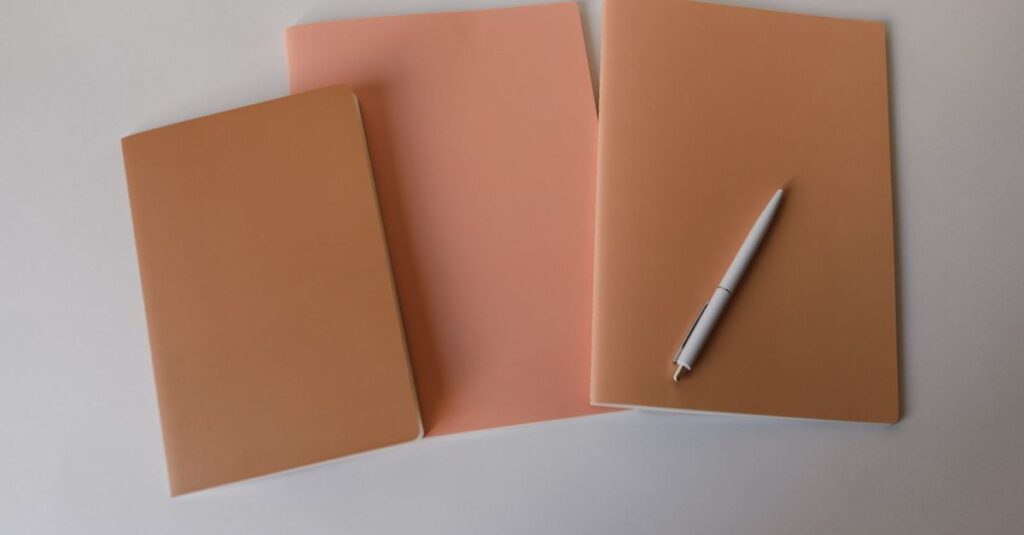
You’d think it’s simple. You want a book printed with your logo, your cover, your pages. You call a printer. They say yes. Done. Except it’s not done. Not if you want it to look good.
I’ve been in this business since 1985. Sri Rama Notebooks has been making notebooks and diaries for over four decades. And I’ve seen it all – the good, the bad, the “please don’t show that to anyone.”
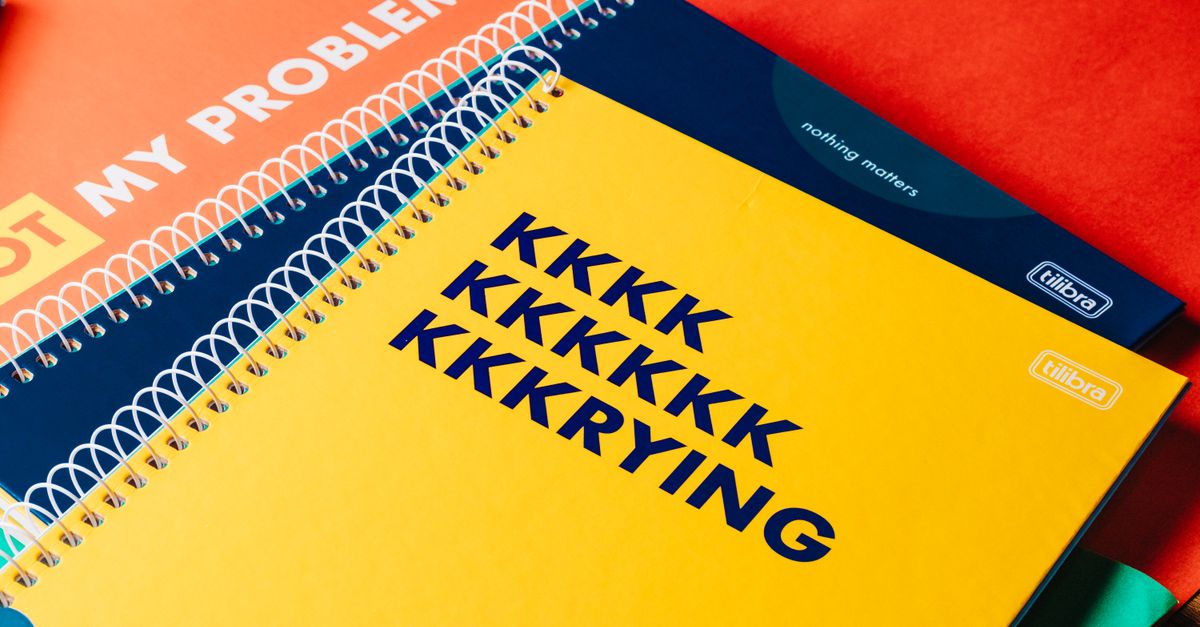
Custom book printing is about getting the details right. The paper. The binding. The cover material. The ink. The deadline. Most people think they just need to send a logo and pick a color. That’s where they get stuck.
So let’s talk about what actually matters.
Why Most People Get It Wrong (And How to Avoid It)
I’ll give you an example. Ravi, 42, procurement manager from Hyderabad. He needed 5,000 custom diaries for a corporate event. He picked a printer based on the lowest quote. The diaries arrived with paper so thin you could see the next page through the writing. The logo was off-center. The spiral binding popped open after two weeks.
He called me, frustrated. “I thought custom book printing was just printing my logo on a notebook.”
It’s not. And here’s the thing – if you don’t ask the right questions, you’ll end up with a stack of unusable books.
What Do You Actually Need to Ask?
- What GSM paper are you using? (54 GSM is standard for writing, but if you want thicker, ask for 70 or 80 GSM)
- What binding type works best? (Stitched for durability, spiral for lay-flat, perfect for a clean look)
- How many colors on the cover? (Foil stamping adds cost but looks premium)
- What’s the turnaround time? (Rush orders cost more – always)
I’ve heard this enough times now to know it’s not coincidence. People skip these questions because they think “printing is printing.” No. It’s a craft. And if you treat it like a commodity, you’ll get commodity results.
What to Look for in a Custom Book Printing Partner
Here’s where I get a little opinionated. Not all printers are the same. In fact, most aren’t. You need someone who understands paper, binding, and your specific needs. Someone who can tell you “that cover design won’t work” before you order 10,000 copies.
Let me break it down. Offset printing vs digital printing – which should you choose? It depends on quantity.
| Factor | Offset Printing | Digital Printing |
|---|---|---|
| Best for quantity | 500+ copies | Under 500 copies |
| Cost per unit | Lower for bulk | Higher per unit |
| Color accuracy | Excellent (Pantone matching) | Good, but slightly less consistent |
| Setup time | Requires plates, longer initial setup | Quick, no plates |
| Paper options | Wide range of GSM and finishes | Limited to standard papers |
| Customization per copy | All same (unless variable data) | Easy to change each copy |
If you’re ordering a few hundred copies for a small event, digital works. But for bulk orders – schools, corporate giveaways, retail – offset is the way to go. Lower cost per unit, better color, more paper choices.
And honestly? Most people don’t know this. They just pick the cheapest quote without asking about the process. Don’t be that person.
The Things Nobody Tells You About Custom Book Printing
I remember a client from a few years ago. She wanted foil stamping on the cover of her company diaries. Gold foil. She had a beautiful design. But when I quoted the price, she nearly dropped the phone. “Why is it so expensive?”
Here’s the thing: foil stamping requires a die – a metal plate that stamps the foil onto the cover. That die costs money. And if you have multiple colors, you need multiple dies. Plus setup time. Plus the foil itself.
I told her – look, if you want the same effect without the cost, try embossing. No foil, just a raised design. She agreed. It looked great. Saved her 40%.
That’s the kind of advice you get from a real partner, not just a printer who says “yes” to everything.
Expert Insight
I was reading an article last month – I can’t remember the exact source – about how the paper industry in India has changed. The writer said something like, “The best paper for note-taking isn’t the whitest or the thickest. It’s the one that feels right when you write on it.” Don’t quote me on that, but it stuck with me. Because it’s true. You can’t measure feel. But when your customers open that custom book and start writing, they’ll know. So choose paper that feels good, not just looks good.
Frequently Asked Questions
Frequently Asked Questions
What is the minimum order for custom book printing?
It depends on the printing method. For digital printing, we can do as few as 50 copies. For offset printing, minimum is usually 500 copies. Contact us for exact numbers based on your needs.
How long does custom book printing take?
Typically 2–4 weeks, depending on quantity and complexity. Design approval, proofing, and binding all take time. Rush orders can be done in 10–14 days but cost extra. Plan ahead.
Can I get my logo printed on the cover?
Absolutely. We offer logo printing, foil stamping, embossing, and custom cover design. You can also do private label or OEM. Just share your artwork and we’ll guide you.
What paper GSM is best for notebooks?
54 GSM is standard for school notebooks. For diaries and premium notebooks, 70–80 GSM is better – less bleed-through, smoother writing. We can advise based on your use case.
Do you export custom book printing orders?
Yes, we export to Gulf, Africa, USA, UK, Europe, and Australia. We handle logistics and documentation. Get in touch for a quote to your country.
Conclusion
Custom book printing isn’t just about slapping a logo on a cover. It’s about paper, binding, design, and a partner who actually knows what they’re doing. Ask the right questions. Don’t go for the cheapest quote without understanding what you’re getting. And if you want someone who’s been doing this since 1985, Sri Rama Notebooks is here.
I don’t think there’s one perfect way to order custom books. But if you’ve read this far, you already know what matters. The rest is just choosing who to trust.