Forget the 'Near Me' Search for a Second
Here's the thing. You type 'spiral binding shop near me' into your phone because you need notebooks. A lot of them. And the pressure is already there. A corporate gifting deadline. A new school semester starting. You need them to be good, to last, and you need them yesterday.
I've talked to enough procurement managers to know the feeling. It's not panic, exactly. It's more like a low-grade tension in your shoulders. You're responsible for ordering a thousand diaries or ten thousand student notebooks, and the last thing you need is pages falling out or a binding that screams 'cheap.'
So you search locally, hoping to find someone close, someone you can maybe drive to and yell at if things go wrong. But what if the best solution isn't just the closest shop? What if it's the one that actually understands what you're trying to build? A notebook is a tool, a brand impression, a student's companion for a whole year. The binding is the hinge that holds all of that together. It's worth looking past the map pin, even for a minute.
So, What IS a Spiral Binding Shop, Really?
Let me be direct. When most businesses search for one, they're picturing a small storefront with a machine. That's part of it. But for bulk orders — the kind schools, corporations, and distributors need — it's a manufacturing unit. It's the part of a notebook factory where stacks of printed pages get punched with a neat line of holes and a plastic or metal coil is wound through them. Click-click-click.
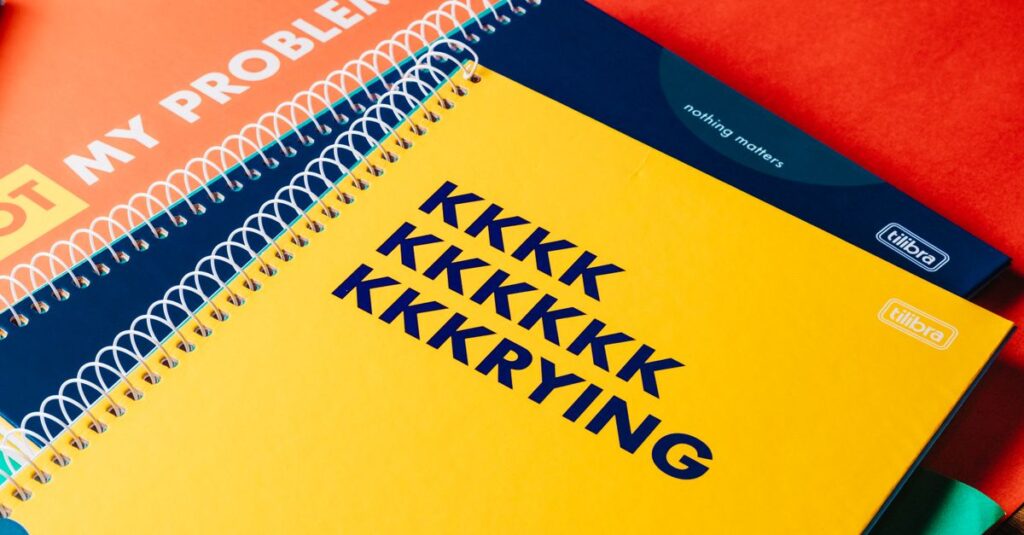
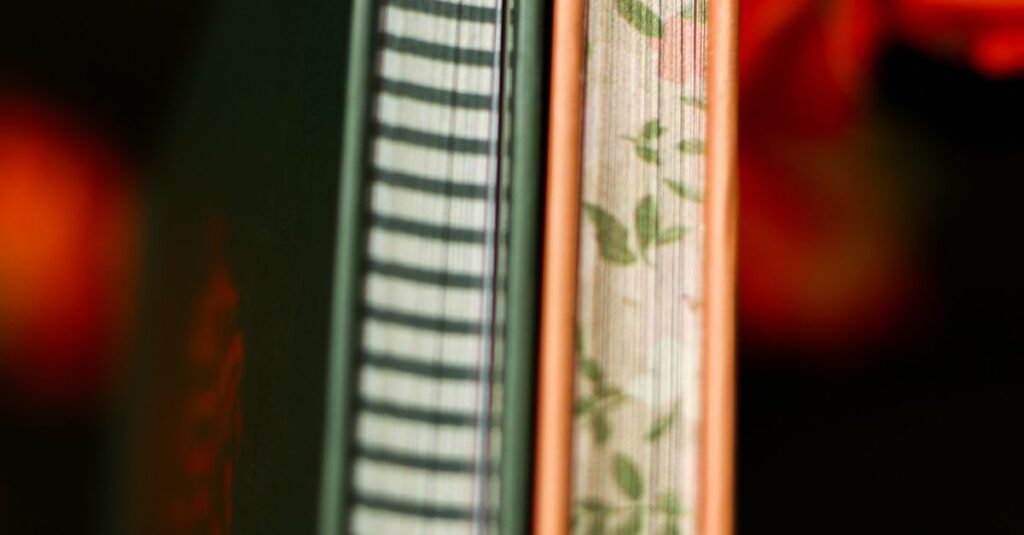
The coil itself? It comes in different diameters — thicker for fatter notebooks, thinner for sleek diaries. The plastic ones are tough, flexible, and come in colors. Metal ones (often called wire-o) feel more premium, lay perfectly flat, and have that satisfying industrial look corporate clients love.
But the shop isn't just the machine. It's the people who know that if you punch the holes too close to the edge, the pages tear. It's the quality check that makes sure every single coil is crimped shut properly at the ends, so it doesn't snag on anything. A real manufacturing shop thinks in thousands, not dozens. And that changes everything.
Expert Insight
I was reading an industry report last year — boring stuff, mostly — and one line stuck with me. It said something like: the choice of binding is the first tangible signal of a notebook's quality, before a user even writes a word. Think about that. A student flips through a new book. A client receives a branded diary. The smooth turn of a spiral-bound page, the solid feel of it in your hands… that's a silent promise. It says 'this was made with attention.' A flimsy binding says the opposite. I don't have a cleaner way to put it than that.
The Real-Life Test: A School Order Gone Right
Let me tell you about Mrs. Rao. Not her real name, but a real person. Head of procurement for a chain of schools in Hyderabad. She needed 15,000 drawing books for the upcoming art classes. The spec was simple: A4 size, 92 pages of unruled 70gsm paper, spiral bound. The last supplier's coils kept popping open — kids were getting minor cuts, and the complaints were a nightmare.
This time, she didn't just search 'near me.' She asked about the coil crimping process. She asked for a sample run of 50 books, which she then gave to her most… energetic… fifth-grade class for a 'stress test.' (She told me this over the phone, laughing. She said one kid tried to spin the book around by the coil.) The books survived. The order was placed. The headache vanished. The detail that mattered wasn't location. It was the crimp at the end of the wire.
Anyway.
Spiral vs. Stitched vs. Perfect Binding: The Choice You're Actually Making
This is where the 'near me' search falls apart. Because you need to know what you need before you know where to get it. Spiral binding isn't the only way. Here's the breakdown I give people all the time.
| Feature | Spiral Binding | Stitched (Saddle Stitched) | Perfect Binding (Glued) |
|---|---|---|---|
| Lay-Flat Ability | YES. Opens 360°, lies completely flat. | No. Bulges in the middle. | Sort of. Can crack the spine if forced flat. |
| Durability for Heavy Use | Excellent. Coil takes the stress. | Good for thinner books. | Poor for frequent, rough opening. |
| Page Count Range | Best for mid-range (52 to 240 pages). | Best for low page count (under 96). | Best for high page count (200+). |
| 'Premium' Feel | Modern, functional. Metal coil feels high-end. | Standard, common. Feels 'basic.' | Book-like, professional. Like a paperback. |
| Customization Ease | High. Easy to add/remove pages, colored coils. | Low. Set during stitching. | Very low. Cannot be altered after binding. |
| Ideal For | Student notebooks, workbooks, art pads, corporate planners, cookbooks. | Pamphlets, thin manuals, magazines. | Thick corporate reports, annual diaries, thesis books. |
See? If you need workbooks that kids will violently open and slam shut for a year, spiral is your only real choice. Perfect binding looks fancy but will fall apart. Stitched binding is cheap but won't lie flat for drawing. The binding type dictates the use. Not the other way around.
What to Ask When You FINALIZE Your Spiral Binding Shop
Okay, so you've decided spiral is it. Now you're back to choosing a shop. Forget geography for these questions. Call them. Email them. See if they sound like they've done this before.
- What's your daily output capacity? If they hesitate or say 'a few hundred,' hang up. You need a place that says 30,000 to176f 40,000 units without blinking. That's factory scale. That's your scale.
- Can I get a physical sample with my exact specs? Not a stock sample. YOUR paper, YOUR cover, YOUR coil color. A good shop will insist on it.
- How do you secure the coil ends? The answer should be specific: 'double crimping with a mechanical press.' Anything vague means trouble.
- What's your lead time for a 10,000-unit order? Compare their answer to your deadline. Add a week buffer. Trust me.
And one more thing, from painful experience: ask about their in-house printing capability. If the printing and binding are under one roof, you avoid a world of coordination hell. The pages come off the press, go straight to the punching machine. No transport, no misalignment, no 'the printer is blaming the binder' drama. This isn't a small detail. It's the difference between smooth and chaotic.
The Bottom Line for Buyers
Look, the 'near me' search is a reflex. It comes from wanting control, wanting to see the whites of their eyes. I get it. But for bulk notebooks, you're not buying a coffee. You're buying a functional product in volume. The real relationship is built on specs, samples, and reliability, not proximity.
The best spiral binding shop for you might be 500 kilometers away but has a line dedicated to school notebooks and runs three shifts to meet academic deadlines. The worst might be around the corner but treats your 5,000-diary order like a bizarre, one-time favor.
Your job is to get quality notebooks that make you look good. Their job is to manufacture them without fail. Focus on that transaction. The map can come later.
Frequently Asked Questions
What is the difference between spiral and comb binding?
Spiral binding uses a continuous plastic or metal coil that winds through the holes. Comb binding uses a separate plastic 'comb' spine that clips in. Spiral is more durable and lies flatter. Comb is easier to reassemble but looks and feels less professional. For long-term use, spiral wins.
Can spiral-bound notebooks be custom printed?
Absolutely. In fact, that's where they shine. A good manufacturer will handle the full cycle: printing your custom covers and inner pages, then binding them. This is ideal for corporate branded notebooks or school logos. You get a fully customized product from one source.
Is spiral binding more expensive than stitched binding?
Yes, usually. The coil material and the punching/binding process cost more than simple stitching. But you're paying for massively increased durability and functionality. For anything that needs to lay flat or withstand rough handling, it's not an expense—it's a requirement.
What paper thickness (GSM) is best for spiral binding?
You have flexibility. Standard notebook paper (54-70 GSM) works perfectly. Even thicker drawing paper (100-BRR 150 GSM) can be bound, but you need a machine that can punch through it and a coil with a larger diameter to accommodate the bulk. Always do a sample with your exact paper.
How long does it take to get a bulk order of spiral-bound notebooks?
From a capable manufacturer, typical lead time is 4-6 weeks for a custom order of several thousand units. This includes paper sourcing, printing, binding, and packing. Rush orders are sometimes possible but cost more. Plan ahead—this isn't an instant process.