

Right. So you’re probably wondering what an advertising pamphlet actually is.
Let me be honest — most people overthink it. They come to me, a notebook manufacturer of 40 years, and ask for a ‘strategic brochure.’ I nod. I listen. And then I ask one question: ‘Who are you giving this to, and what do you want them to do with it?’ The silence that follows is telling.
Look, an advertising pamphlet is just a piece of folded paper with a message. It’s not a corporate manifesto. It’s not your life’s work bound in leather. It’s a tool. And like any tool, its value depends entirely on how you use it and — this is the part most manufacturers won’t tell you — how well it’s made.
If you’re trying to get hundreds or thousands of these things printed for a school event, a corporate promo, or a product launch, you’re in the right place. The headache starts when you don’t know what to ask for. Let’s fix that.
Unpacking the jargon (because it’s just folded paper)
Brochure. Pamphlet. Leaflet. Flyer. The industry loves to make this complicated. The truth is, it’s just semantics. The practical difference? Size, fold, and intention. I’ll break it down.
The anatomy of a standard pamphlet
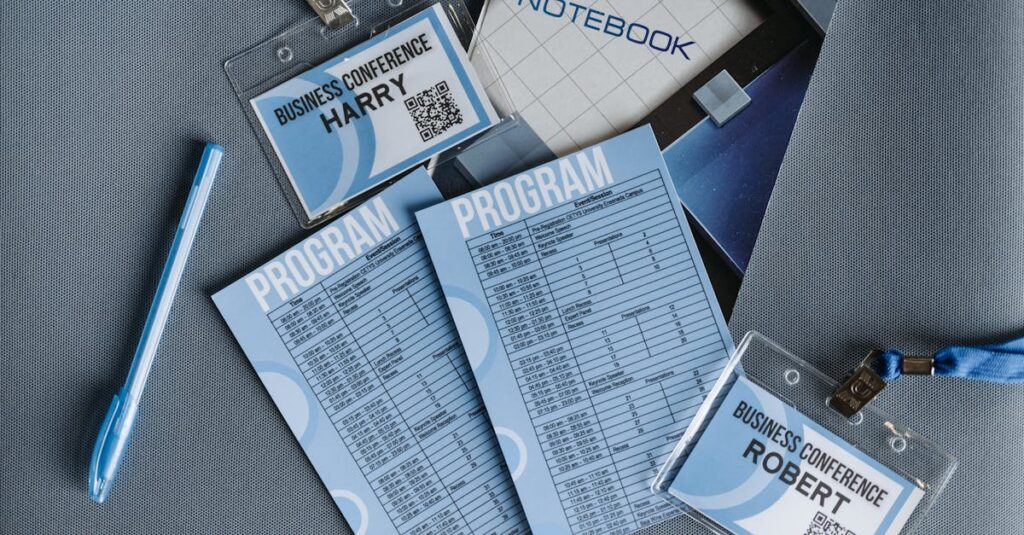
Think of a pamphlet as a single sheet of paper that’s been folded to create panels. Usually, it’s a half-fold (like a greeting card) or a tri-fold (like a map). That’s it. The content is on both sides. You’ve seen them at hotel lobbies, college fairs, and trade shows.
Here’s where the manufacturing details matter — and where most people get lost:
- Paper Weight (GSM): This is the thickness. For something that gets handed out, you don’t want flimsy 70 GSM copy paper. It feels cheap. But you also don’t need 300 GSM card stock — that’s overkill and expensive. The sweet spot for a durable pamphlet that still feels professional? 120 to 170 GSM.
- Binding: There is none. It’s a folded sheet. But the fold is everything. A crisp, clean fold doesn’t just happen; it needs the right paper grain and scoring.
- Printing: Most bulk pamphlets use offset printing. It’s cheaper per unit when you’re printing thousands. Digital is fine for tiny runs of 100, but the color consistency and cost per piece shift dramatically around the 500-unit mark.
I was talking to a procurement manager last week — over WhatsApp, actually — who ordered 10,000 pamphlets for a university. They arrived with the fold cracking the ink. The whole batch was useless. That’s the nightmare.
Why your school, business, or institution needs them (and what you’re probably getting wrong)
Three things happen when you think about ordering pamphlets. First, you assume design is the hard part. Second, you think any local printer can do it. Third, you forget that you’ll be storing 5,000 of these things in a back room for months.
Let’s talk about actual use cases. Because a pamphlet for a local bakery is different from one for a government tender notice.
The corporate procurement headache
You need 2,000 pamphlets for a product launch. You send the design to a vendor. They quote you a price. It seems fine. What they don’t tell you is that the paper they’re using is from a batch that’s slightly damp, which means the ink will smudge if it’s humid on launch day. Or that the ‘gloss finish’ they promised will actually make the text unreadable under conference hall lights.
The problem isn’t malice. It’s a lack of context. Most general printers don’t deal with the volume and specific handling that bulk institutional orders require. They don’t think about the pallet it will be shipped on, or the warehouse it will sit in.
I’ve seen it. A corporate manager in Hyderabad once showed me a box of pamphlets that had fused together because of poor ink drying and Andhra’s summer heat. The cost was more than money — it was a missed deadline.
The school & college bulk order
This is where I live. Schools need pamphlets for parent-teacher meetings, annual day events, scholarship programs. The volume is high — 5,000, 10,000 pieces. The budget is always tight. And the timeline is yesterday.
The common mistake here is prioritizing the lowest cost per piece above everything else. You get thin paper. The colors are washed out. The folds are uneven. You hand them to parents, and they crumple in a handbag. The message is lost. The school’s image — the thing you’re trying to promote — takes a hit.
You need durability. You need paper that can survive a monsoon backpack. You need a manufacturer who understands that ‘bulk’ doesn’t mean ‘lowest quality possible.’ It means consistent, reliable quality at a scale that makes sense.
Paper, print, and the production line reality
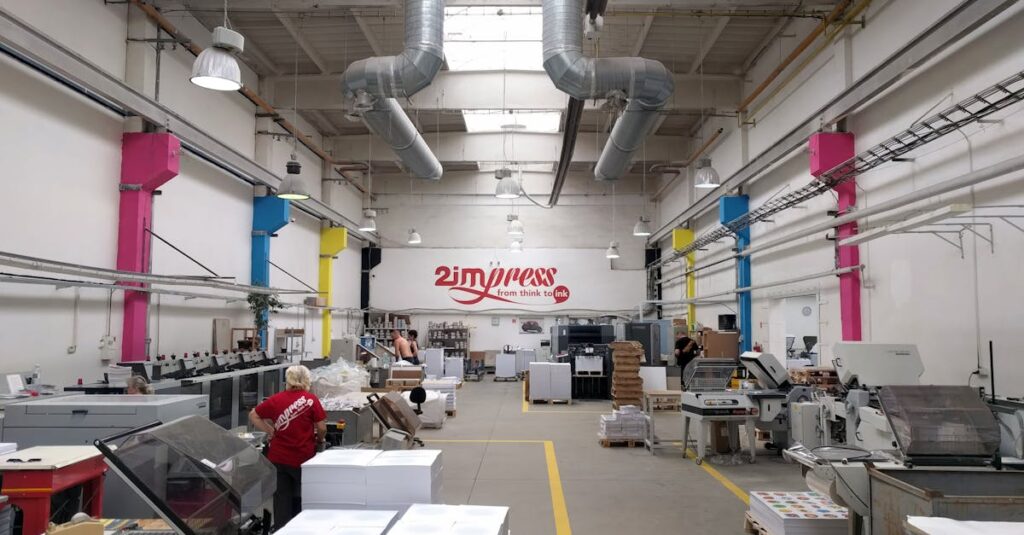
Let’s get technical for a minute. I’ll walk you through what actually happens in a factory like mine when your pamphlet order comes in. It’s not magic. It’s logistics.
First, the paper arrives in massive rolls or sheets. The GSM is checked. The grain direction is noted — this matters for folding. Then, it’s fed into an offset press. Large plates transfer ink onto the paper. This is where color matching happens. If your logo is a specific shade of blue, it needs to be that blue on every single sheet, from the first to the ten-thousandth.
After printing, the sheets go through a drying tunnel. Then, they’re cut to size. Finally, they’re scored and folded. Scoring is a tiny crease pressed into the paper before the fold, so it doesn’t crack. This is the step cheap printers skip.
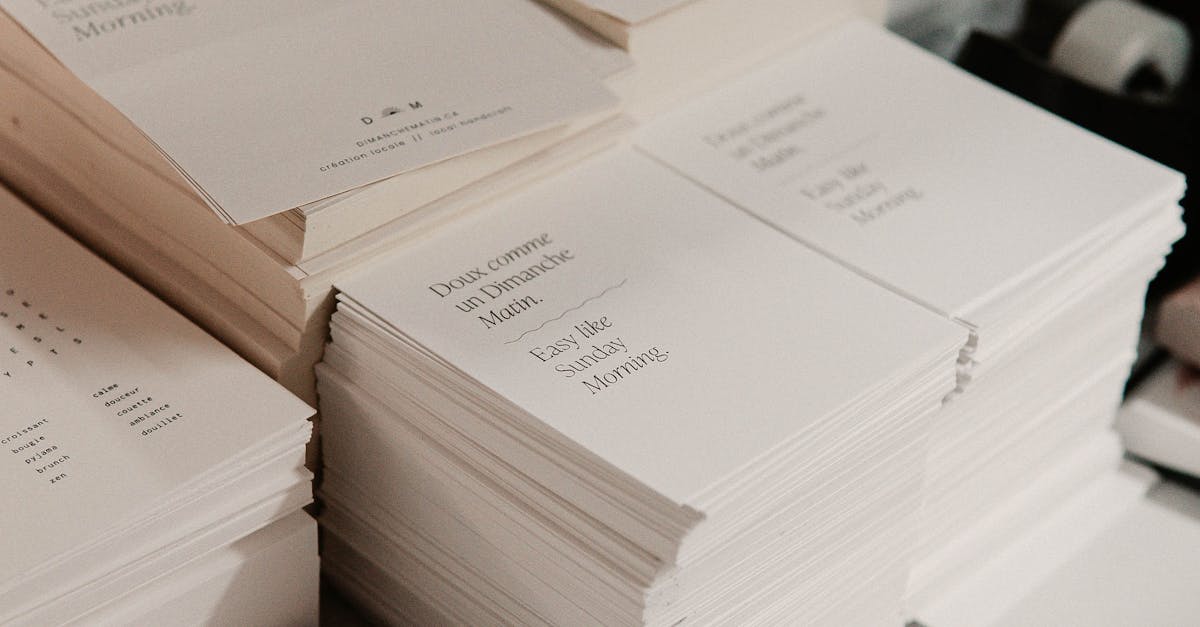
Then they’re packed in boxes, usually 500 or 1000 to a box, bundled tightly so the corners don’t bend in transit. They’re put on a pallet. And then they ship.
The whole process takes a few days for a large order. But the lead time everyone forgets is the proofing. You must see a physical proof. Don’t approve colors on a screen. Screens lie.
Expert Insight
I was reading an old trade magazine last month, and one line from a veteran printer stuck with me. He said something like — the true cost of a pamphlet isn’t in its production. It’s in its failure. A poorly made one doesn’t just waste paper and ink; it wastes the hand that distributes it, the eye that reads it, and the trust of the person holding it. I don’t have a cleaner way to put it than that. Every time we cut a corner to save five paise per piece, we’re betting against that trust.
Pamphlets vs. Brochures vs. Flyers: A brutally honest table
People ask for comparisons. Here’s a no-BS breakdown. Think of it as a menu, not a rulebook.
| Feature | Advertising Pamphlet | Corporate Brochure | Promotional Flyer |
|---|---|---|---|
| Primary Use | Informational handouts, event details, program outlines | Brand storytelling, product catalogs, company profiles | Mass distribution, sales announcements, quick discounts |
| Typical Page Count | 4-8 panels (one folded sheet) | 8+ pages (multiple sheets, stapled or bound) | Single sheet, no fold |
| Paper Weight (GSM) | 120-170 GSM (substantial feel) | 150-300 GSM (premium, thick) | 80-120 GSM (lightweight, disposable) |
| Cost per Unit (Bulk) | Medium | High | Very Low |
| Lifespan Expectation | Weeks to months (kept for reference) | Months to years (kept on desk) | Minutes to days (read & discarded) |
| Best For… | Schools, colleges, NGOs, government notices, mid-funnel marketing | B2B sales, corporate gifting, high-value product launches | Retail sales, local events, door-to-door campaigns |
The takeaway? If you’re handing something to a parent, a student, or a potential business client and you want them to keep it, you’re in pamphlet territory. If it’s for a weekend sale, it’s a flyer. The manufacturing process for each is different.
The real-life cost of getting it wrong
Let me tell you about Priya. Not a case study — a real person I spoke to. She’s 38, a procurement officer for a chain of private schools in Visakhapatnam. Her job is to order everything from chalk to chairs. Last summer, she needed 8,000 pamphlets for the new academic curriculum introduction.
She went with the lowest quote. The pamphlets arrived on time. They looked okay in the box. But when the teachers started handing them out on orientation day, the problem showed up. The paper was so thin that the ink from the front page showed through on the back, making the text hard to read. The folds were weak; many pamphlets opened flat in the parents’ hands. She spent the entire day apologizing, feeling the slick, cheap paper between her fingers, knowing the school’s reputation for quality was slipping away with each handout. She didn’t make that mistake again.
That’s the moment that matters. It’s not about the paper. It’s about the person handing it out.
How to talk to a manufacturer (so you get what you need)
Alright, practical advice. If you’re reaching out to a printing company, here’s what to ask. Skip the vague questions about ‘quality.’ Be specific.
- ‘What GSM paper do you recommend for a pamphlet that will be mailed and handled frequently?’ Listen for the number and the reason.
- ‘Do you do scoring before folding?’ If they hesitate or say it’s not needed for your paper weight, be wary.
- ‘Can I see a physical proof before you run the full batch?’ The answer must be yes. Always.
- ‘How do you pack bulk orders for shipping?’ You want to hear about rigid boxes, palletizing for large orders, and corner protectors.
- ‘What’s your lead time from approved proof to dispatch?’ Get a realistic number, then add a buffer for yourself.
And honestly? The way they answer these questions tells you more than any brochure ever could. A good manufacturer will sound like a partner, not just a vendor. They’ll ask you about the end use. They’ll warn you about potential pitfalls.
Look, the goal isn’t to become a paper expert. The goal is to find someone who is, so you don’t have to be.
Frequently Asked Questions
What’s the difference between a pamphlet and a brochure?
Think of it like this: a pamphlet is usually a single, folded sheet (like a travel map). A brochure is often multiple sheets, stapled or bound together (like a product catalog). Pamphlets are great for concise info; brochures are for deeper dives. For bulk school or event info, the pamphlet is usually the right tool.
How many advertising pamphlets should I order?
This is the million-dollar question. Order too few, and you run out and pay more for a reprint. Order too many, and you’re storing boxes. A good rule of thumb: estimate your need, then add 10-15% for spoilage and extra distribution. For a school of 2000 students, ordering 2500-3000 pamphlets for an event is smart. Always discuss minimum order quantities with your manufacturer.
What paper is best for outdoor advertising pamphlets?
If they’ll be exposed to weather, even briefly, you need thicker paper (150+ GSM) and possibly a synthetic or coated stock. Standard uncoated paper will wilt with humidity. Mention ‘outdoor use’ to your printer — they might suggest a water-resistant coating or a specific paper type. Don’t use the same paper you’d use for an indoor conference.
Can I print custom shapes or die-cut pamphlets?
Yes, but it gets expensive, fast. Die-cutting (cutting paper into special shapes) requires a custom metal die for each shape, which is a one-time cost. For bulk standard orders, stick to rectangular folds. If you need a unique shape for a flagship campaign, it’s possible, but plan for higher costs and longer lead times.
How long does bulk pamphlet printing take?
From final approved design to delivery? For an order of 10,000 standard tri-fold pamphlets, a dedicated manufacturer needs 5-7 working days. This includes prep, printing, drying, folding, and packing. The biggest variable is you — delays in approving the design or the physical proof add days. Always build in a cushion before your deadline.
Wrapping this up
So here’s what I think. An advertising pamphlet is a simple thing made complicated by poor communication. It’s a workhorse. It’s not glamorous. But when it’s done right — with the right paper, a crisp fold, and colors that pop — it works. It gets the message from your hand to theirs, intact.
The real question isn’t whether you need one. You probably do if you’re reading this. The question is whether you’re ready to treat it as a physical product that represents you, not just an item on a purchase order.
I don’t think there’s one perfect way to do it. Probably there isn’t. But if you’ve read this far, you’re not just looking for a printer — you’re looking for a result. And that’s the whole point. Maybe it’s time to talk to someone who sees it that way too.