So you’ve typed ‘laser printing shop near me’ into your search bar. I get it. I hear from procurement managers, school administrators, and business owners all the time. You’re not just looking for a print shop down the street. You’re trying to solve a very specific, very expensive headache: how to get hundreds, or thousands, of professional-looking notebooks, diaries, or stationery items for your organization without the quality falling apart in someone’s hands three weeks later.
That search term is really a question. It’s you asking, “Who can handle this massive order I need, on time, without messing up my logo or using paper that bleeds through?” It’s about trust, scale, and not getting a nasty surprise when the invoice arrives. If you’re at that point of needing real volume, this is what you should actually be looking for.
Why “Near Me” Is Only Half the Story
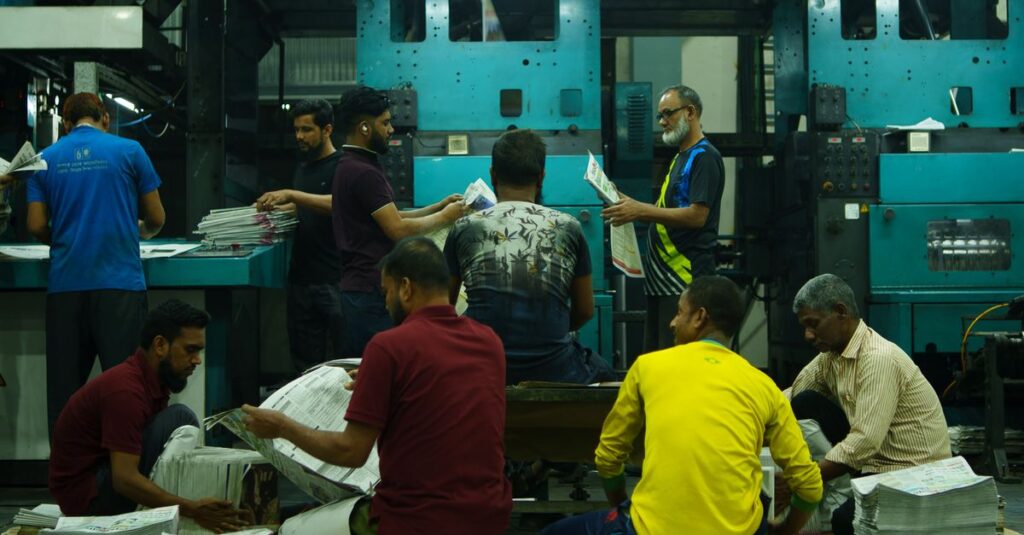
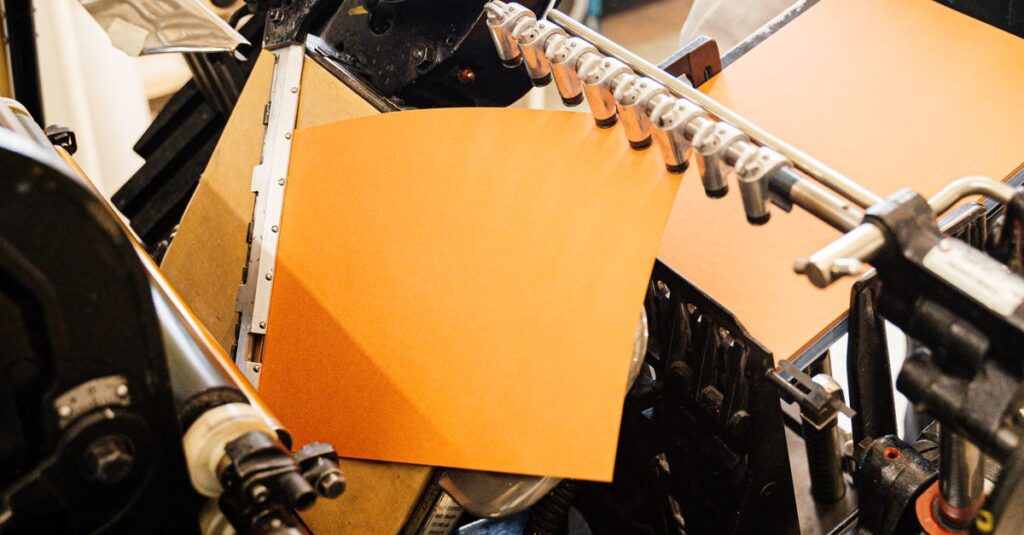
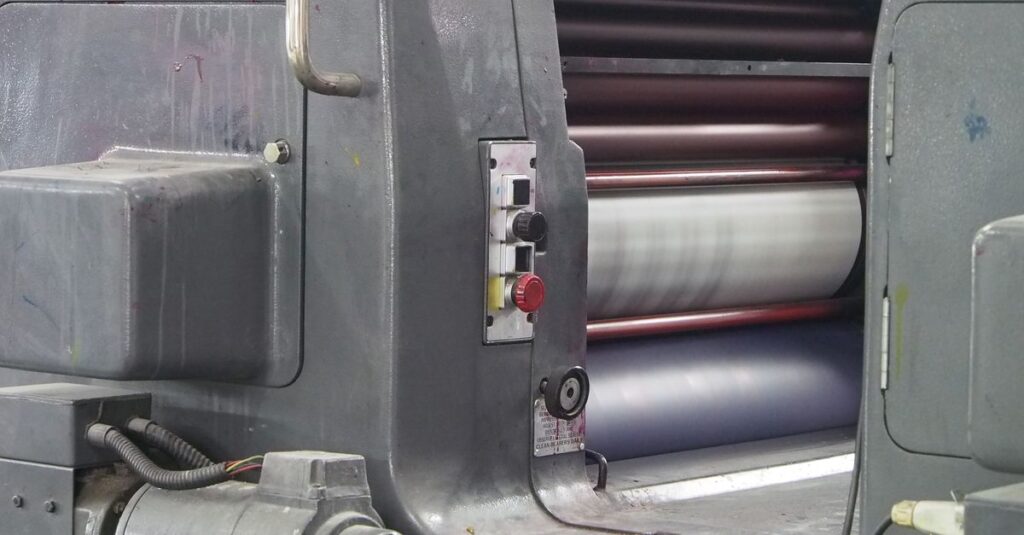
Look, I understand the instinct. You want someone local. You want to be able to drive over, look someone in the eye, and see the stock. But here’s the thing – when you’re ordering in bulk for a corporation or a whole school district, the most important thing isn’t proximity. It’s capability. A local copy shop with a couple of laser printers can do your business cards. They cannot, I promise you, efficiently produce 5,000 perfect-bound corporate diaries with custom foil-stamped covers. The machines, the paper inventory, the binding lines – it’s a completely different world.
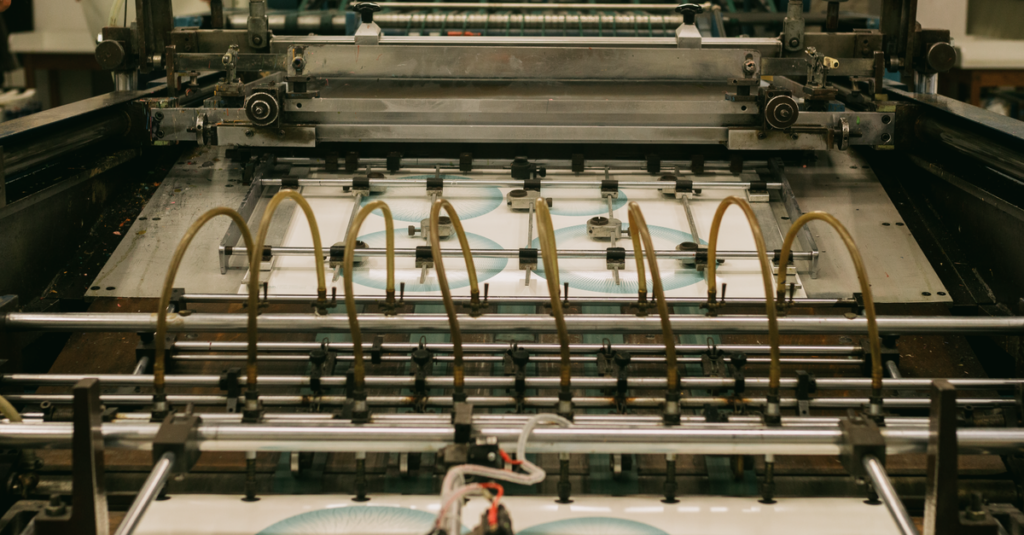
Think about it this way. You’re not buying a printed item. You’re buying a manufacturing process. The ‘printing’ is just one step in a chain that includes paper sourcing, precise cutting, stitching or binding, cover lamination, quality control, and palletized shipping. The shop around the corner probably stops at step one.
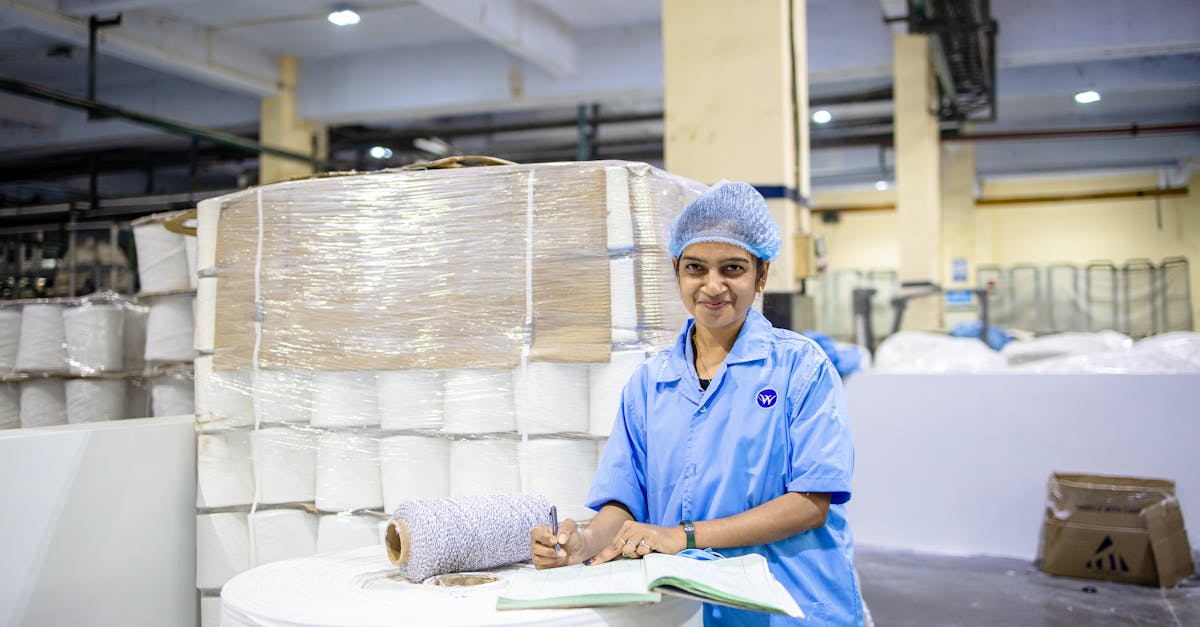
So what you’re really searching for is a manufacturer, not a retailer. Someone who has the factory floor, not just the storefront.
The Real Checklist: What Bulk Buyers Need to Ask
Forget ‘are they close’. Start here instead. These are the questions I’ve seen separate a good bulk order from a logistical nightmare.
- Paper GSM and Opacity: Can they explain the difference between 70gsm and 54gsm paper for writing? Will the ink show through on the other side? This is the number one complaint with cheap notebooks.
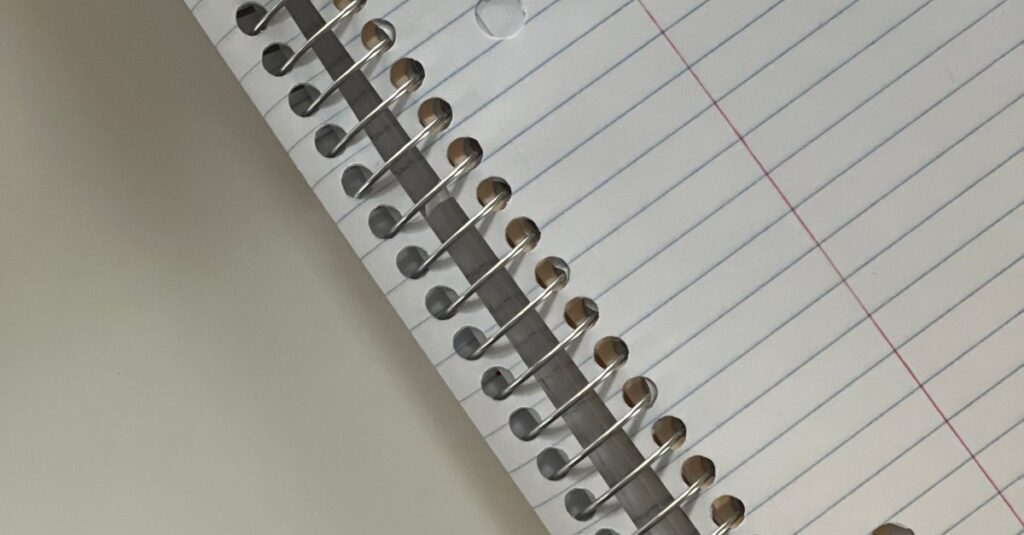
- Binding for Durability: Is it stitched, perfect-bound, or spiral? For a notebook that needs to lay flat and survive a year of daily use, stitching is non-negotiable. For a proposal document, perfect binding looks sleek.
- Turnaround Time on 1,000+ Units: “A couple of weeks” is a red flag. A real manufacturer knows their capacity and can give you a firm schedule because they run shifts, not jobs.
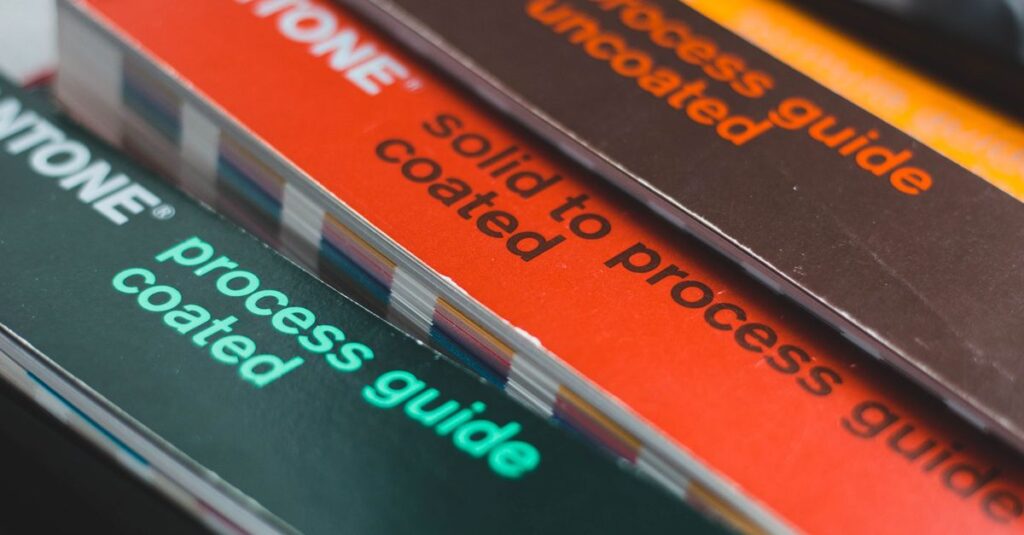
- Proofs and Color Matching: Do they send a physical proof before running the whole job? Digital color matching for your brand’s exact Pantone? If not, your logo might print orange instead of red.
- Bulk Pricing Structure: Is the price per unit actually going down at 5,000 units, or are they just multiplying the price of one? Real manufacturers have tiered pricing.
I was talking to a procurement head for a chain of coaching institutes last month – over a very rushed phone call, actually – and she said the moment she knew she’d found the right partner was when they started asking *her* questions about student usage patterns before recommending a paper weight. Not the other way around.
The Local Shop vs. The Specialist Manufacturer
Let’s make this practical. You’re ordering 2,000 custom notebooks for a conference. Here’s what you’re likely to get from each option.
| Consideration | The Local ‘Print Shop’ | The Notebook Manufacturer |
|---|---|---|
| Core Business | Flyers, brochures, business cards | Manufacturing notebooks & diaries at scale |
| Paper Options | Limited stock, often lighter weight | Multiple GSM options (54, 70, 80+), sourced for writing |
| Binding | Usually only stapling or spiral | Stitched, perfect, spiral, wire-o – made for durability |
| Volume Capacity | Maybe a few hundred units, with long delays | Thousands per day as standard operating procedure |
| Customization | Print-ready file only, limited size options | Custom cover design, page rulings, size, packaging |
| Cost at 2,000 units | High per-unit cost, no volume efficiency | Significantly lower per-unit cost, bulk discounts |
| Expertise | In printing graphics | In how a notebook is used, abused, and needs to last |
See the difference? It’s like going to a diner for a single burger versus catering a wedding. The skills and infrastructure are on different planets.
Beyond the Print: The Stuff Nobody Talks About
Okay, so you find a place with the right machines. Great. But the headaches – the real ones – often come from the stuff that happens off the press. The logistics. The silent assumptions.
Packaging. Will your 3,000 notebooks arrive in a single, unstable box that splits open, or on secure, palletized bundles that a forklift can move? Labeling. If you’re a distributor sending different products to 50 schools, can each school’s order be individually labeled and packed? Shipping timelines that account for monsoon season or port delays if you’re exporting.
Expert Insight
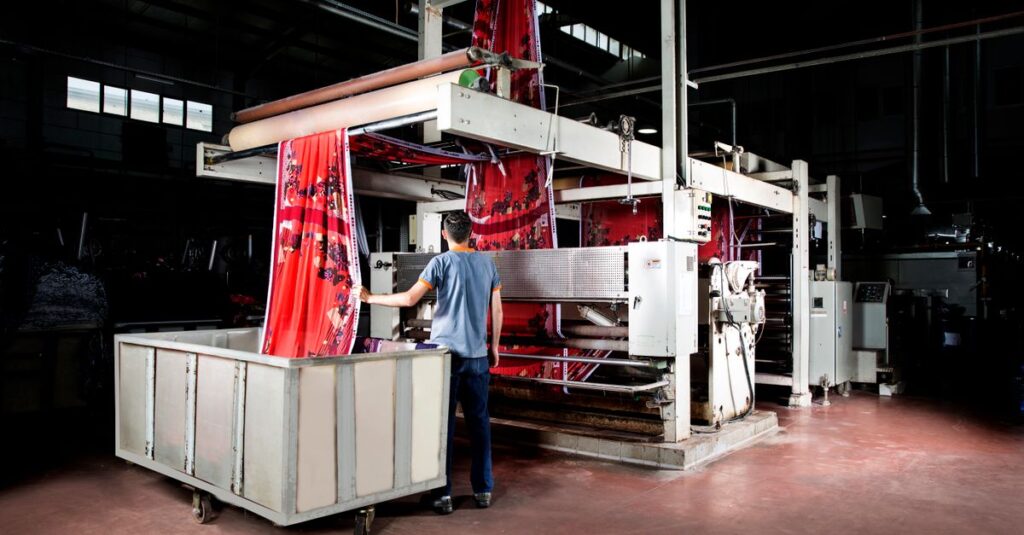
I was reading a trade magazine interview with a factory manager, and one line stuck with me. He said the biggest cost in bulk printing isn’t the ink or paper – it’s the downtime between jobs. Real manufacturers have their workflows so calibrated that the binding line starts as the printed sheets are coming off the press. A local shop stops everything to load your file, then stops again to bind. That inefficiency is what you pay for. And most people never even see it.
The question isn’t just ‘can they print it’. It’s ‘can their entire system produce it, from blank paper to loaded truck, without a hiccup’.
A Real Scenario: What This Actually Looks Like
Let me give you a picture. Not a hypothetical. This was a real order we handled, but the details are everywhere.
Anjali, 38, procurement manager for a network of private schools in Hyderabad. Needs 15,000 subject-specific notebooks (Math: quad ruled, Science: unruled, English: single ruled) for the new academic year. Each needs the school crest and a different colour band on the cover. They need to be sorted by subject, bundled by 50, and delivered to three different campus warehouses by June 1st. The previous supplier sent the Science books with single ruling last year. Chaos.
She doesn’t need a printer. She needs a production partner who understands that ‘Math notebook’ means ‘cross-ruled, 92 pages, stitched binding, medium-weight paper for pencil and eraser’. And who has a QC check that catches a mis-ruled ream before it becomes 500 wrong notebooks.
That’s the level of detail you’re managing. And honestly? A general print shop will drown in those specs.
Making the Decision: How to Vet a Real Partner
So your search for ‘laser printing shop near me’ has evolved. Good. Now, how do you choose? Don’t just look at a glossy website.
Ask for client references in your sector – schools, corporates. Ask to see samples of similar bulk work. Not one perfect notebook, but a copy from the middle of a 10,000-unit run. Get a detailed breakdown of the quote: paper cost per unit, printing cost per unit, binding, packing, shipping. If it’s one lump sum, be wary. Visit if you can. The sound of a factory floor is different from a quiet print shop. It’s the sound of scale.
And look, I’ll be direct. The price will be a factor, but the cheapest option is almost always the most expensive mistake. A poorly bound notebook that sheds pages reflects on your brand, your school, your corporate standard. It’s a tiny, daily reminder of a bad choice.
What most people don’t realize is that with the right manufacturer, the per-unit cost for 5,000 custom notebooks can be lower than buying generic stock from a retailer. Because you’re cutting out all the middlemen. You’re going straight to the source. It’s worth getting a quote just to see the difference.
Frequently Asked Questions
What’s the difference between digital and offset printing for notebooks?
Digital printing (like a high-end laser shop) is great for short runs and super complex, variable designs. Offset printing is for bulk. It’s faster and cheaper per unit for orders in the thousands, and the colour consistency across 10,000 copies is flawless. For most bulk notebook needs, offset is the way to go.
How long does it take to get 1,000 custom notebooks made?
With a dedicated manufacturer, typically 2-4 weeks from final approval. This includes time for proofs, production, binding, and packing. A local shop might quote longer because you’re a huge job for them. Always ask for a production schedule, not a guess.
Can I get different page rulings in the same notebook order?
Yes, absolutely. A real manufacturer runs different paper reams for different rulings. This is standard for school orders. You’d specify how many units need single-ruled, how many need quad-ruled, etc. They’re produced in separate batches but can be shipped together.
What’s the minimum order quantity (MOQ) for custom notebooks?
It varies, but for a custom design with your logo, most serious manufacturers have an MOQ of 500-1000 units. This is because setting up the press plates and binding lines takes time. Below that, the cost per unit isn’t efficient for anyone.
Do you handle shipping and logistics for large orders?
The good ones do. They should be able to provide packed, palletized notebooks ready for pickup by your freight forwarder or arrange doorstep delivery. This is a crucial question – you don’t want 50 boxes arriving at your office door with no way to move them.
Conclusion
Your search for a ‘laser printing shop near me’ is really a search for certainty. Certainty that the quality will be consistent from the first notebook to the ten-thousandth. Certainty that the specs you painstakingly provided will be followed to the letter. Certainty that the delivery will arrive when promised, in a condition that’s ready to use or distribute.
That certainty doesn’t come from geography. It comes from specialization, scale, and a process built for repetition, not one-offs. The right partner makes your massive order feel like just another Tuesday for them. Because it is. And that’s the peace of mind you’re actually buying.
I don’t think there’s one perfect answer for every buyer. Probably there isn’t. But if you’ve read this far, you already know you need more than a local printer. You’re just figuring out how to find the manufacturer who can turn your list of requirements into a pallet of perfect, professional notebooks. Sometimes, the easiest next step is just to ask the questions you have and see how they answer.