Why Does Anyone Need a Lockable Diary in 2024?
Because secrets still exist. Confidential meeting notes, financial projections, the CEO’s scribbled thoughts before an investor call. It’s not about paranoia. It’s about the simple, daily reality of sensitive information — and the physical object that gets passed around in boardrooms or left on hotel nightstands. In a world of digital everything, people still write things down. And some of those things can’t just be floating around.
I was talking to a procurement manager last month — from a bank in Hyderabad — and he said something I keep thinking about. "Our execs ask for iPads, sure. But they always want the diary. The one with the key they can put in their desk drawer. The digital device feels like a company asset. The locked diary feels like their space."
Maybe that’s the real point here. It’s less about high-stakes espionage and more about a basic, almost primitive need for a private corner. A lockable diary provides that. It’s a statement. It says what’s inside is separate. And for businesses ordering corporate gifts or bulk stationery, that statement is part of the brand you’re building for them. If you’re sourcing these, you’re not just buying a notebook. You’re buying a container for trust. We see this all the time with custom orders. The lock is the first feature they mention.
The Anatomy of a Good Lockable Diary: It’s Not Just a Latch
Most people think: lock equals key. And they’re not wrong, but that’s just the starting pistol. A flimsy clasp on thin cardboard isn’t security. It’s a polite suggestion. Let’s break down what actually makes a lockable diary work — and what you should be looking at when you’re evaluating suppliers for a bulk order.
First, the lock mechanism itself. You’ve got a few types:
- Simple Metal Clasp & Key: The classic. Usually a small, integrated lock. Good for basic privacy, keeps casual glances out. The quality of the metal and the precision of the key cut matter way more than you’d think. A cheap one will bend.
- Combination Lock: No key to lose. Great for corporate gifts — one less thing for the admin to track. But it needs a solid, number-wheel mechanism that won’t slip or reset if it gets jostled in a briefcase.
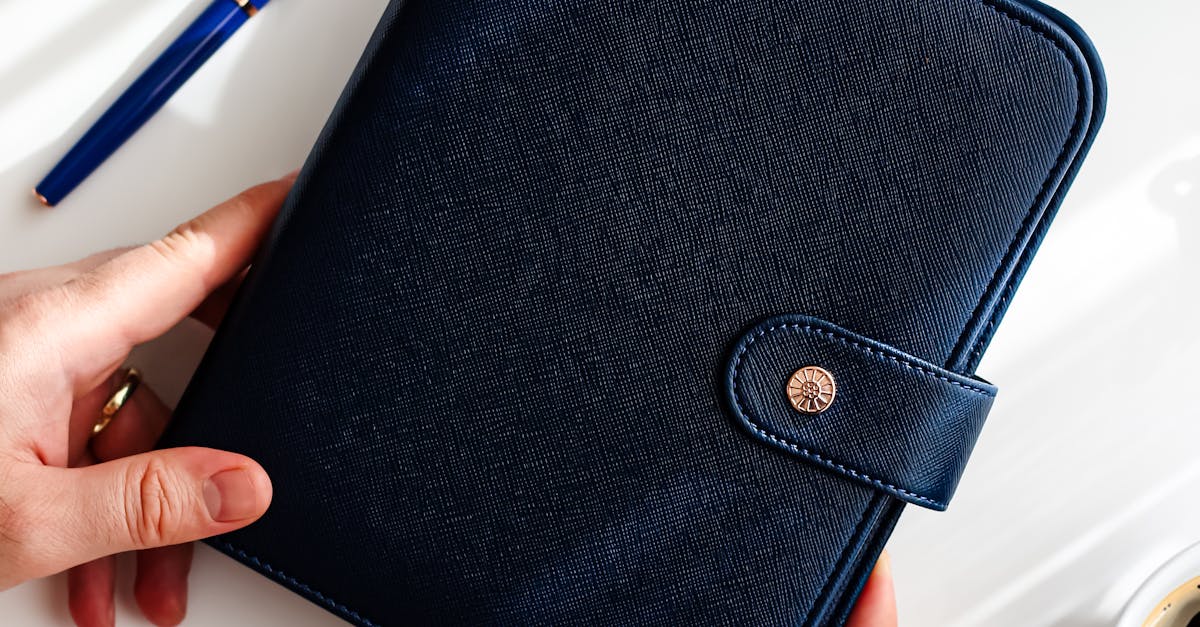
- Sturdier Case-Bound Lock: This is where you get into executive territory. The diary is often housed in a hard, leatherette or genuine leather cover, and the lock is a more substantial part of the structure. This isn’t just stationery; it’s an accessory.
Then there’s everything around the lock. The cover material must be rigid enough that you can’t just flex it open. The spine needs to be robust — often a reinforced, stitched binding. And the paper? It should be good. Smooth, thick enough that ink doesn’t ghost through. Because if someone is locking it, they’re writing something they value. The writing experience should match that.
Here’s the thing I tell every corporate buyer: don’t just ask for "lockable diaries." Ask about the clasp mechanism’s sourcing. Ask for a sample so you can test the lock twenty times. Feel the paper. It’s the only way to know.
Who Actually Uses These? (Spoiler: It’s More Than Just Execs)
When you picture a lockable diary, you probably see a mahogany desk. That’s one place. But the use cases are wider and more interesting.
Take Maya, 34, a clinical psychologist in Bangalore. She uses a lockable diary for her confidential session notes before they’re transcribed into her secure digital system. The diary lives in a locked drawer in her clinic. "It’s a physical barrier that matches the ethical one," she told me. "It’s a ritual. The act of locking it away means the session is complete." For her, the diary is a tool of her profession.
Then there are university research teams. Early-stage ideas, raw data from field notes — intellectual property that’s still taking shape. A locked, physical book is often part of their protocol. Or legal firms for client meeting notes. Or HR departments for sensitive personnel discussions.
And of course, corporate gifting. This is huge. A high-end lockable diary, embossed with the company logo, isn’t just a gift. It’s a symbol of trust and responsibility given to senior managers, top performers, or long-standing clients. It says, "We trust you with important things." The perceived value is far higher than a standard notebook. Which makes the choice of manufacturer critical — you don’t want the lock breaking on your CEO’s gift.
Customizing these for logos and branding is a whole other skill. The placement has to work with the lock hardware. It needs to look integrated, not tacked-on.
Lockable Diary vs. Standard Corporate Diary: A Quick Buyers’ Comparison
If you’re deciding what to order for your team or as gifts, this table breaks down the real differences. It’s not just price.
| Feature | Lockable Diary | Standard Corporate Diary |
|---|---|---|
| Primary Purpose | Security & Privacy of contents | Planning & note-taking |
| Perceived Value | High (Executive, Gift-tier) | Medium (General use, Promotional) |
| Key Audience | Senior Mgmt, Legal, HR, Clients | All employees, partners, general giveaways |
| Construction Focus | Reinforced cover, robust lock mechanism, often premium paper | Functional binding, good paper, clear layout/printing |
| Customization | Logo placement must work around lock; premium finishes | Full-cover print common; more flexible design |
| Bulk Order Consideration | Lower volumes, higher unit cost, complex assembly | High volumes, lower unit cost, streamlined production |
The takeaway? A lockable diary is a specialized product. You order it with a specific person and a specific message in mind. A standard diary is a workhorse. Both are essential, but they play different games.
Manufacturing Ins and Outs: What Bulk Buyers Need to Ask
From this side of the factory floor, making a lockable diary is a different beast than a standard notebook. It’s not just an add-on. The lock has to be sourced — often from a separate hardware supplier. Its placement has to be precisely marked and punched during cover production. The covering material (leatherette, thick card) has to be pre-cut to accommodate it.
Then there’s assembly. Attaching the lock isn’t a step in high-speed notebook binding. It’s slower, often manual or semi-automated. You’re marrying stationery with hardware. Keys need to be matched, packed, sometimes even tethered to the diary with a small string or loop. For combination locks, each unit needs to be set and tested.
This all means your minimum order quantity (MOQ) will likely be higher, and your lead time longer, than for plain notebooks. Any custom printing on the cover — your company logo, a name, a crest — has to be planned meticulously around the lock’s position.
Expert Insight
I was reading an industry piece last year — one of those trade reports nobody outside the business sees — and a line from a sourcing expert stuck with me. He said, "The lock is the promise. The binding and paper are the delivery." He meant that if the diary falls apart or the paper bleeds, the security feature becomes a joke. The entire product’s integrity rests on every component being up to spec. I don’t have a cleaner way to put it than that. It’s a lesson we learned early: never source a lock from a supplier who doesn’t understand it’s going into a book that will be opened and closed daily. The wear-and-tear is real.
Ordering in Bulk: A Realistic Walkthrough
Let’s say you’re a corporate procurement manager and you’ve been tasked with sourcing 500 locked diaries for the upcoming leadership conference. What does that process actually look like?
First: specs, specs, specs. You need to decide:
1. Size & Page Count: Executive (A5-ish) or larger? 200 pages? 240?
2. Lock Type: Key or combination?
3. Cover Material: Artificial leather? Cloth? Something more unique?
4. Paper Inside: White? Cream? A specific GSM weight?
5. Customization: Logo hot foil stamping? Embossing? Debossing? Full-color print?
6. Packaging: Individual boxes? Bulk cartons?
You then request samples from a shortlisted manufacturer — like us. This is non-negotiable. Test the lock 50 times. Write on the paper with different pens. Feel the cover. Only then do you discuss pricing and timelines.
Be prepared for this reality: lead times for a complex custom lockable diary order can be 6-8 weeks, sometimes more. It’s not fast fashion. It’s precision manufacturing. And your quote will depend heavily on the lock mechanism chosen and the cover material. My advice? Build that time into your project plan and be very clear with your internal stakeholders. Rushing this leads to broken promises. Literally.
Frequently Asked Questions
What is the most secure type of lock on a diary?
For physical diaries, a well-made, small integrated key lock or a quality 3-digit combination lock offers the best practical security. The real security often comes from the diary’s rigid construction — a sturdy cover that can’t be flexed open. Think of it as a system: the lock plus the build quality.
Can you customize lockable diaries with a company logo?
Absolutely. It’s very common for corporate gifts. The key (pun intended) is working with a manufacturer experienced in it. They’ll know how to position your logo around the lock hardware — using techniques like hot foil stamping or embossing on leatherette —so it looks premium and integrated, not like an afterthought.
What’s a realistic minimum order quantity (MOQ) for custom lockable diaries?
It varies, but expect MOQs to start around 200-500 pieces for a fully custom job. The lock hardware sourcing and special assembly make very small runs impractical. For standard designs with minor customizations (like adding a logo), you might find lower MOQs.
Are lockable diaries suitable for student or school use?
They can be, but it’s niche. Think prefects or student council members who handle sensitive info. For general student use, a standard notebook is more cost-effective. The lockable feature is really aimed at confidential professional or personal use where privacy is a genuine concern.
How durable are the locks on these diaries?
Durability varies wildly with price and manufacturer. A cheap, thin metal clasp will fail. A quality mechanism from a stationery specialist will last for years of daily use. Always ask for a sample and test it repeatedly. The lock should feel firm and precise, not loose or gritty.
Wrapping It Up
Look, the need for a lockable diary is simple. It answers a basic question: "How do I keep this for my eyes only?" In a business context, that question has weight. It’s about discretion, trust, and sometimes, legal compliance.
Choosing the right one — and the right partner to make it — means looking past the lock itself. It’s about the paper that won’t betray your pen, the binding that won’t fail, and the cover that commands respect. It’s a small object that carries a big responsibility.
I don’t think the digital world will ever fully kill this. There’s something irreplaceable about a private, physical record. A screen can be hacked remotely. A locked diary in a drawer? That takes a very specific kind of effort to breach. And maybe, in the end, that’s the whole point. If you’re sourcing these, you’re not just buying notebooks. You’re buying peace of mind for someone. It’s a product category we take seriously for a reason.