Raw Paper, Raw Beginnings
Most people think notebooks come off a single machine. Some kind of giant printer that spits out finished books. I wish it were that simple. Because I've spent years inside a modern notebook manufacturing factory in India, and the reality is messier — and more interesting.
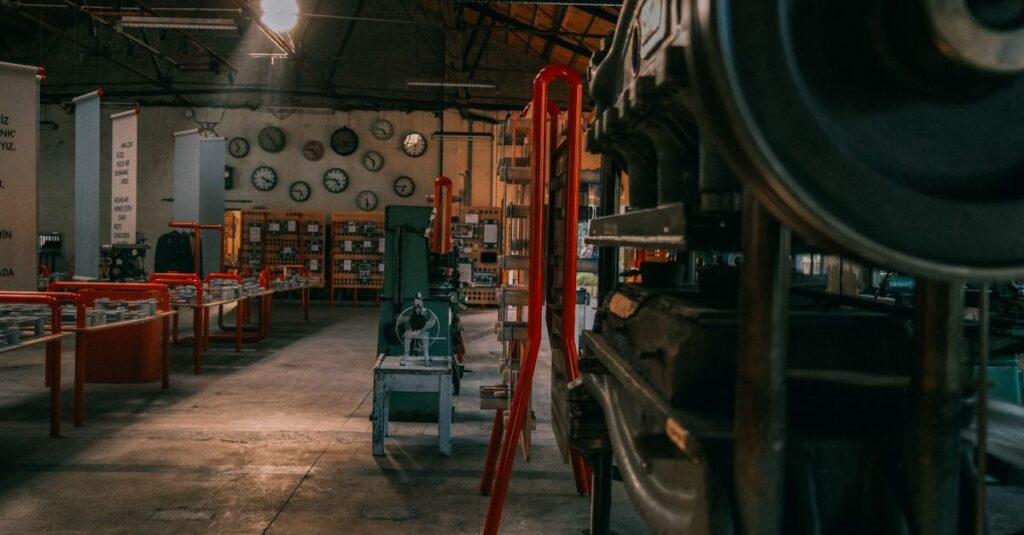
It starts with paper rolls. Tonnes of them. They arrive on trucks and get stored in a humidity-controlled warehouse. Paper is a living thing — too dry, it crumbles. Too wet, it curls. The first lesson every factory worker learns: respect the paper.
At Sri Rama Notebooks, we run through roughly 30,000 to 40,000 notebooks a day. That's a lot of paper. But before those notebooks reach the bindery, there is a chain of steps most buyers never see.
Let me walk you through them.
From Rolls to Ruled Sheets
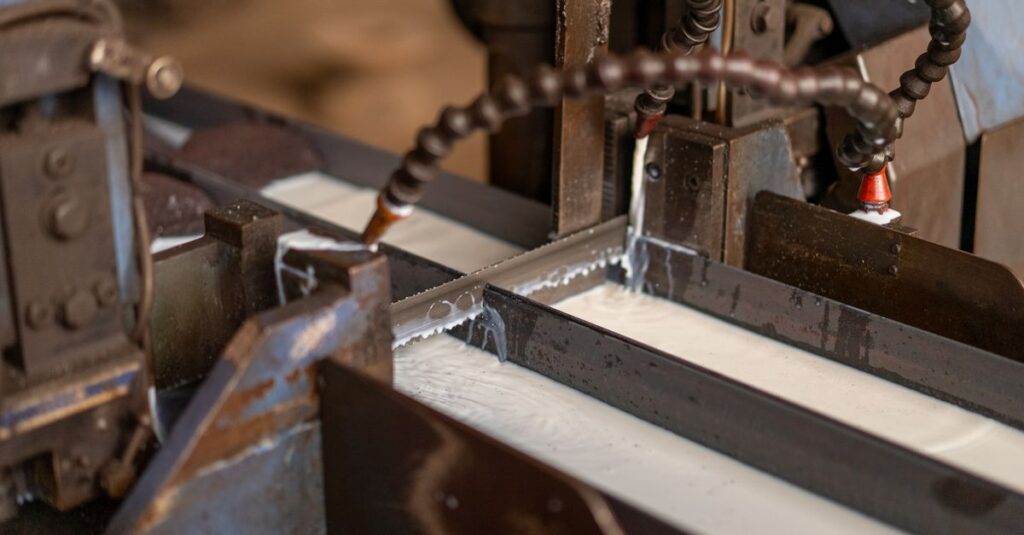
The first machine you hear is the cutting line. It makes a sharp hiss — metal against paper. Giant rolls are sliced into sheets of different sizes: King, Long, Short, A4, A5, Crown. Each size has its own die, its own setup time.
Then comes printing. Most of our school notebooks use offset printing for the inside pages — the rules. We have ruling plates for Single Ruled, Double Ruled, Four Ruled, Cross Ruled, and more. You name a ruling type, we've probably run it.
Here's something people don't realise: the ruling colour matters. Dark blue for primary school books. Light blue for college notebooks. It's not random. It's about reducing eye strain. We've had customers specifically ask for a shade — and we match it.
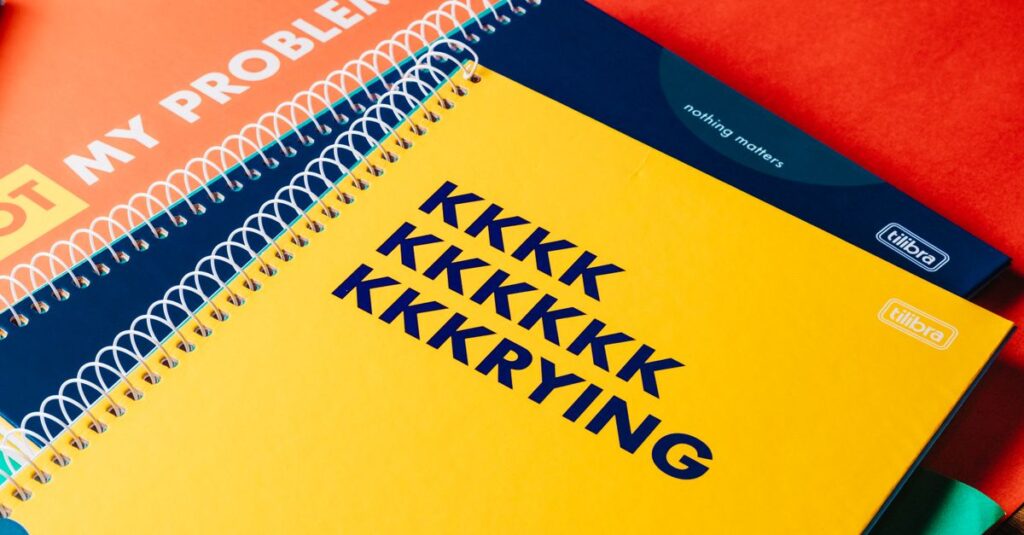
Printing the cover is a different beast. Covers are printed on thicker paper, often in full colour with laminate finish. Some customers want foil stamping — that's a hot foil press. Others want embossing. Each job is a fresh setup.
I remember a batch we did for a school chain in Mumbai. They wanted the logo embossed on the cover, plus the school motto in gold foil. The first run came out crooked. We scrapped 200 covers and started over. That's the cost of doing it right.
Binding — Where Things Come Together
This is the heart of any notebook factory. The binding section. We use three main methods, and each has its own personality.
| Binding Type | Best For | Durability | Cost | Turnaround |
|---|---|---|---|---|
| Stitched (Saddle or Side) | School notebooks, long use | High — pages won't fall out | Medium | Standard |
| Spiral (Wire-O / Coil) | Corporate diaries, planners | Medium — lay flat but coil can bend | Higher | Slower (more manual) |
| Perfect Bound | Thick books, account books | Good — but spine can crack if not done well | Low to Medium | Fast (automatic) |
Most buyers assume stitched is always better. Not always. A perfectly bound notebook with 700 pages? That's not practical. You need sewn sections. A spiral diary for a corporate executive? Stitching won't give you that lay-flat feel.
The trick is matching the binding to the use case. We've seen bulk orders go wrong because the buyer didn't think about how people actually use the notebook. A school kid flips pages hard. A finance manager opens an account book flat. Different needs.
Expert Insight
I was talking to our production manager last month — he's been with us since the 90s. He told me about a time they had to redo an entire order of 5000 diaries because the spiral coil was catching on shirt sleeves. The buyer had specified a thicker wire to make it look premium. But nobody tested it on a real person. After that, we started doing a wear test on every new binding spec. Take a sample, put it in someone's bag for a week. See what happens. Simple, but nobody does it.
Quality Control — The Boring Stuff That Matters
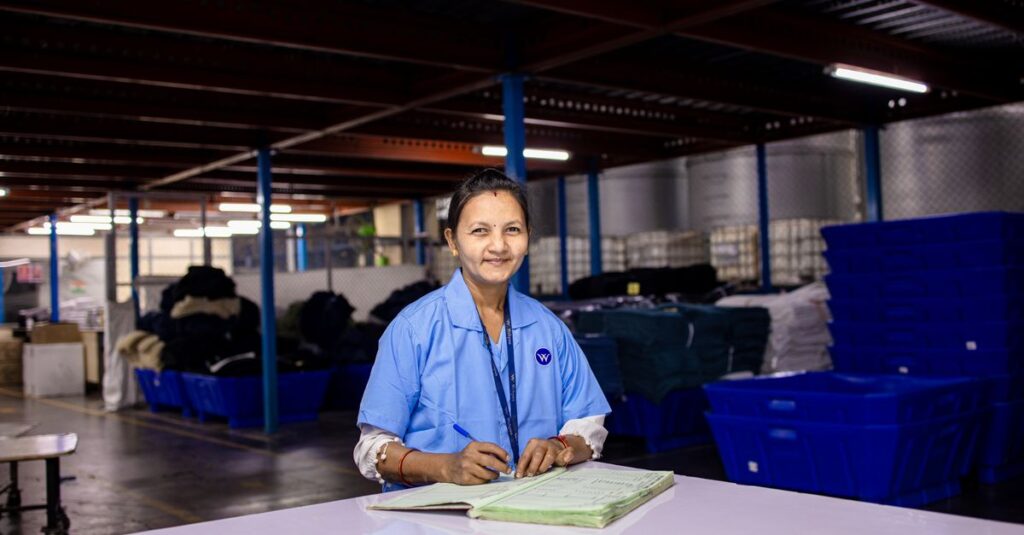
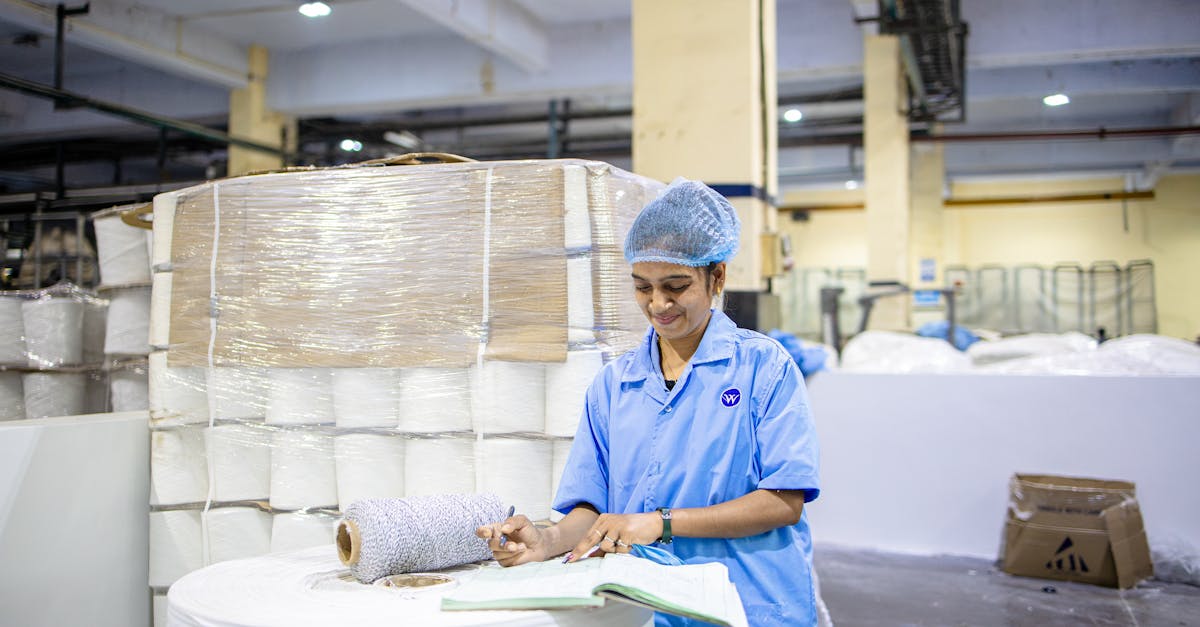
Let me tell you about Rajesh. He's 34, works in our QC section. Every day he pulls random notebooks from the production line. He checks the ruling alignment — if the lines are even 0.5 mm off, the notebook is rejected. He checks the spine glue: too much and the book won't open flat; too little and pages fall out. He has been doing this for 8 years.
One afternoon he flagged a batch of 3000 notebooks. The cover laminate had a faint ripple. Most people wouldn't notice. But Rajesh noticed, and he stopped the line. The laminating machine needed recalibrating. That one call saved us from shipping a bad batch to a client in Nigeria.
Quality control isn't glamorous. It's repetitive. But inside a modern notebook manufacturing factory in India, it's the difference between a repeat buyer and a complaint email.
Customization — Where Bulk Orders Get Personal
Most of our business is bulk orders. Schools, colleges, corporate houses, universities. They want their logo on the cover, their brand colours, sometimes a custom page layout. Private label work is huge — someone else's name on our product.
We offer logo printing, embossing, foil stamping, custom cover design. For one client in Dubai, we did a diary with a leatherette cover and their logo embossed in silver. The minimum order was 5000 pieces. They wanted a sample first — fair enough. We sent three variations. They picked one. Production took 20 days.
The process is: design approval → plate making (for offset) or digital proof → printing → binding → packaging → shipping. Every step has a checklist. One slip and the entire order is compromised.
If you're a procurement manager looking for a supplier, the factory tour tells you everything. Do they have a dedicated pre-press area? Is the binding section clean? Are the workers wearing gloves while handling paper? Little signals.
Anyway. That's the inside story. Not glamorous. But if you need notebooks that don't fall apart after a week, this is where they come from.
Frequently Asked Questions
What is the typical production capacity of a modern notebook factory in India?
At our factory, we produce 30,000 to 40,000 notebooks per day. That includes multiple sizes and binding types. Capacity depends on the complexity of the order — custom covers take longer than standard ones.
What binding type is best for bulk school notebook orders?
Stitched binding is usually the best for school notebooks. It is durable, pages stay in place, and it can handle rough handling. Spiral binding is better for diaries that need to lay flat. We can advise based on your usage.
Can I get custom ruling and page count in my bulk order?
Yes. We offer ruling types like Single, Double, Four, Cross, and more. Page counts range from 52 to 700 pages. Just tell us what you need, and we adjust the production setup accordingly.
How long does a typical bulk order take from order to delivery?
Standard orders take 15 to 25 working days, depending on quantity and customization. Rush orders are possible but require a premium. We always recommend giving us at least 30 days for international shipments.
Do you export notebooks to other countries?
Yes, we export to the Gulf, Africa, USA, UK, Europe, and Australia. We handle all documentation and shipping. Contact us for a quote tailored to your market.
Final thoughts
A notebook factory is not a magic box. It is a chain of machines, people, and decisions. The paper has to be right. The glue has to set. The covers have to line up. Nothing happens by accident.
I don't think there is one perfect way to make a notebook. But after 40 years, I know what works: consistency, testing, and people who care about the small stuff. That's what you get when you work with a manufacturer who has been at it since 1985.
If you are sourcing notebooks for your school, college, or business, take a look at Sri Rama Notebooks. We can handle your bulk order — custom or standard.