Two Ways to Print: Offset vs Digital
Most people don't realize there are two completely different ways to print a notebook. And the one you choose changes everything — cost, time, quality.
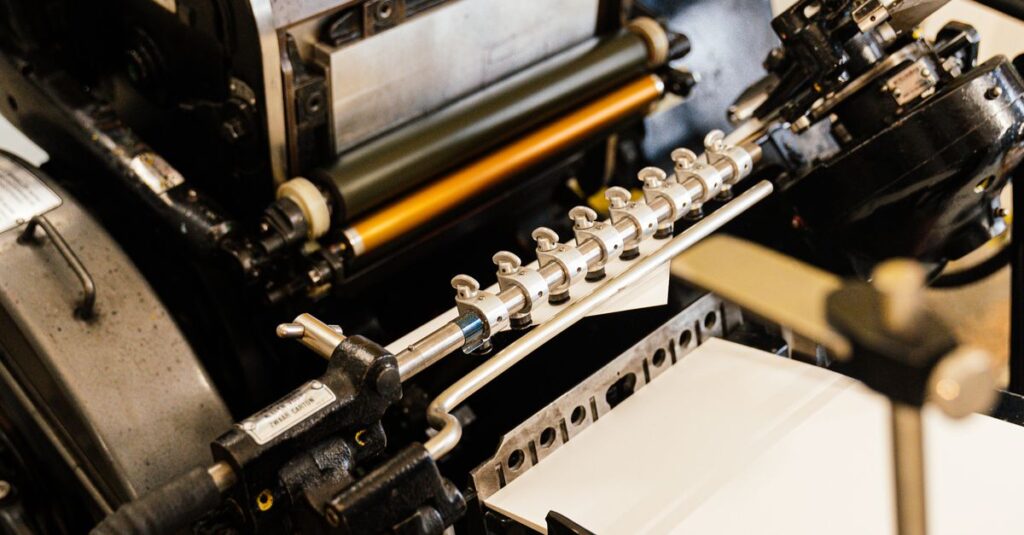
Here's the simple version: offset printing uses metal plates and huge machines. It's what we use for runs of 500+ notebooks. The setup takes a day, but once it's running, each notebook costs pennies. Digital printing is like a giant office printer — no plates, fast setup, but higher cost per unit. Great for small batches or quick proofs.
I remember a client from Hyderabad who needed 200 branded diaries for a conference. Digital made sense. But then they ordered another 5,000 the next year — and we switched to offset. Saved them 40%.
| Feature | Offset Printing | Digital Printing |
|---|---|---|
| Best for quantity | 500+ copies | 1–500 copies |
| Cost per unit | Low (at volume) | Higher |
| Setup time | 12–24 hours | Minutes |
| Color accuracy | Excellent (PMS matching) | Good |
| Customization per copy | No (all identical) | Yes (variable data) |
| Turnaround | 2–3 weeks | 3–5 days |
If you're ordering for a school or corporate event, offset is usually the answer. But don't dismiss digital — I've seen it save people who needed fast reprints.
The Prepress Phase — Where Mistakes Happen
Before any ink hits paper, your file preparation happens. And this is where most problems start. I'll be honest: nine times out of ten, when a job is delayed, it's because the artwork had to redo the artwork.
Here's what prepress looks like:
- You send us a PDF (or design file)
- We check margins, bleeds, and color space
- We make printing plates (for offset) or set up the digital file
- We print a proof — you approve it
That proof step? Don't skip it. I've had clients say "it's fine, just print" only to find the logo was pixelated. Always approve a proof.
Ramesh, 38, procurement manager at a chain of schools in Chennai, once approved a proof over the phone from the back of a cab. He didn't see that the school name was misspelled. We caught it — barely. He still sends us chocolates every Diwali.
Expert Insight
I was talking to an old press operator last month — over tea break, not formal — and he said something he said stuck with me. He said: "The best printing happens when the client understands the process a little bit. Not fully. Just enough to know why we ask for things." I think he's right. The more you trust the prepress stage, the smoother it gets.
Press Day — Ink, Paper, Speed
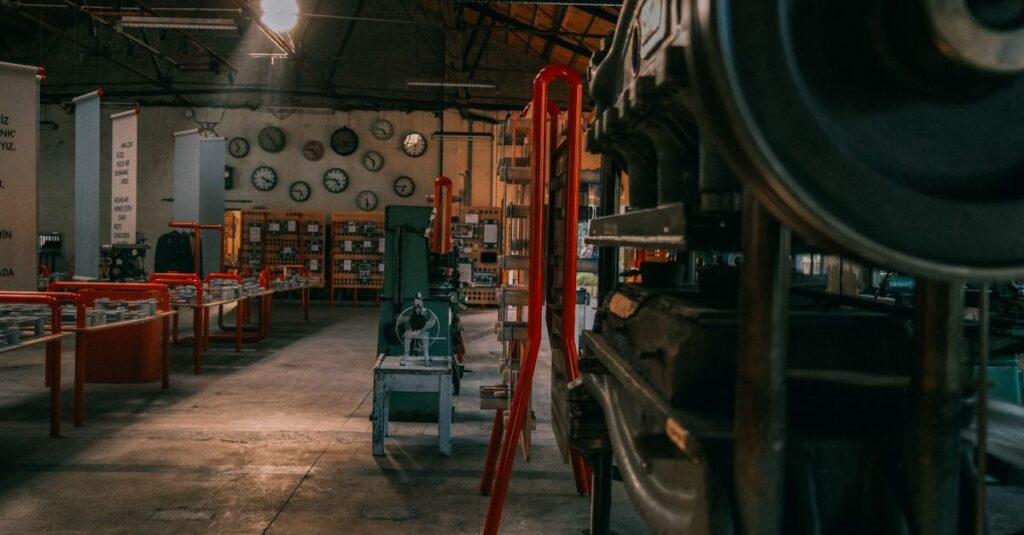
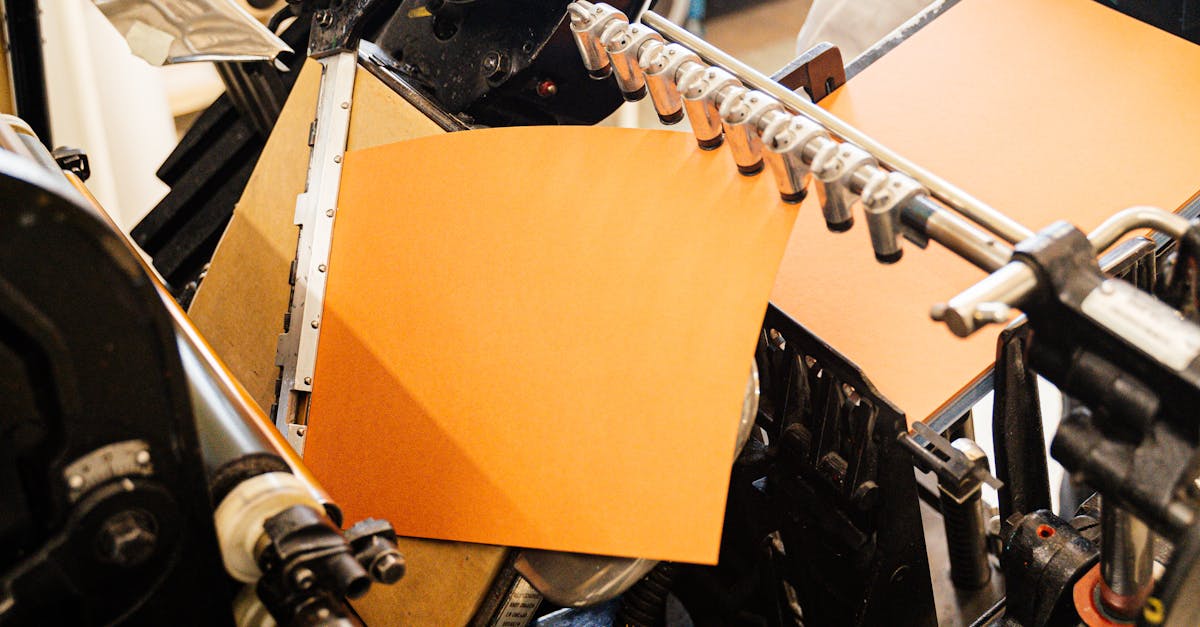
Now the machine runs. At our factory, we can produce 30,000 to 40,000 notebooks a day. But that's on a good day. The press operator is constantly checking color density, paper alignment, registration.
Commercial printing isn't just "hit print and walk away." It's watching, adjusting, sometimes stopping to clean a roller. The paper quality matters — we use 54 GSM writing paper for standard notebooks. Thicker paper for diaries. If the paper is too rough or too smooth, the ink behaves differently.
One thing I didn't expect when I first started watching press runs: the noise. It's loud. But after an hour, you stop noticing. The rhythm takes over.
Binding and Finishing — Where a Notebook Becomes a Notebook
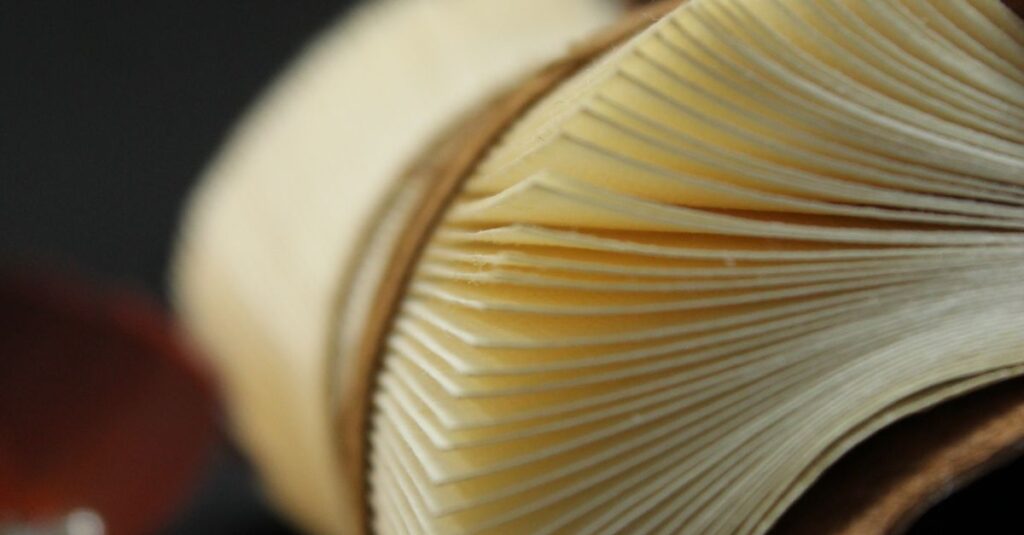
Printing is only half the story. After the sheets come off the press, they go to binding. We stitch, spiral, or perfect bind depending on what you ordered.
Stitched binding — thin notebooks lie flat, durable. Used for school notebooks and account books.
Spiral binding — coils through holes, allows 360-degree rotation. Popular for diaries.
Perfect binding — glued spine, clean look. Common for thick notebooks and hardcover diaries.
Then finishing: cover lamination, foil stamping, embossing. I once had a client who wanted gold foil on 10,000 corporate diaries. The first trial was too shiny — they wanted matte. We redid it. No charge. Because the finishing is what people touch first. It has to feel right.
Quality Control and Packing — The Boring Part That Saves You
This is the part nobody talks about. After binding, every stack gets inspected. Pages missing? Spine cracked? Cover misaligned? We reject it. I'd rather waste paper than ship bad notebooks.
Then packing: shrink wrap, cartons, pallets, labels. Export orders get extra care — fumigation, wooden crates if needed.
Look, most people won't see this part. But if you've ever received a shipment where the notebooks were damaged or the count was short — you know how much it matters. At our factory, we double-count everything. I don't have a fancy reason for it. It's just the right way to do it.
Anyway. That's how commercial printing works for businesses. Not glamorous. But honest.
Frequently Asked Questions
How long does commercial printing take for notebooks?
Typically 2–3 weeks for offset runs of 1,000–10,000 notebooks. Digital can be done in 3–5 days. Rush orders possible if we have open capacity, but always better to plan ahead.
What file formats do you need for my artwork?
PDF is best. We also accept AI, EPS, and CDR files. Make sure bleeds are 3mm on each side, and fonts are converted to outlines. Send 300 DPI images for sharp results.
Can I get a sample before placing a bulk order?
Absolutely. We can print a single sample or a small proof run. Usually it takes 2–3 days and we charge only shipping. Sample approval is recommended — especially for first-time orders.
What is the minimum order quantity for custom printing?
For offset, we recommend at least 500 notebooks to make setup worthwhile. Digital has no minimum — we can print a single copy. But for bulk pricing, the 500 mark is the sweet spot.
Do you print on the cover as well?
Yes. Covers can be printed in full color, with your logo, school name, or custom design. We also offer foil stamping, embossing, and lamination. Send your artwork and we'll quote you.
So That's the Process — What Now?
I've told you the steps. Offset vs digital, prepress, press, binding, quality. But the real takeaway is: commercial printing works when you work with someone who does it every day. Not someone who prints once a year.
If you're ordering notebooks in bulk — for a school, a corporate event, or export — you want a partner who's done it 40 years. We have. And we'll walk you through it.
I don't think there's one perfect way to print. Probably there isn't. But if you've read this far, you already know more than 90% of buyers. The next step is a conversation. Sri Rama Notebooks — let's talk.