I've been watching how notebooks are made for almost four decades. Started in 1985 in a small workshop in Rajahmundry. Back then it was all hands – cutting paper by eye, binding by muscle. Now? Things are different. Not completely different, but enough that I had to sit down and write this. Because the Smart Manufacturing Trends in Notebook Production aren't something to ignore anymore. They're changing what's possible – for us, for buyers, for the notebooks themselves. If you're ordering in bulk and wondering why some manufacturers can deliver faster, cheaper, or with better consistency, this is where the answer lies. Sri Rama Notebooks has been through both eras, so I can tell you what actually works.
Smart Manufacturing Trends in Notebook Production: What's Changing?
Let's cut through the hype. Smart manufacturing isn't about robots taking over. It's about using data and automation to make fewer mistakes and waste less material. In notebook production, that means sensors on paper cutting machines that detect misalignment before you cut a thousand sheets wrong. It means digital presets on binding machines that switch from stitched to spiral in under a minute instead of an hour. It means tracking every step so when a buyer in Dubai asks "where's my order?" you can actually tell them the exact machine and operator it's on. That kind of transparency? It builds trust. And trust is everything in bulk supply.
The Core Technologies
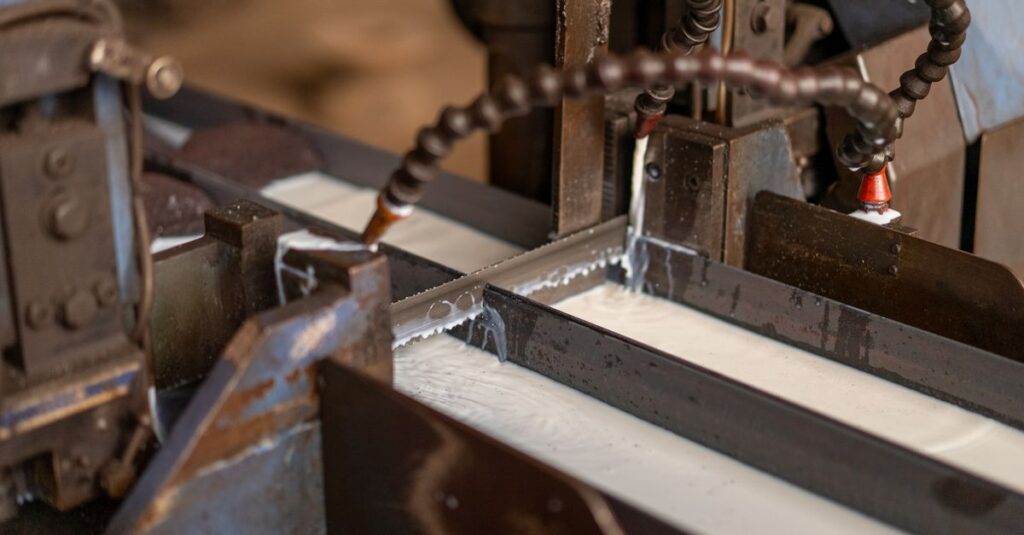
- Automated Cutting & Ruling: Programmable die-cutters and ruling machines with optical sensors that adjust for paper thickness variations. No more wasted reams.
- IoT-Enabled Presses: Machines that report their own wear and tear – bearing temperature, vibration patterns – so breakdowns are predicted, not reacted to. We had a press go down last Diwali. Never again.
- Real-Time Inventory: RFID tags on reams of paper, glue drums, and finished stacks. You know exactly what's in stock and what's moving. This alone saved us two full-time inventory clerks.
And honestly? This stuff is expensive. But the alternative – guessing, fixing, redoing – is more expensive. We learned that the hard way. Three years ago we had a rush order for 50,000 notebooks and our old cutting machine jammed. Lost a day. The client was furious. Now with predictive alerts, we'd have known the bearing was going a week earlier. That machine isn't just a piece of equipment. It's a promise to our customers.
How Automation Changed Our Binding Line – A Real Example
I'll give you a concrete example. Binding. Used to be a team of twelve people hand-feeding machines, adjusting tension by feel. Every batch had slight differences. Some notebooks opened flat. Others fought you. We thought that was normal. Until we installed an automated perfect binder with a computer-controlled glue temperature and pressure system.
Let me introduce you to Ravi. He's 45, has worked at our factory for eighteen years. He remembers the old days. We sat down one afternoon – third coffee of the day, no food since lunch – and he told me about last month. "Five years ago, a rush order for 10,000 stitched notebooks would have meant overtime, errors, three days of stress. Now the machine just… does it. I just watch the screen." He wasn't complaining. He was amazed. (I was too.)
| Feature | Traditional Binding | Smart Automated Binding |
|---|---|---|
| Speed | Up to 500 books/hour | Up to 1,200 books/hour |
| Error Rate | ~4-6% misalignment | <0.5% |
| Setup Time | 45 minutes per job | 8 minutes with presets |
| Waste | 5-7% of paper | 1-2% |
| Labour Needed | 12 operators | 3 operators |
The difference isn't just numbers. It's real. And the question isn't whether to adopt it. It's how fast you can.
AI in Quality Control – The Quiet Revolution
I think – and I could be wrong – that the most underrated trend is using cameras and machine learning to inspect notebooks as they come off the line. Human eyes get tired. After four hours, you miss a bent corner, a misprinted rule line. A machine doesn't. We installed a simple vision system on one line last year. The first week, it caught 37 defective covers that our inspector had approved. He wasn't bad – he was just exhausted. The machine didn't get tired.
Expert Insight
I was talking to a supplier from Germany last year at a trade fair. Over coffee, actually – not some formal meeting. He told me about a factory that used AI to detect paper grain direction problems. I didn't even know that was a thing you could detect. He said the system flagged a batch of imported paper that was causing curling in notebooks. The kind of curl that customers would blame on humidity. But it was the paper. They fixed it without a single customer complaint. I haven't seen that system in India yet. But I bet it's coming.
But What About the People?
Here's the thing. Every time I write about smart manufacturing, someone asks: "Do you still employ people?" Yes. More than ever. But differently. The jobs change. Ravi isn't feeding paper anymore – he's monitoring screens, troubleshooting sensors, suggesting improvements. It's a headache, honestly, to retrain people. But the alternative is losing them entirely because the factory becomes obsolete.
The real problem: nobody talks about the cost of not upgrading. You keep doing things the old way, your costs stay high, your quality varies, and buyers start looking elsewhere. Smart manufacturing isn't a cool thing – it's survival. I don't have a cleaner way to put it than that.
Anyway. Where was I. The point is – trends are only useful if they help you make a better notebook. And they do. But only if you implement them thoughtfully, not just because everyone else is.
Where to Start If You're a Buyer
If you're a procurement manager or a school administrator ordering notebooks by the thousands, you don't need to know the technical details. But you do need to ask the right questions. Ask your supplier: Are you using automated cutting? Do you have digital quality checks? How do you track production for custom orders? If they don't know what you're talking about – that's a red flag. Sri Rama Notebooks can show you exactly how we use smart manufacturing to deliver consistent, high-quality notebooks at scale. Because we've been doing it for forty years – just smarter now.
Frequently Asked Questions
What are the key smart manufacturing trends in notebook production?
Key trends include automated binding and ruling machines, IoT sensors for predictive maintenance, AI-powered visual inspection for quality control, real-time production tracking, and digital inventory management. These reduce waste and improve consistency.
How does automation improve notebook quality?
Automation ensures precise cutting, consistent glue temperature, and uniform binding pressure. Vision systems detect defects like misaligned covers or missing pages instantly, reducing errors that human eyes might miss after long hours.
Can smart manufacturing handle custom orders like logo printing?
Yes. Digital presets allow quick changeovers between different sizes, ruling patterns, and cover designs. This makes custom and private label notebooks more economical even for smaller batch sizes, without sacrificing speed.
Is smart manufacturing only for large factories?
Not necessarily. Even mid-sized notebook manufacturers can adopt specific technologies like automated cutting or basic vision systems. The investment varies, but the return in reduced waste and faster turnaround often justifies it.
How does smart manufacturing help with bulk exports?
Real-time tracking and predictive analytics help manage large export orders efficiently. Automated production lines can ramp up output without compromising quality, while data systems ensure compliance with international standards and delivery timelines.
Conclusion
Smart manufacturing trends in notebook production aren't just for tech giants. They're for any manufacturer who wants to stay relevant. Two takeaways: automation reduces waste and errors, and data transparency builds trust with buyers. But there's a third thing I keep thinking about – the craft. I don't think machines can replace the feel of a well-made notebook. But they can help us make more of them, better, for more people. And that matters. If you're looking for a partner who understands both the old and the new, Sri Rama Notebooks is here.