Why Your Business Should Care About Sustainable Packaging & Printing Solutions for Businesses
Let me be honest with you. I've been in this industry long enough to see a lot of fads come and go. But the shift toward sustainable packaging & printing solutions for businesses is not a fad. It's a headache for most procurement managers — and I get why. You're trying to balance cost, quality, and deadlines. Now someone is asking you to care about the environment, too. Here's the thing: it's not about being noble. It's about what your customers expect. Nine times out of ten, the sales team brings this up after a client asks, “Is this printed on recycled paper?” And you're scrambling. I've been there.
If that sounds familiar, Sri Rama Notebooks might save you a few calls.
What Does Sustainable Packaging & Printing Actually Look Like?
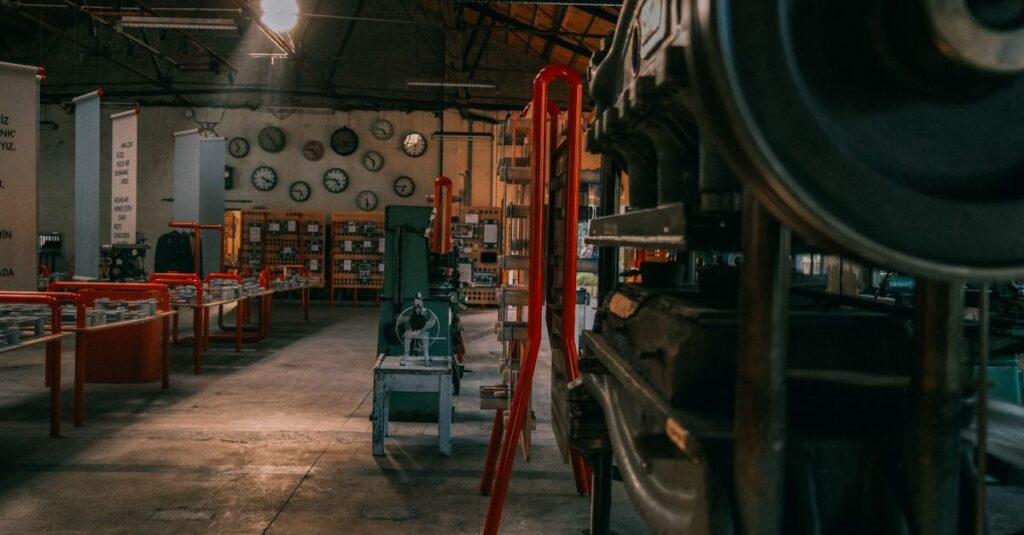
It's not just about slapping a green leaf logo on your box. Most people imagine cardboard and brown paper — and sure, that's part of it. But sustainable packaging & printing solutions for businesses involve every step: the paper source, the ink, the binding glue, and the shipping material. At our factory in Rajahmundry, we've been using FSC-certified paper for years. Not because someone forced us. Because the quality is solid and it lasts.
Key Materials We Use
- Recycled paper (60% post-consumer waste content)
- Soy-based inks instead of petroleum-based
- Biodegradable wrapping for bulk shipments
- Water-based adhesives for perfect binding
Now, I'm not saying it's cheaper. It's not. But the difference is smaller than you think. And the alternative is getting harder to defend.
Here's a memory that sticks: a few years ago, a client from Dubai — let's call him Faisal — visited our unit. He walked around, looked at the spiral binding machine, and asked about our waste disposal. I showed him the recycling bins. He said, “In my country, they charge extra for this. Why don't you?” I didn't have a good answer. We just did it because it felt right. That kind of honesty matters more than certifications sometimes.
The Cost Question: Is It Worth the Switch?
I'll be blunt. If you're a school or a government institution ordering 50,000 notebooks, the cheapest option is still conventional. But if you're a corporate buyer sending diaries to clients every New Year, sustainable packaging is a different story. Your clients notice. They throw away the fancy plastic wrapper. They keep the recycled cotton bag.
Let me give you a micro-story. Anusha, 34, works in corporate gifting for a tech firm in Bangalore. Last December, she ordered 2,000 custom diaries from us. She specified eco-friendly packaging — no plastic, no glitter. I remember her exact words: “If our logo is on something that ends up in a landfill, it defeats the purpose.” That's the mindset now.
Anyway. Where was I. The real cost is not the raw material. It's the redesign of your supply chain. You need a partner who already has the systems in place. We produce 30,000–40,000 units a day. Switching our entire line to sustainable paper took six months. But now it's routine.
Comparison: Conventional vs Sustainable Printing
| Aspect | Conventional Printing | Sustainable Printing |
|---|---|---|
| Paper source | Virgin wood pulp | Recycled or FSC-certified |
| Ink type | Petroleum-based (VOCs) | Soy or vegetable-based |
| Binding adhesive | Hot melt (non-recyclable) | Water-based (biodegradable) |
| Packaging | Plastic shrink wrap | Biodegradable or minimal |
| Cost per unit (approx) | Baseline | 10–15% higher |
| Client perception | Neutral | Positive, often a differentiator |
Which is better? Depends on who you ask. But the trend is clear. I don't think it's reversible.
Common Mistakes Businesses Make When Going Sustainable
I've seen companies announce “100% recycled” and then print with toxic inks. Or they use recycled paper but wrap each notebook in a separate polybag. That's not sustainable. That's theater. Here are three mistakes I keep seeing:
- Thinking one change is enough. Paper alone won't cut it. Look at binding, inks, and shipping.
- Ignoring the supply chain. If your packaging is eco-friendly but transport uses twice the fuel, you're back where you started.
- Not asking the manufacturer. I mean it. Call the factory. Ask what they do with waste. We're happy to show you.
I think — and I could be wrong — that most procurement managers don't dig deep because they're afraid of the answer. But ignorance costs more in the long run.
The thing about sustainable packaging & printing solutions for businesses is that they're not perfect. There's no silver bullet. You pick the least bad option and improve over time. We still use some plastic in our export shipments because humidity damages paper. But we're testing biodegradable alternatives. It's slow progress.
Expert Insight: What I Learned From Our Export Clients
Last year, a buyer from the UK asked: “Can you do 100% plastic-free packaging for 10,000 diaries?” I said yes without checking. Then I panicked. Our regular bubble wrap wouldn't work. We ended up using corrugated cardboard dividers and reusable jute bags. It cost 20% more. The client loved it and reordered twice. That taught me something: most people are willing to pay a bit more if you explain why. They just hate surprises. So be upfront. Tell them the footprint of your notebook. Don't brag.
Frequently Asked Questions
Frequently Asked Questions
What is sustainable packaging for notebooks?
It means using materials that are recyclable, biodegradable, or from renewable sources — like recycled paper, soy-based inks, and minimal plastic. The goal is to reduce waste and carbon footprint while maintaining product quality.
Are sustainable printing solutions more expensive?
Typically, yes — about 10–15% higher than conventional. But the gap is narrowing as technology improves. Many businesses offset the cost through branding value and customer loyalty.
Can I customize notebooks with eco-friendly materials?
Yes. You can get logo printing on recycled covers, use foil stamping with biodegradable foils, and choose stitched binding which uses no glue. At Sri Rama Notebooks, we offer private label with sustainable options.
How do I know if a manufacturer is genuinely sustainable?
Ask for their paper certifications (FSC, PEFC). Request a factory visit or video walkthrough. Check if they separate waste. Look for third-party audits. Green claims without proof are usually greenwashing.
What's the minimum order for sustainable packaging?
We usually recommend 500 units to make custom sustainable packaging cost-effective. Smaller runs are possible but per-unit costs increase. Contact us for a quote based on your order size.
Conclusion
Two things I want you to take away. First, sustainable packaging & printing solutions for businesses are not a luxury anymore — they're becoming a basic requirement for corporate orders and exports. Second, you don't have to get it perfect. Pick one area, improve it, and learn as you go. That's more than most companies do.
I don't think there's one answer here. Probably there isn't. But if you've read this far, you're already thinking about the right things. Maybe it's time to talk to a manufacturer who's been doing this since 1985. Sri Rama Notebooks — give us a call. We'll tell you what we can and can't do.